August 2026
Somewhere Along
the Mediterranean
Monaco • France • Spain
From Monte Carlo to Barcelona.
MONACO → FRANCE → SPAIN
A summer journey from Monte Carlo to Barcelona.
Here we go again…
THE JOURNEY
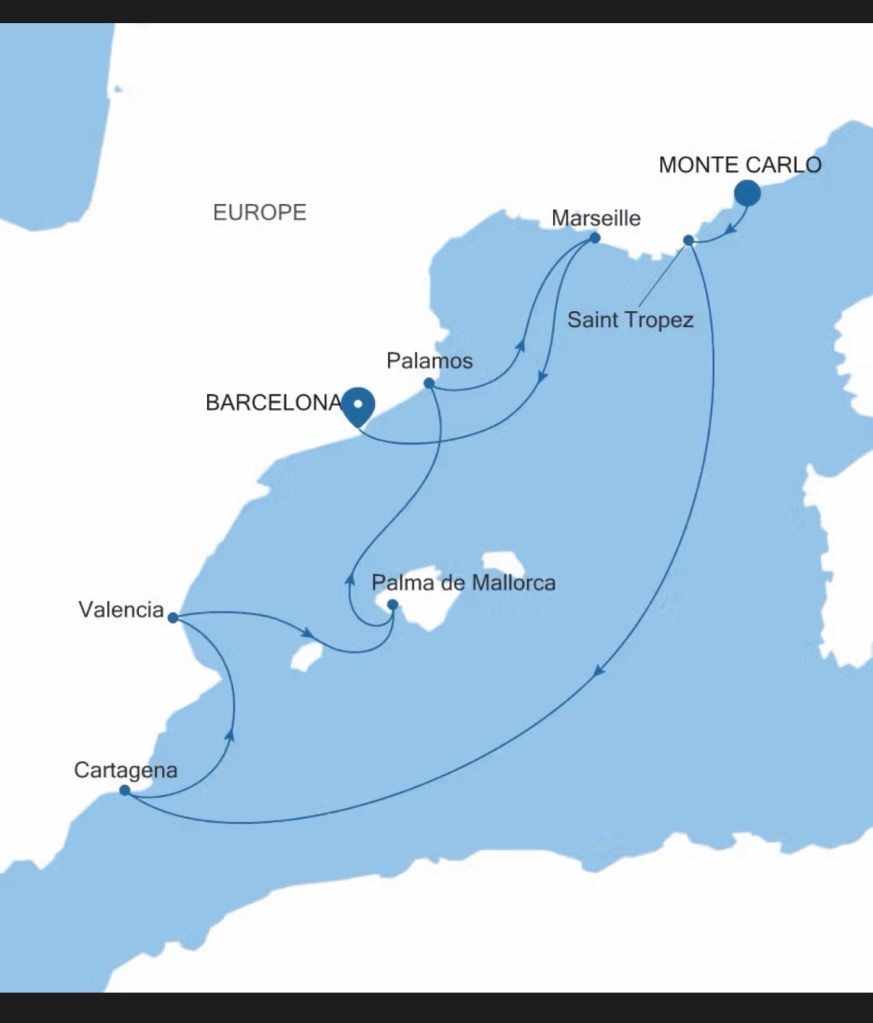
Eight ports. Three countries. One unforgettable summer along the Mediterranean. From the glamour of Monte Carlo and Saint-Tropez to the history of Cartagena, paella in Valencia, an overnight in Mallorca, the coast of Catalonia and the legendary light of Provence — ending in Barcelona.
The Itinerary
01 — MONTE CARLO 🇲🇨
Monaco
Monaco: We Made It
And we’re here.
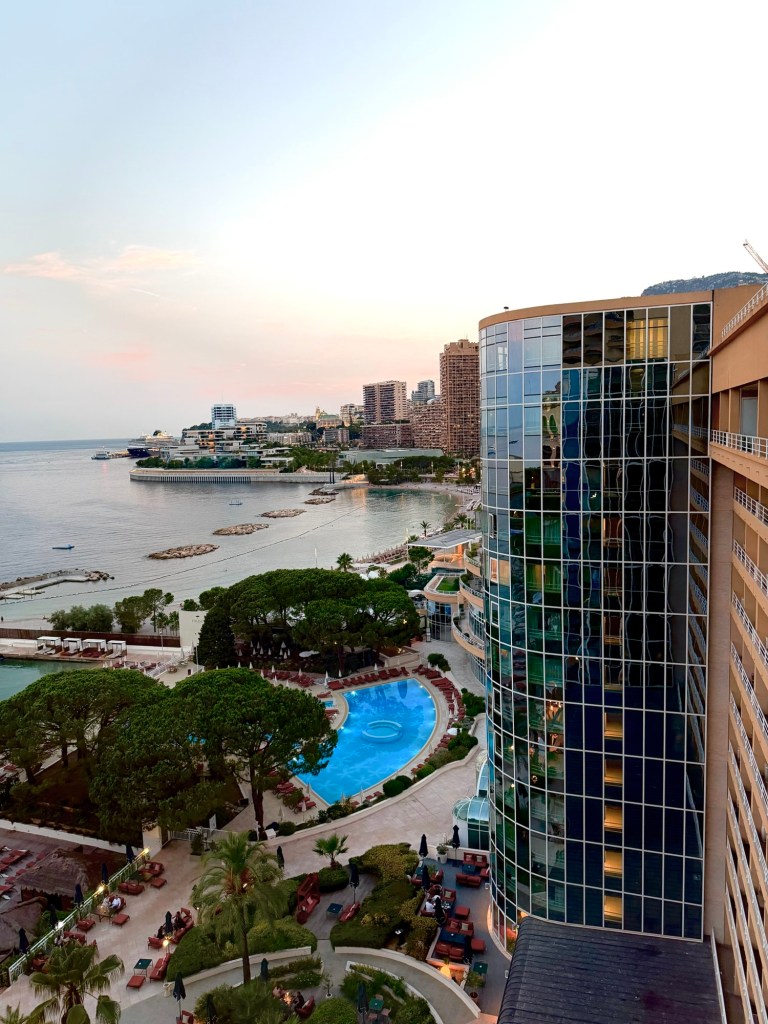
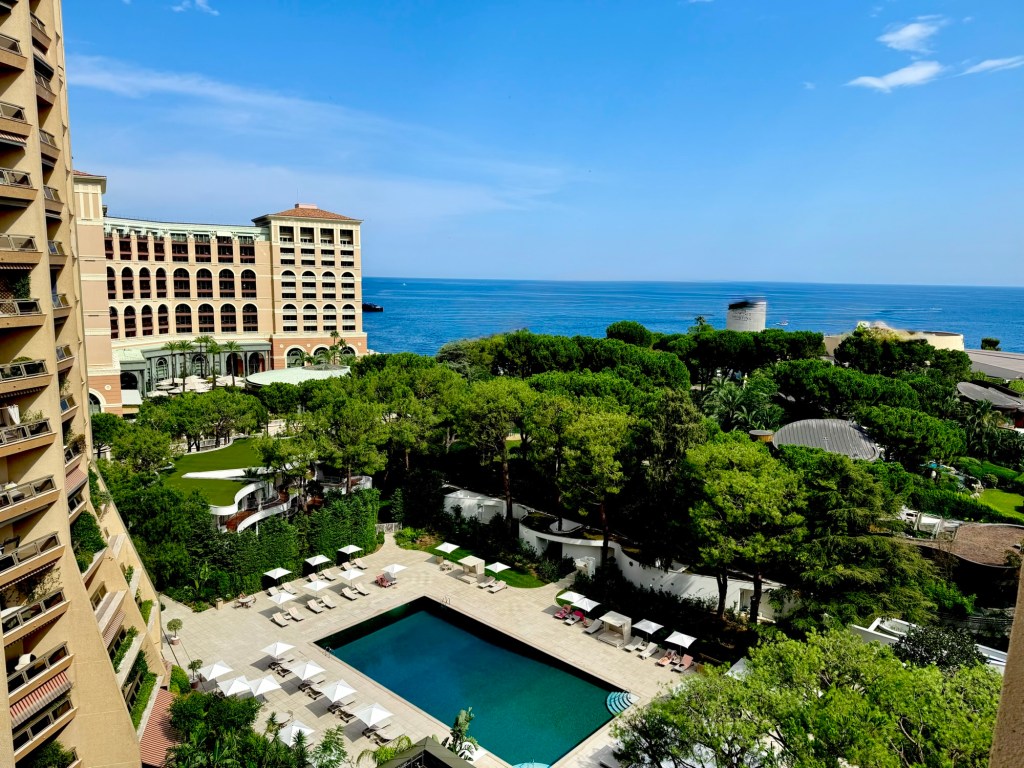
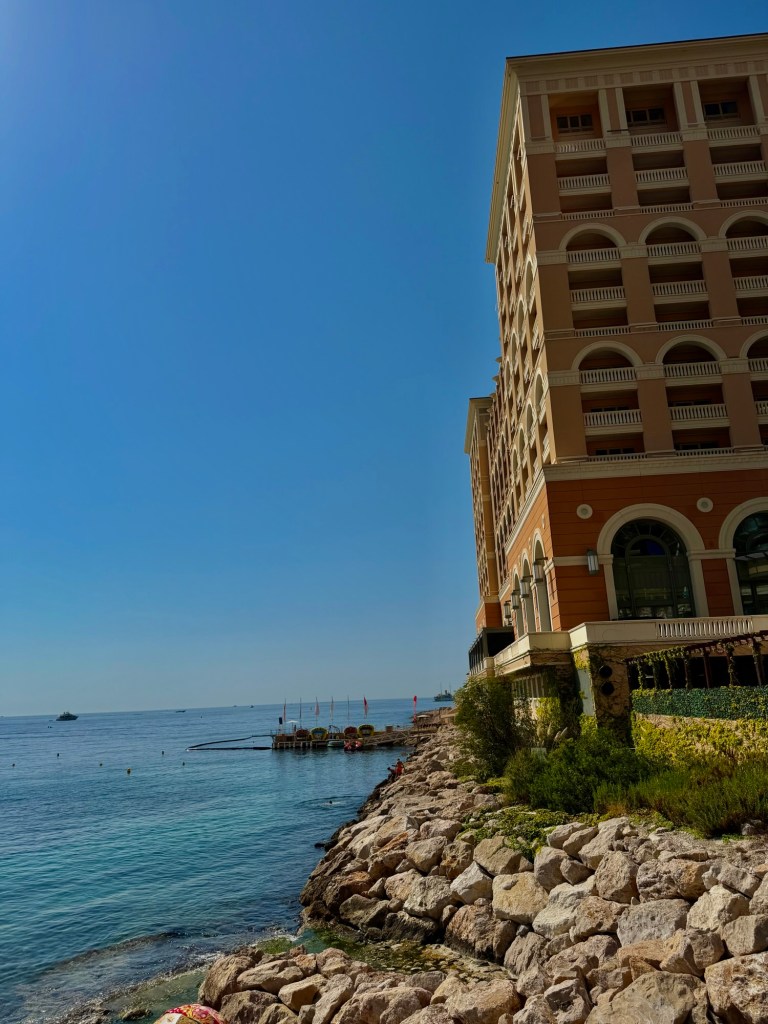
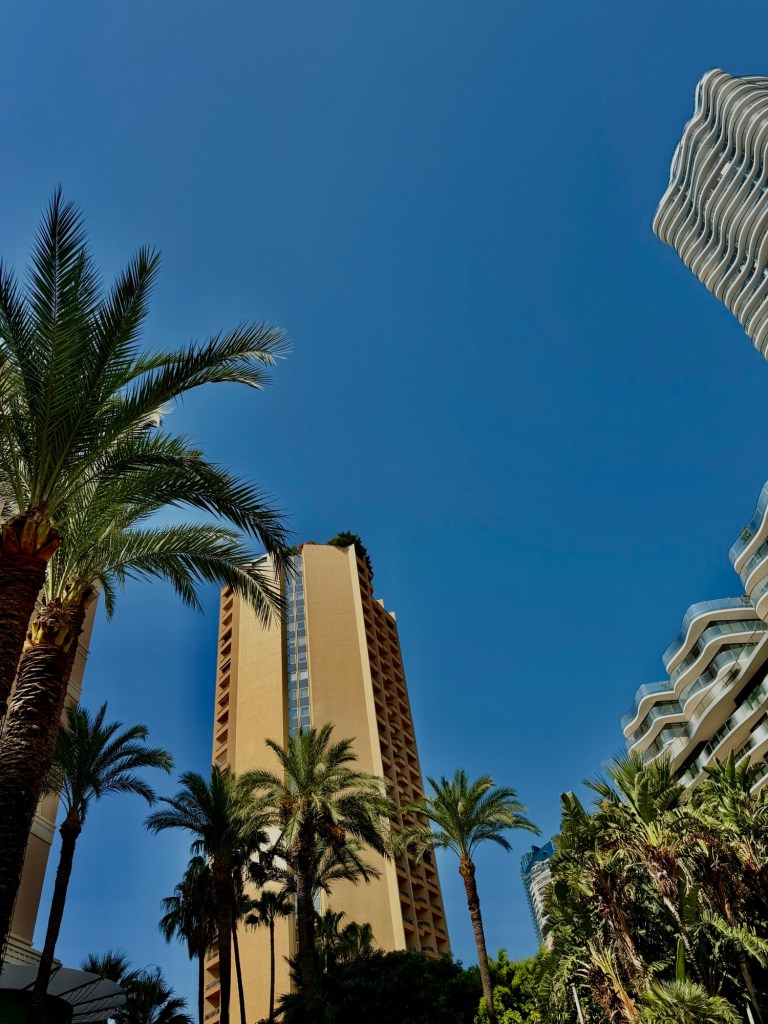
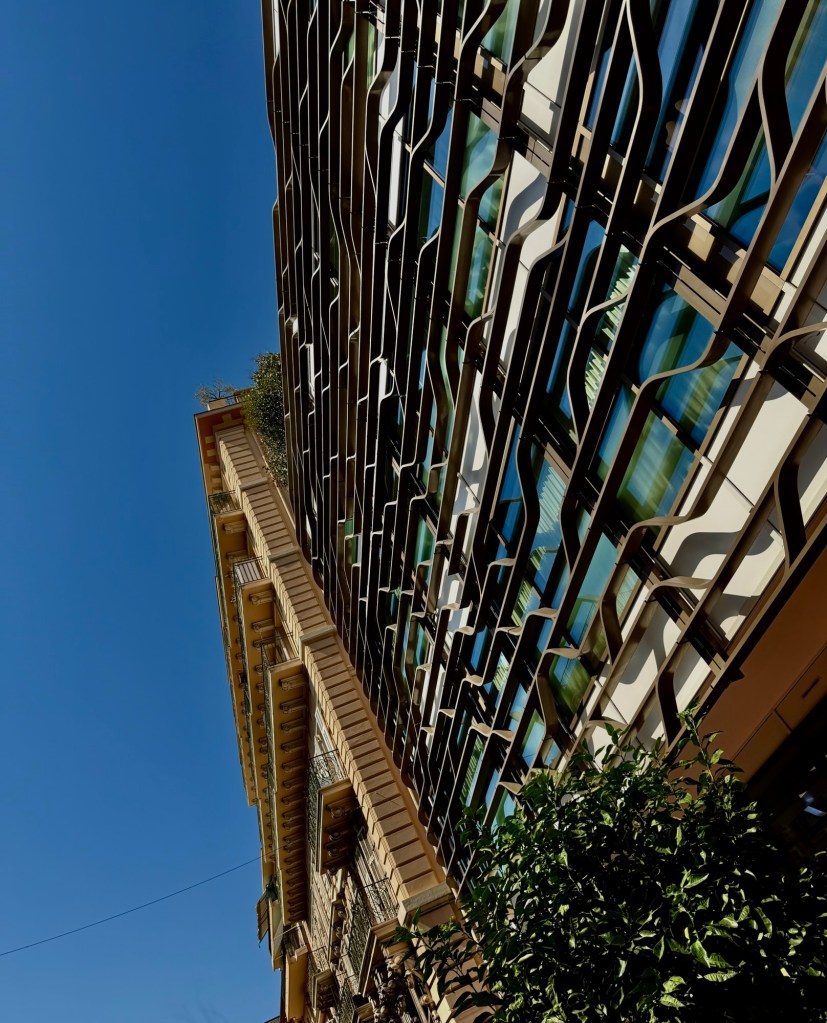
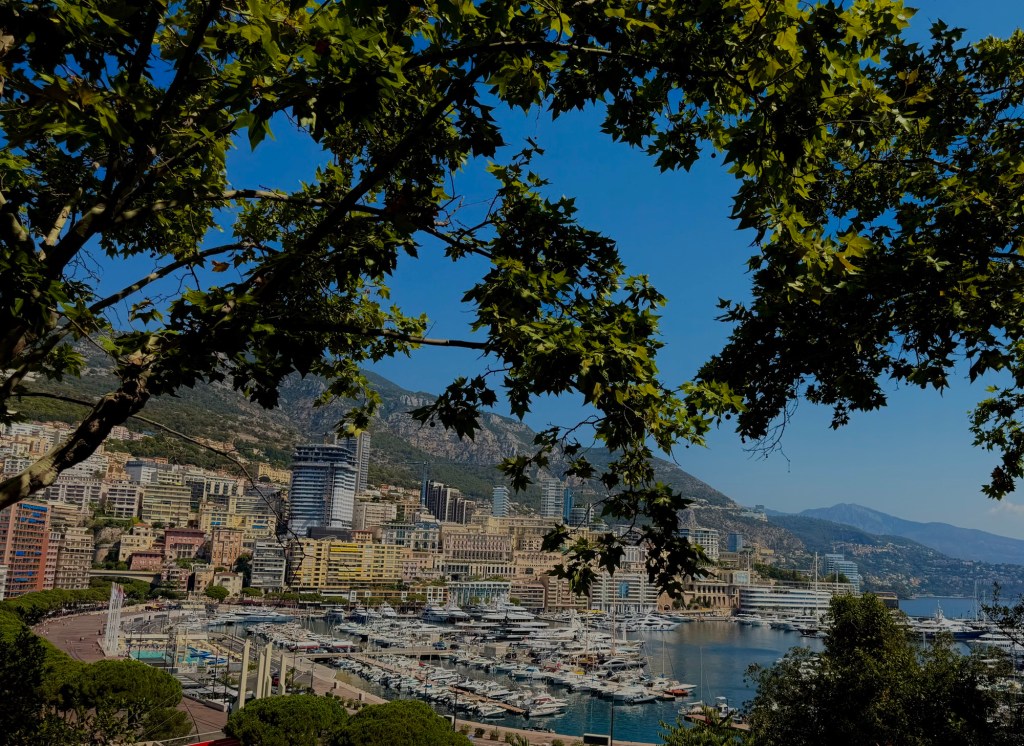
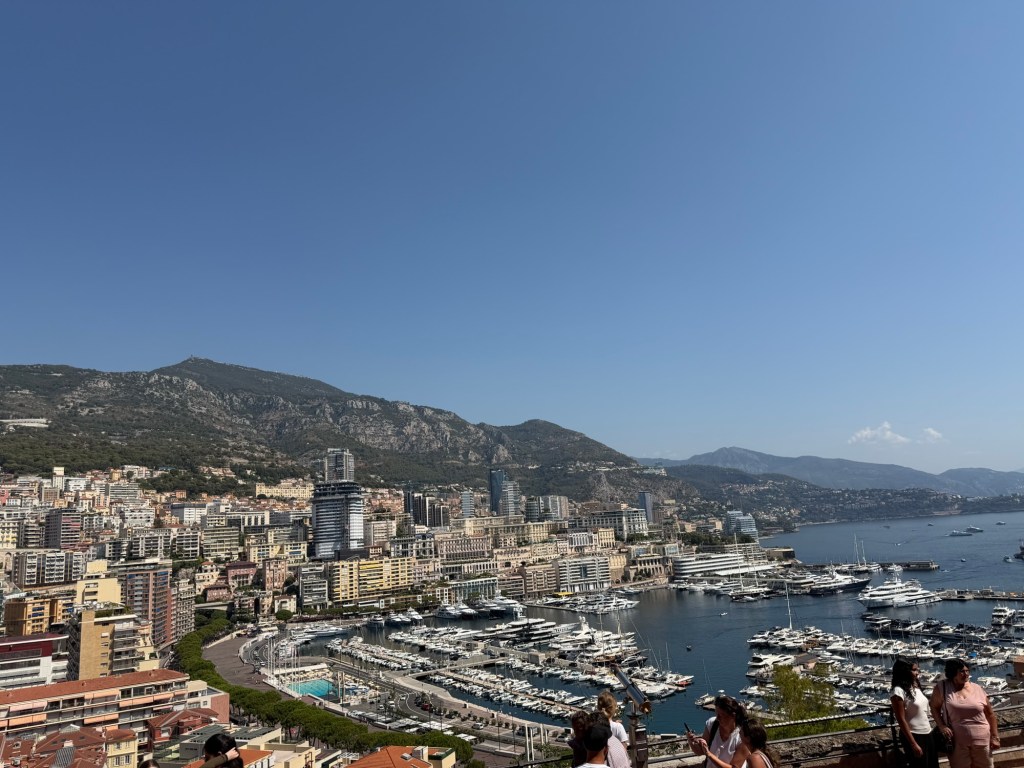
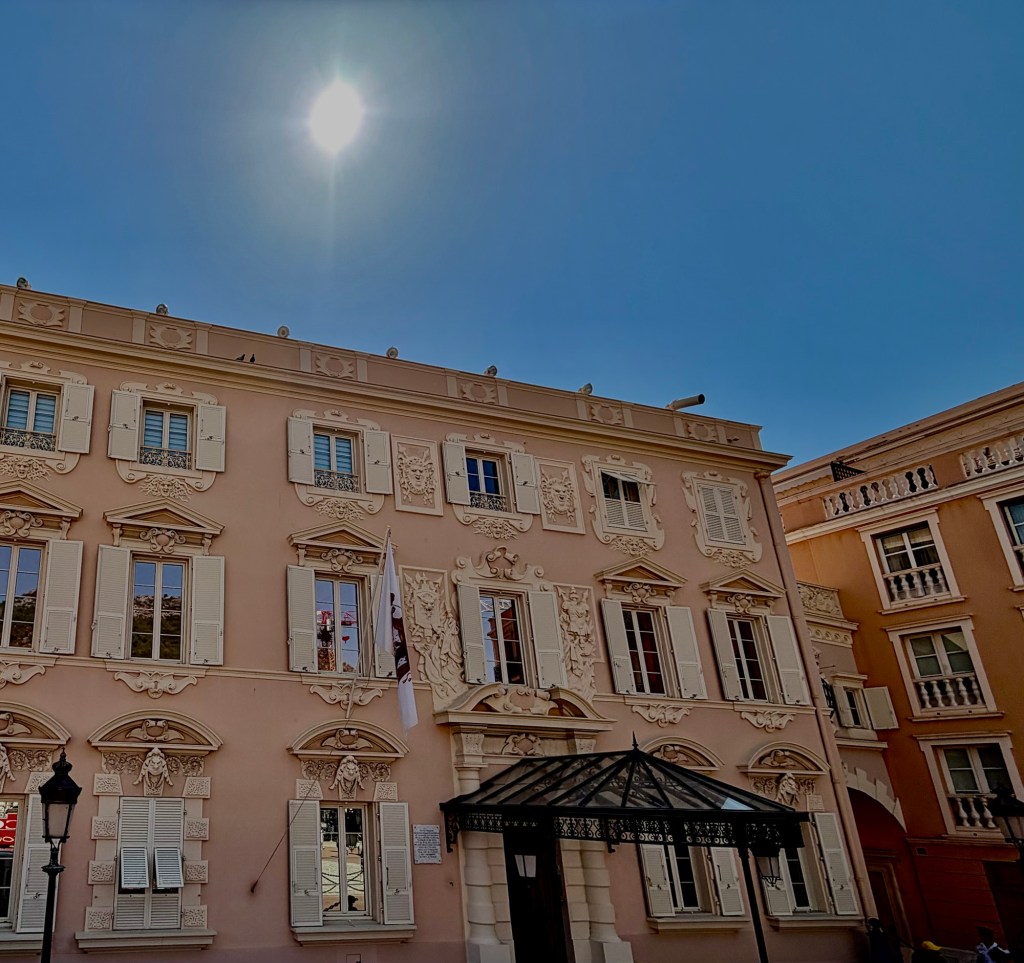
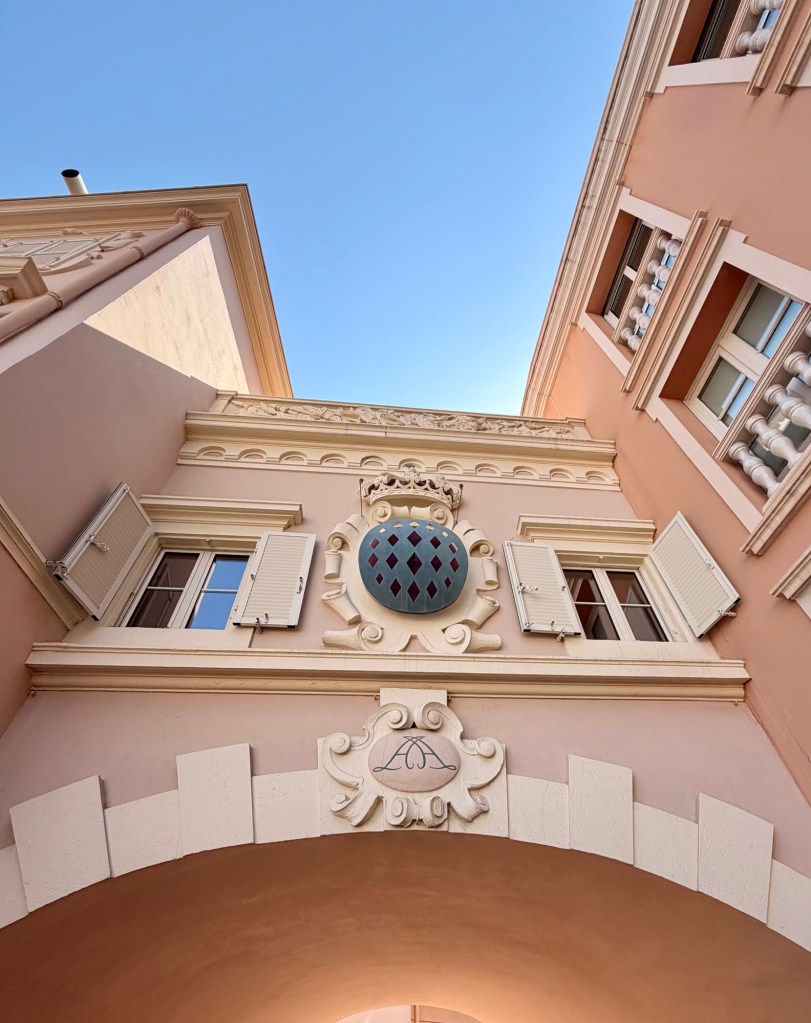
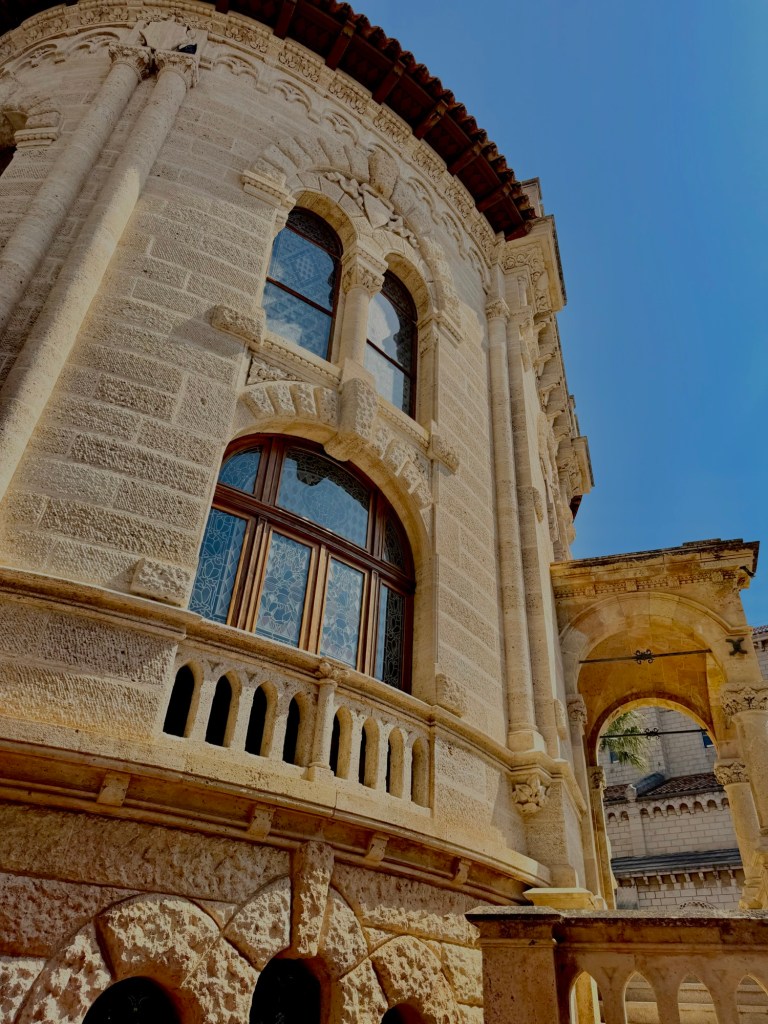
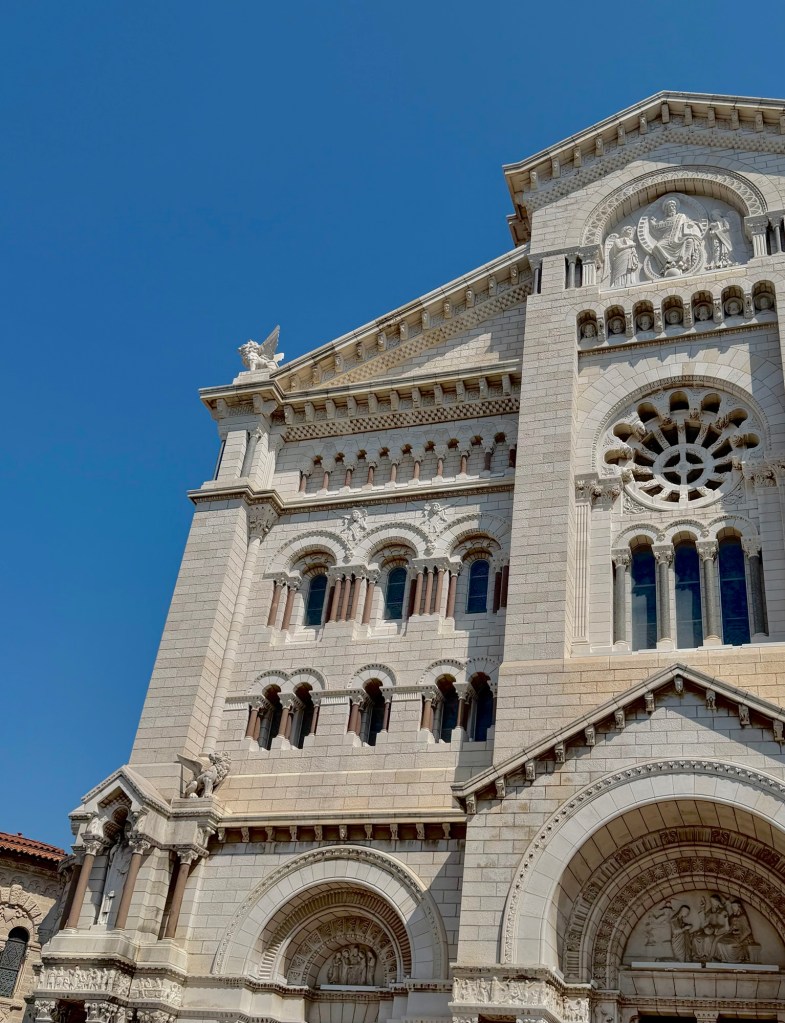
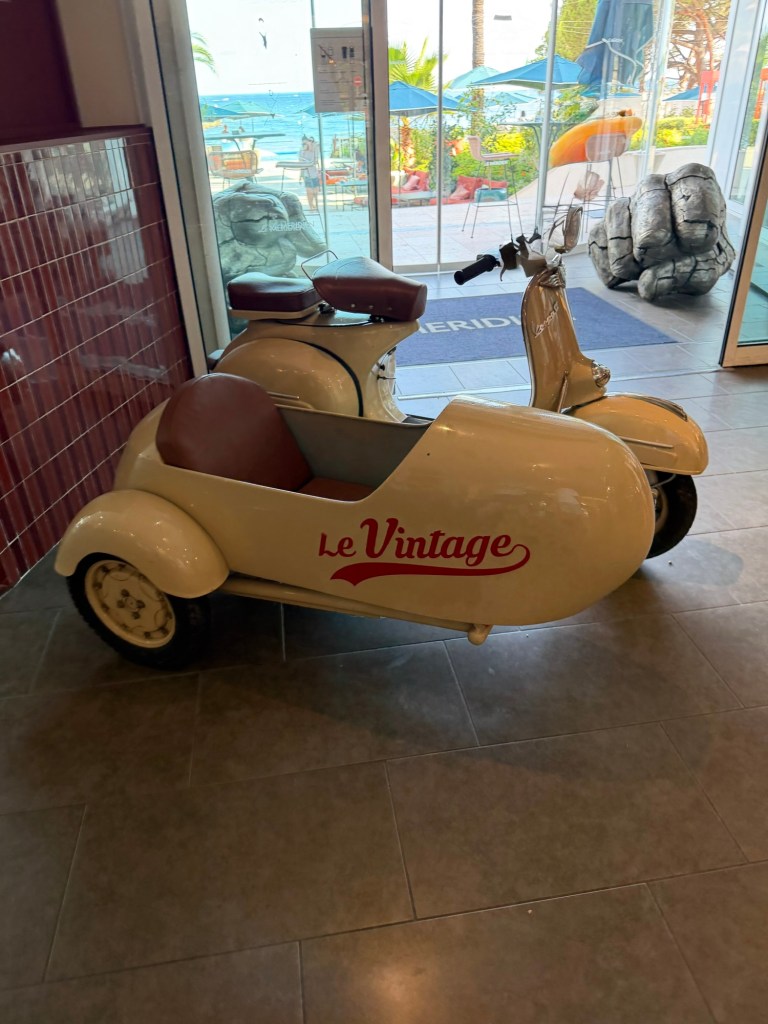
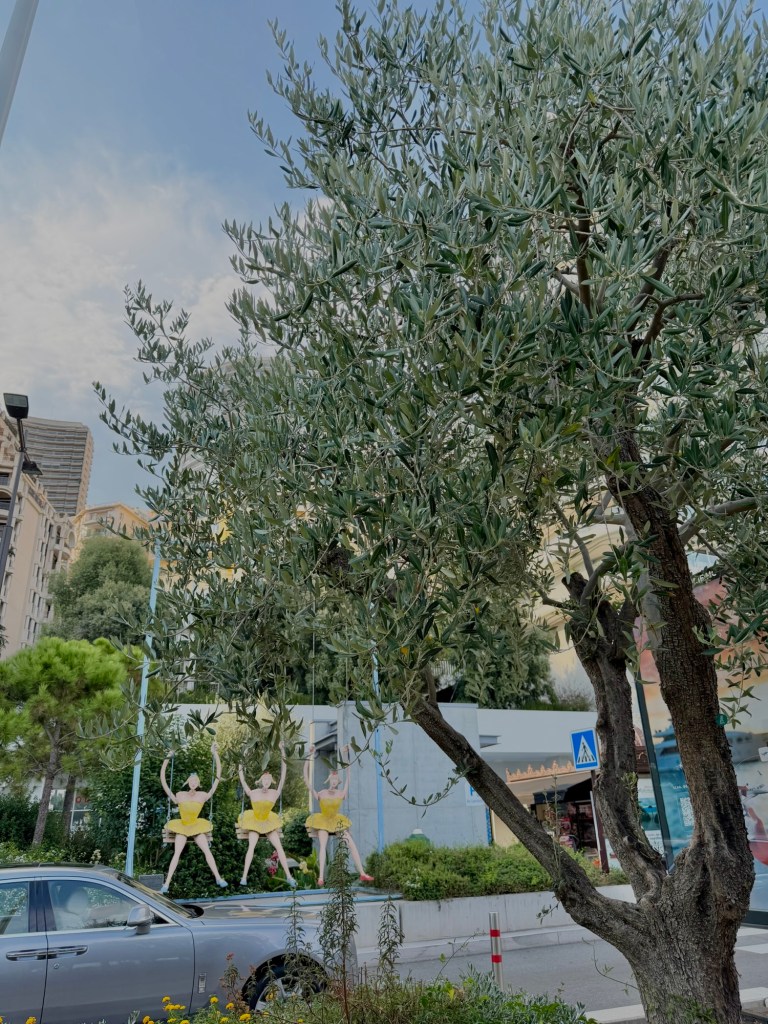
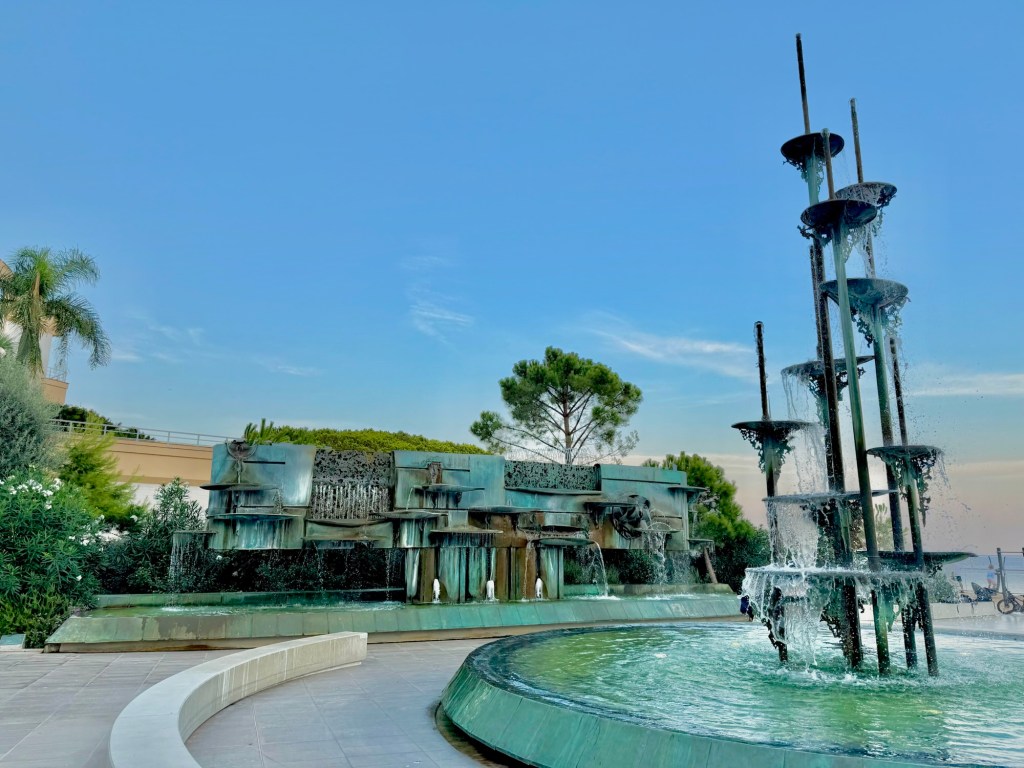
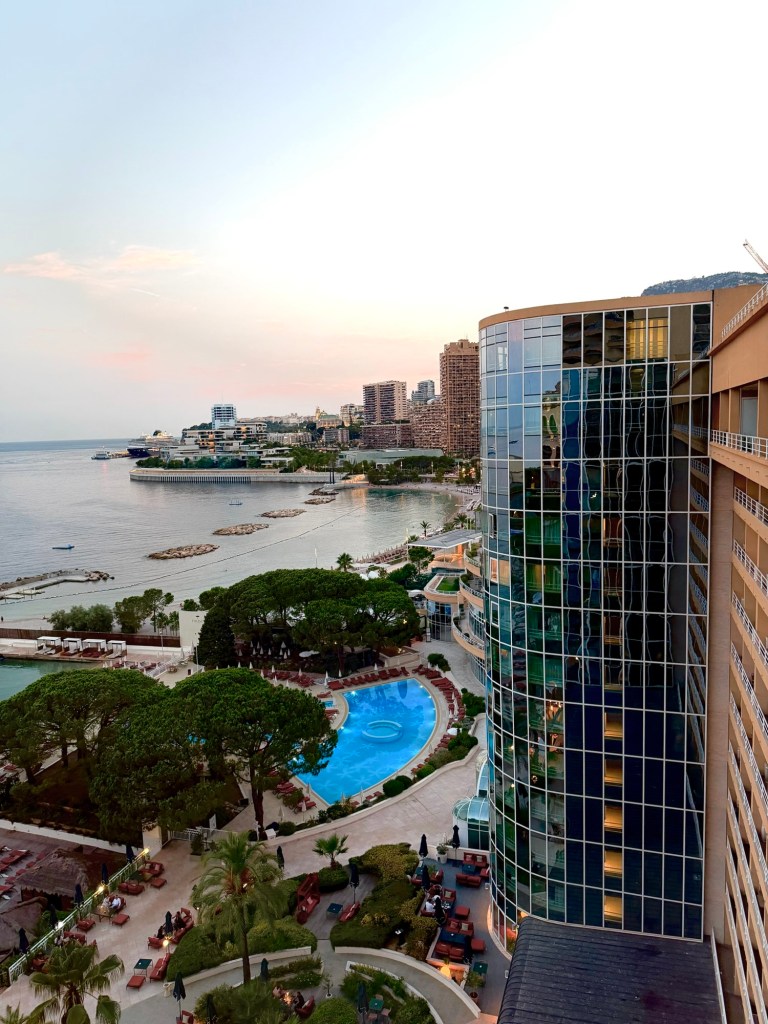
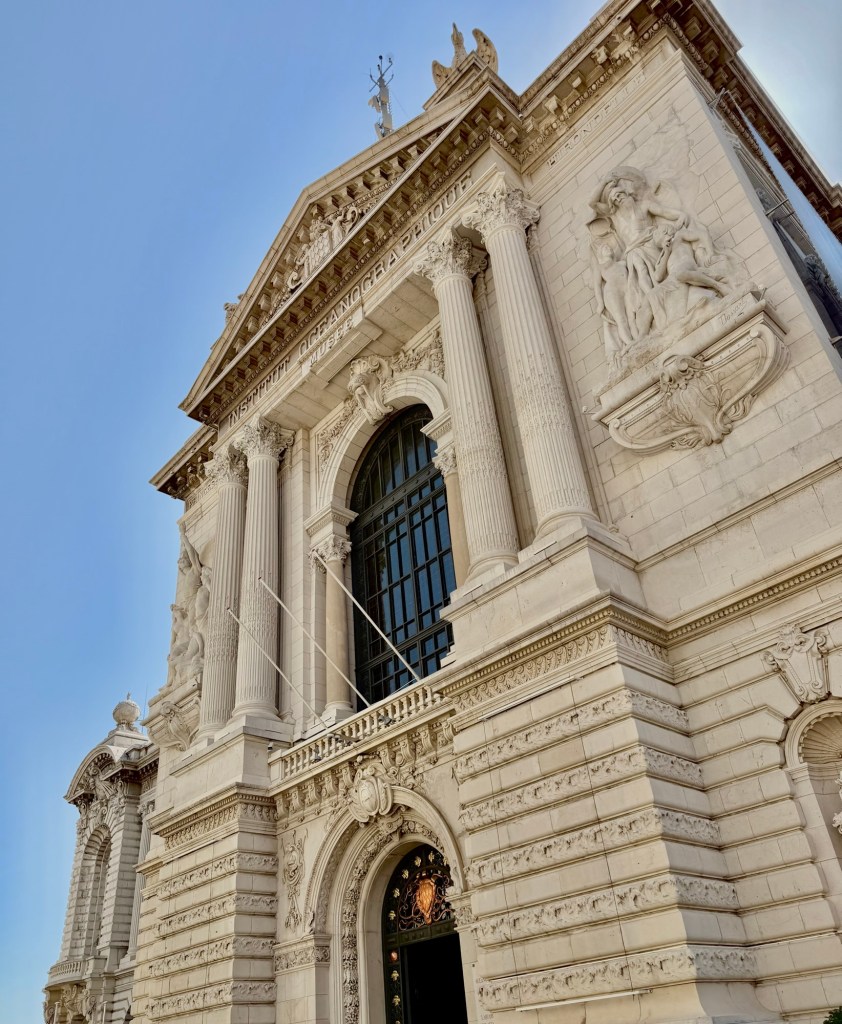
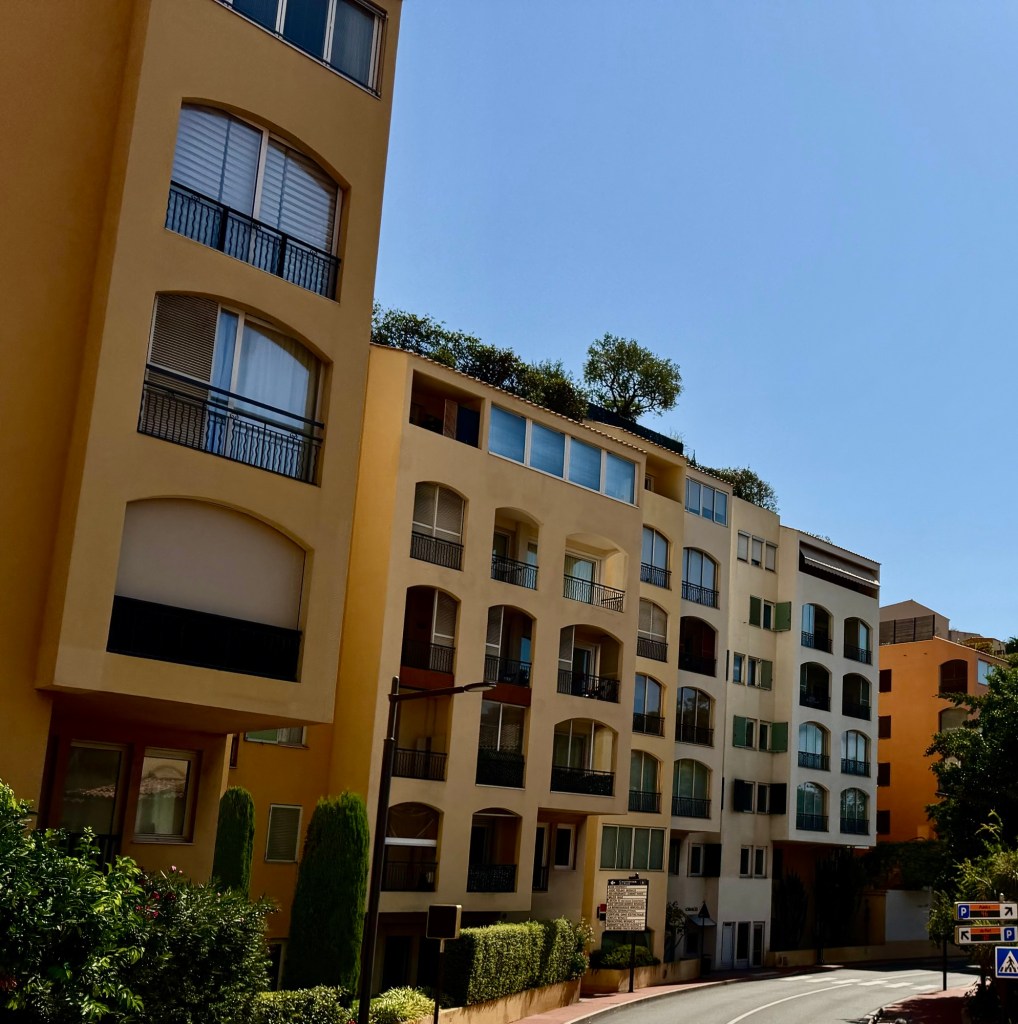
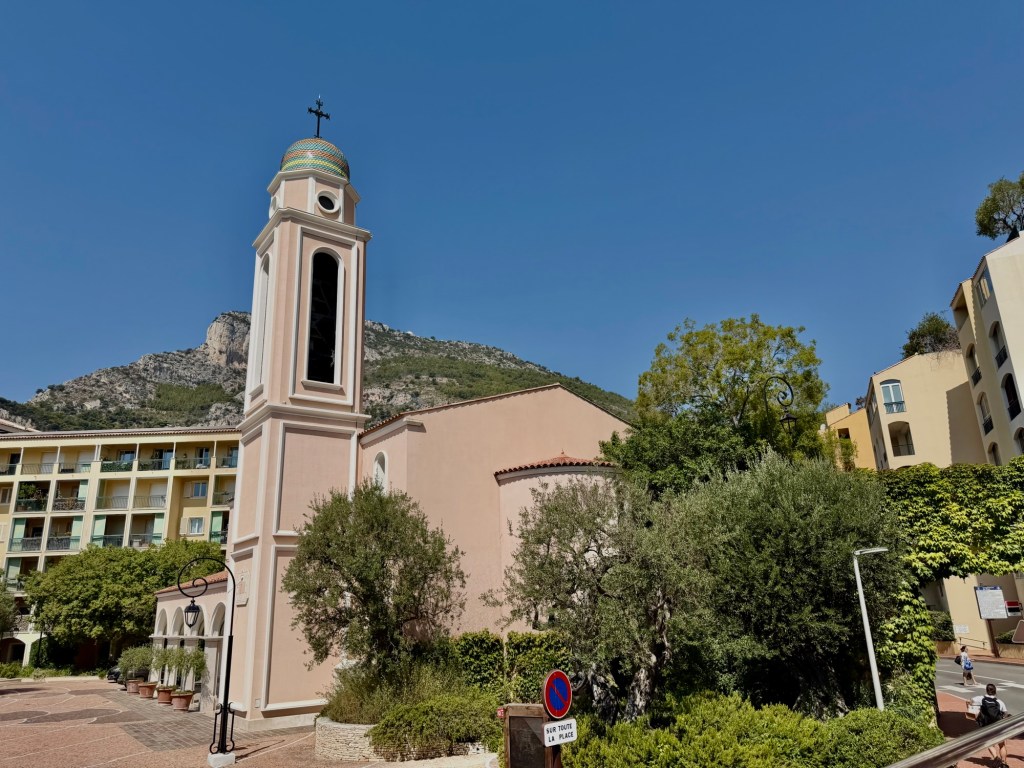
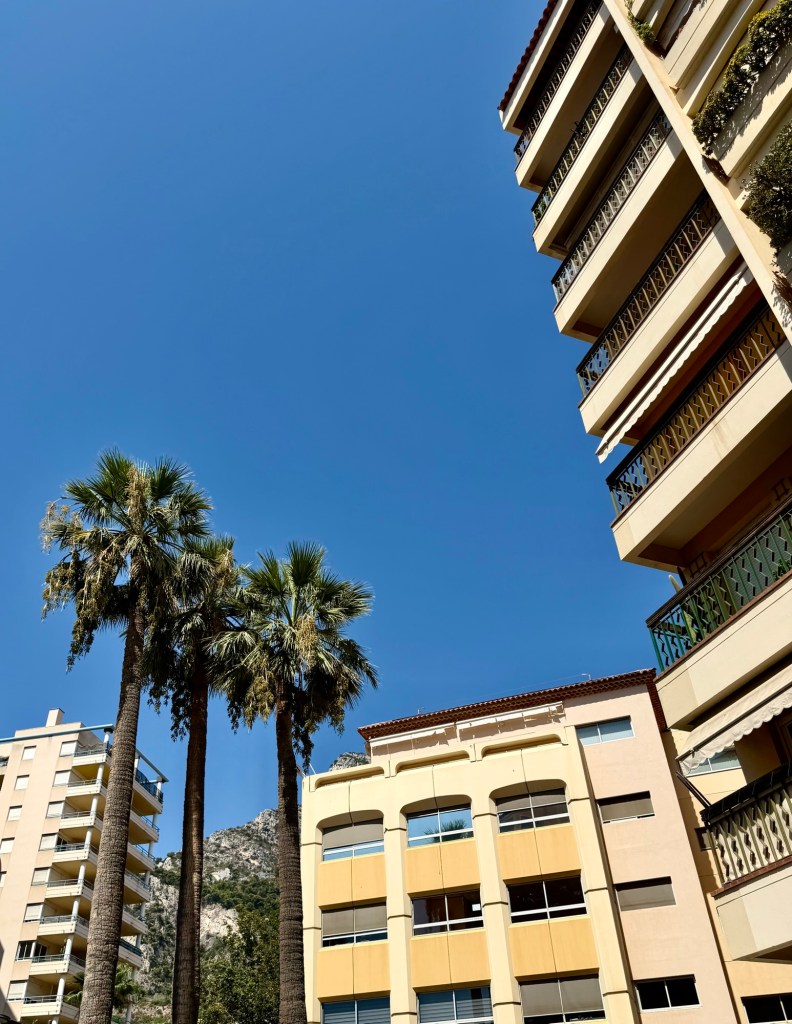
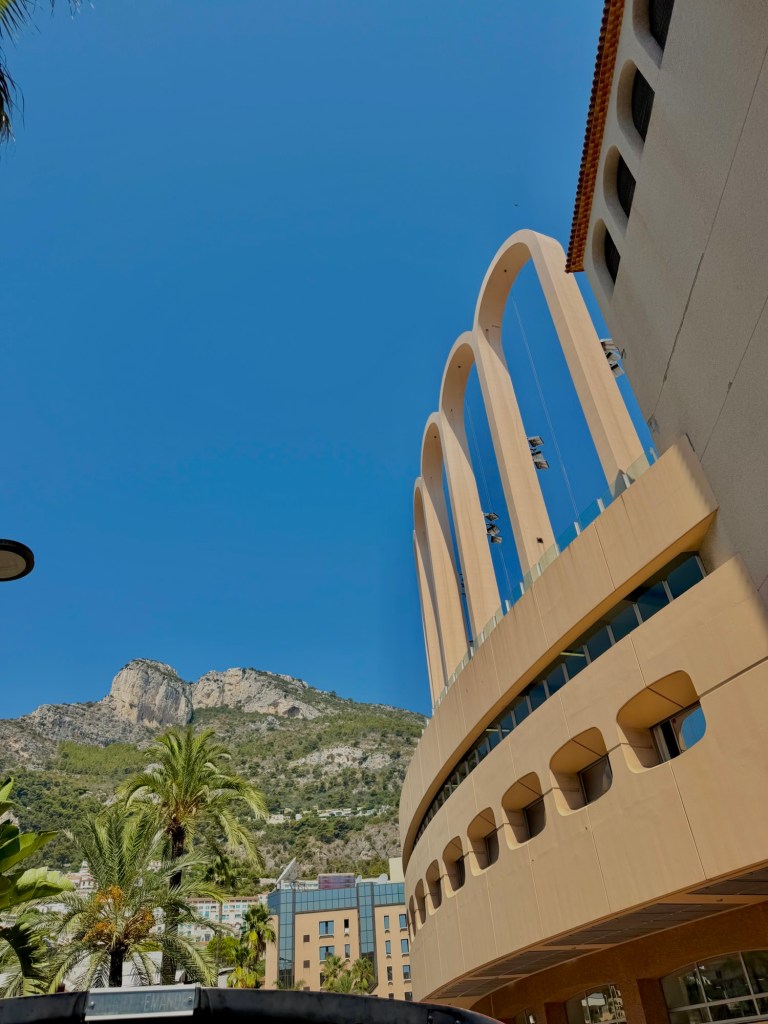
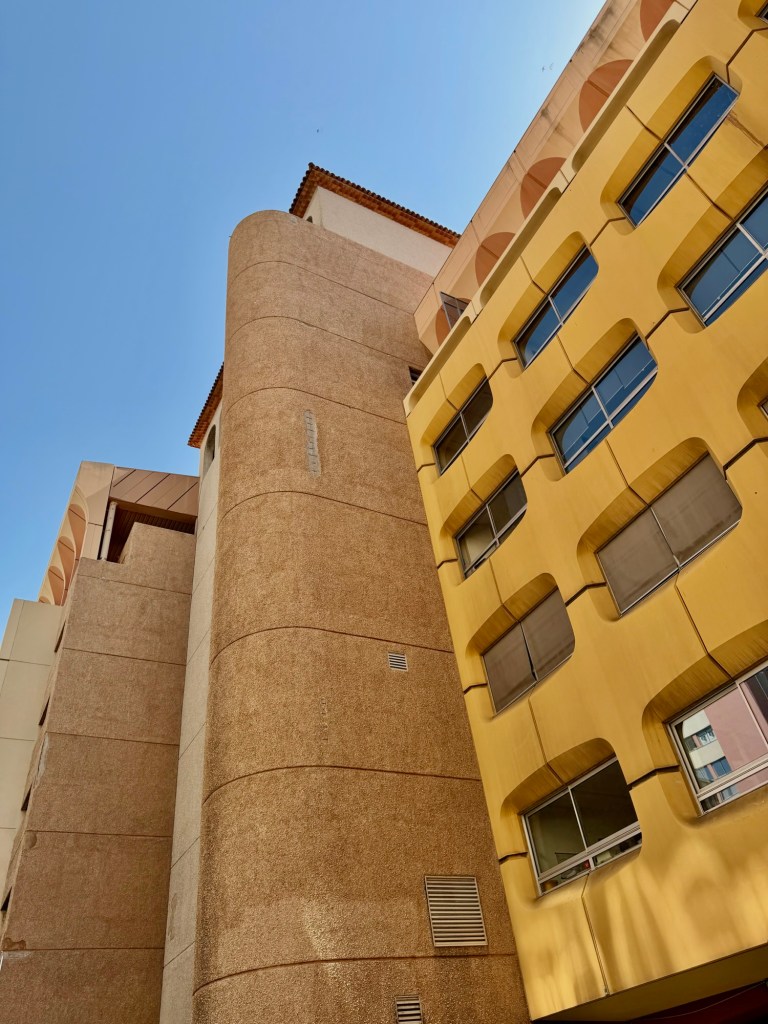
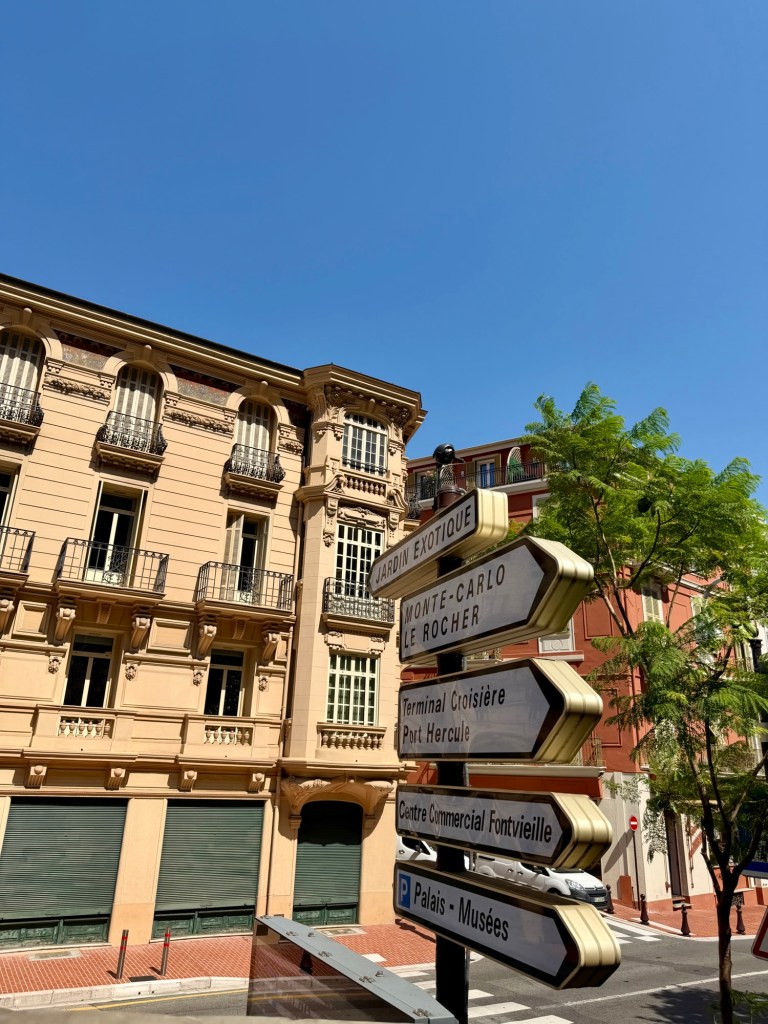
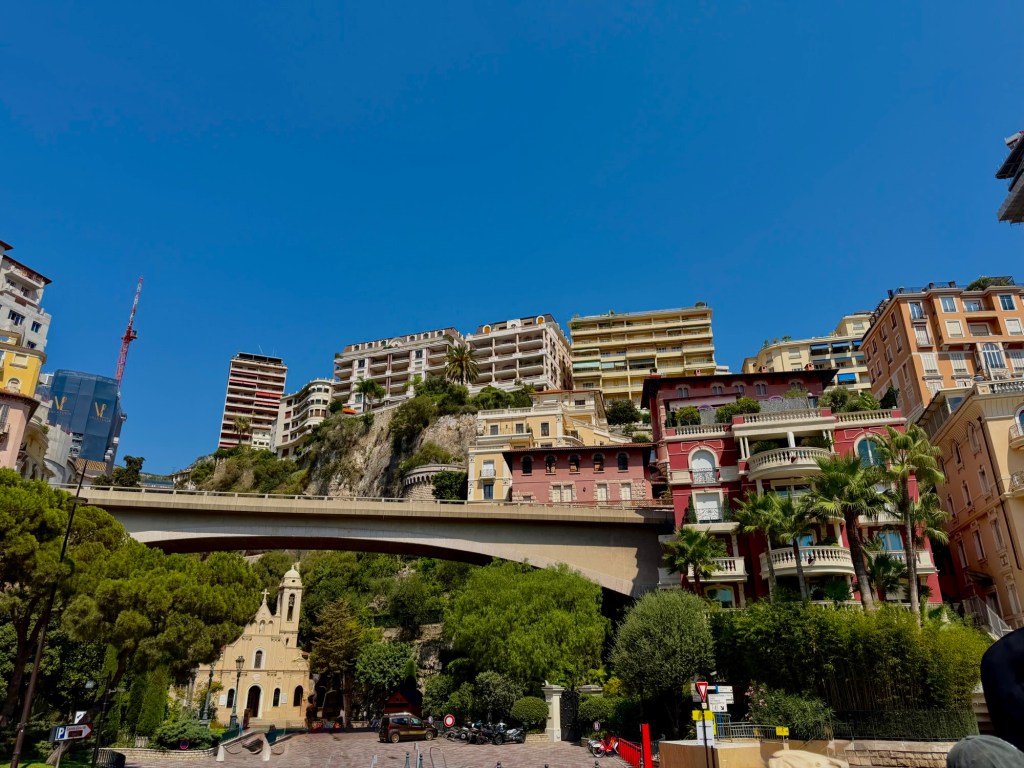
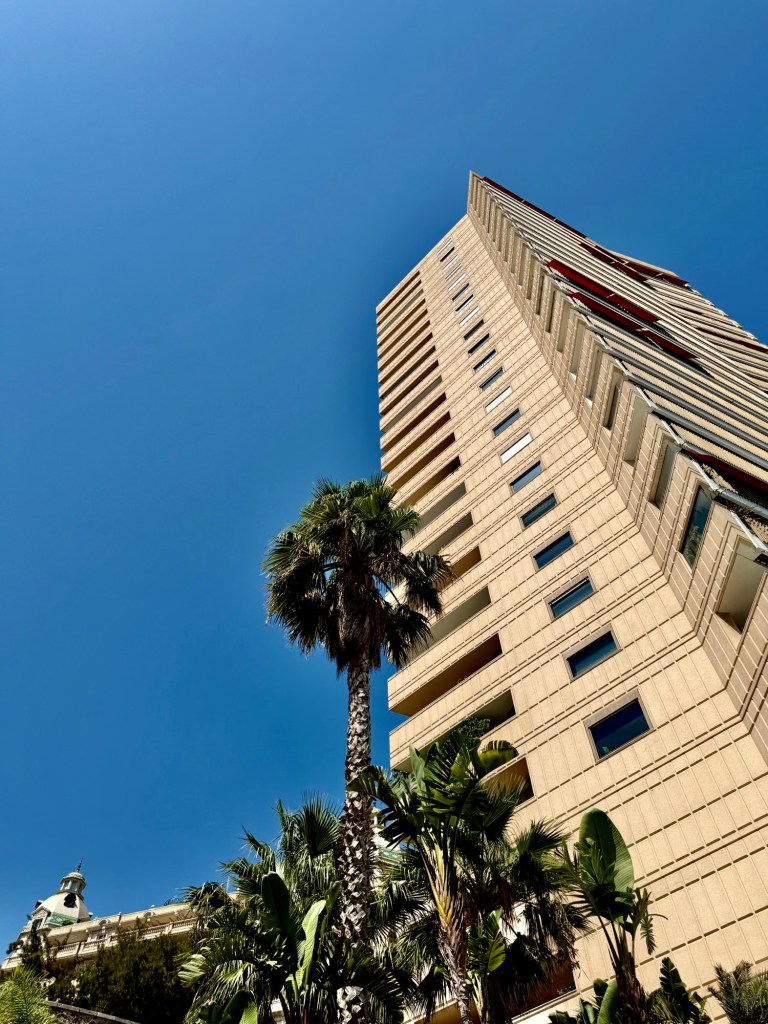
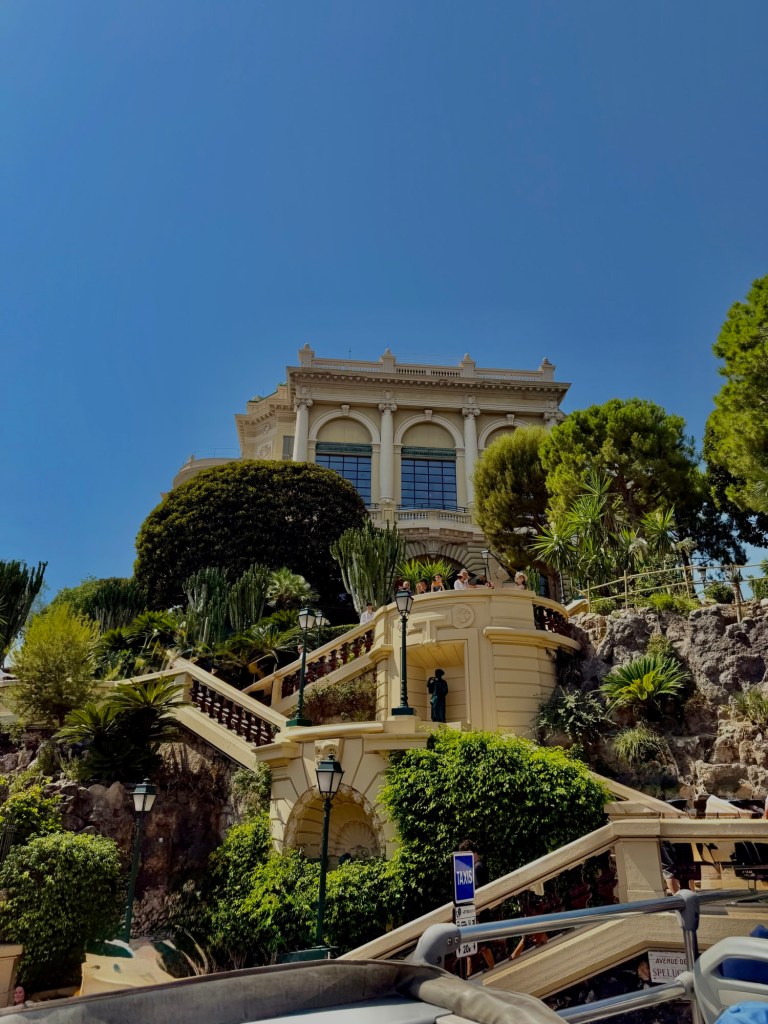
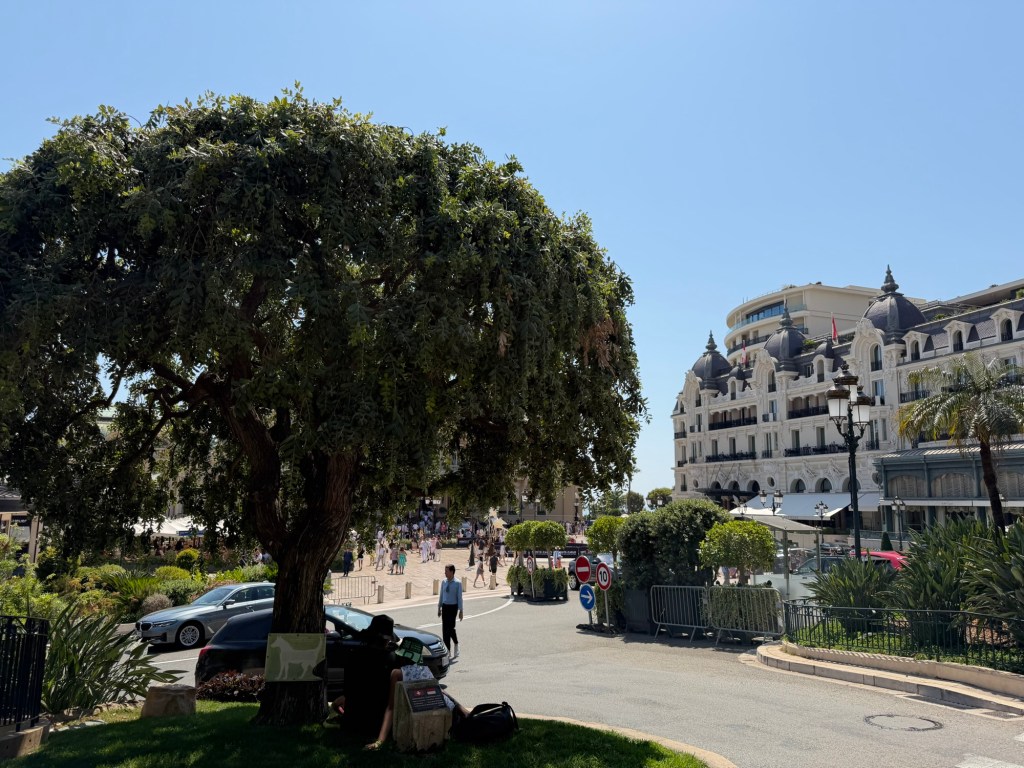
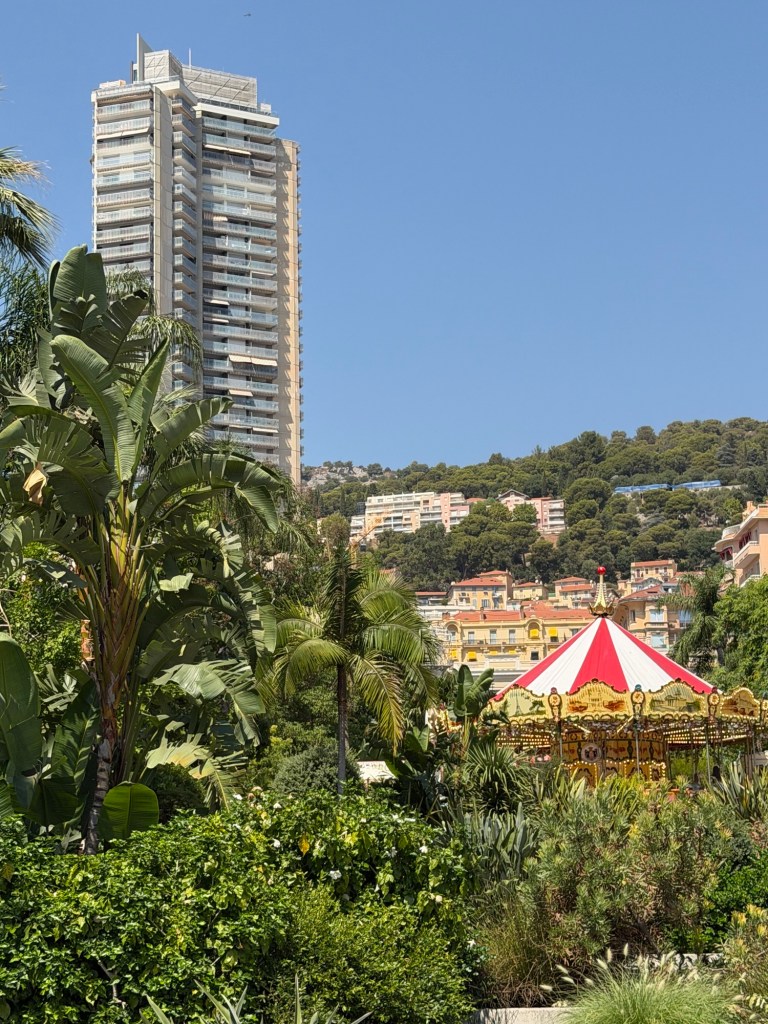
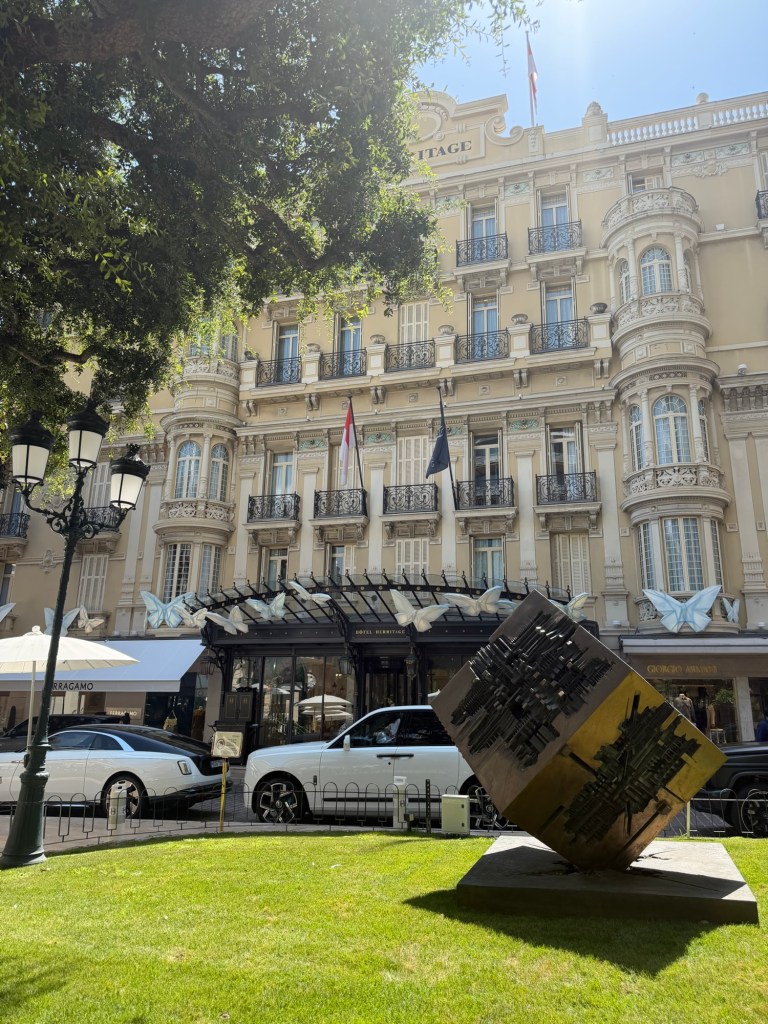
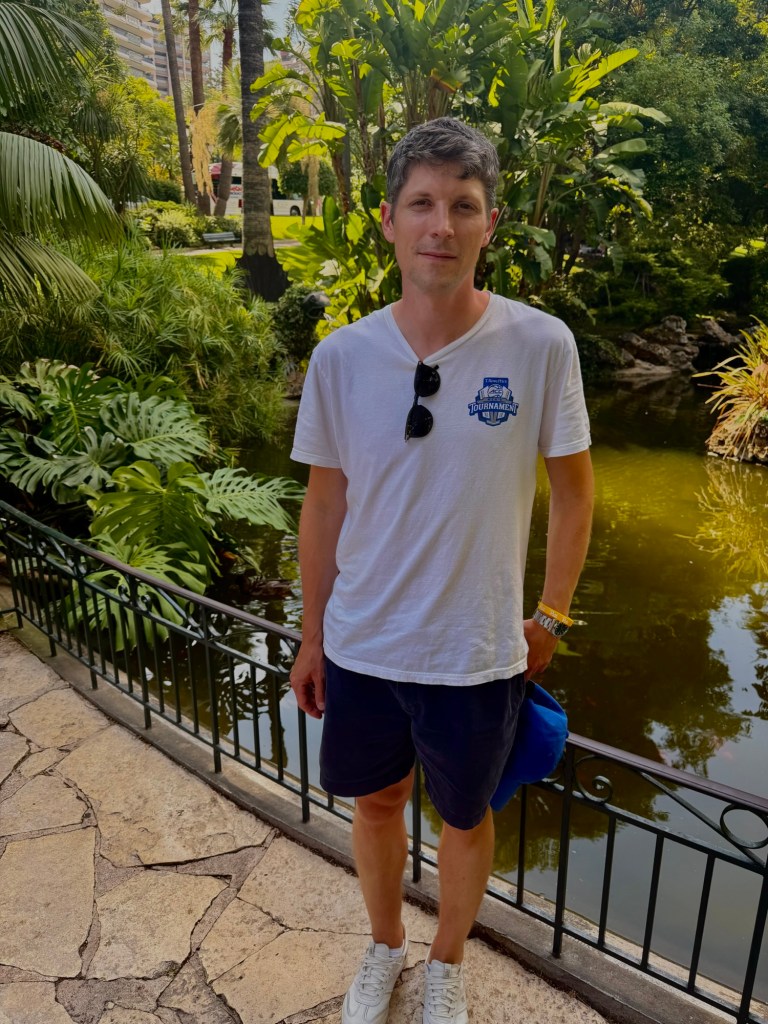
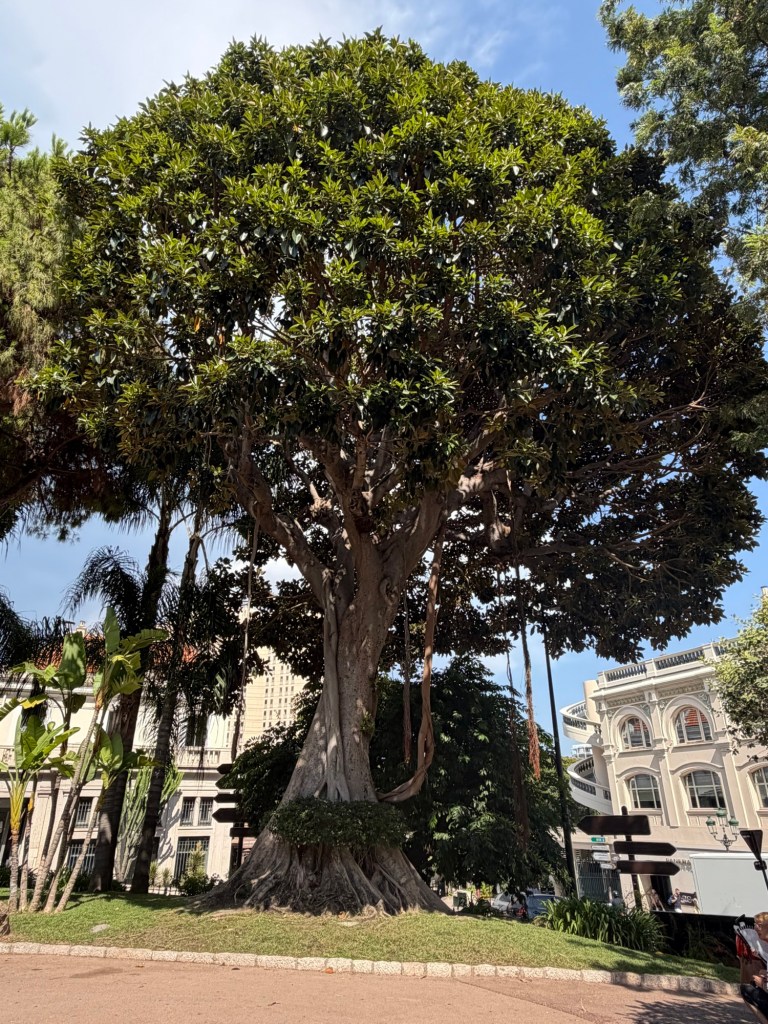
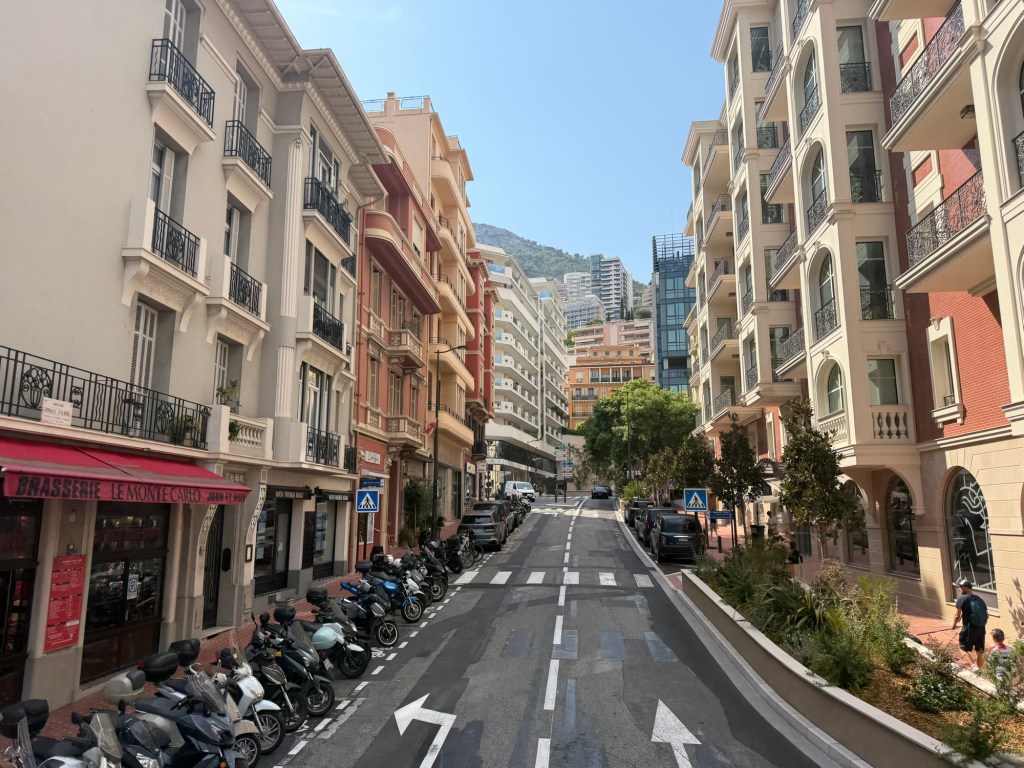
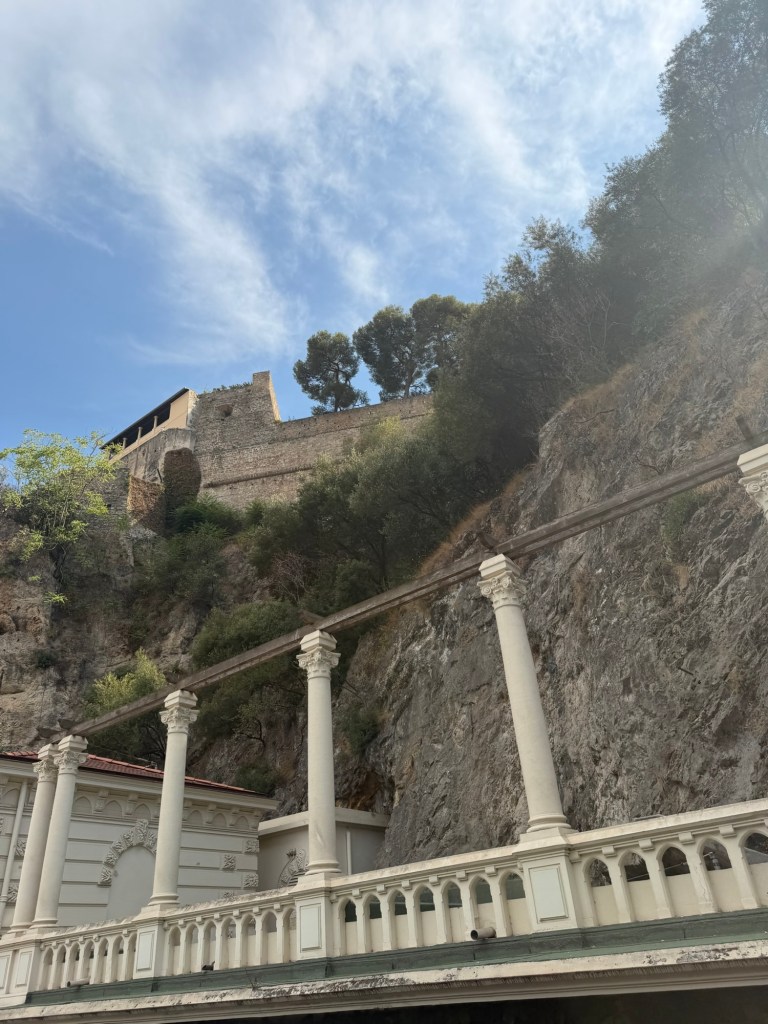
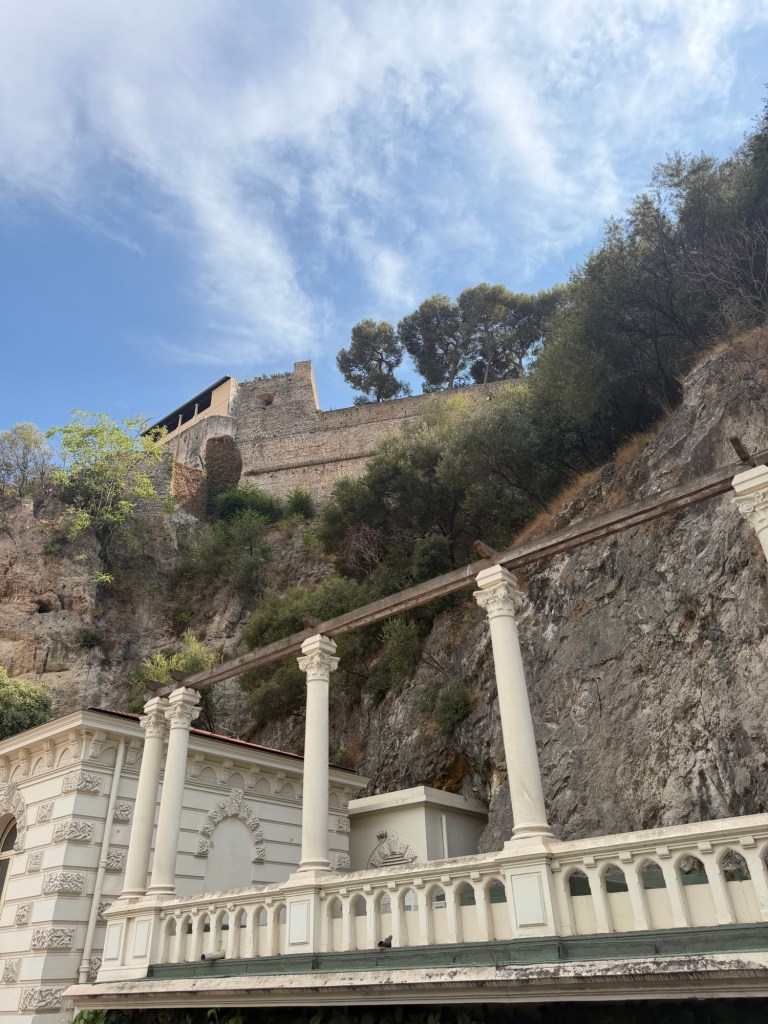
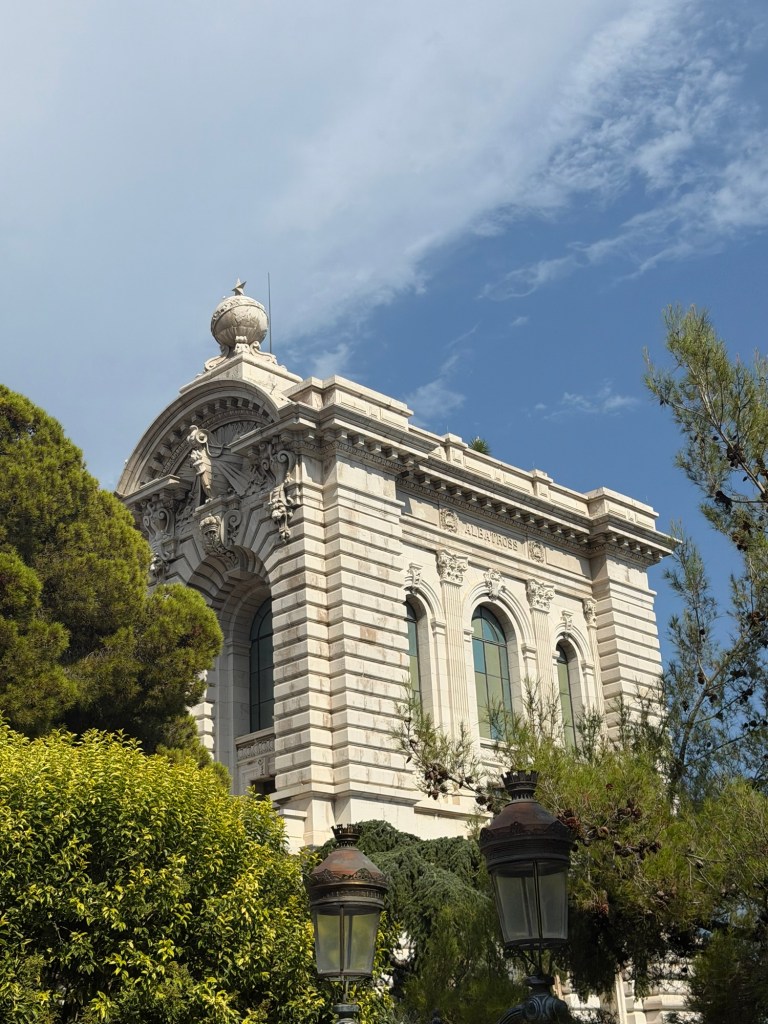
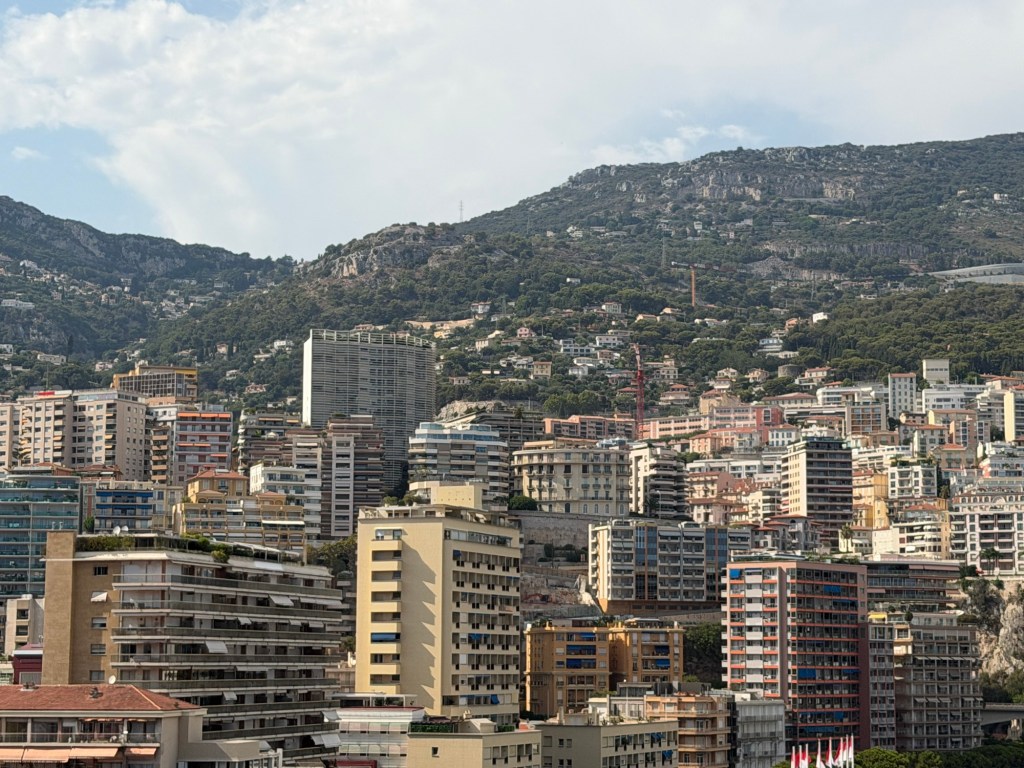
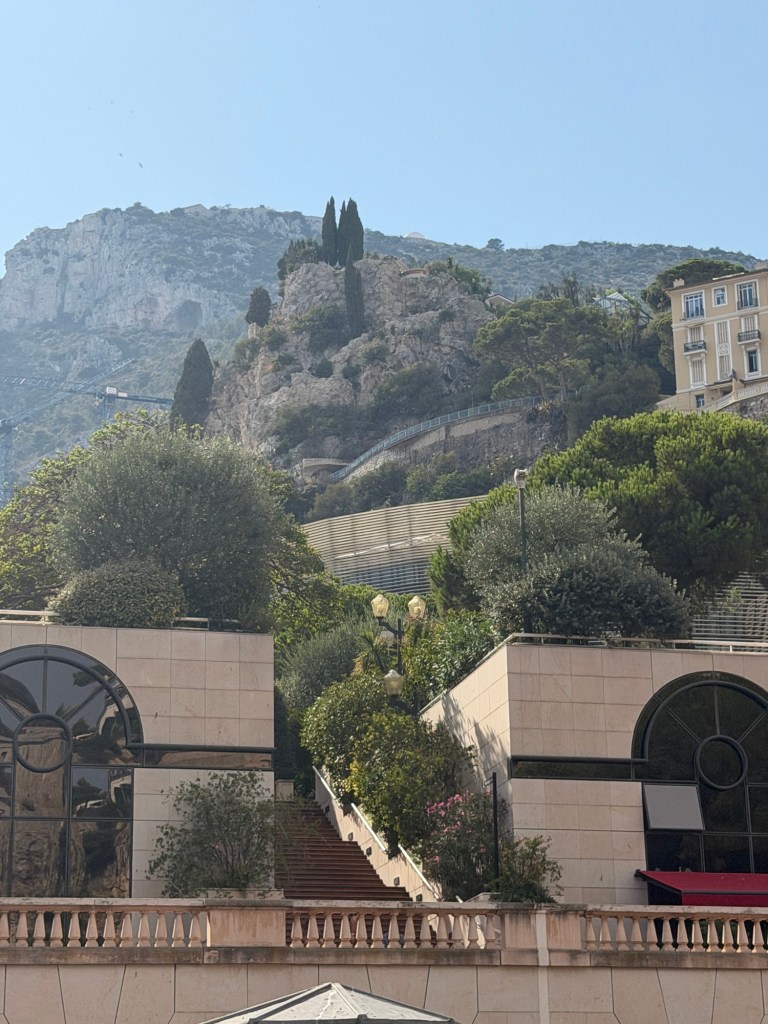
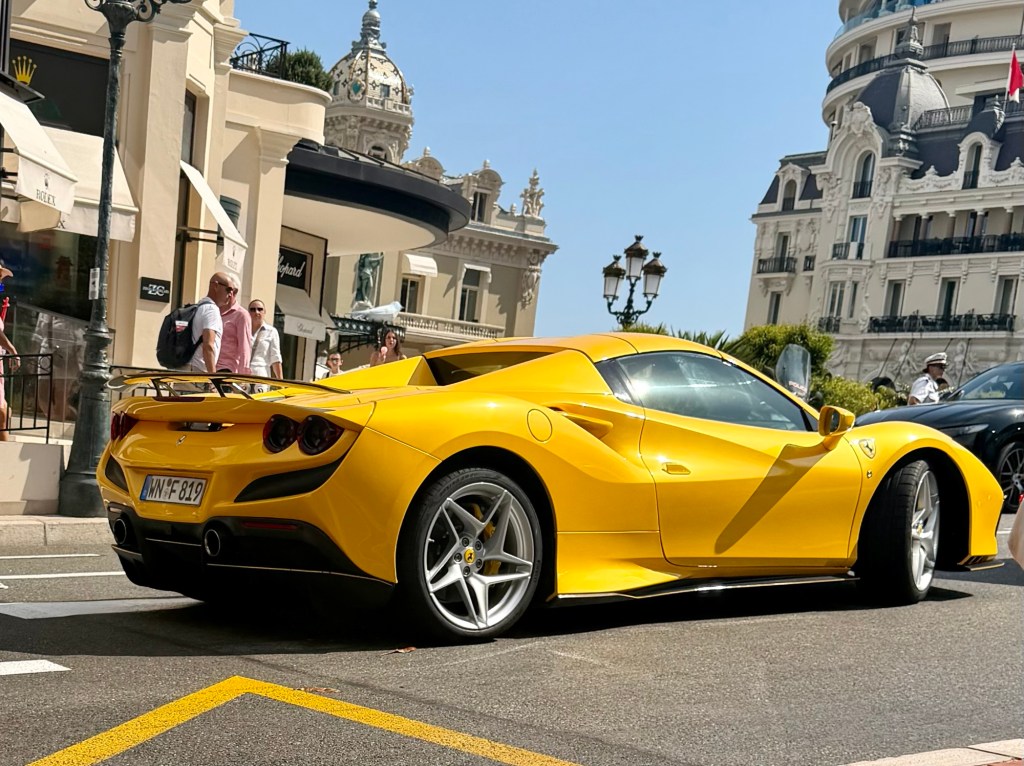
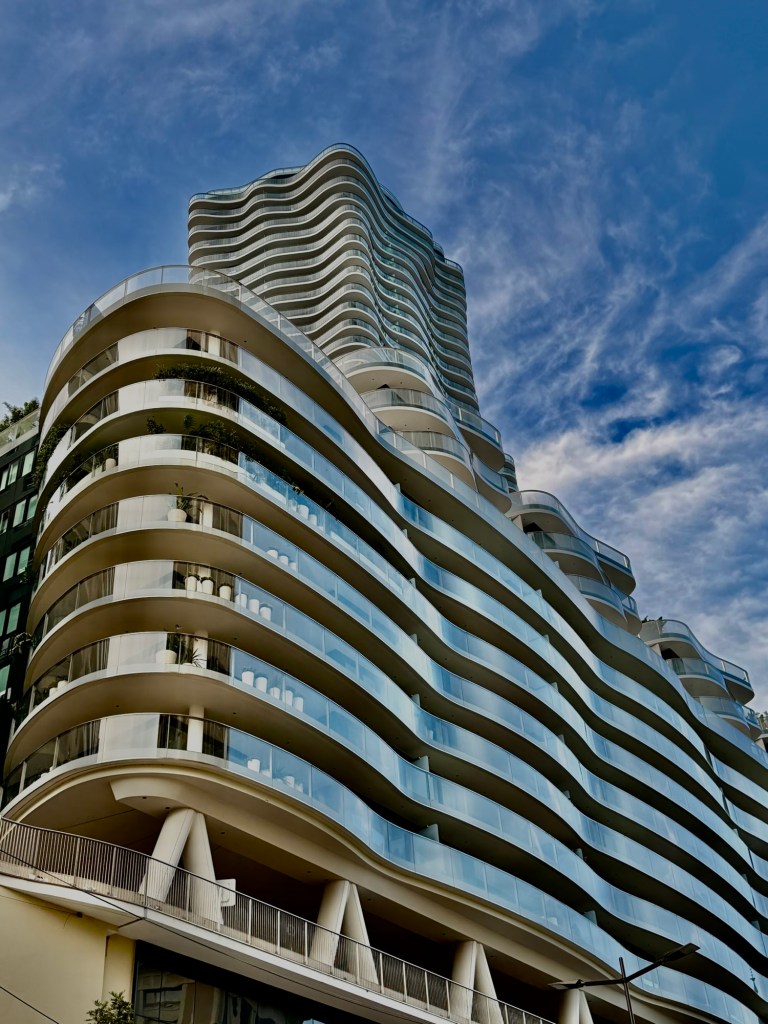
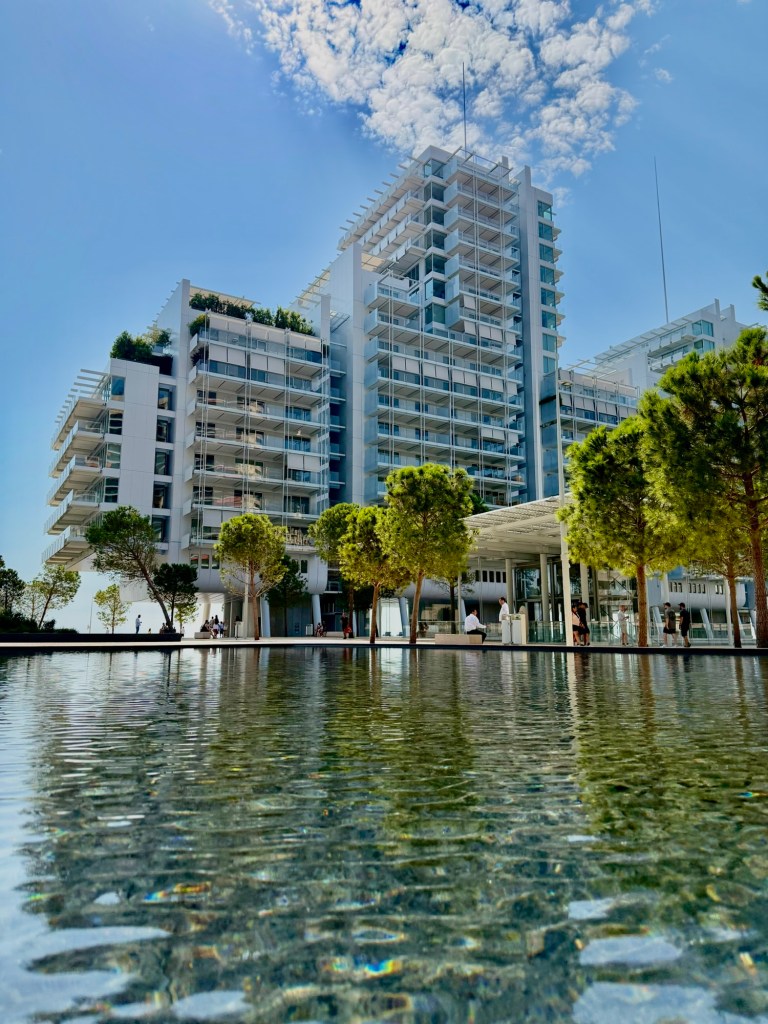
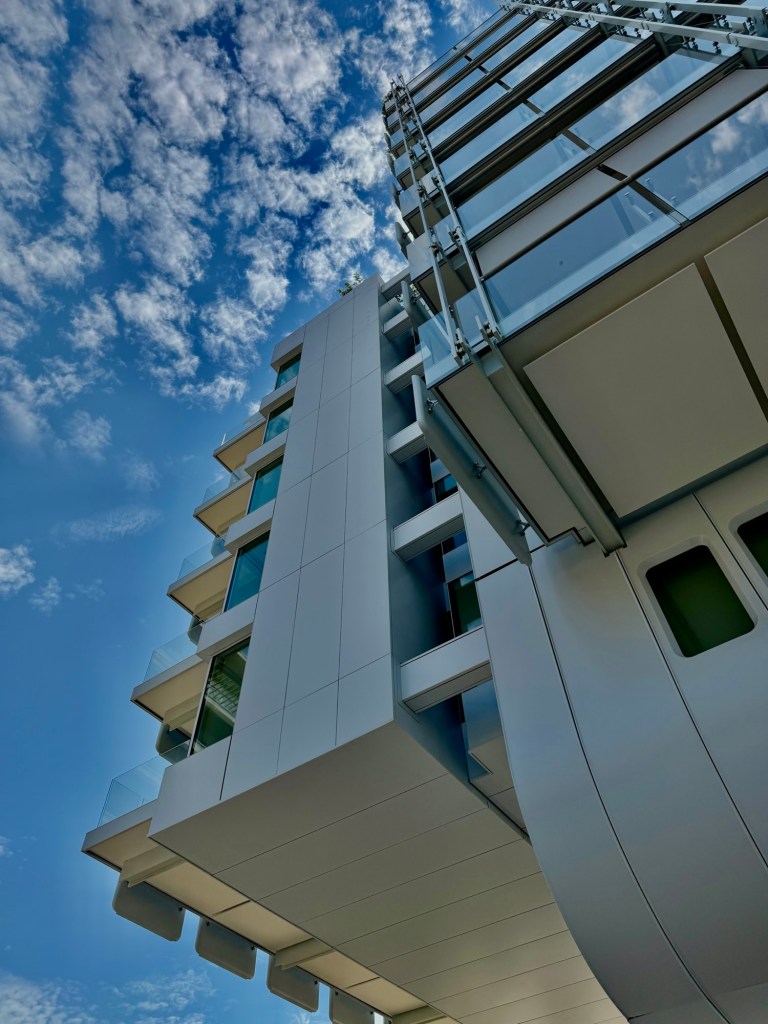
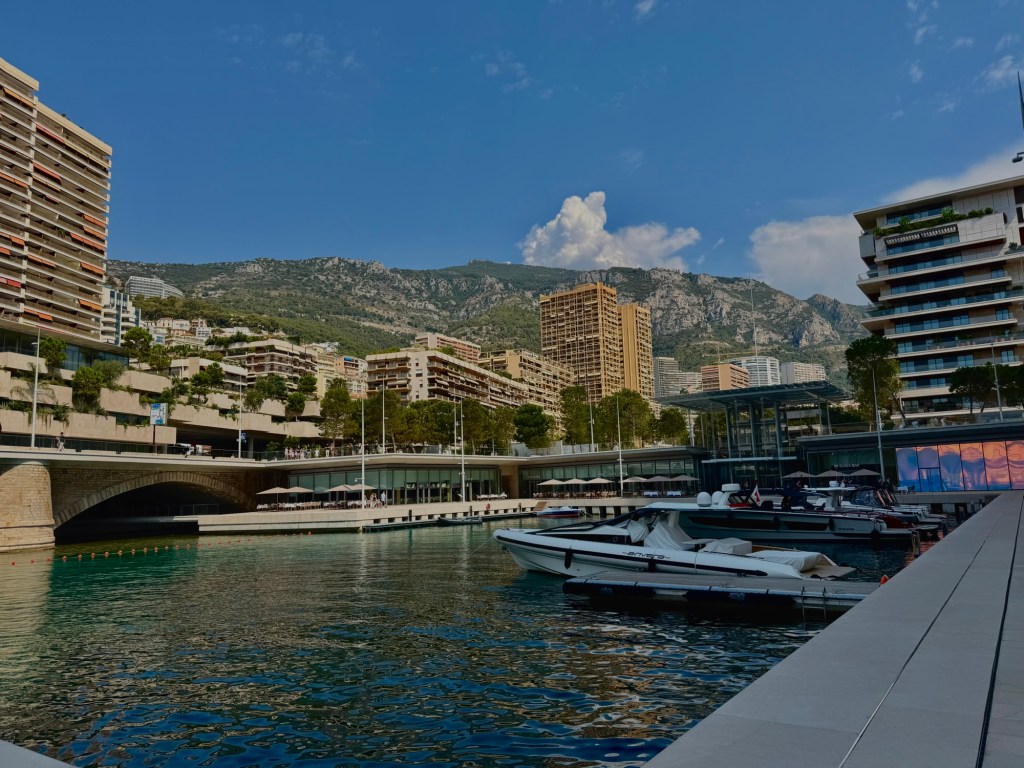
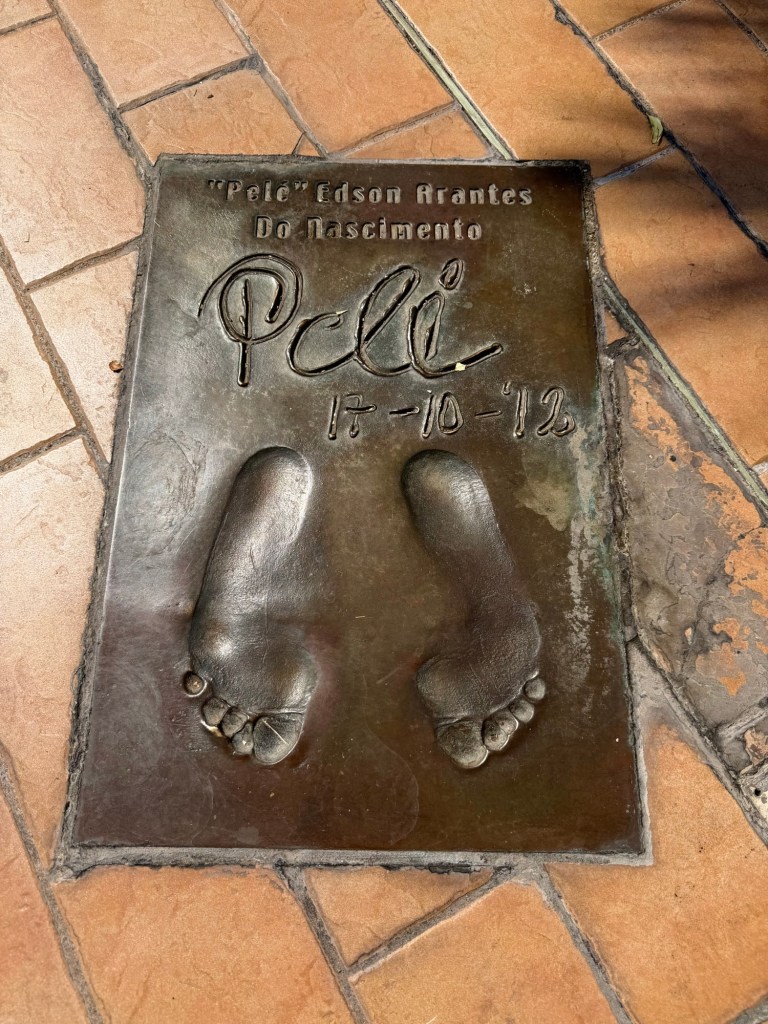
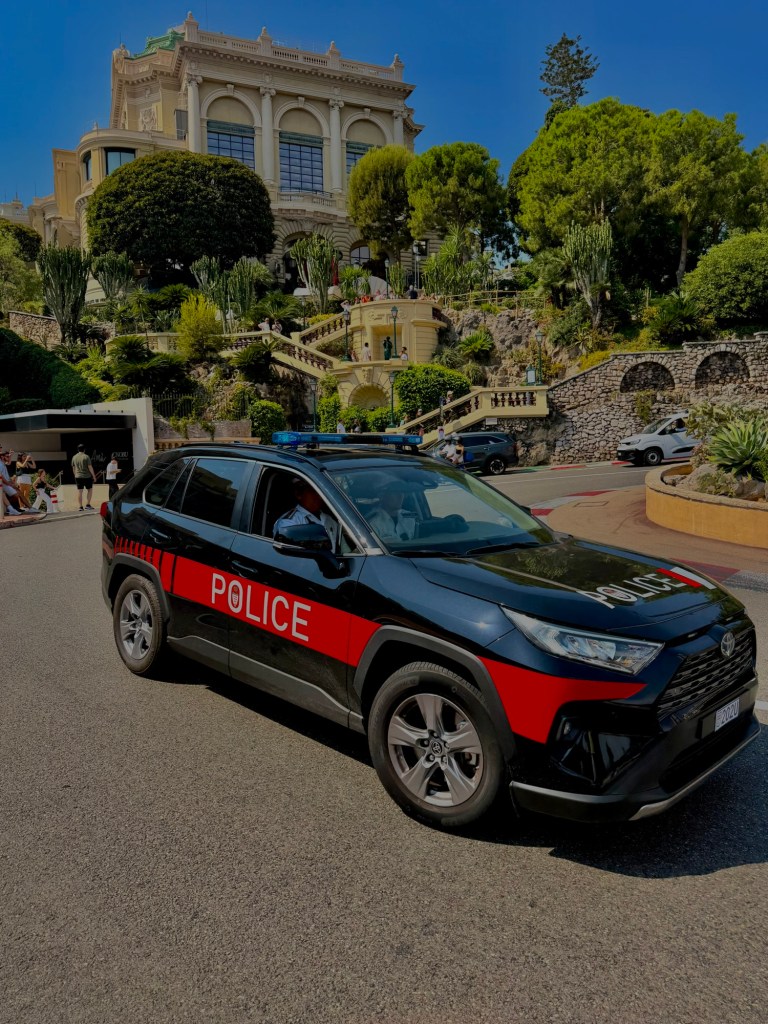
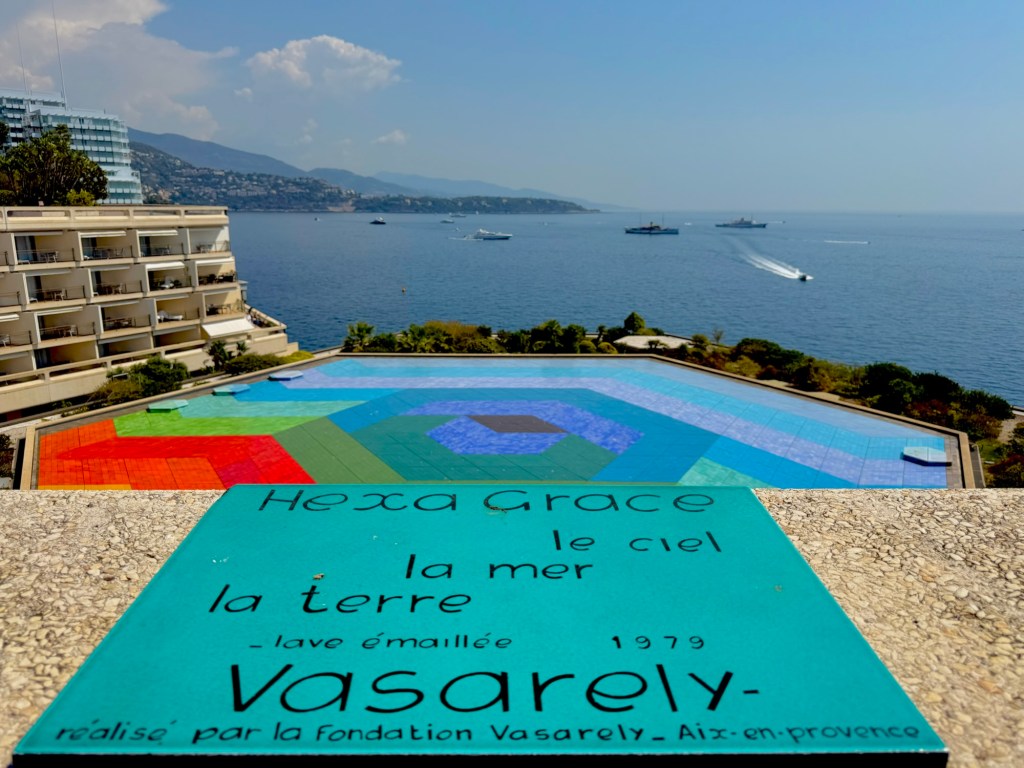
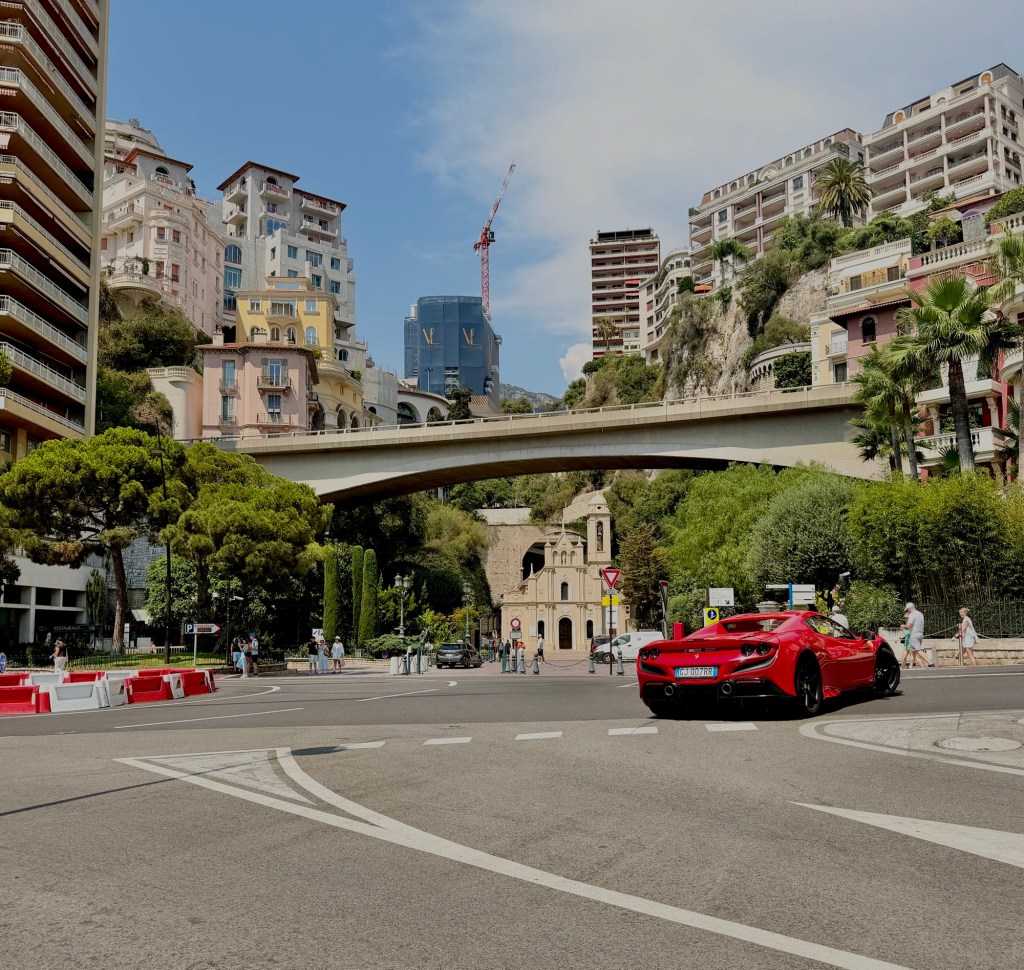
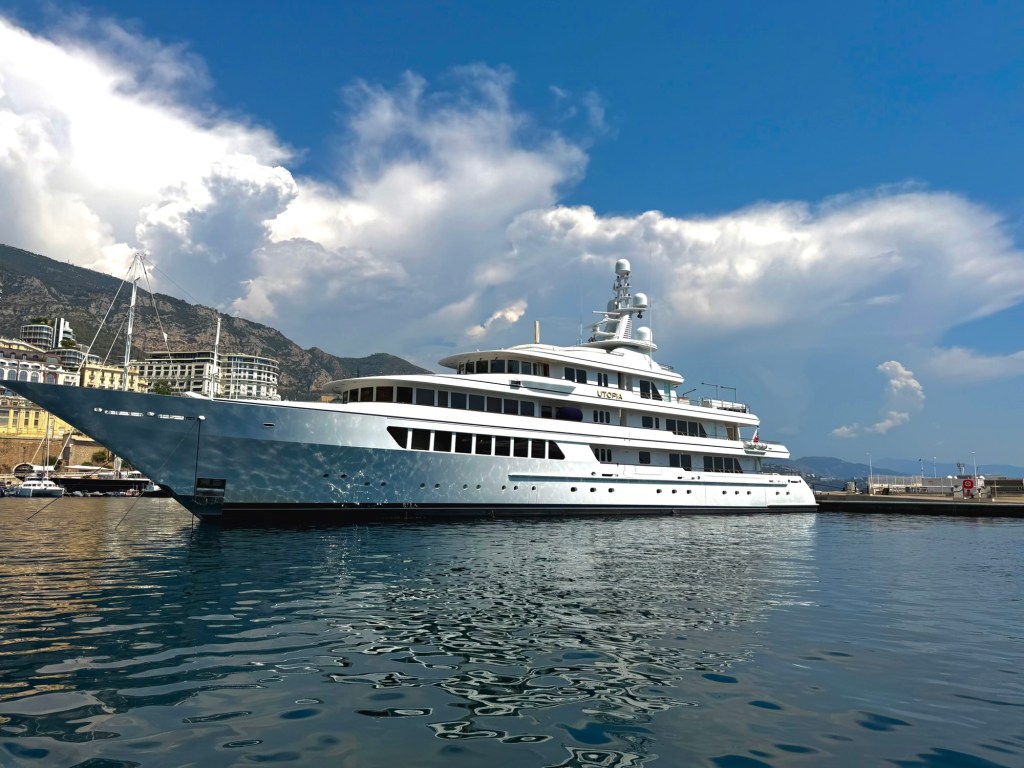
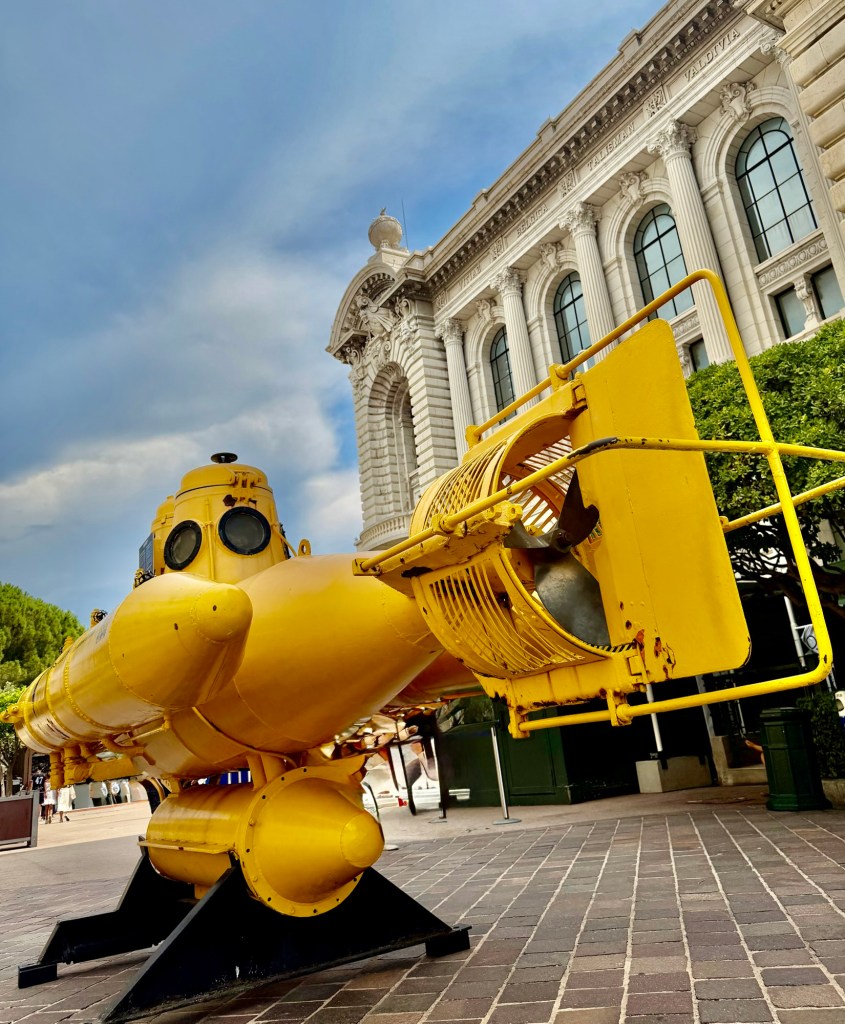
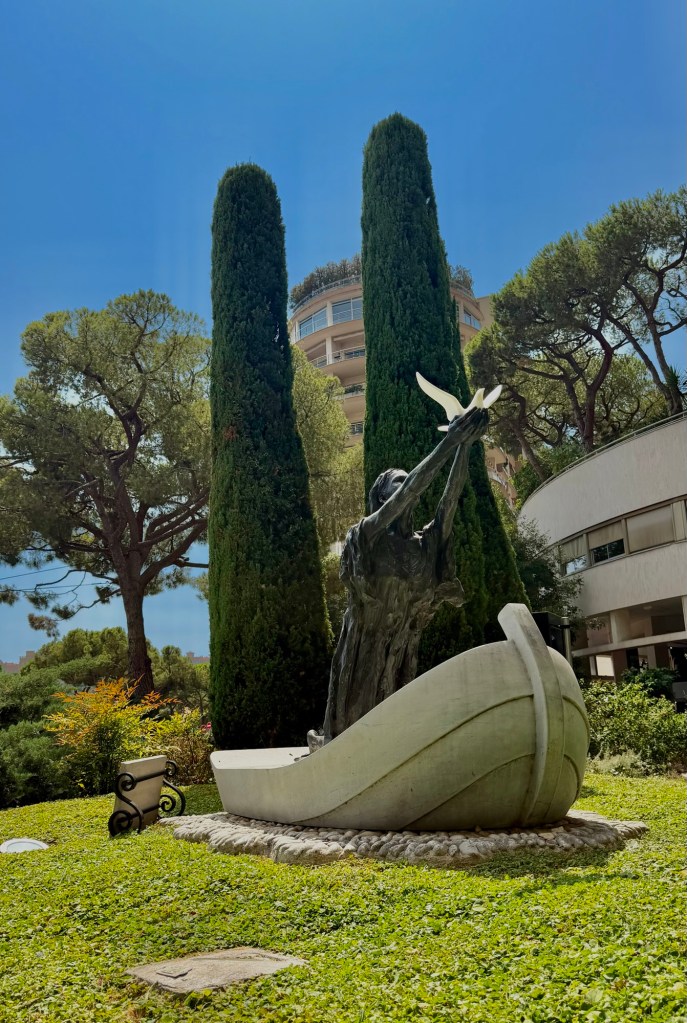
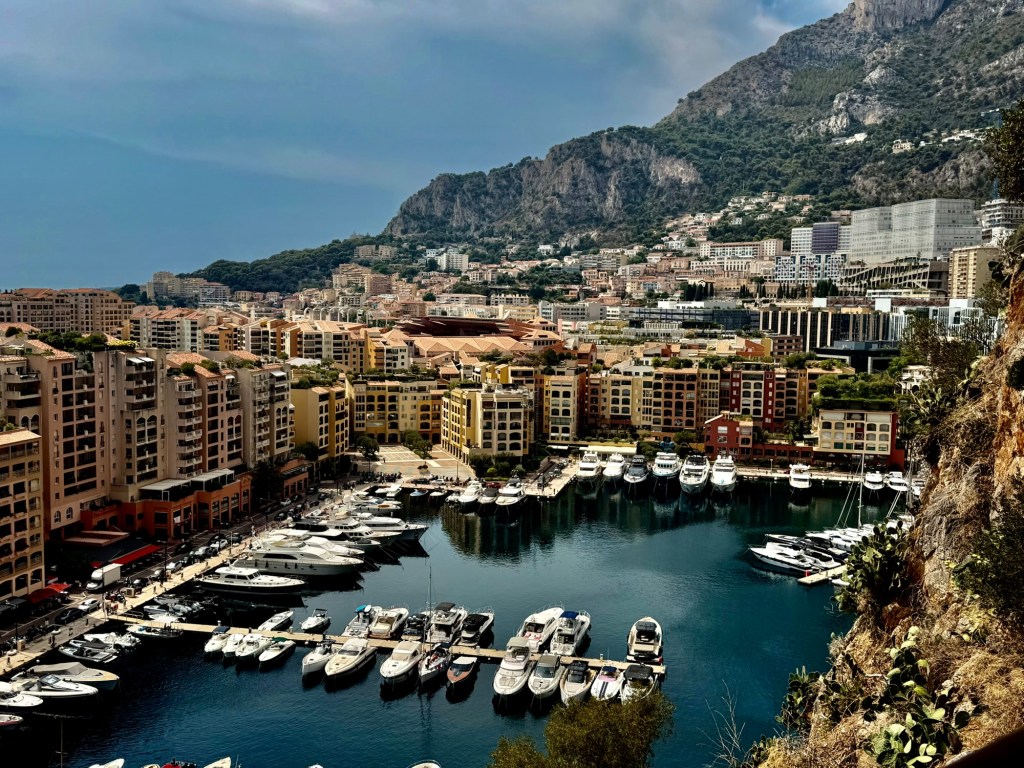
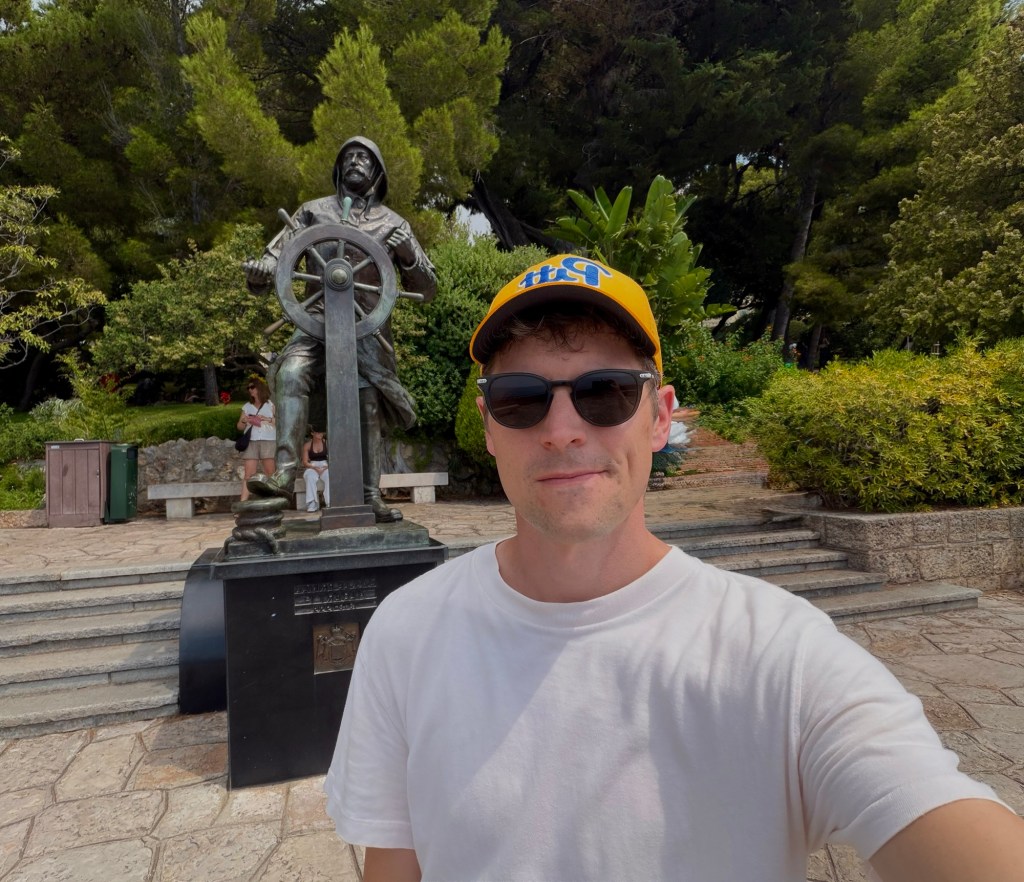
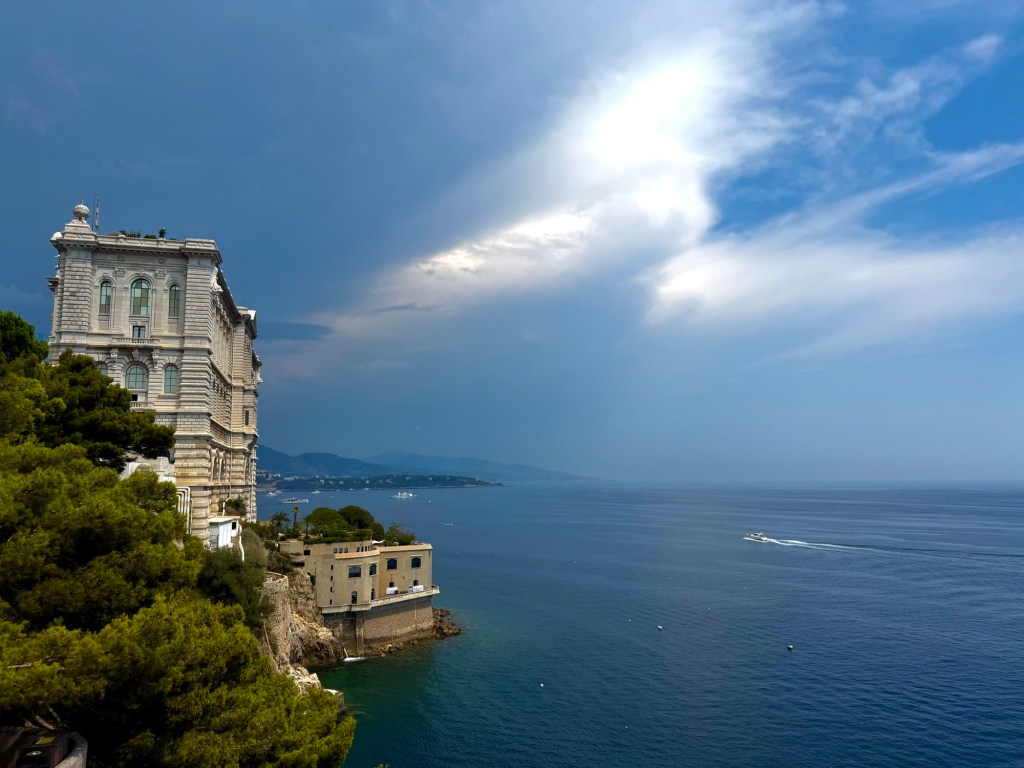
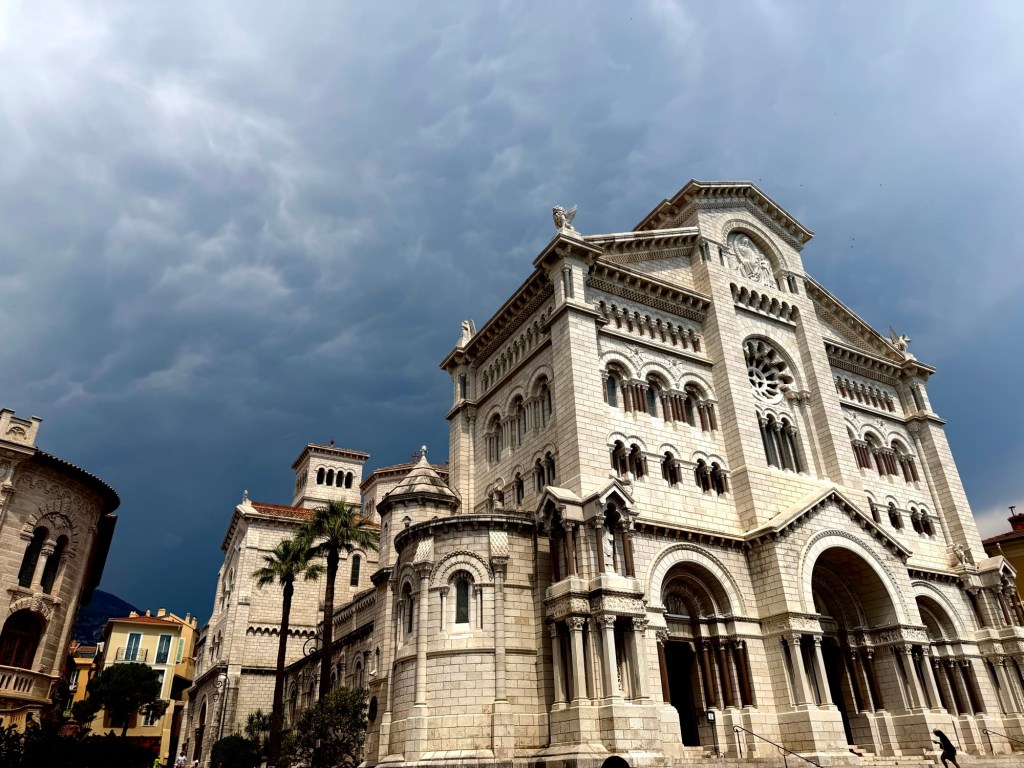
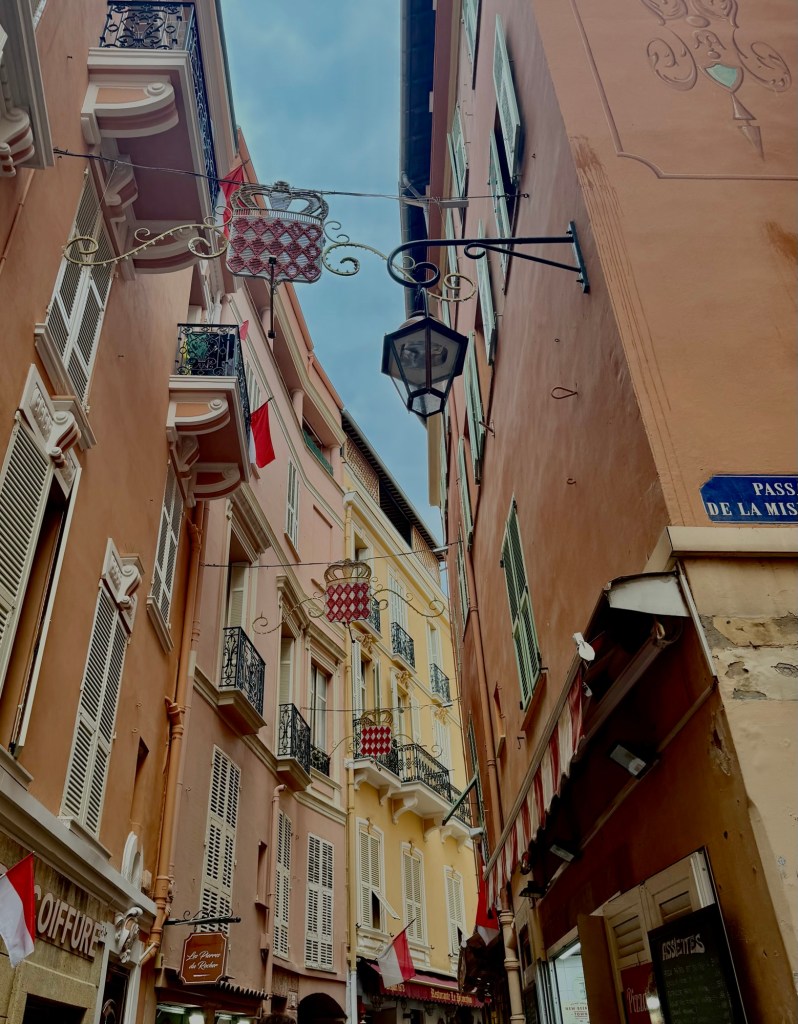
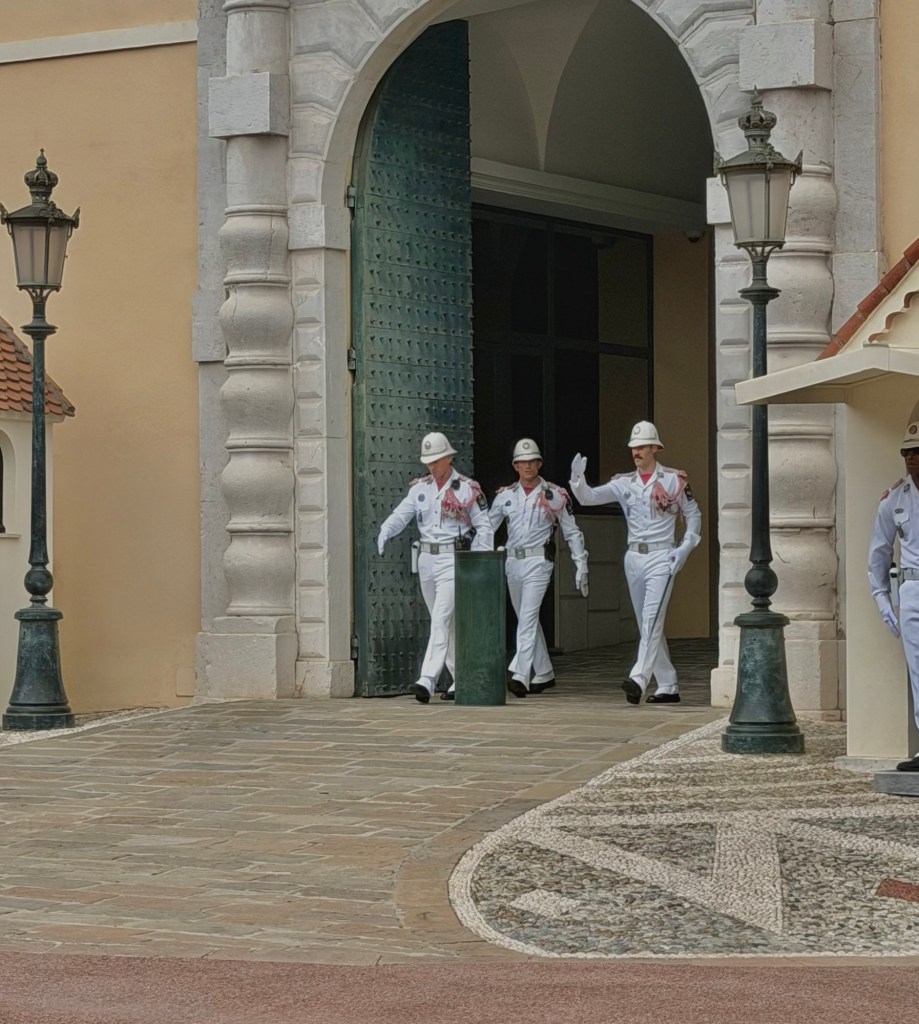
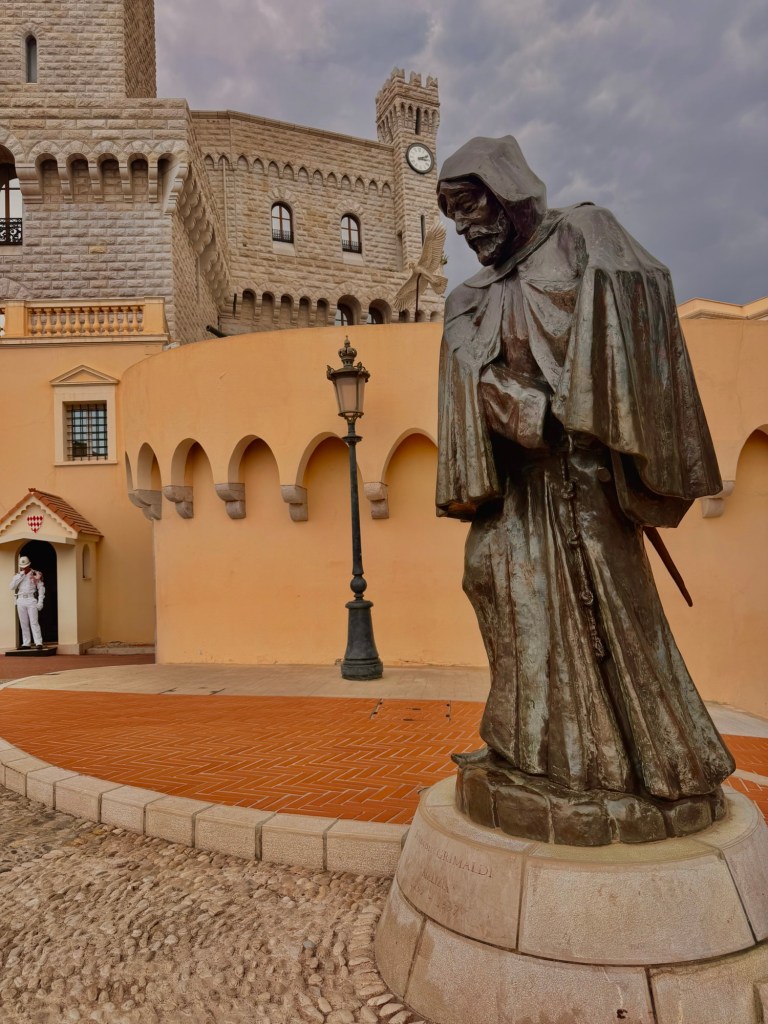
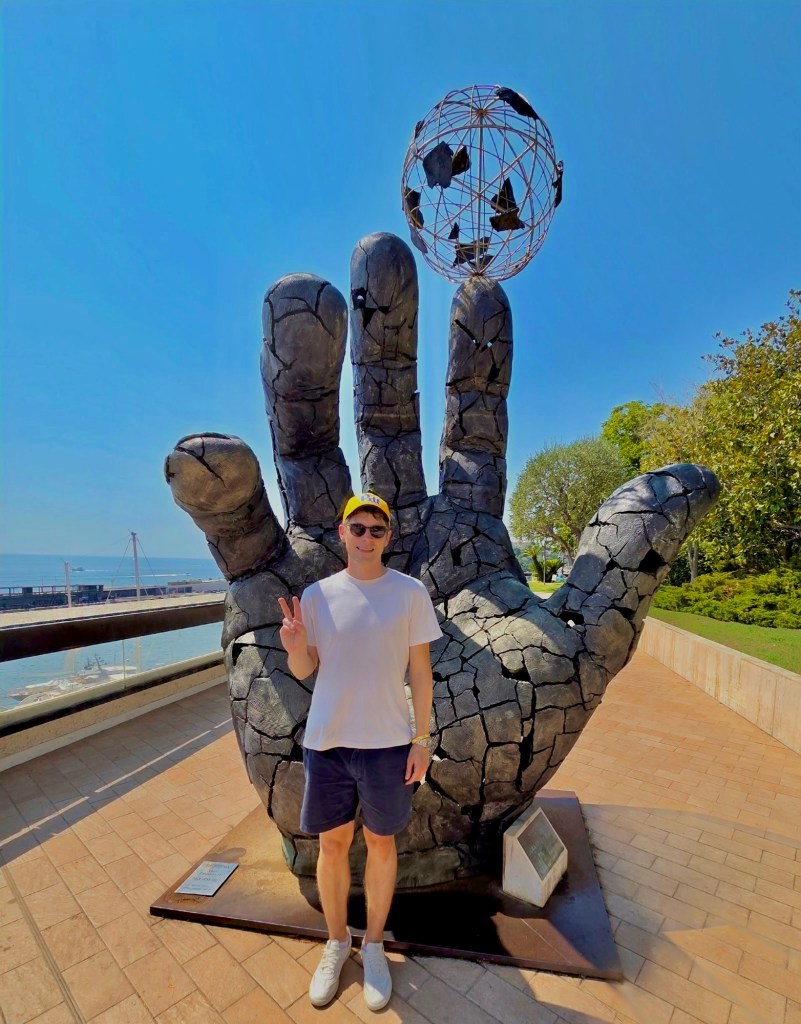
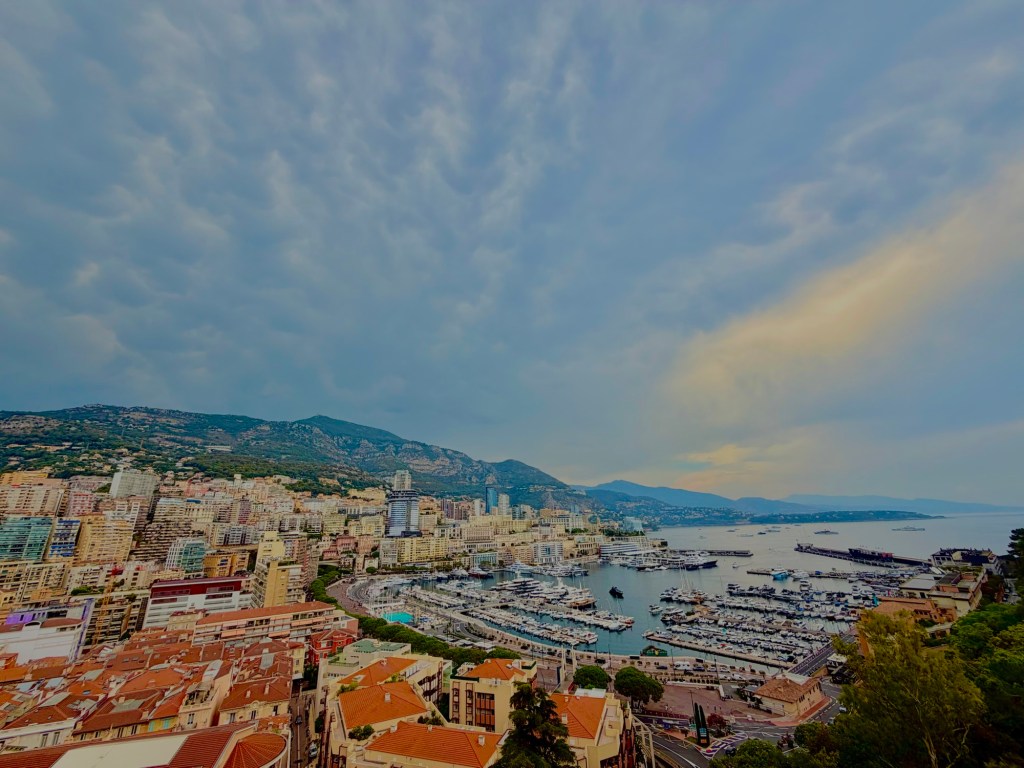
We made it to Monaco and, so far, it’s pretty hard to complain. Blue skies, the Mediterranean outside the window, more yachts than I could possibly count, and somehow every building looks like it belongs in a movie.
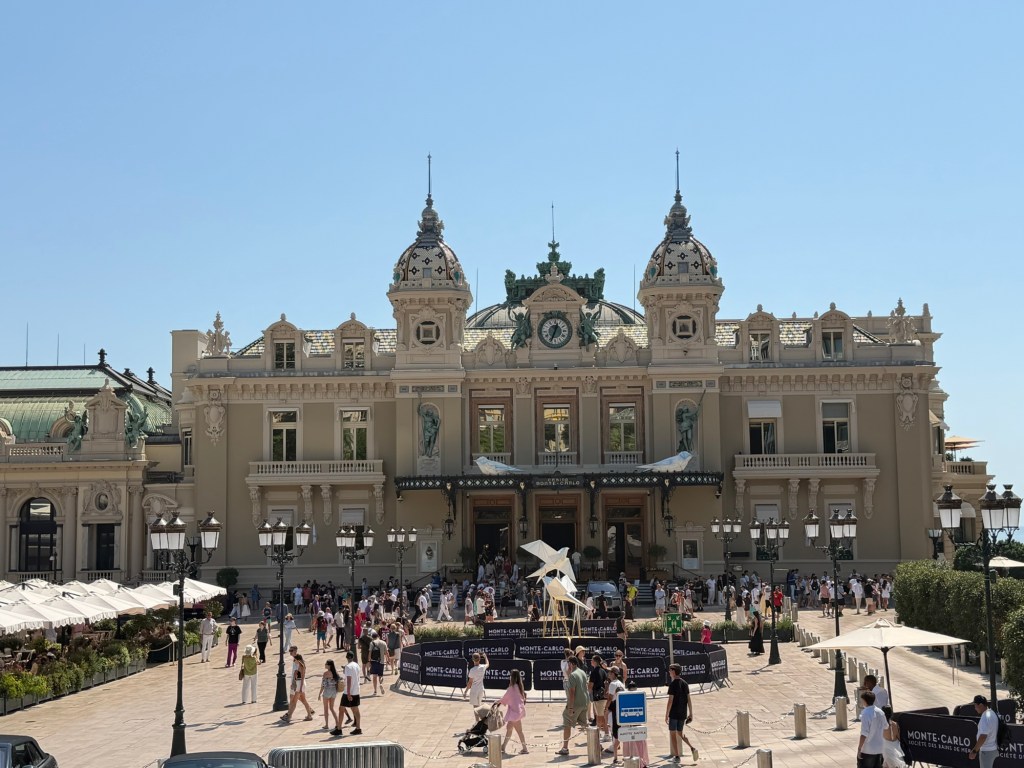
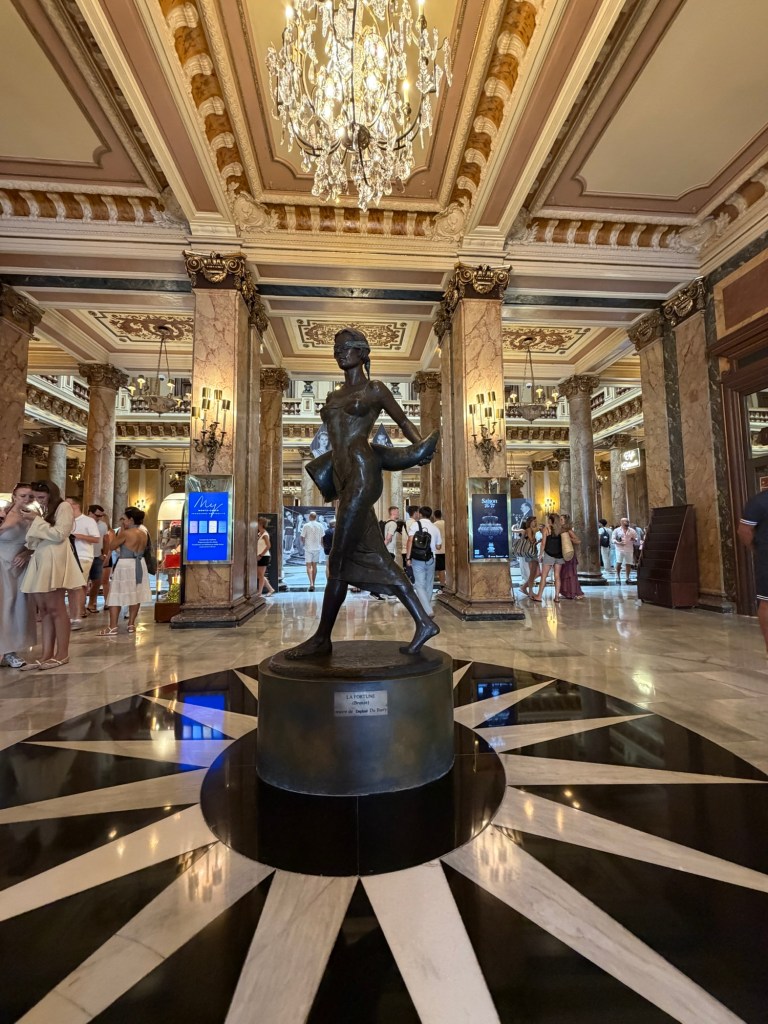
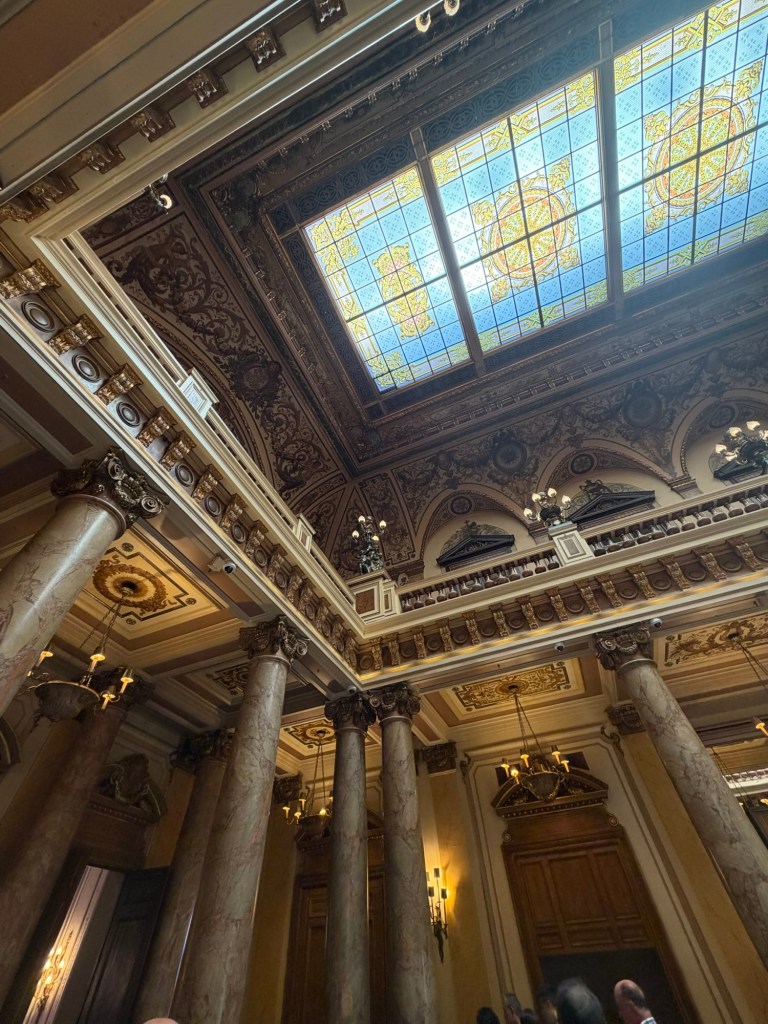
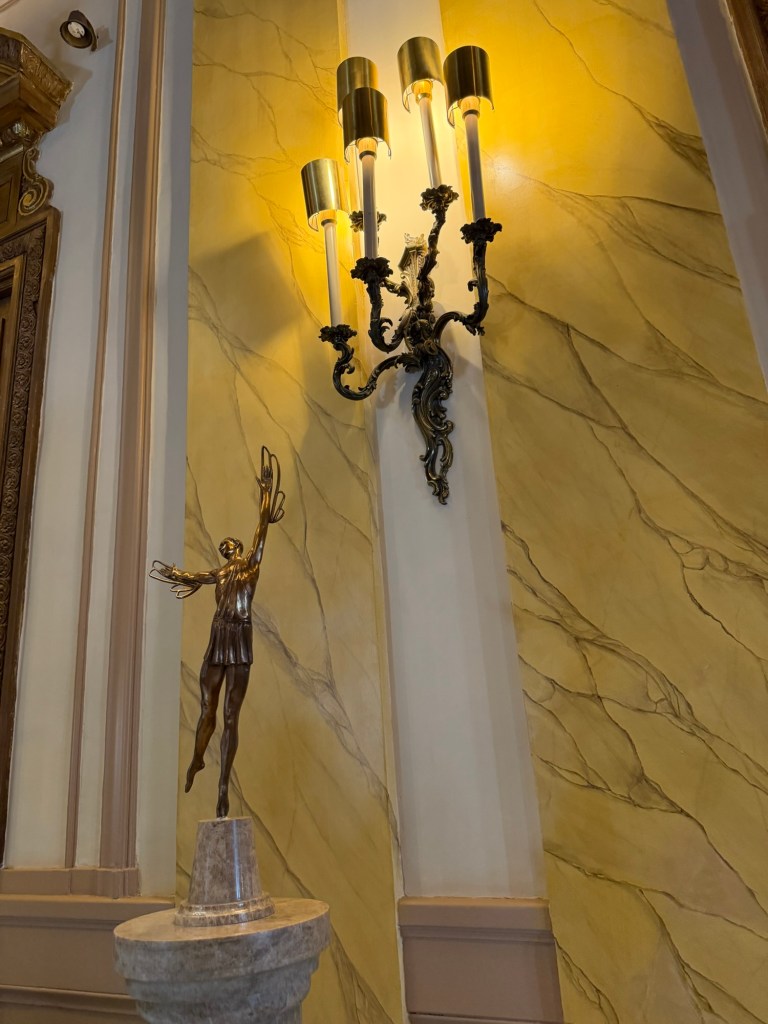
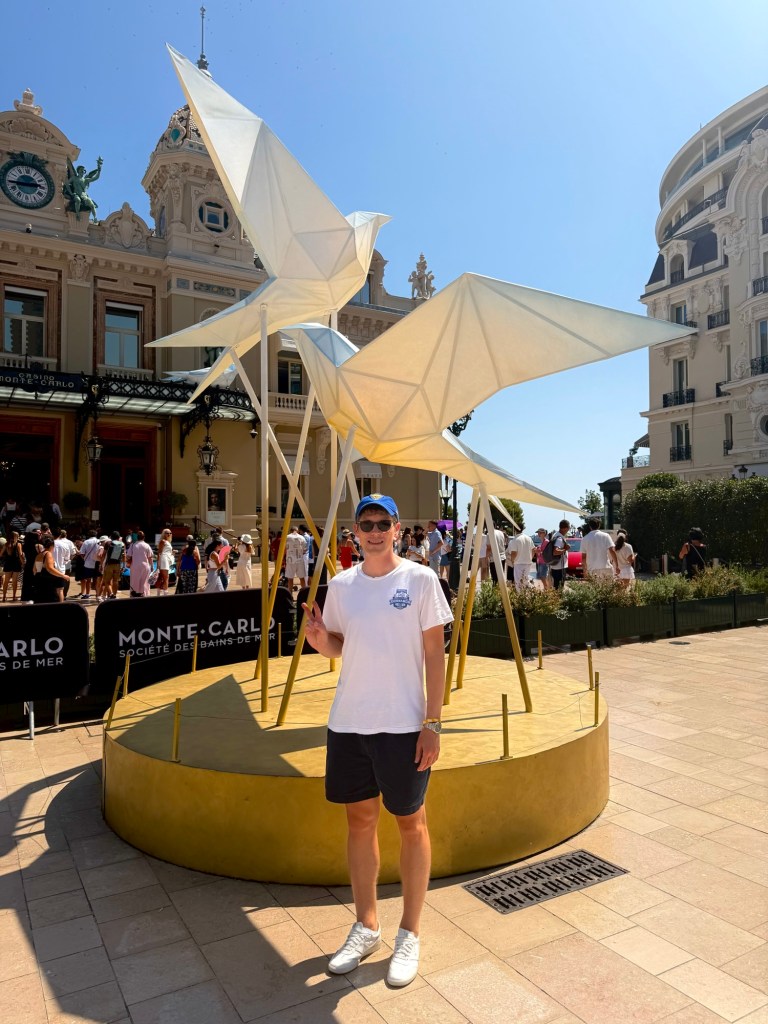
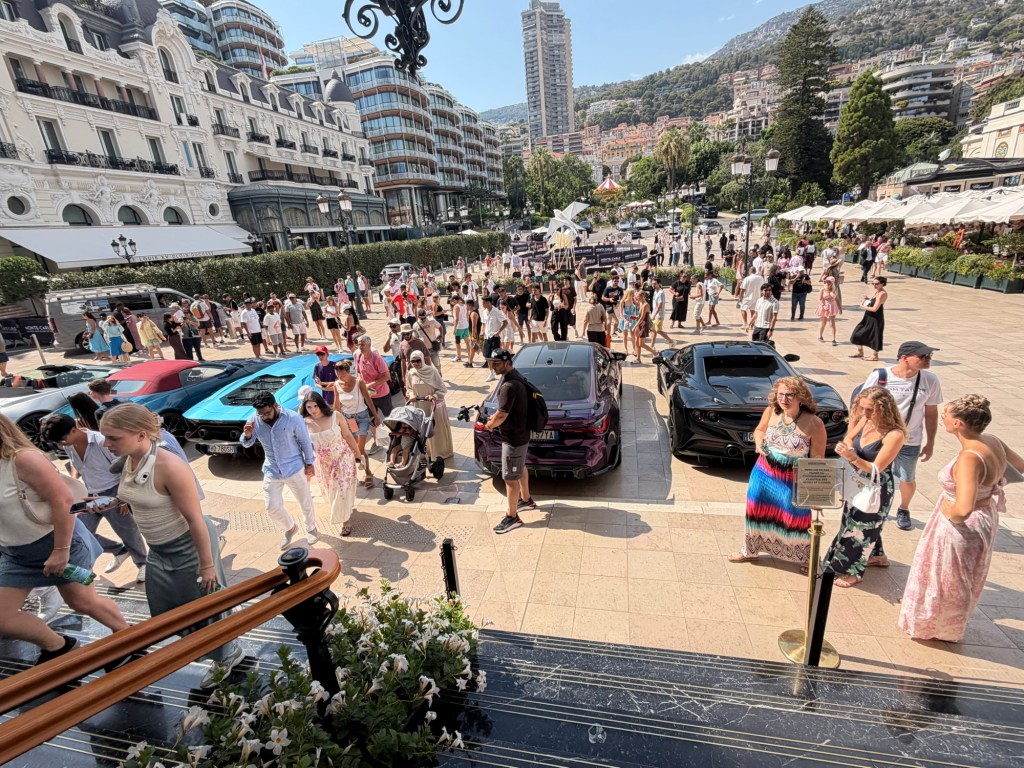
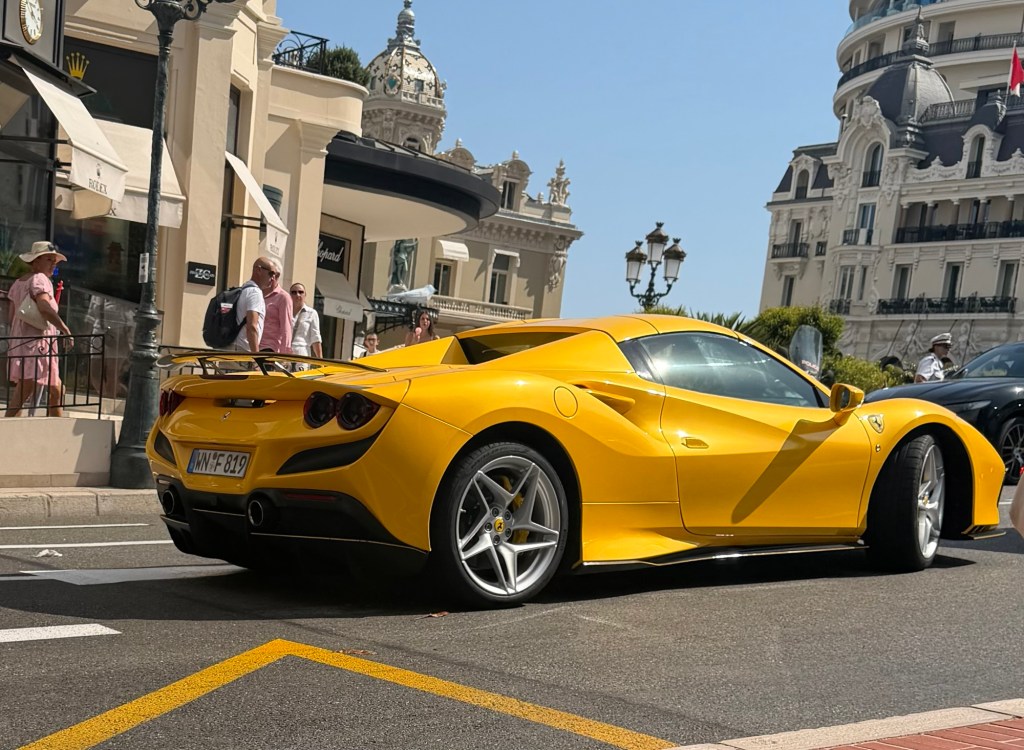
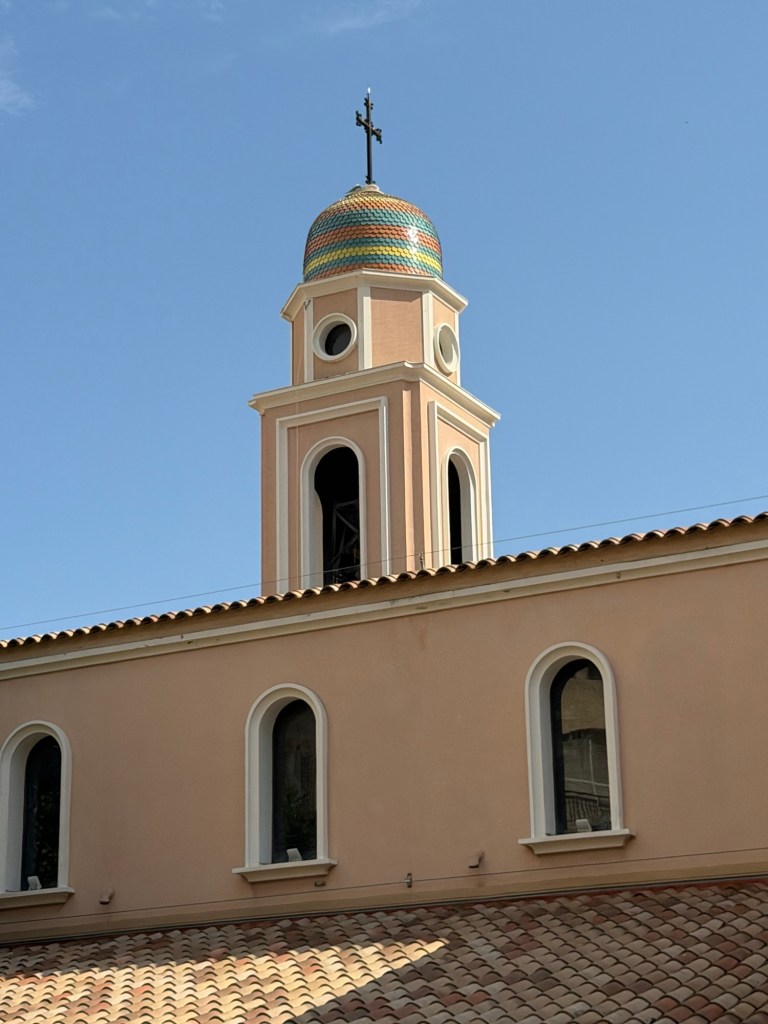
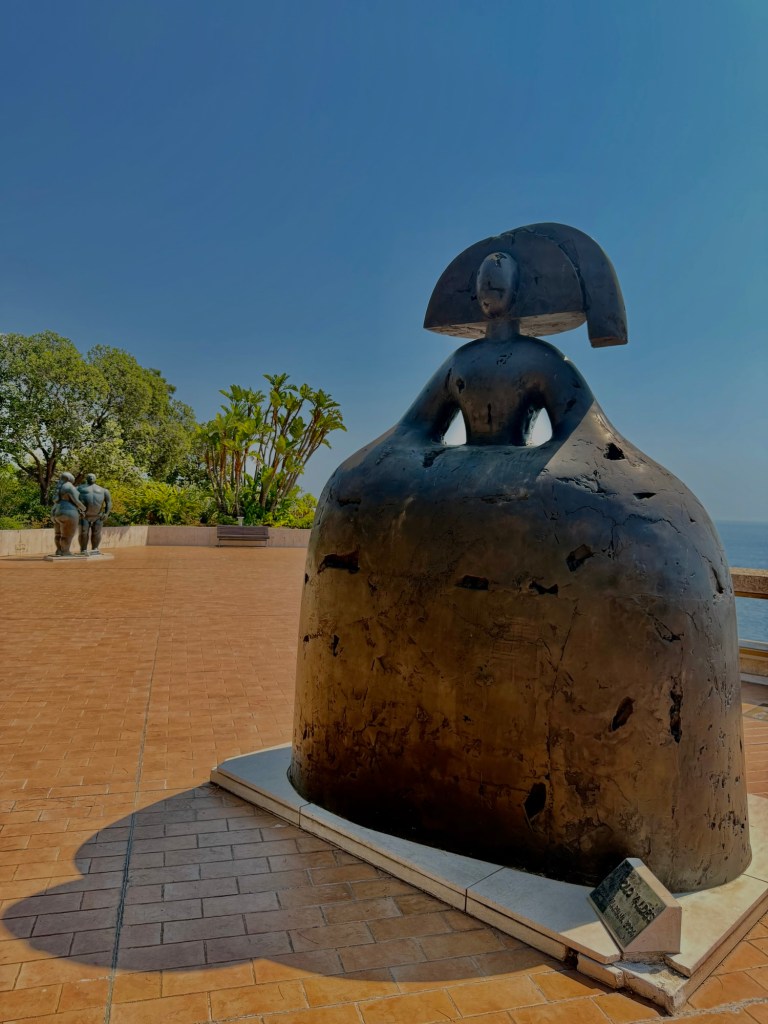
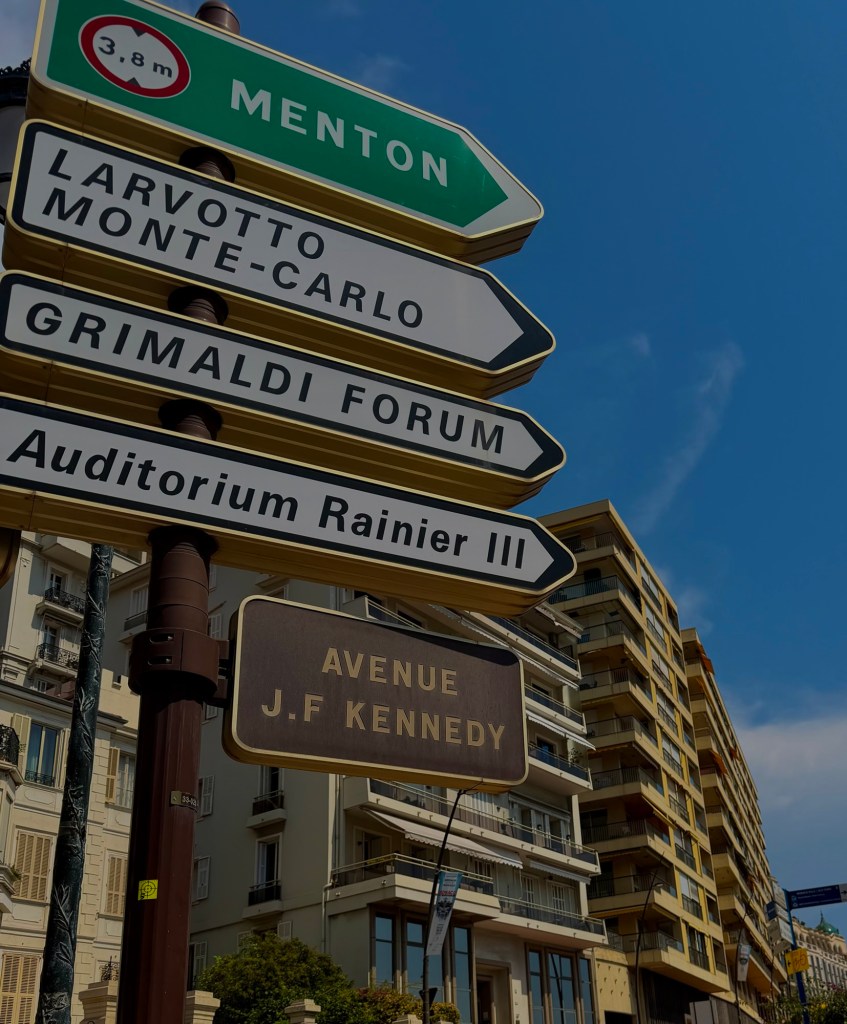
We spent some time just walking around Monte Carlo and taking it all in. The Casino area was packed, the cars were ridiculous, and there was no shortage of people watching. We made our way inside the Casino de Monte-Carlo for a look around, which is every bit as over-the-top as you’d expect.
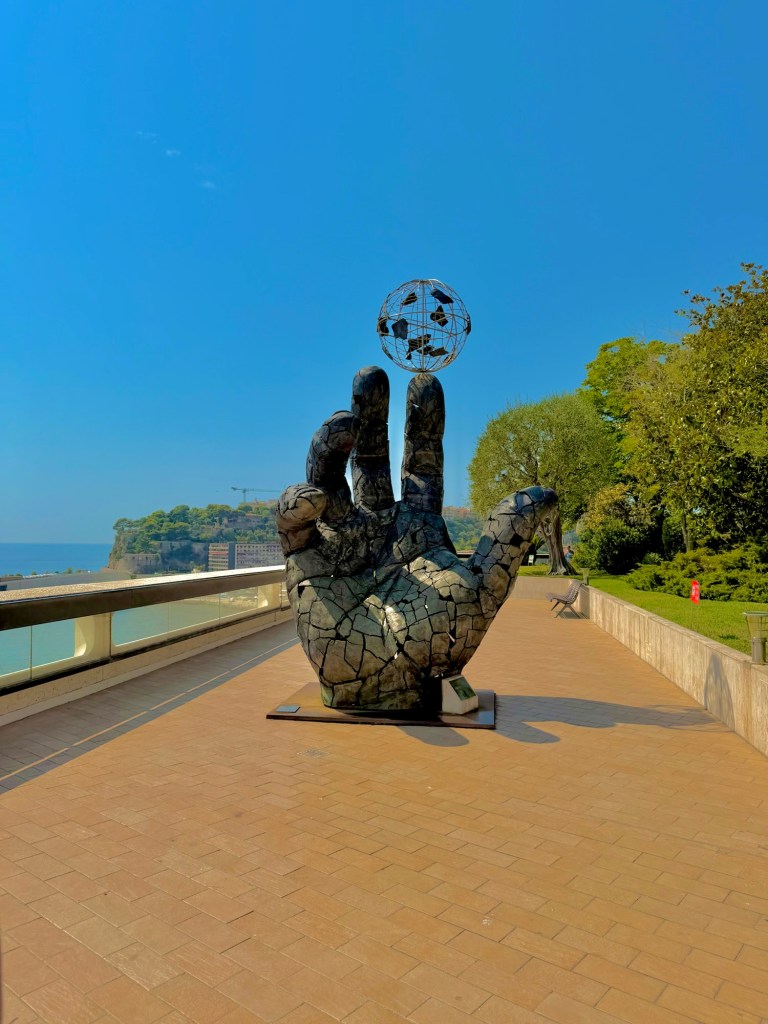
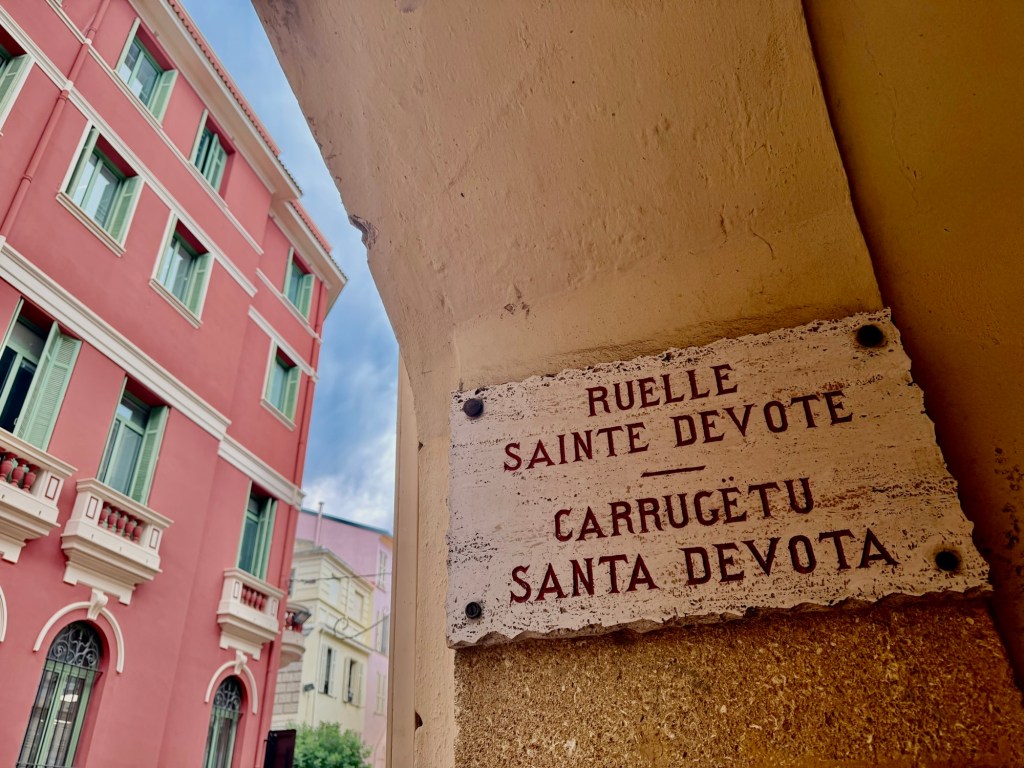
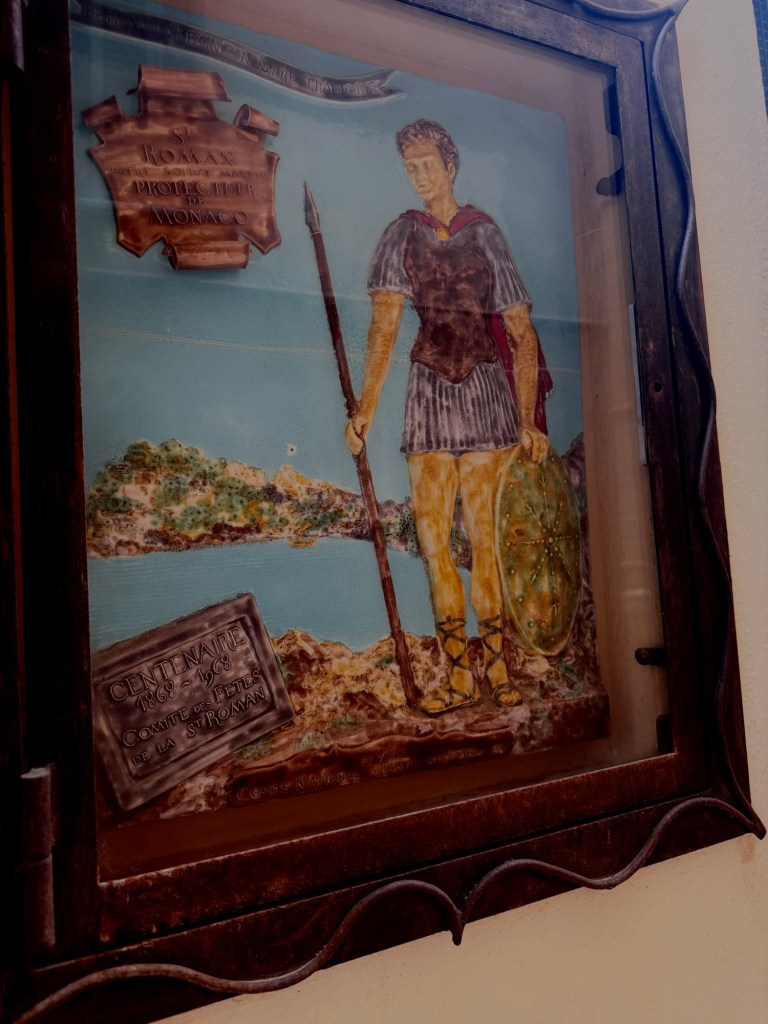
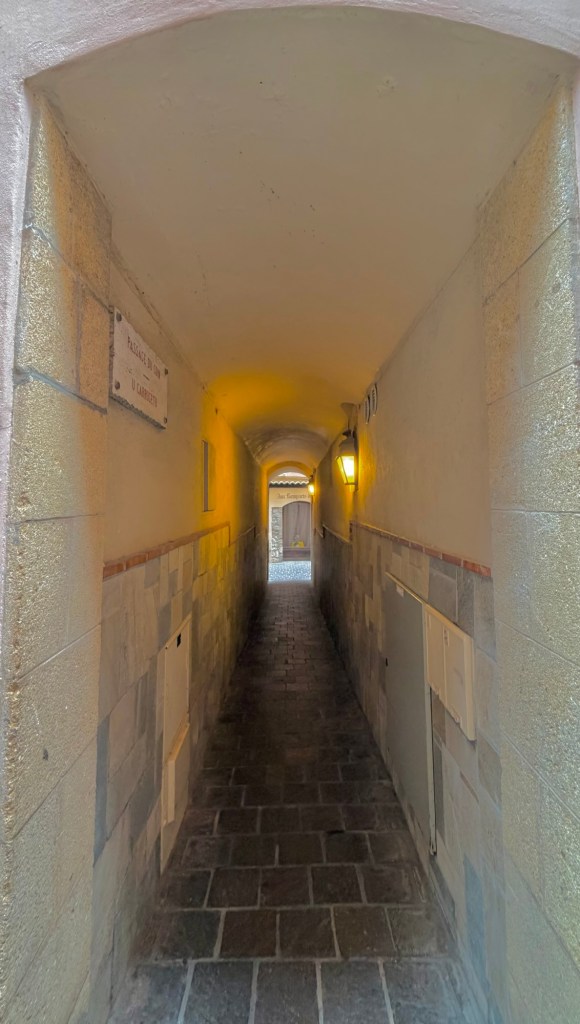
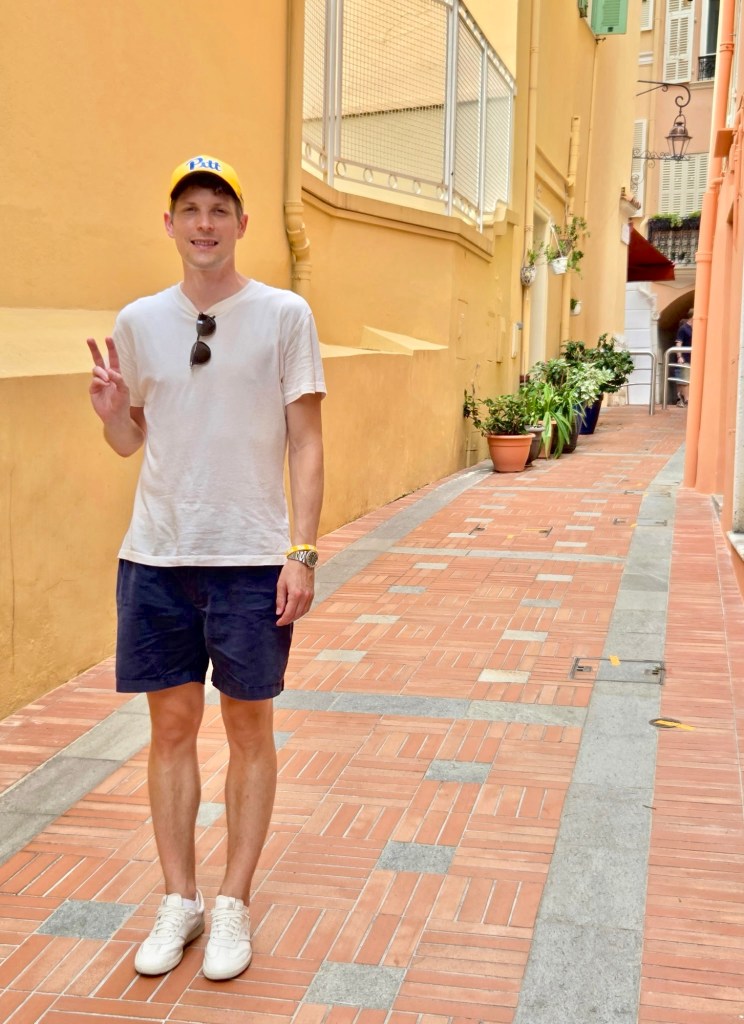
Honestly, though, some of my favorite parts were just wandering around. The views over the harbor are incredible, and you can turn a corner and suddenly have the Mediterranean right in front of you.
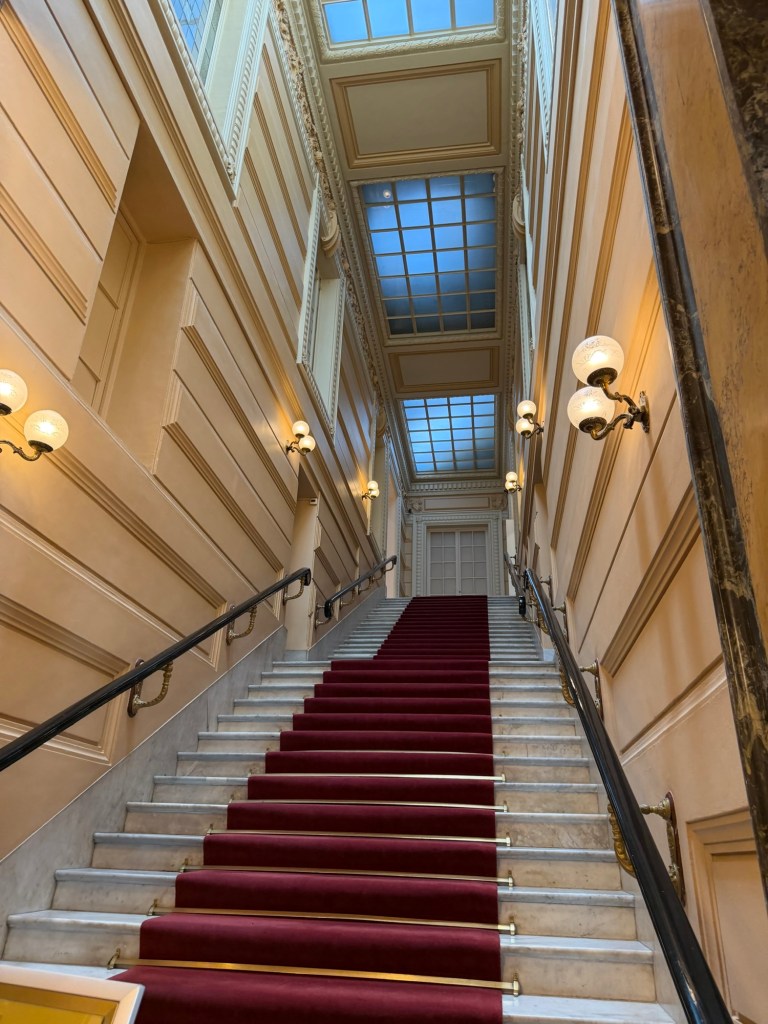
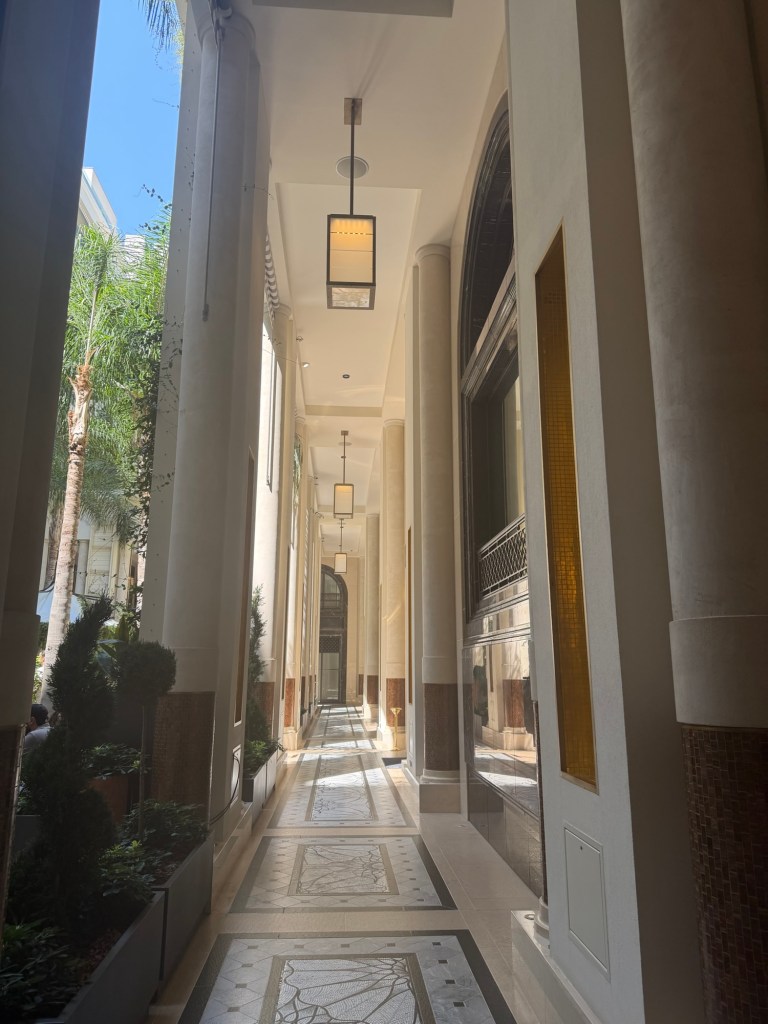
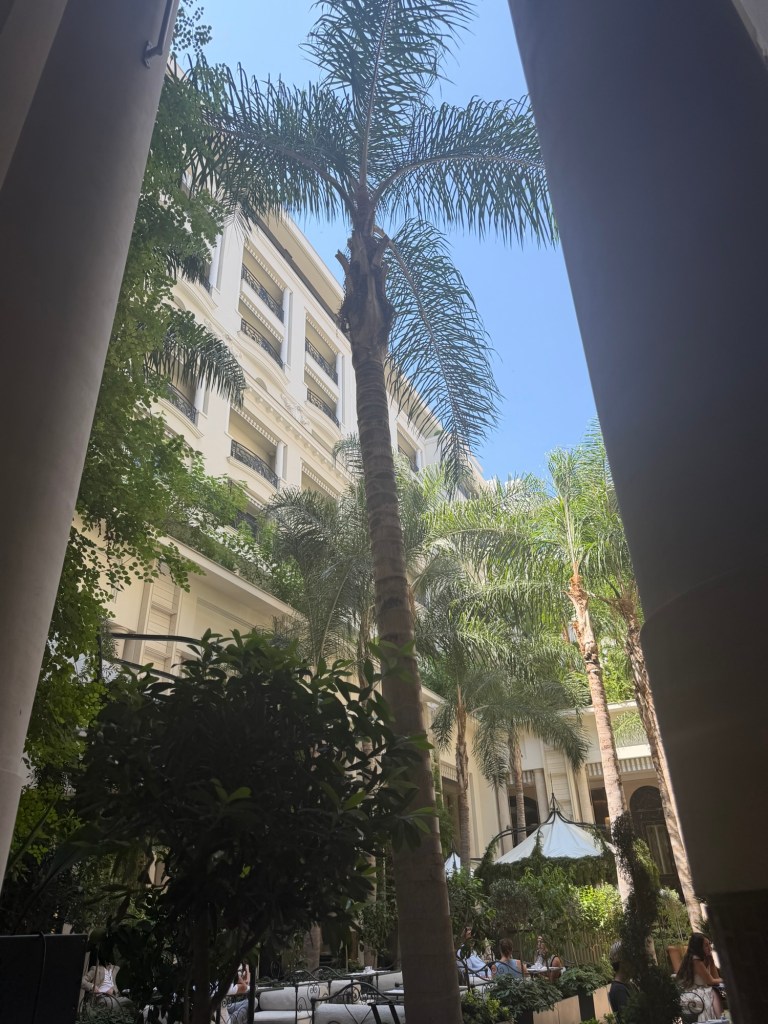
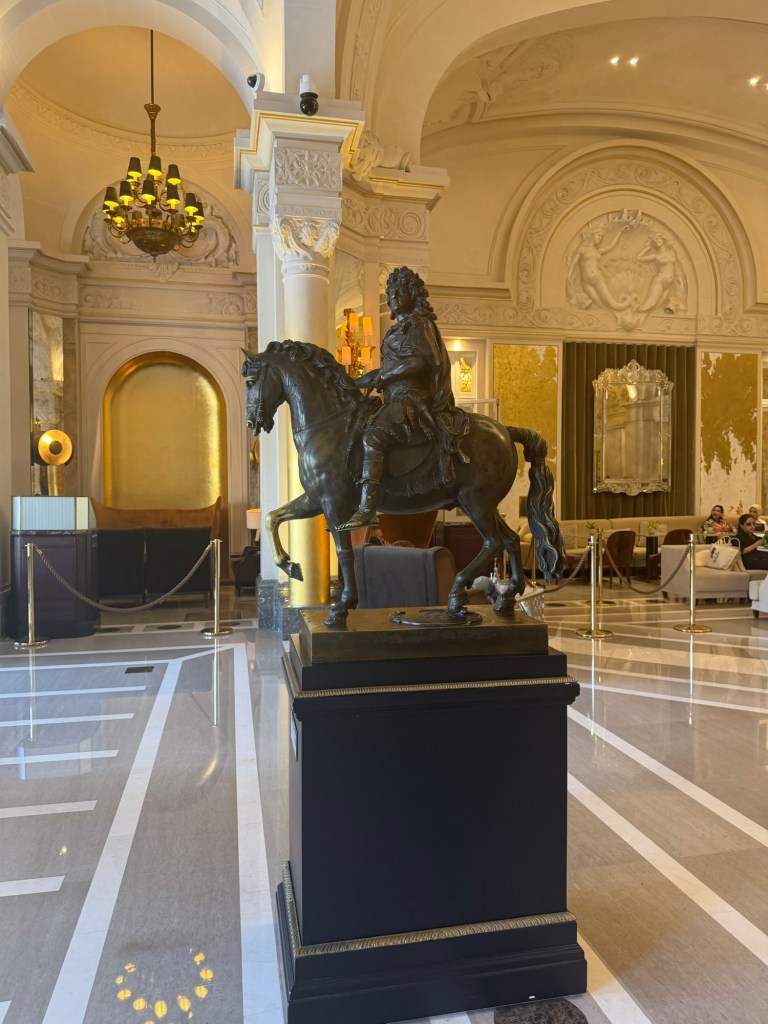
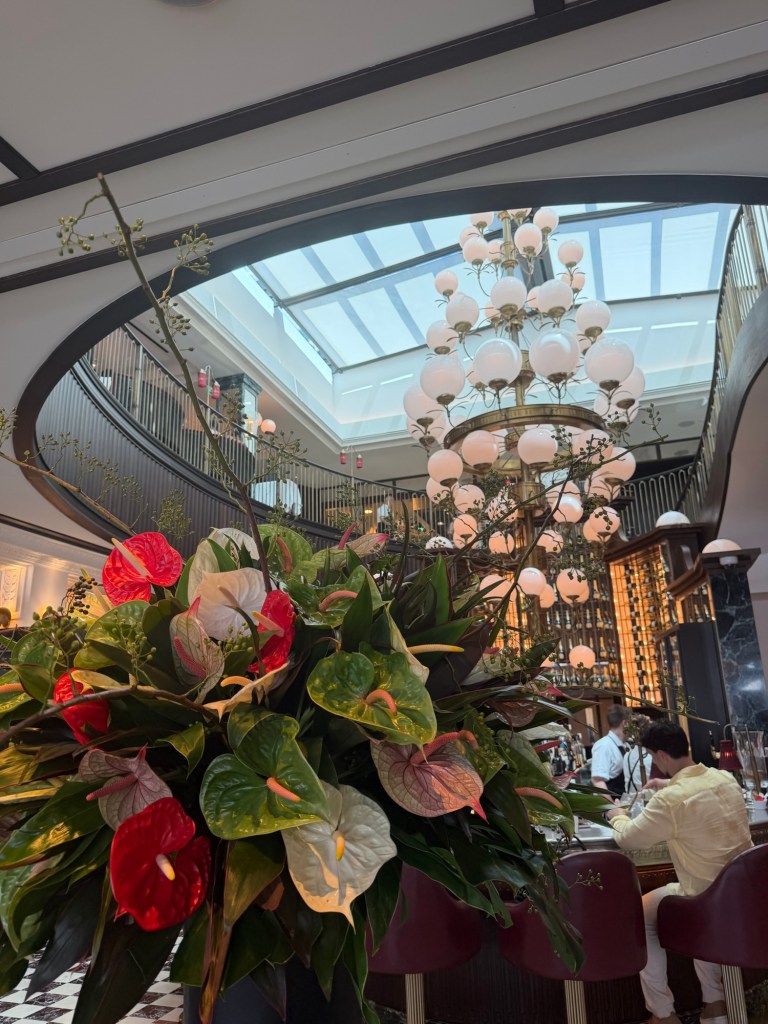
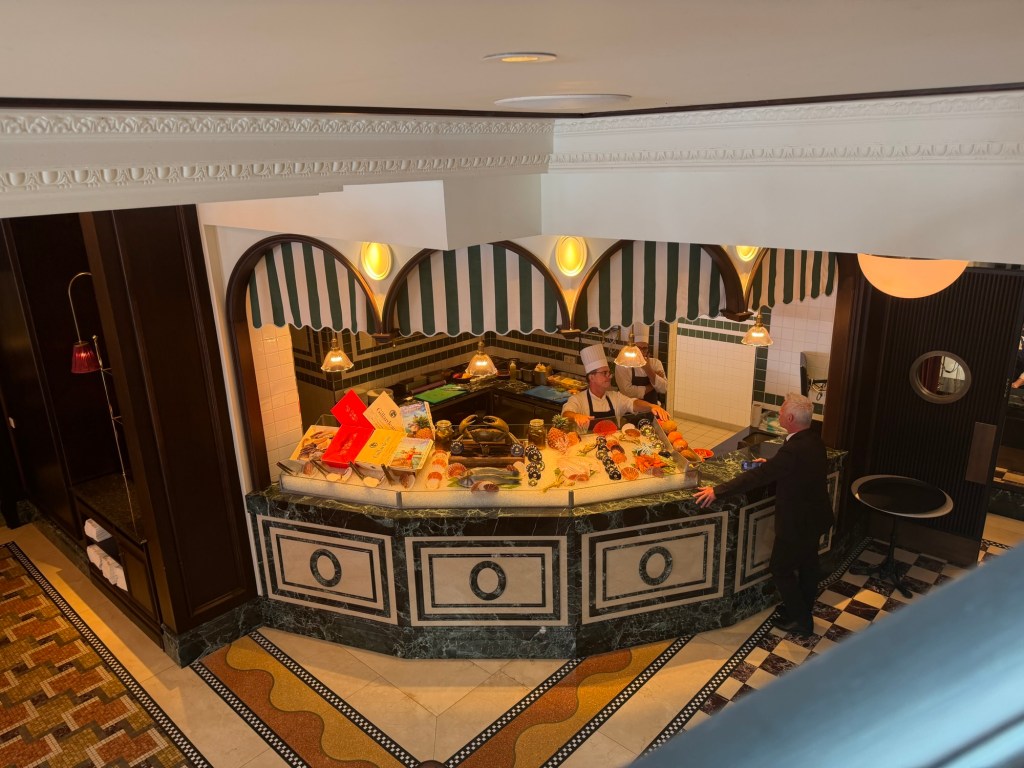
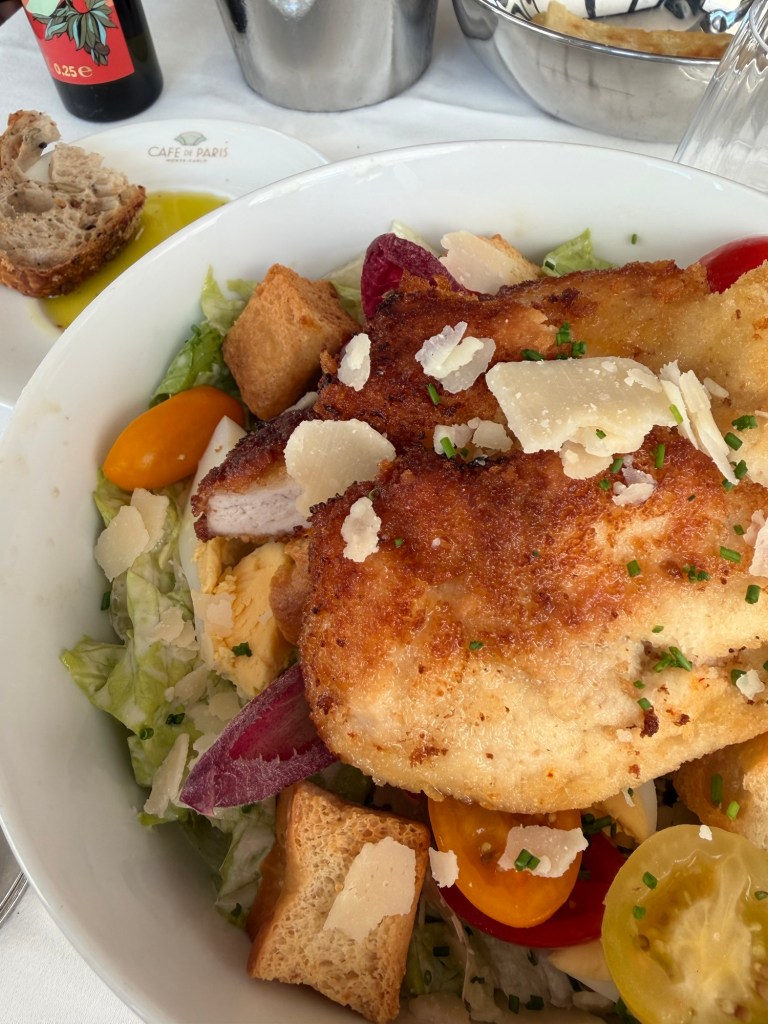
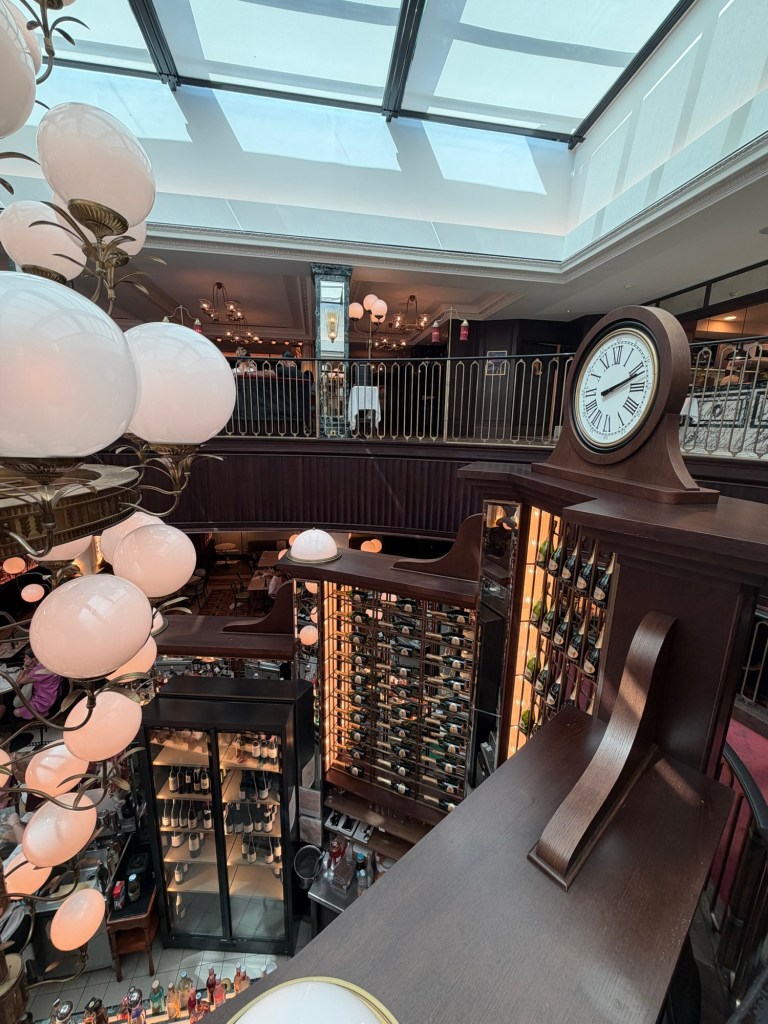
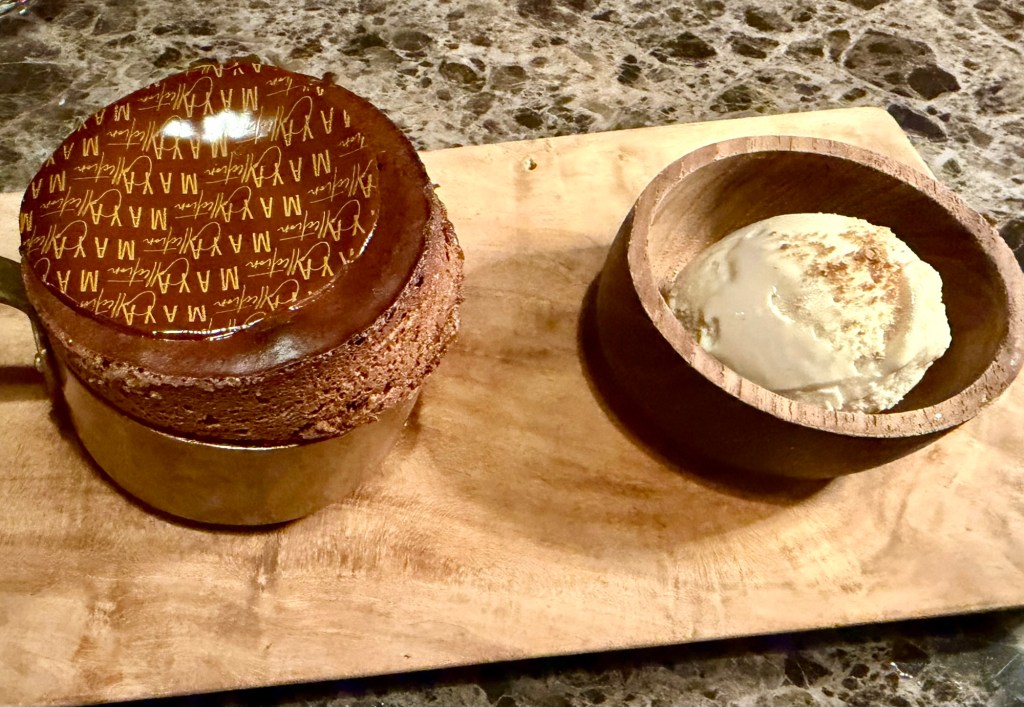
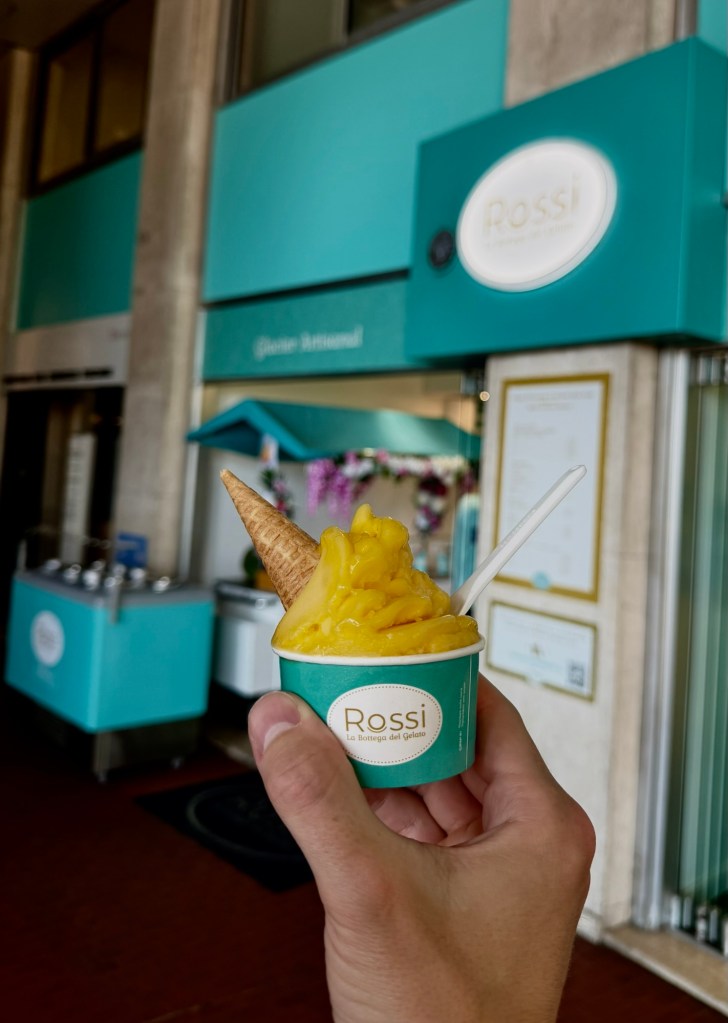
We also got settled in, explored the hotel a little, and found the important things — the pool and somewhere to eat. Priorities.
Tomorrow the actual adventure gets going. For now, Monaco was a pretty great place to start.

02 — SAINT-TROPEZ 🇫🇷
France
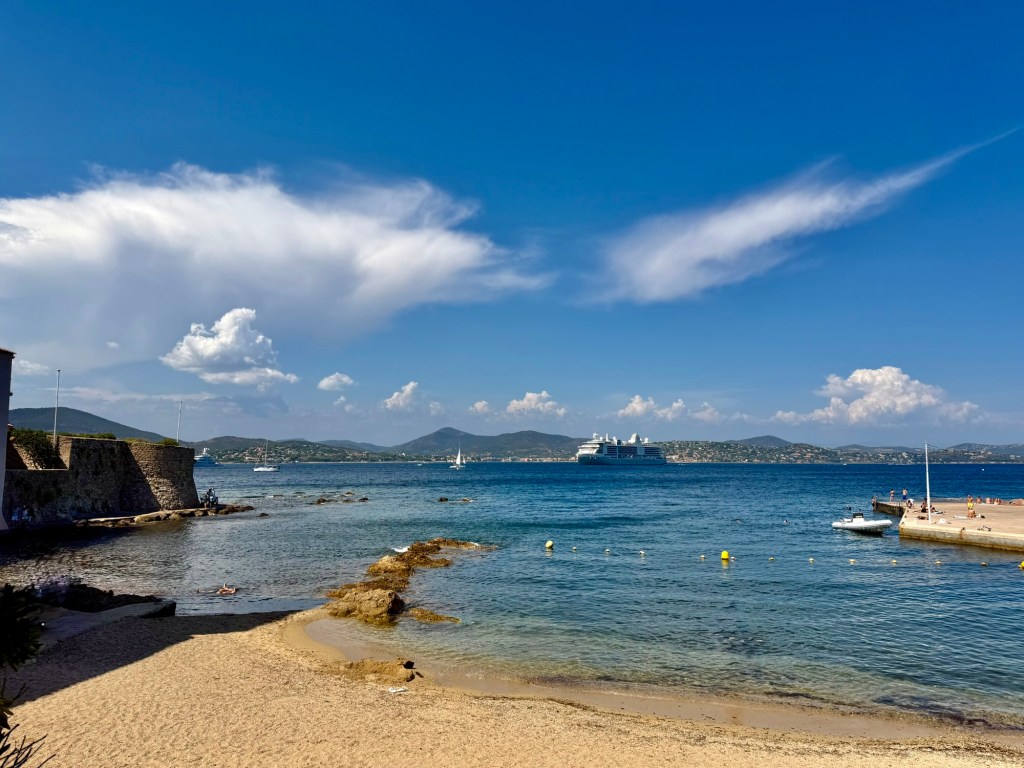
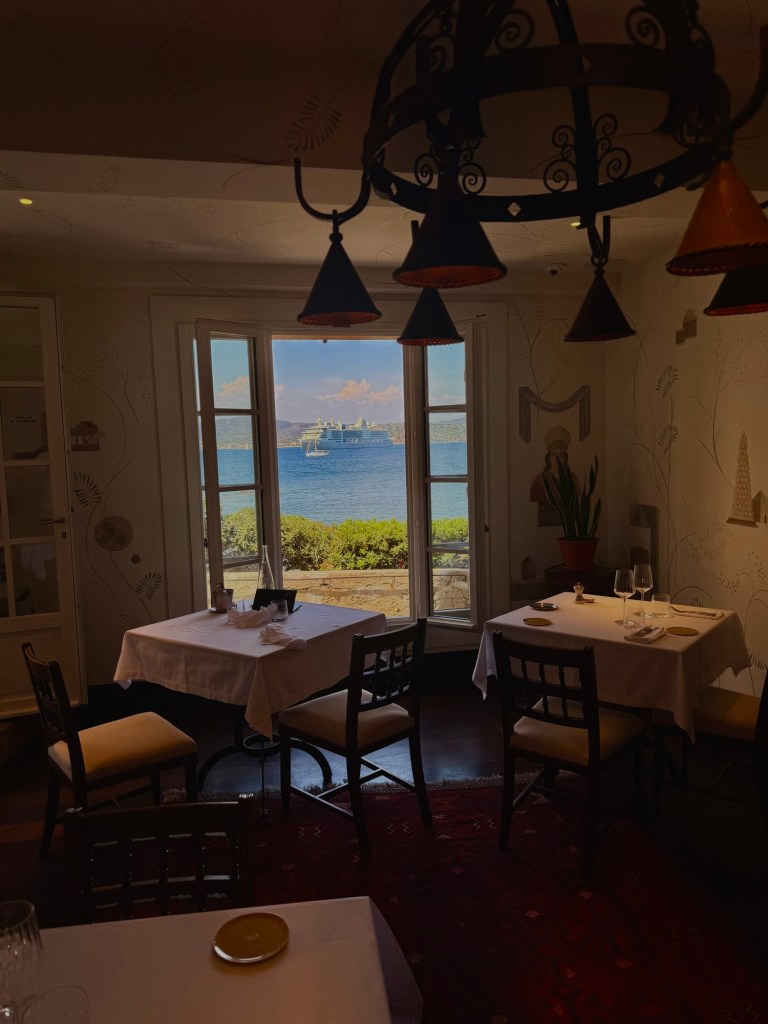
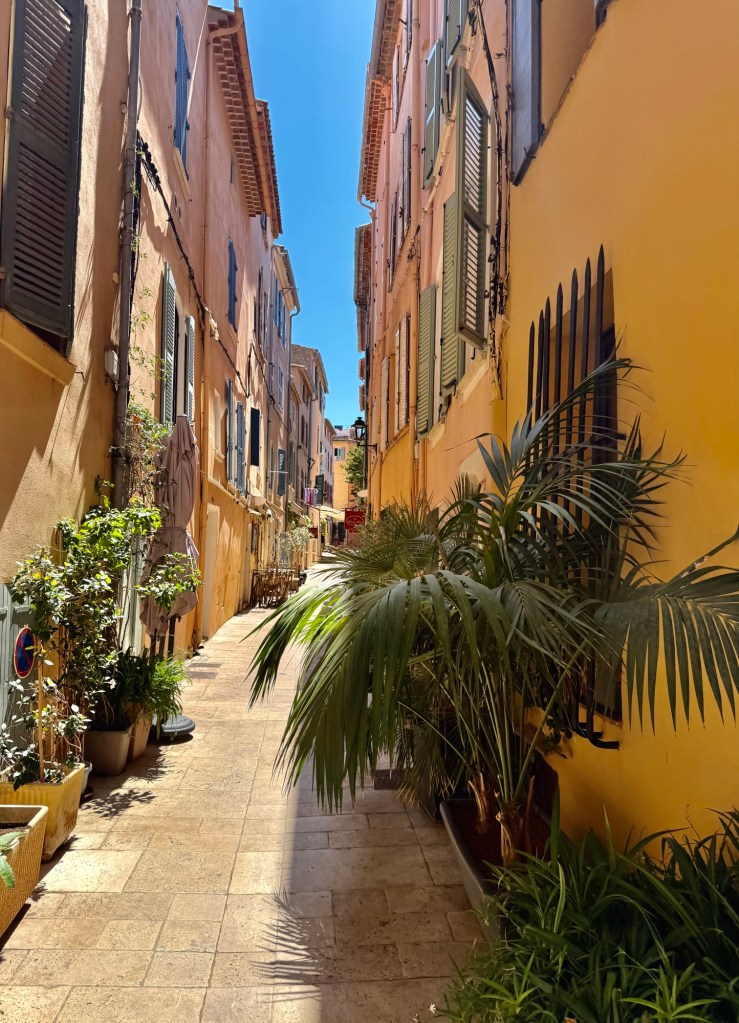
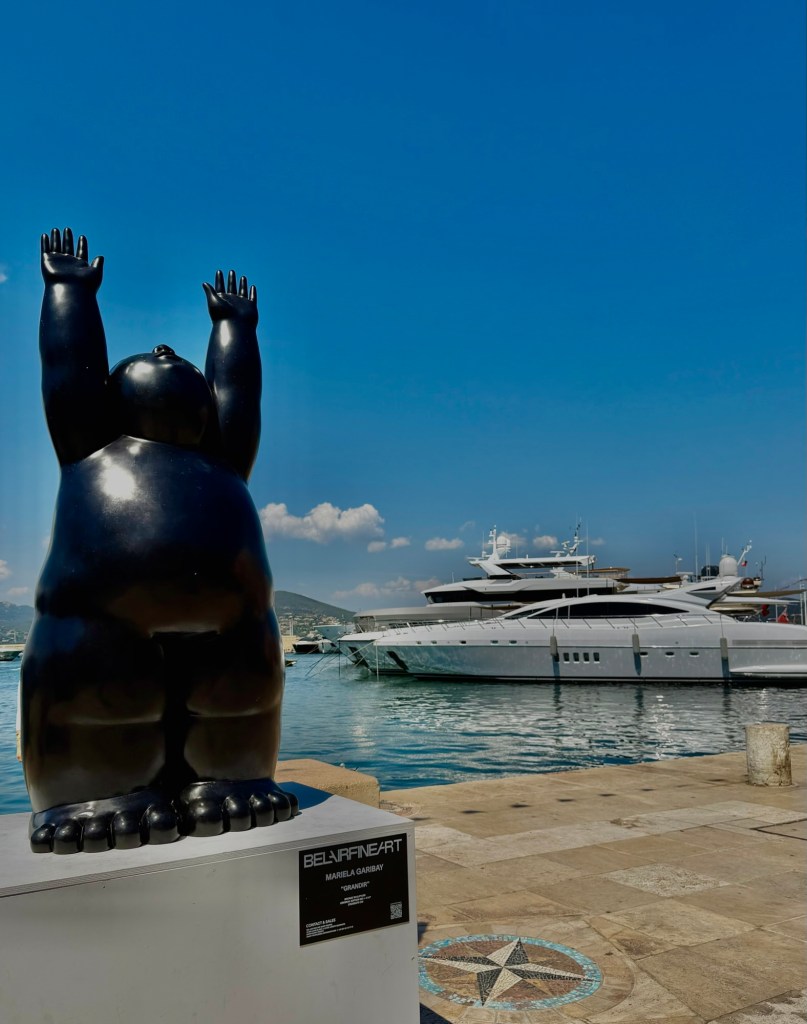
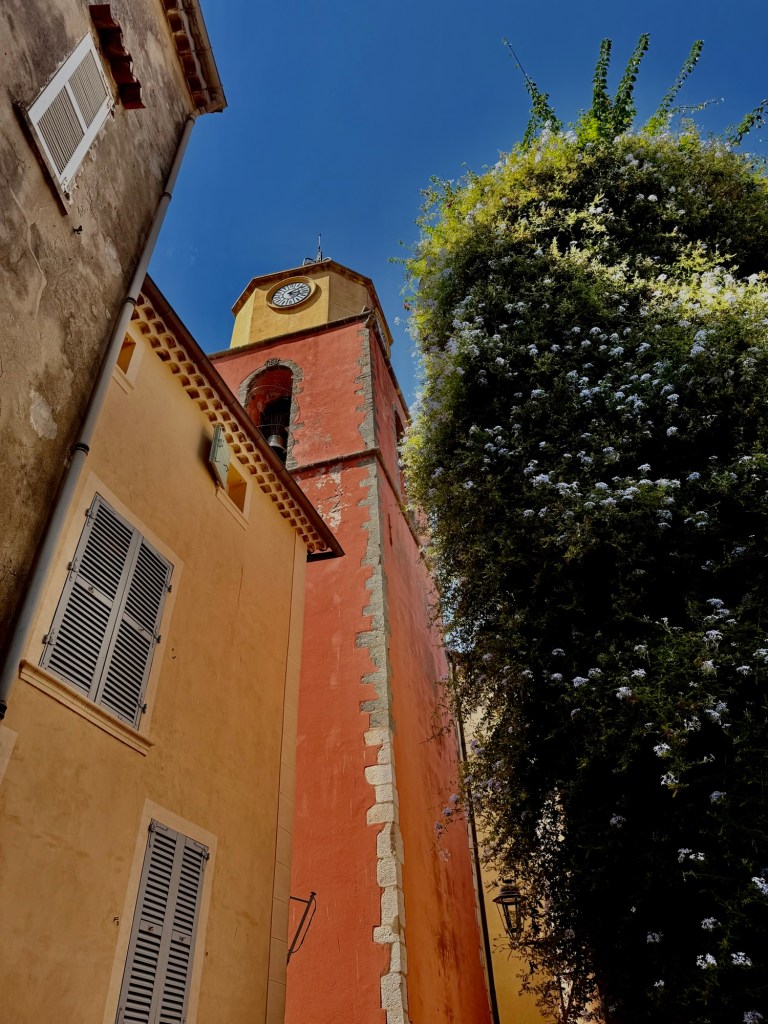
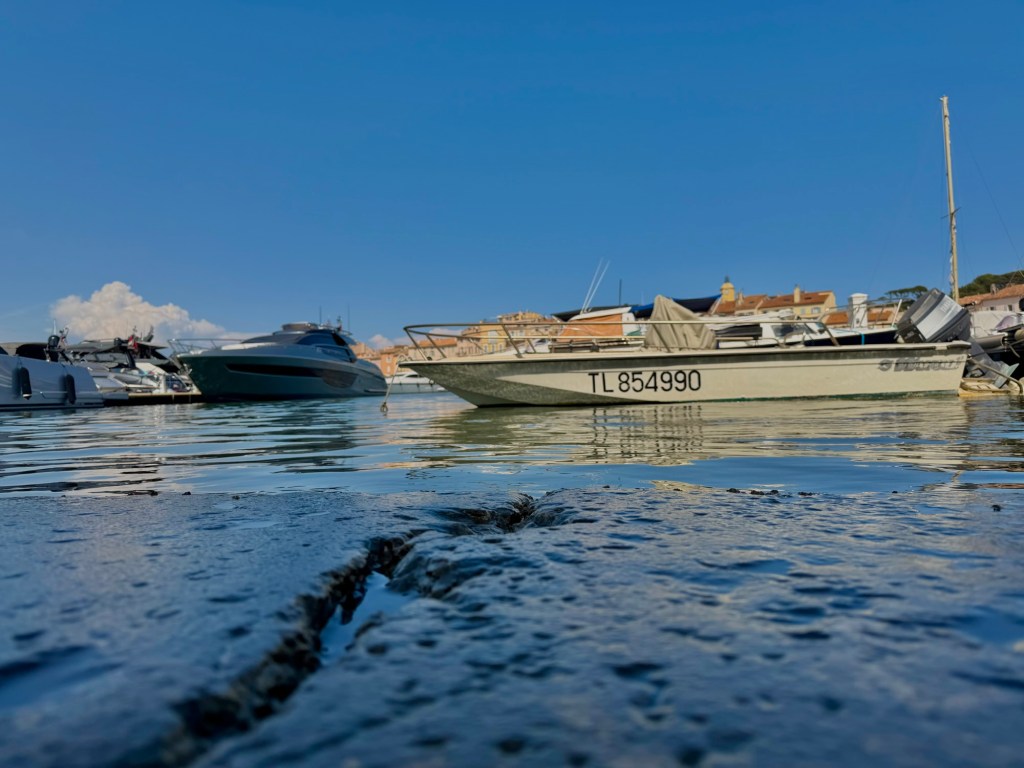
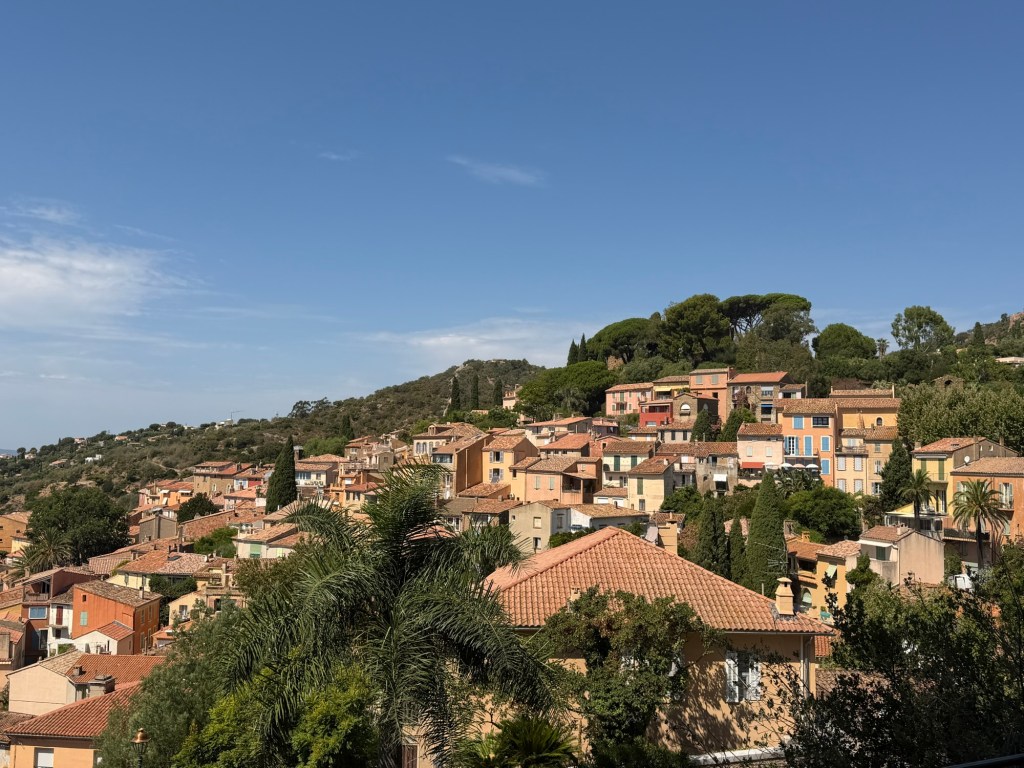
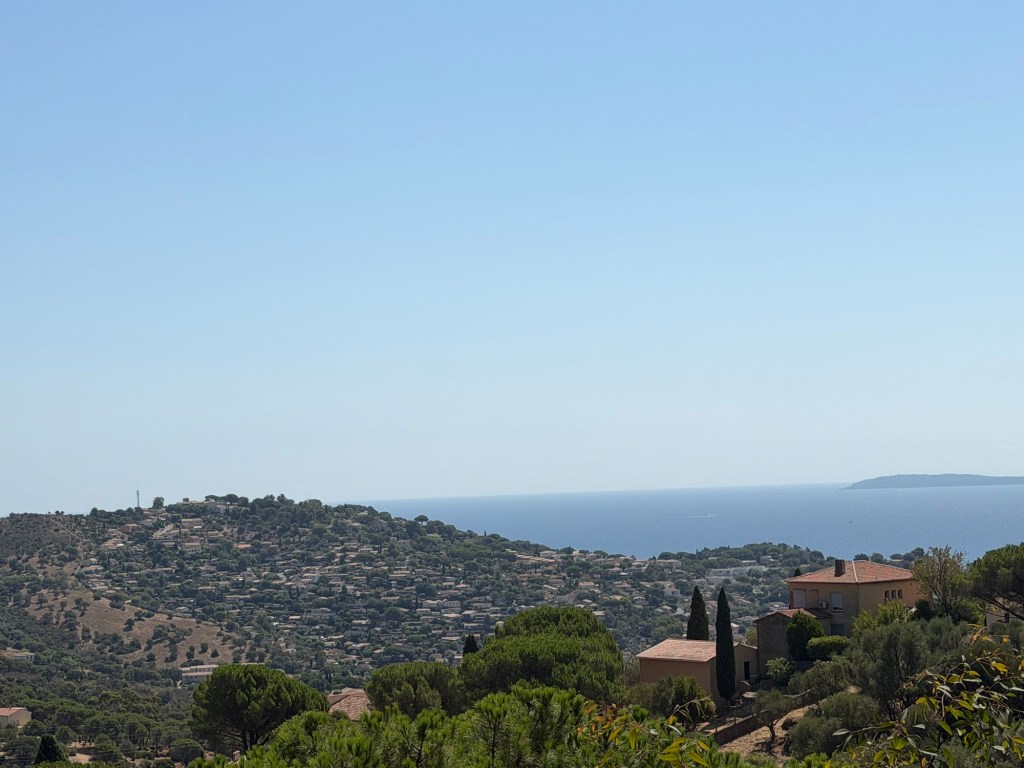
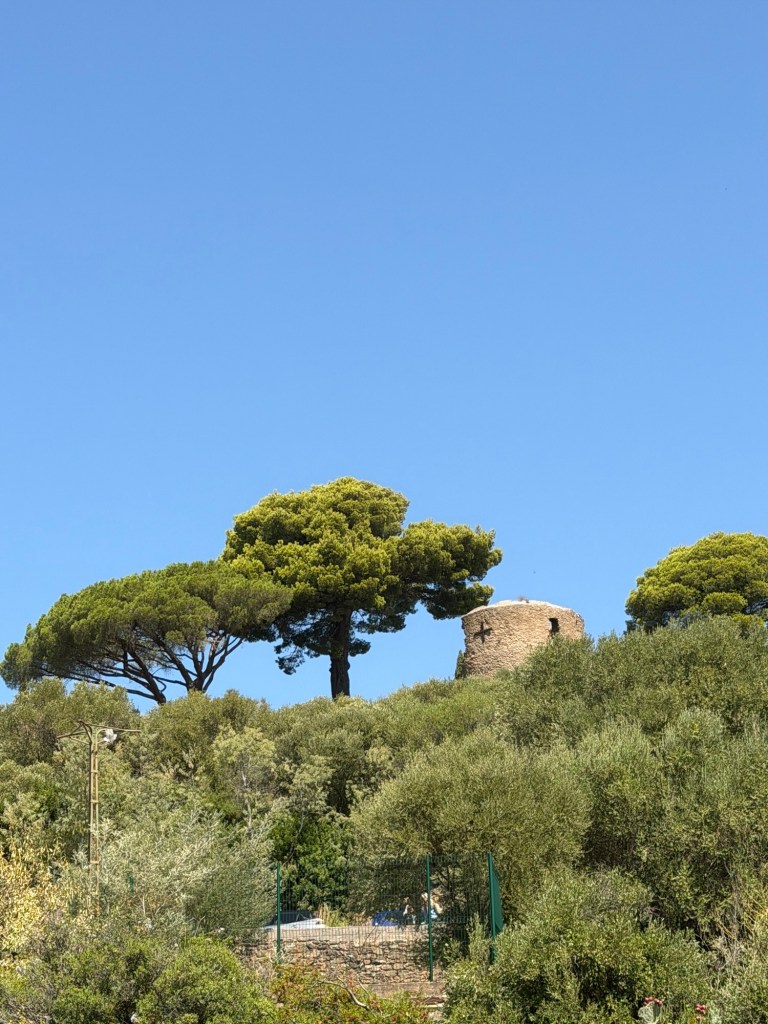
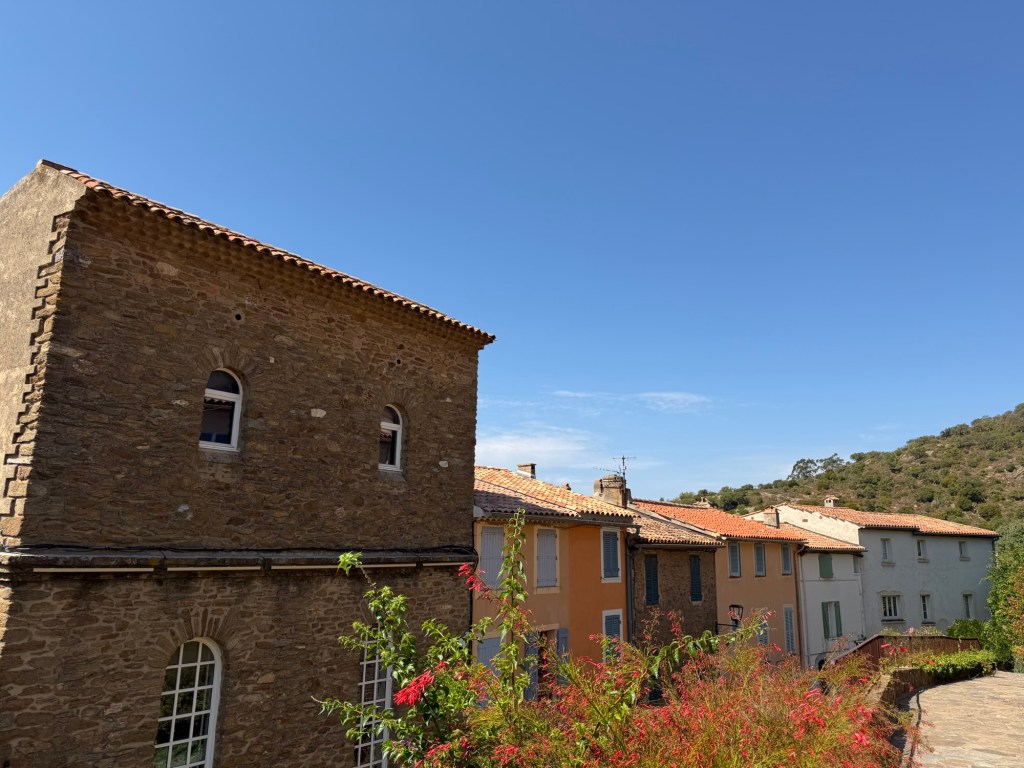
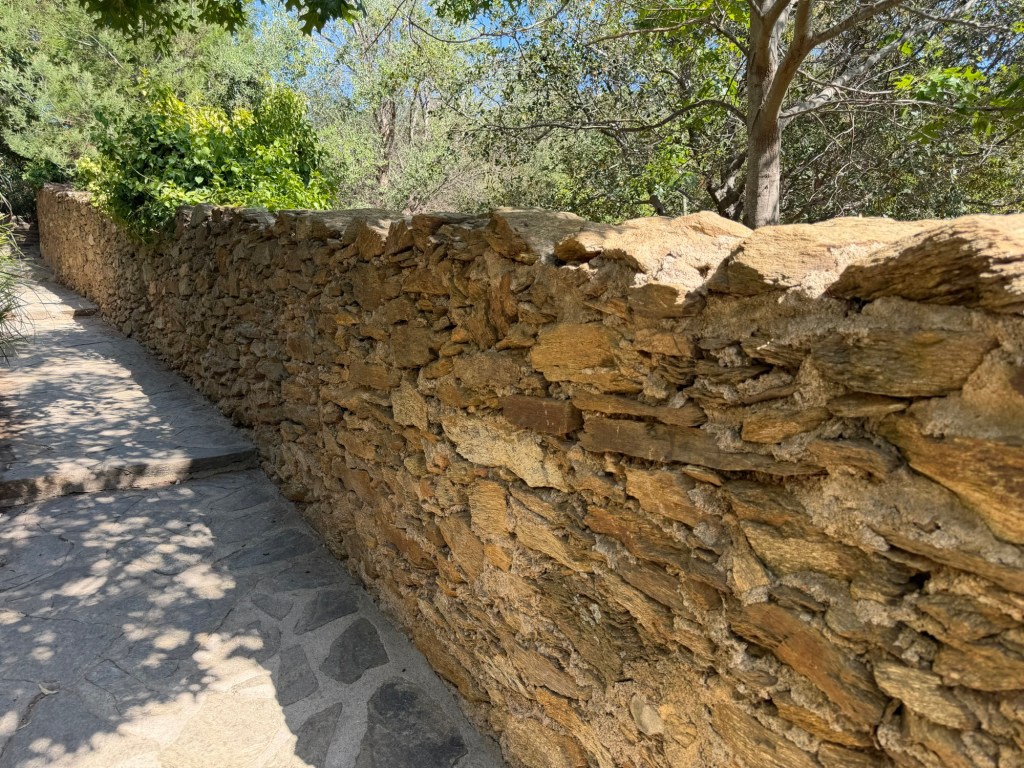
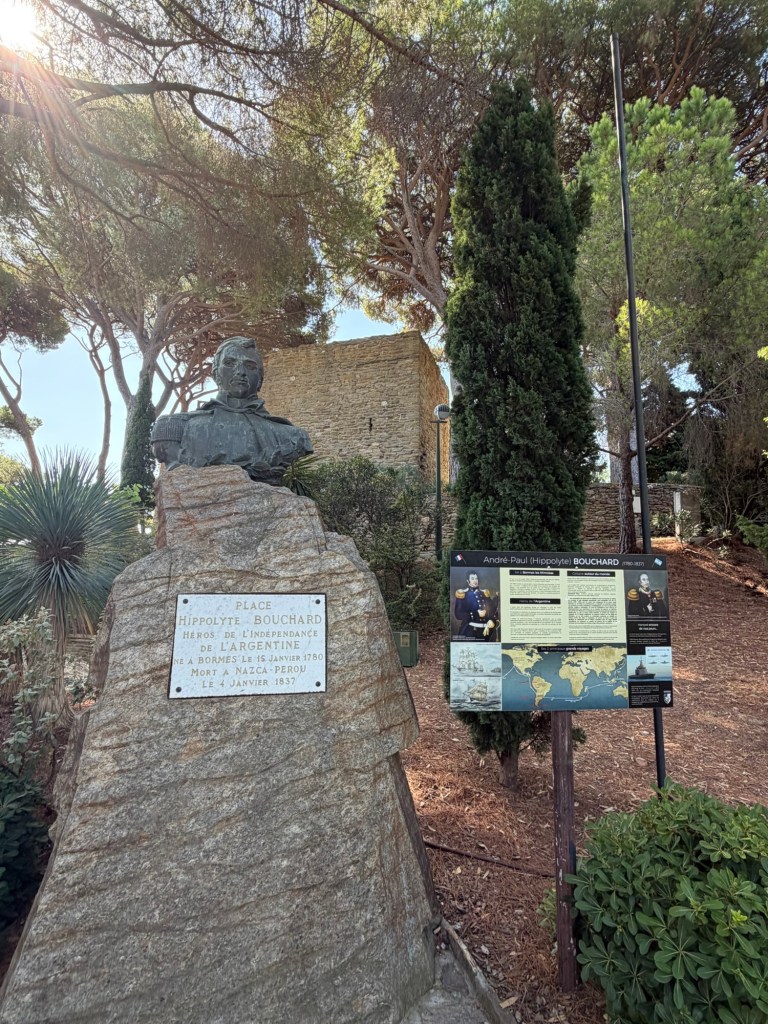
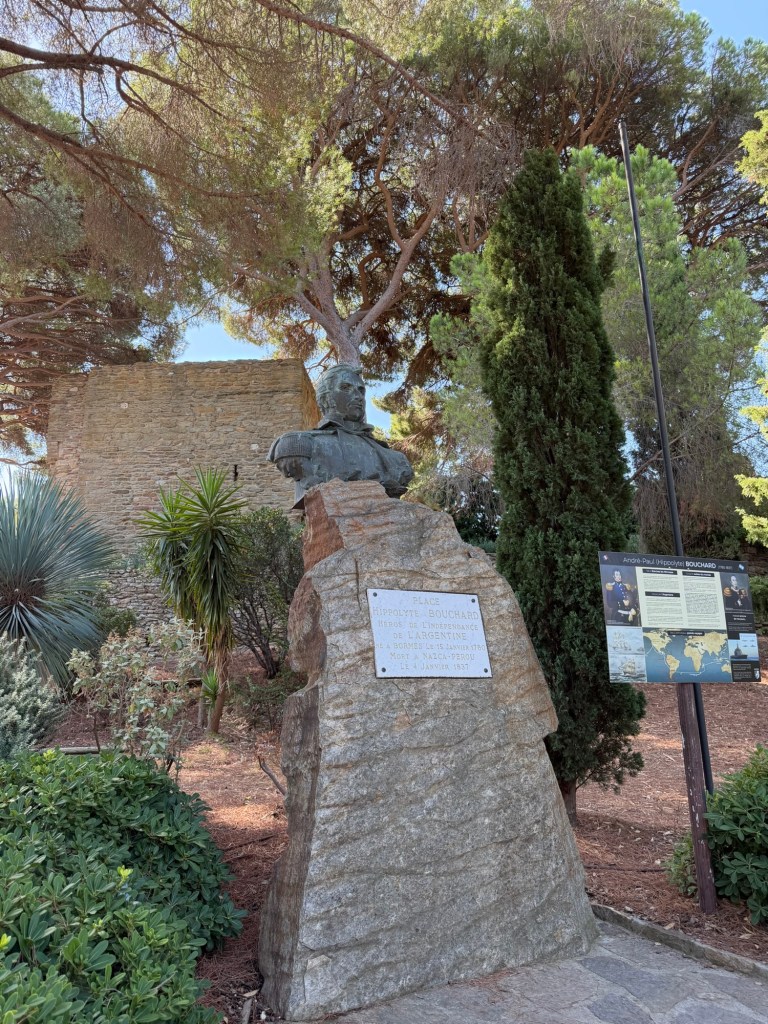
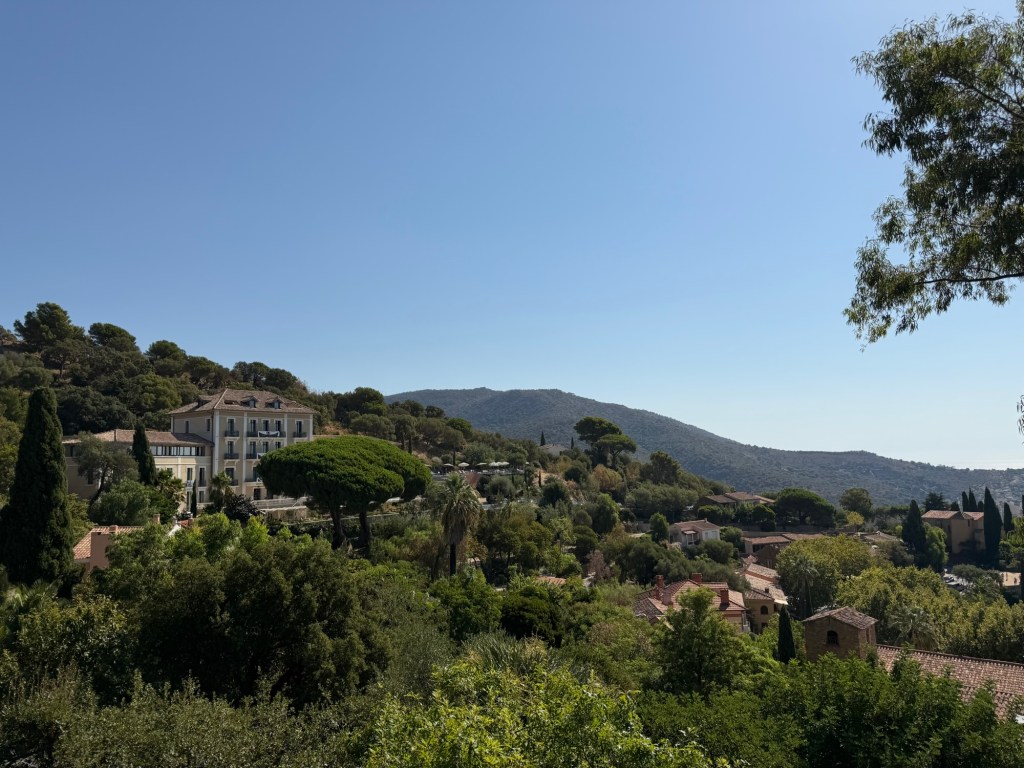
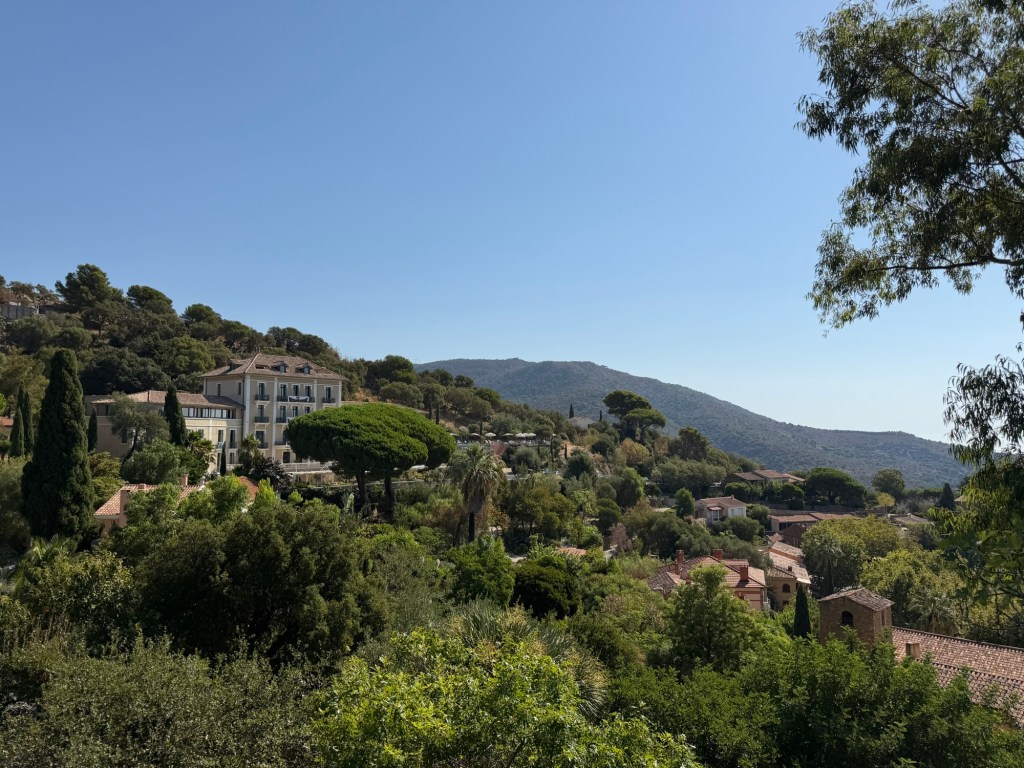
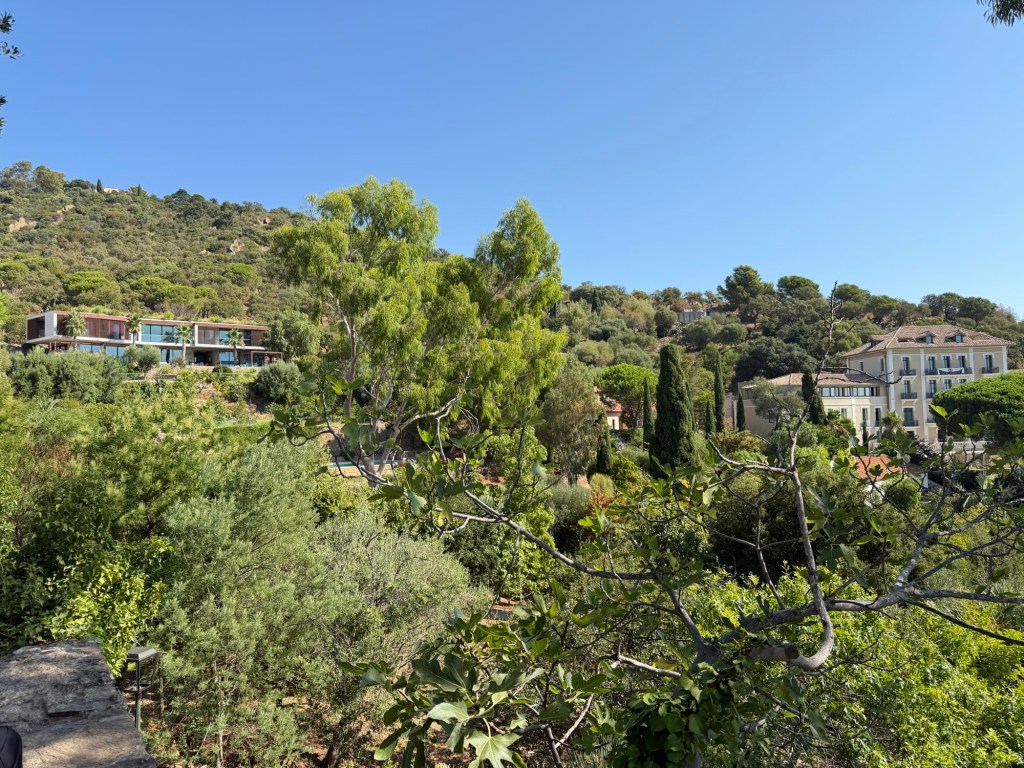
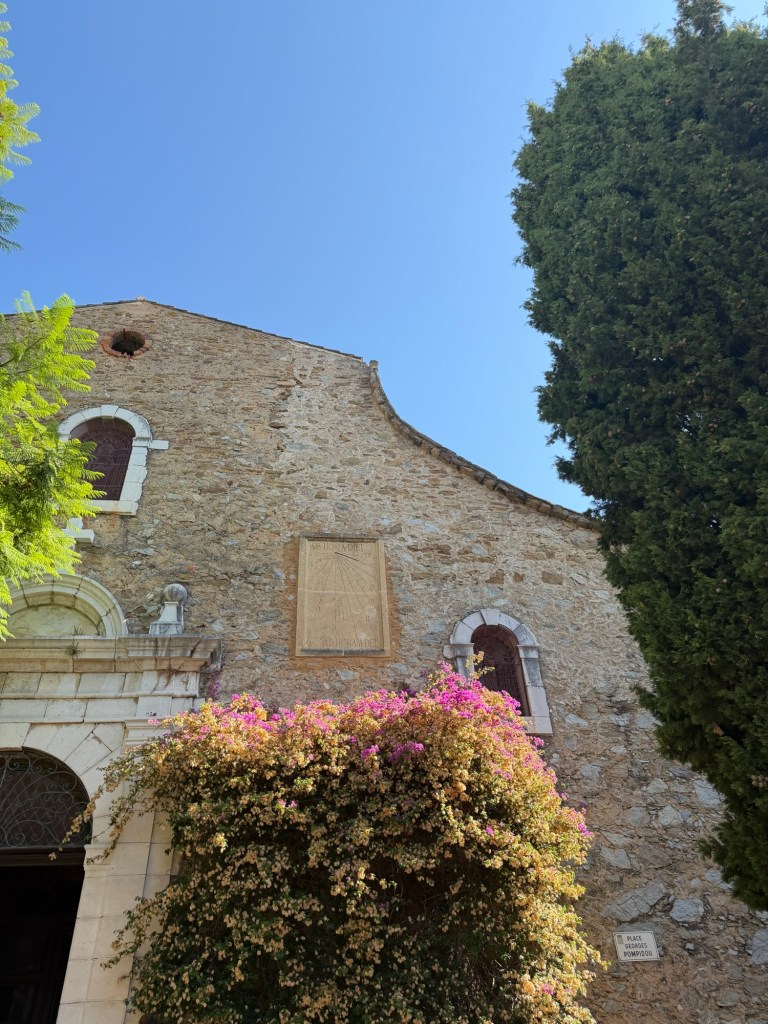
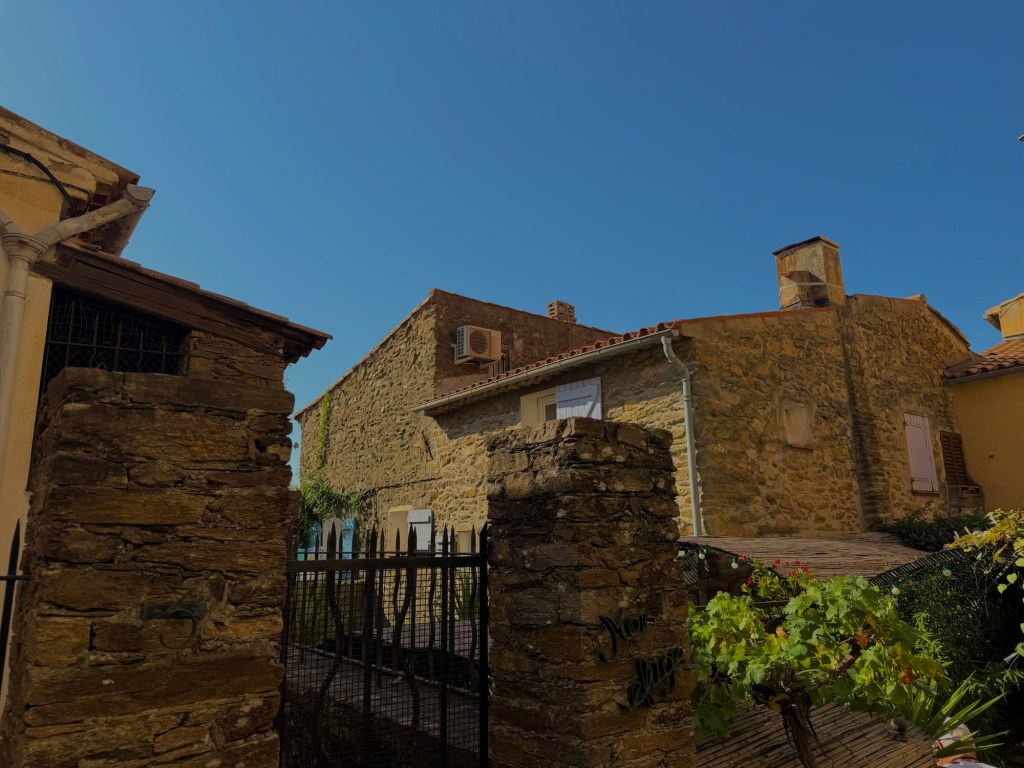
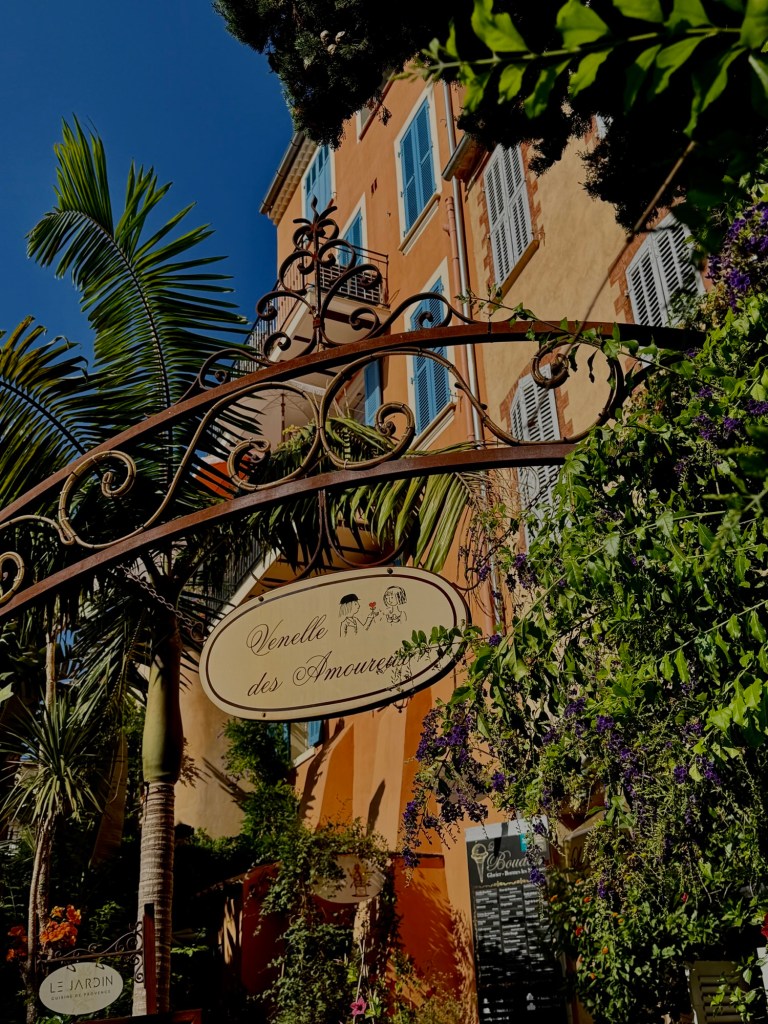
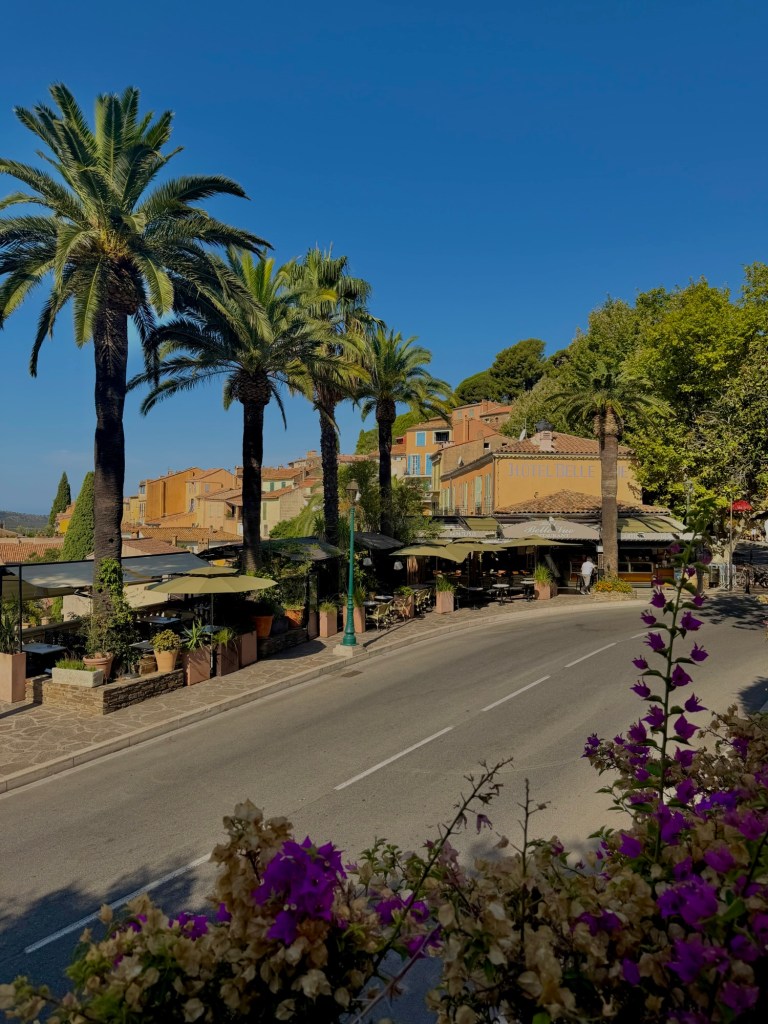
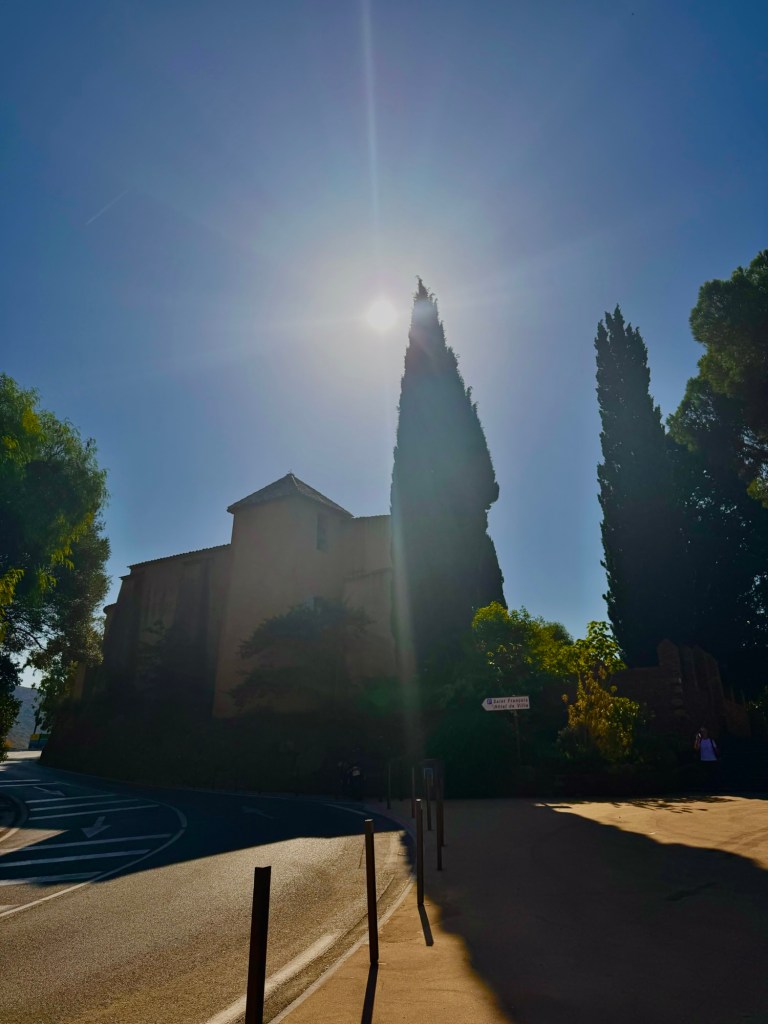
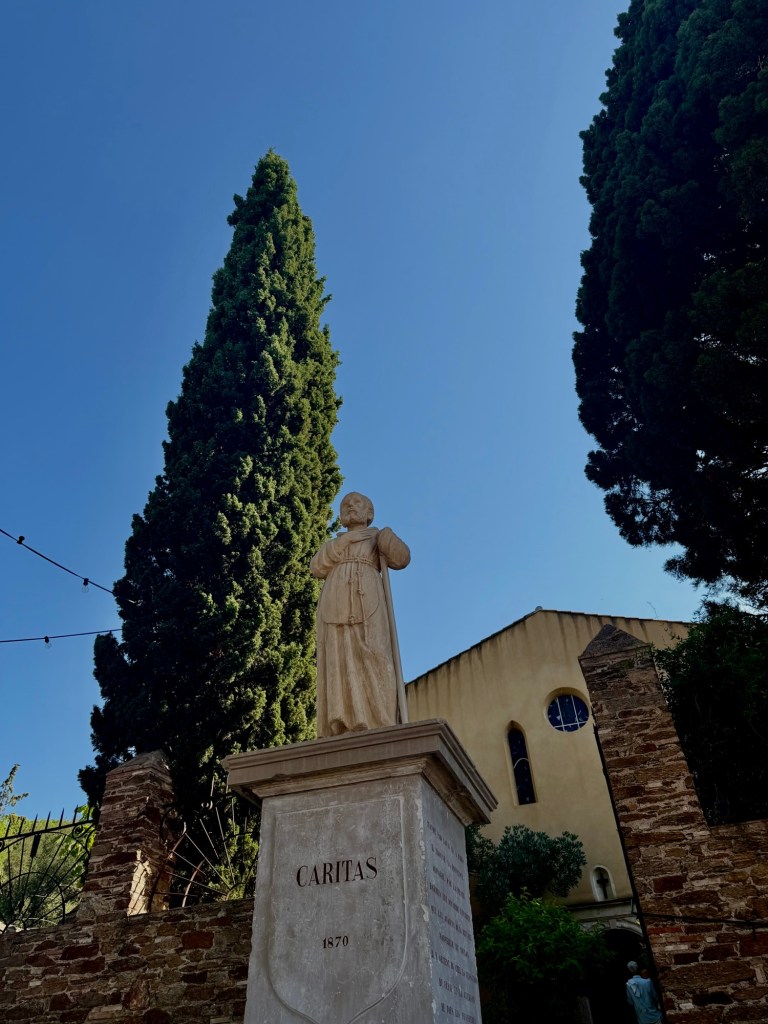
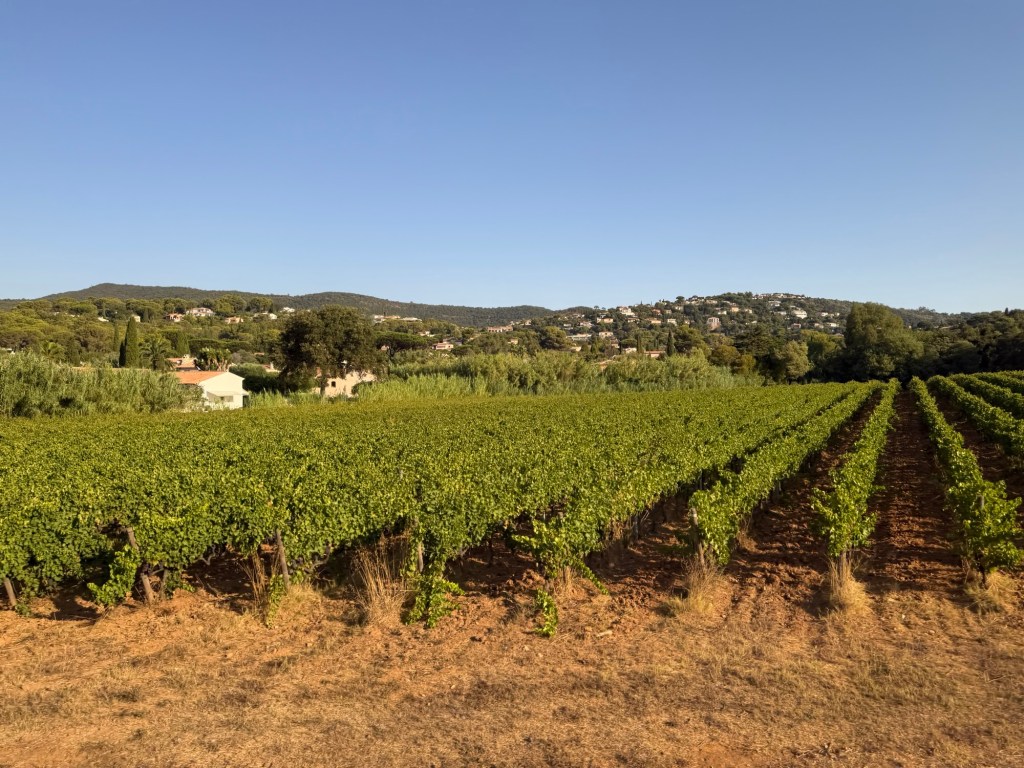
This was one of those places I’d heard about forever, so it was fun to finally see it for myself. We had another beautiful day in the South of France and spent some time exploring before heading out on a separate tour to Bormes-les-Mimosas.

A Side Trip to Bormes-les-Mimosas
This ended up being such a great little stop.
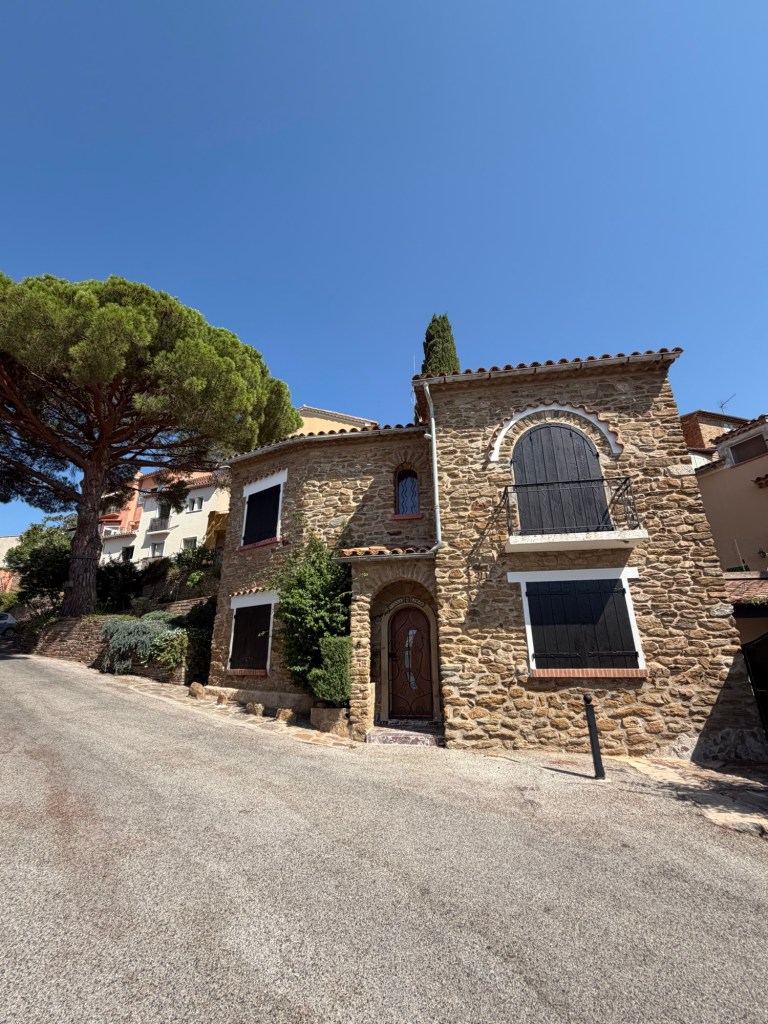
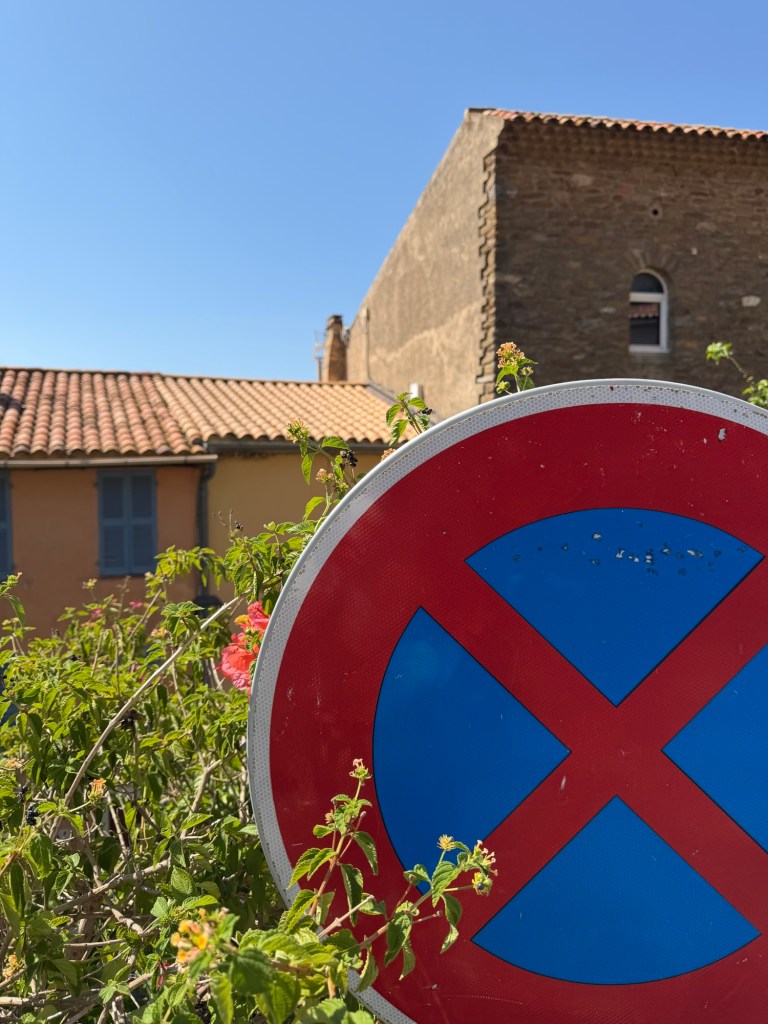
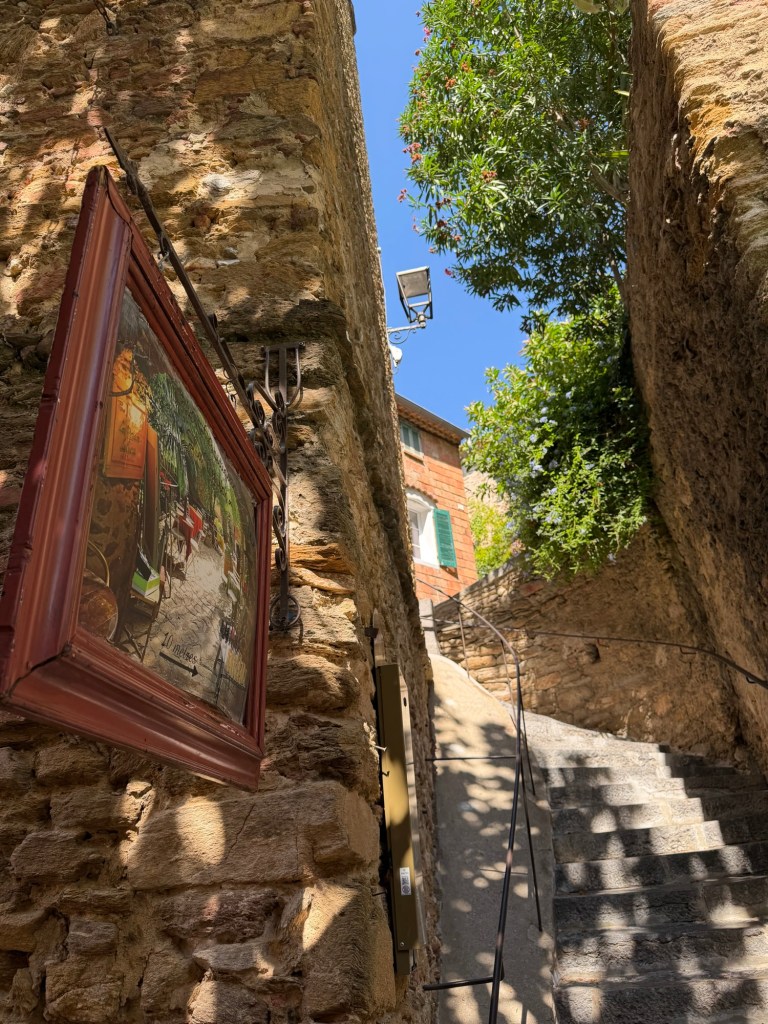
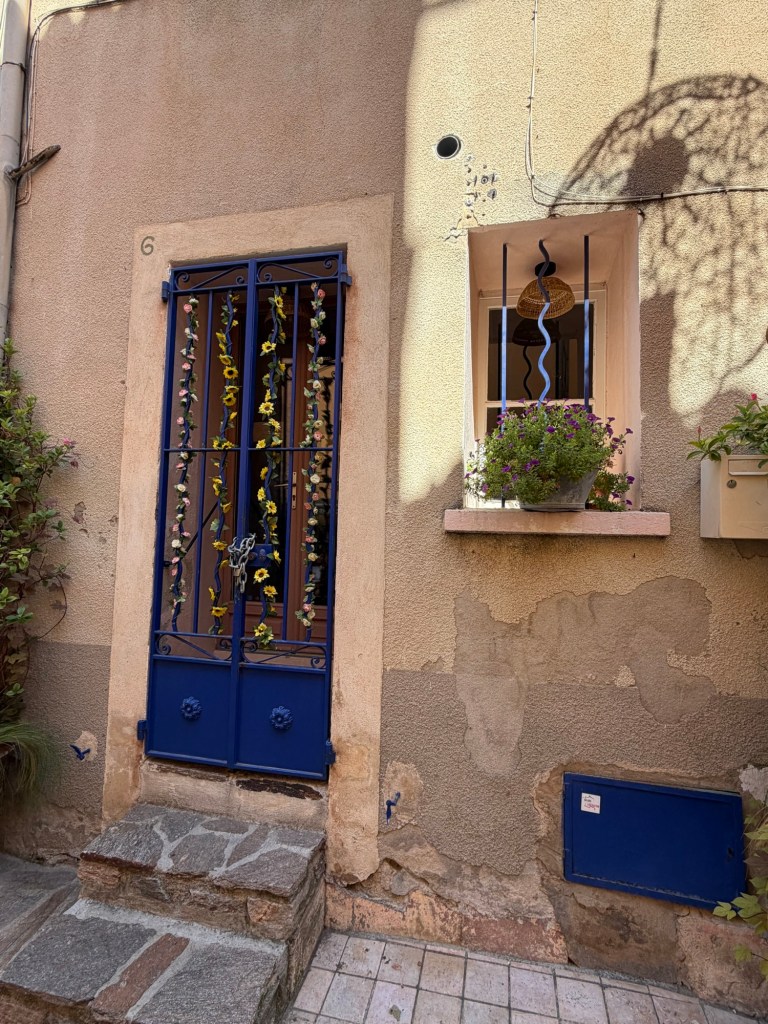
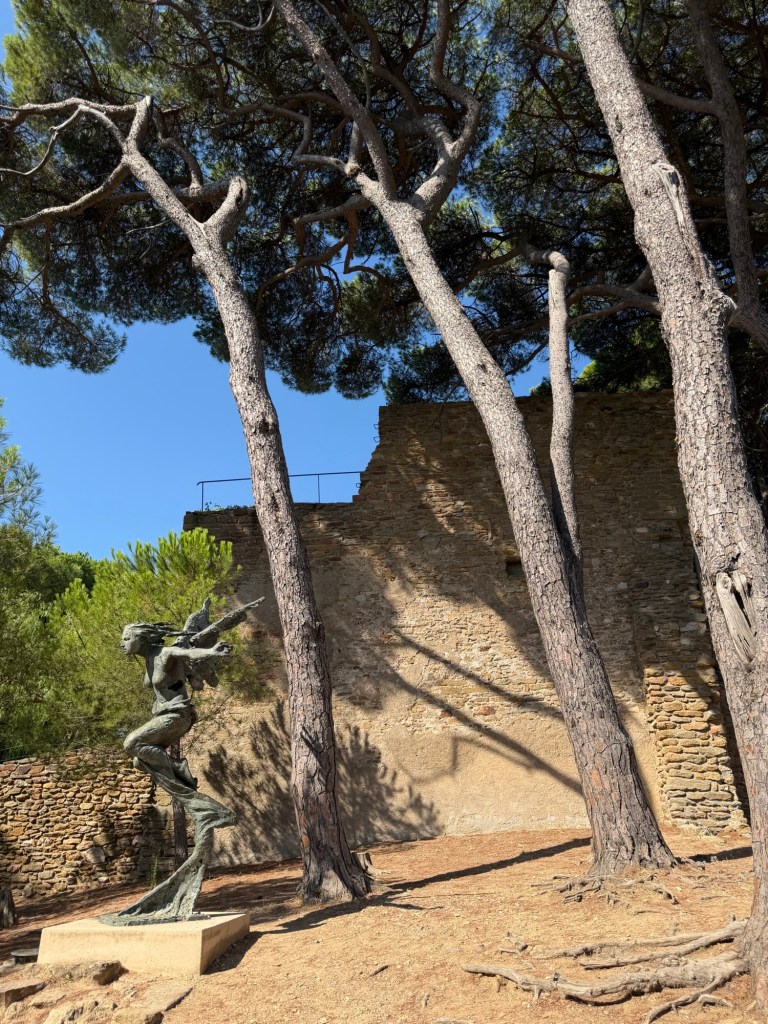
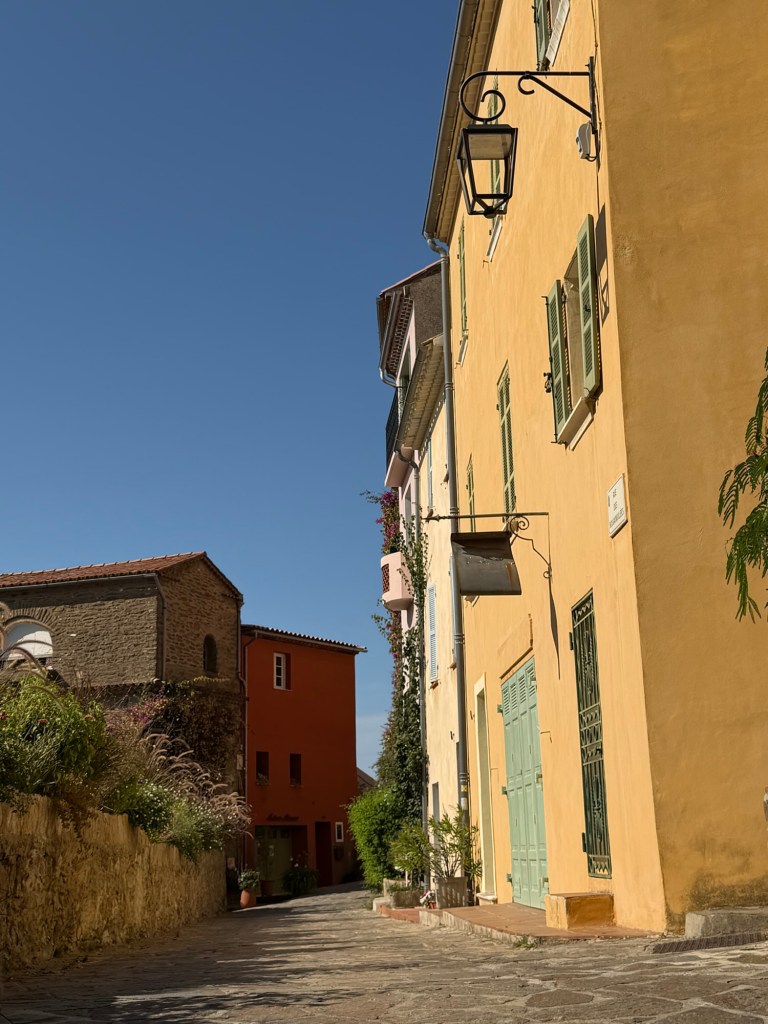
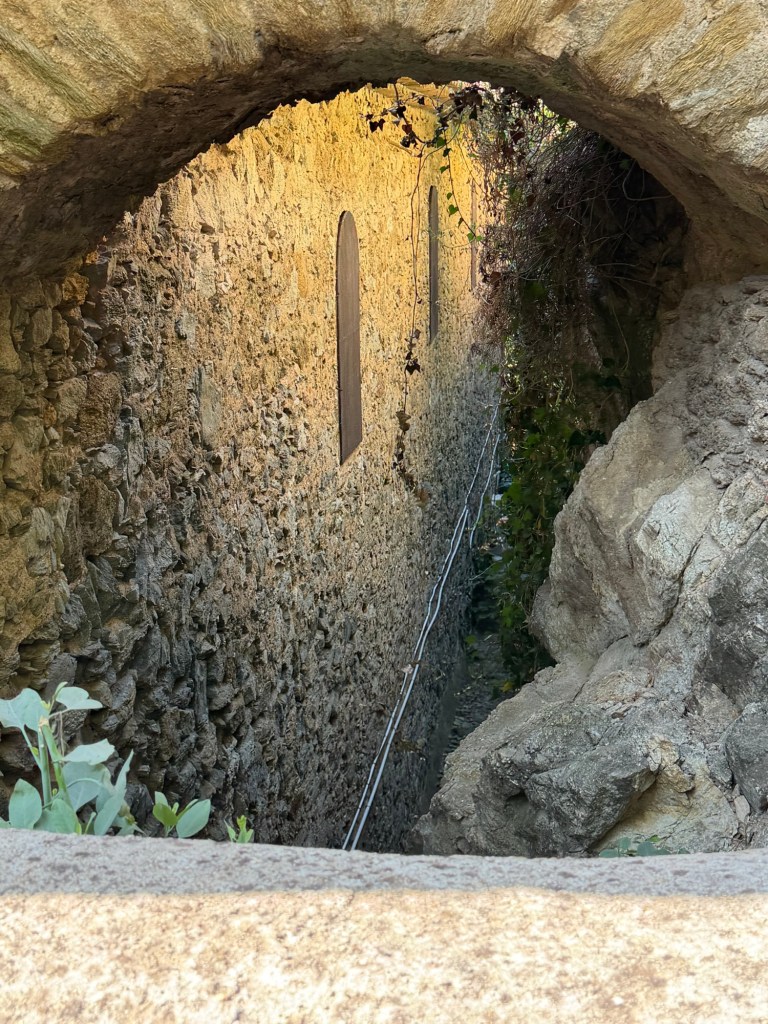
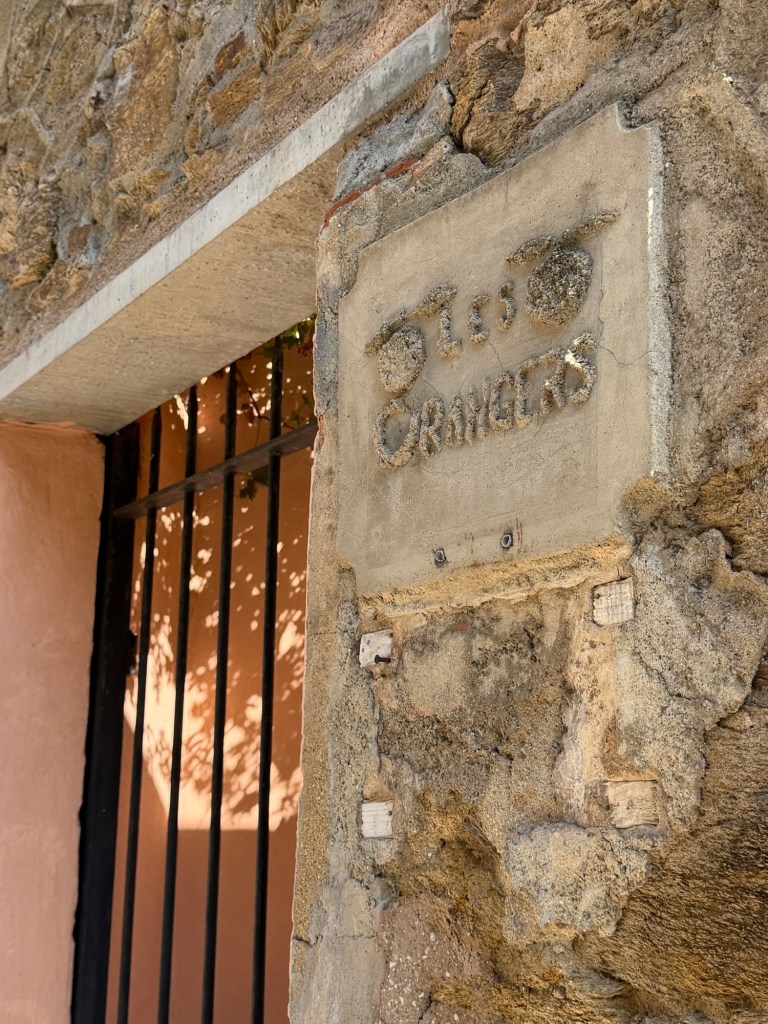
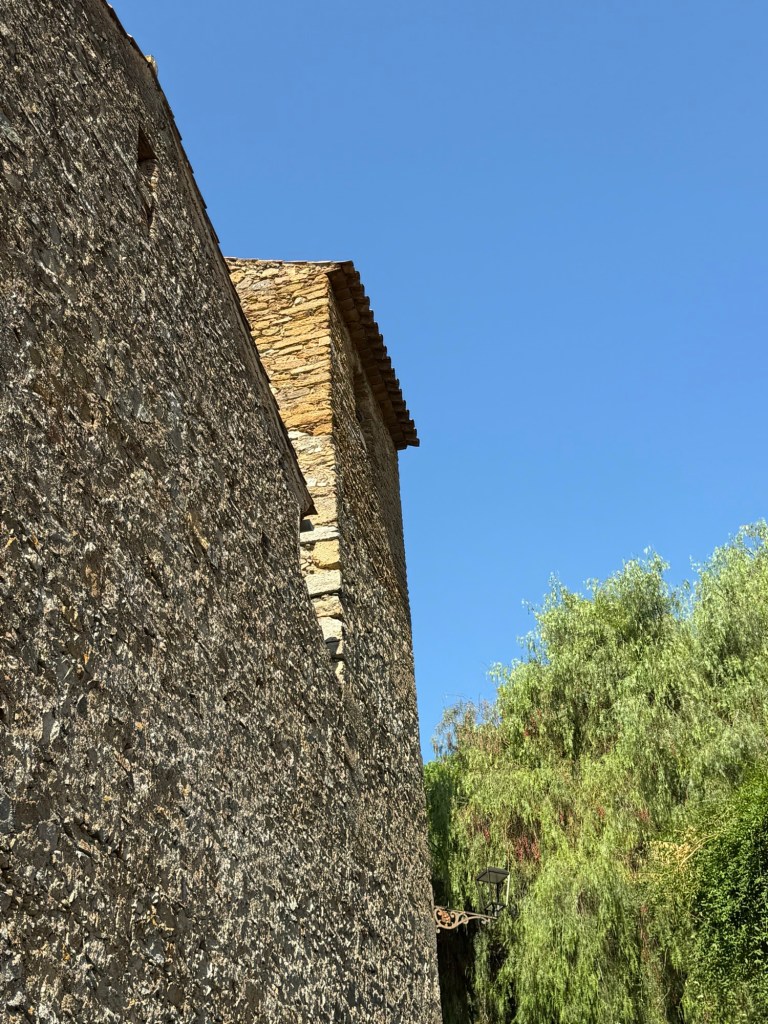
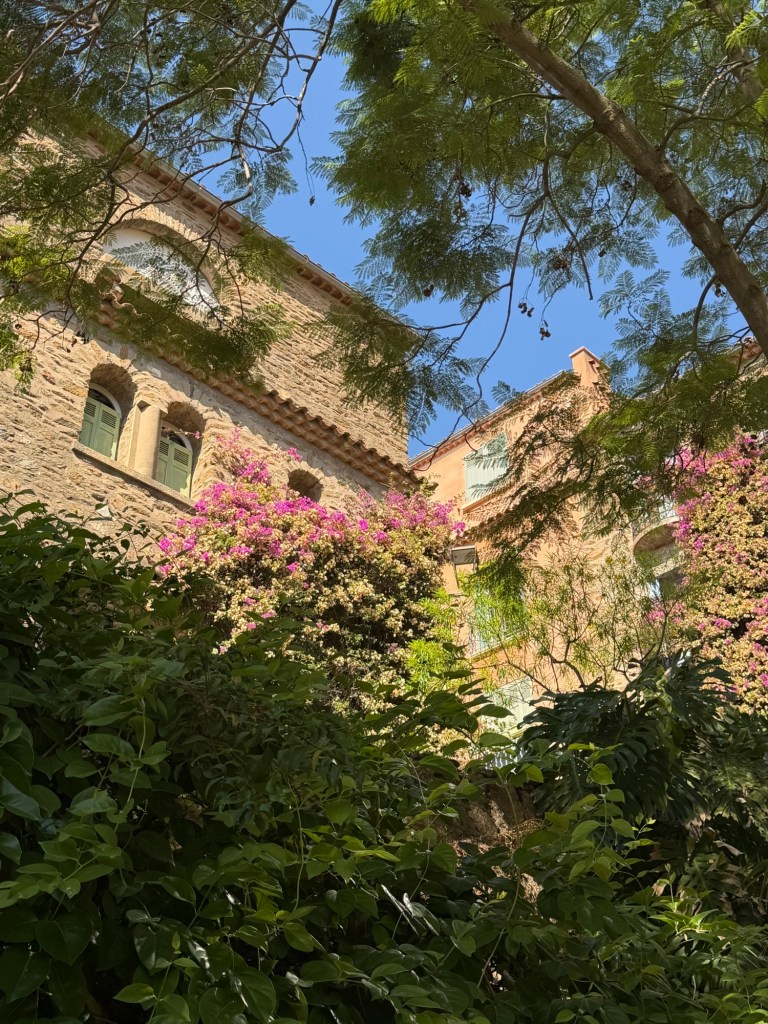
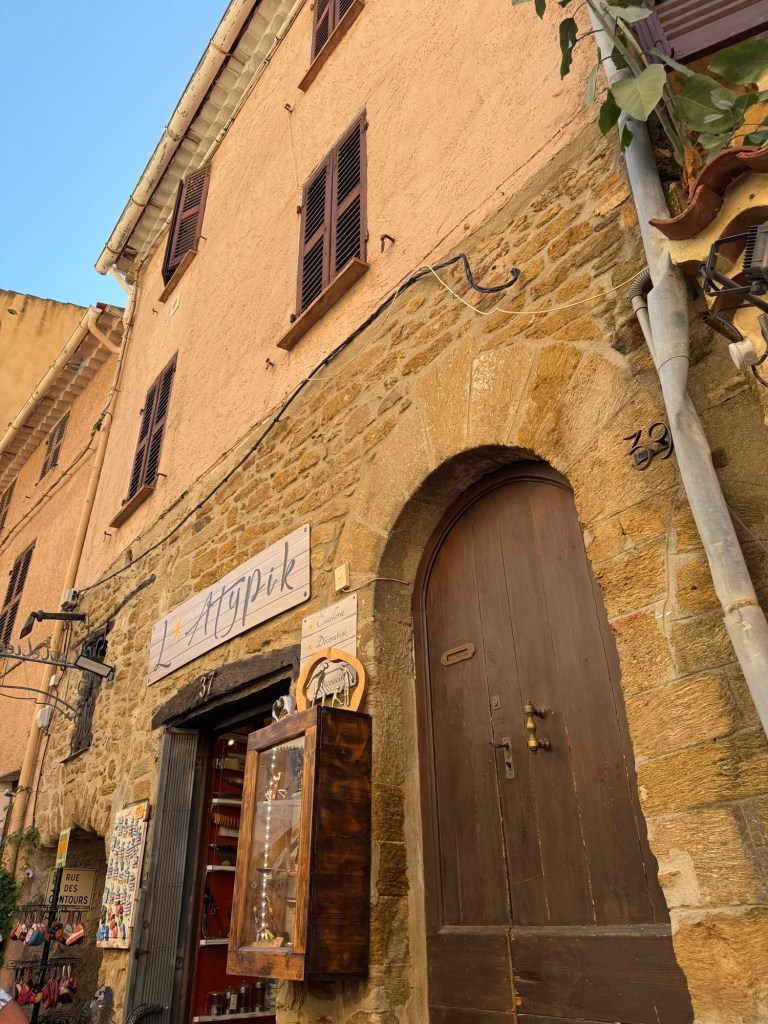
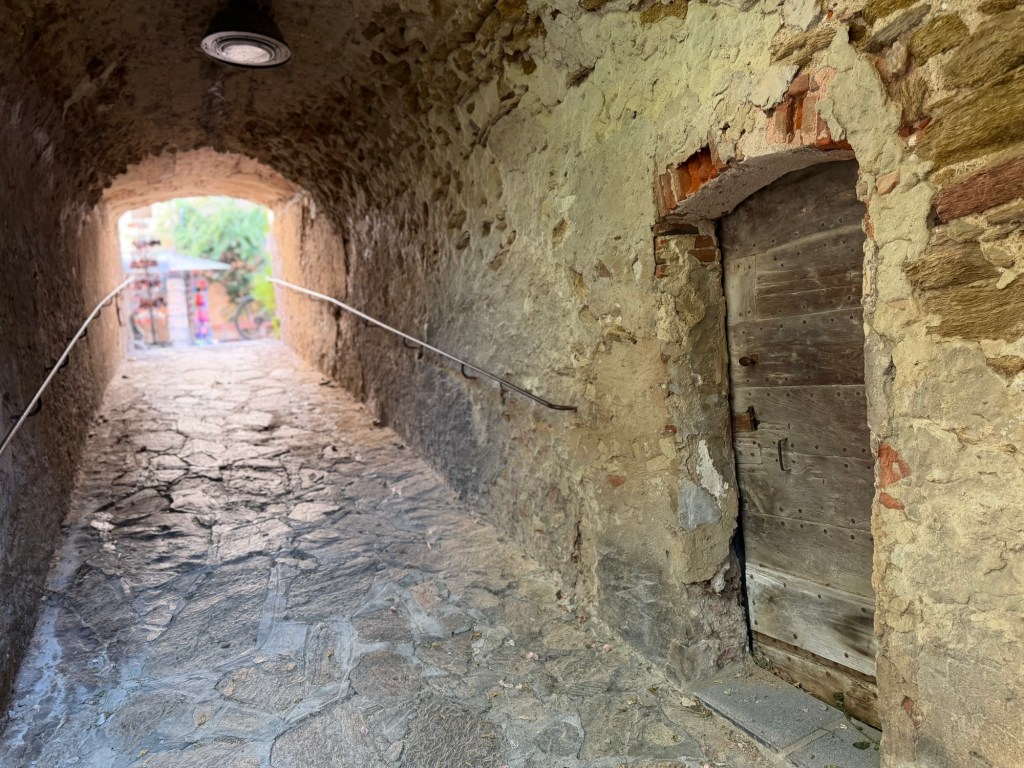
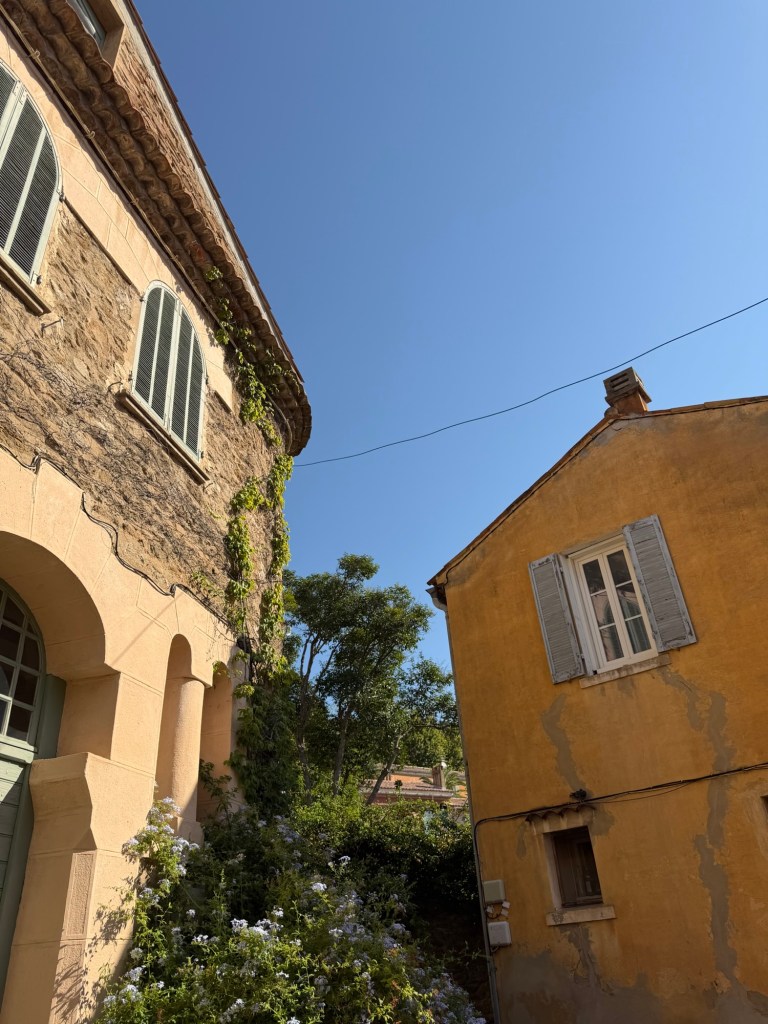
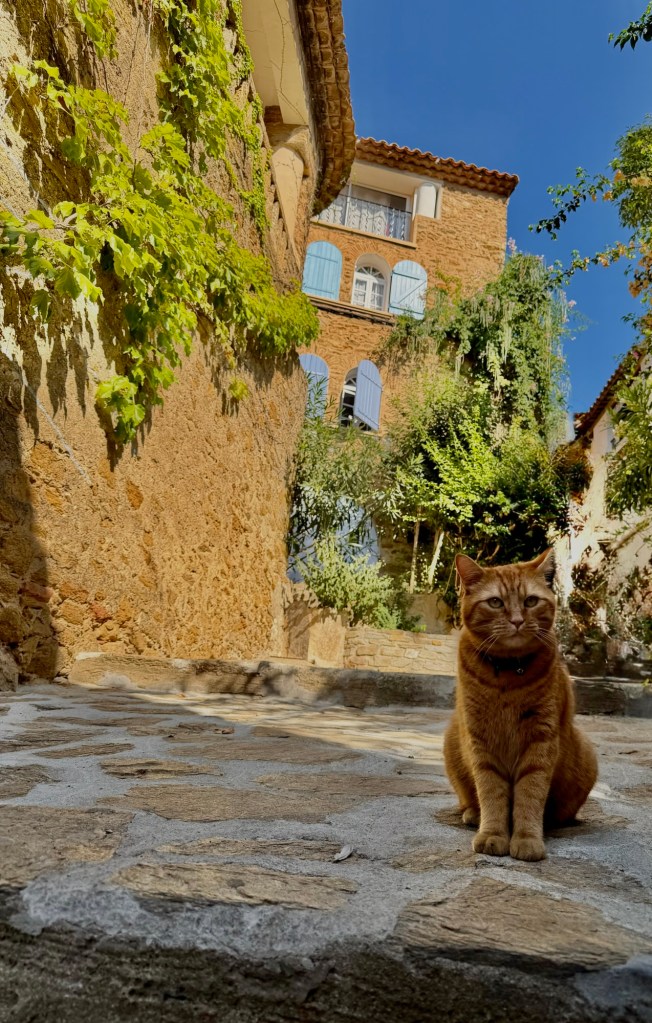
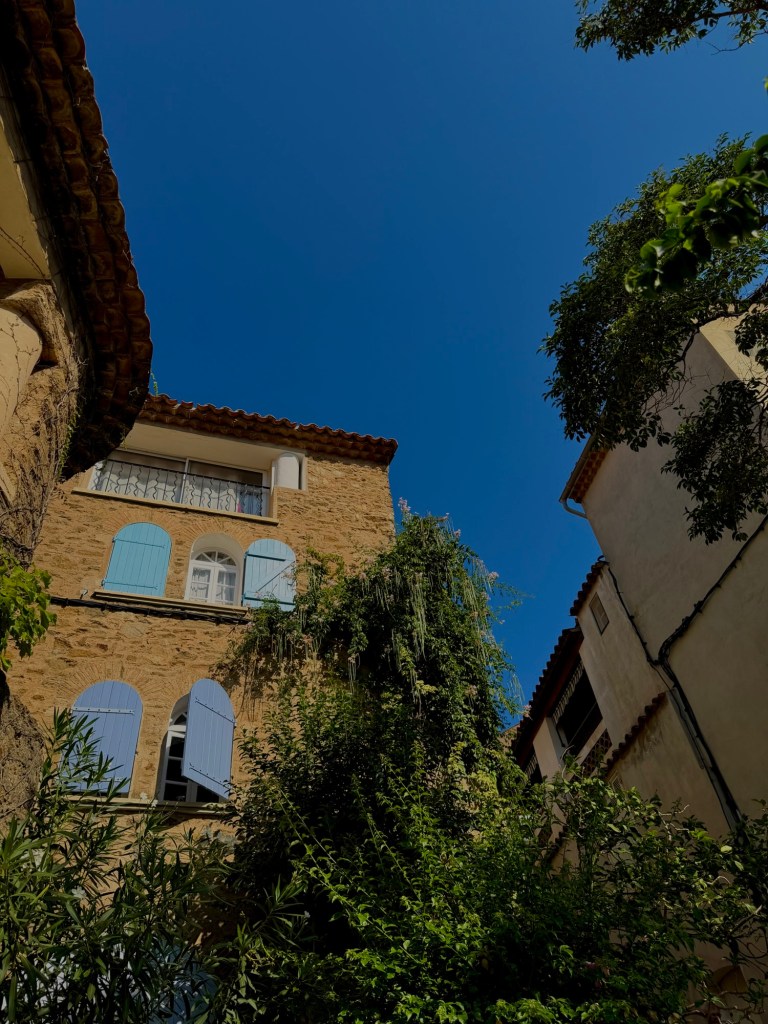
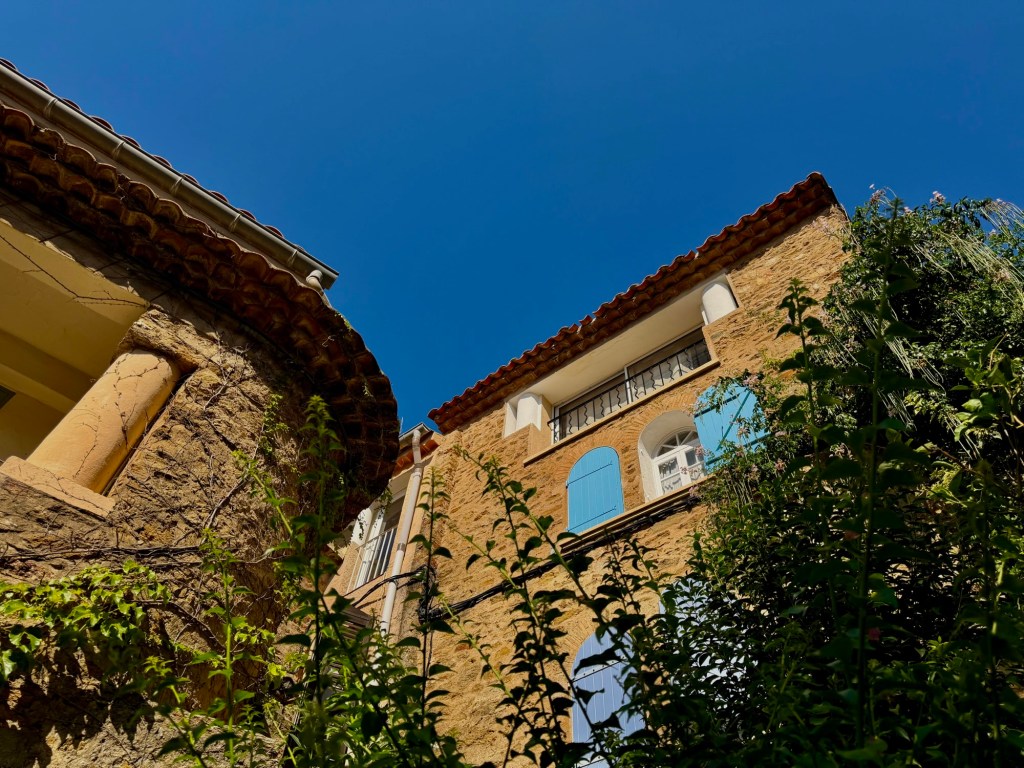
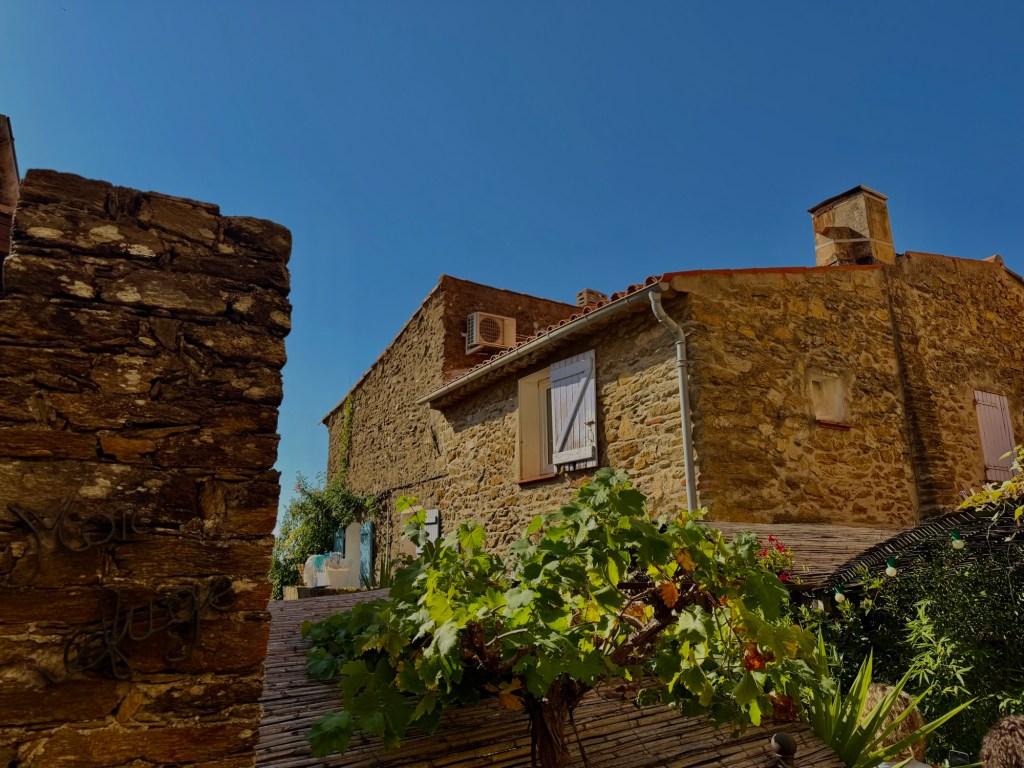
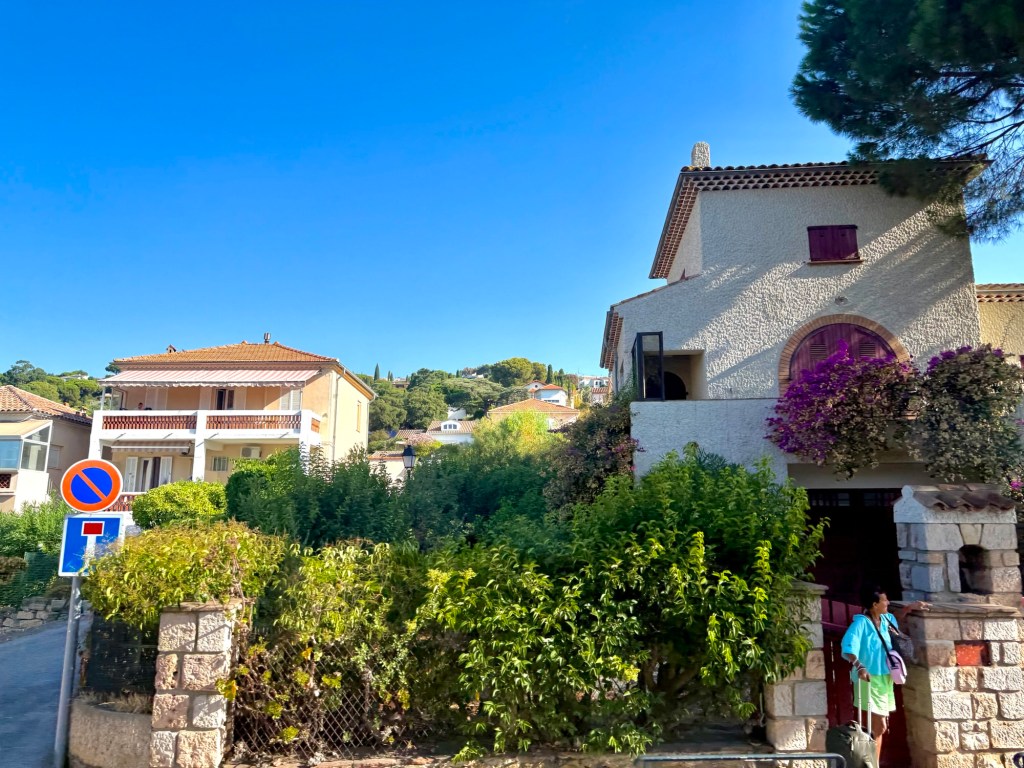
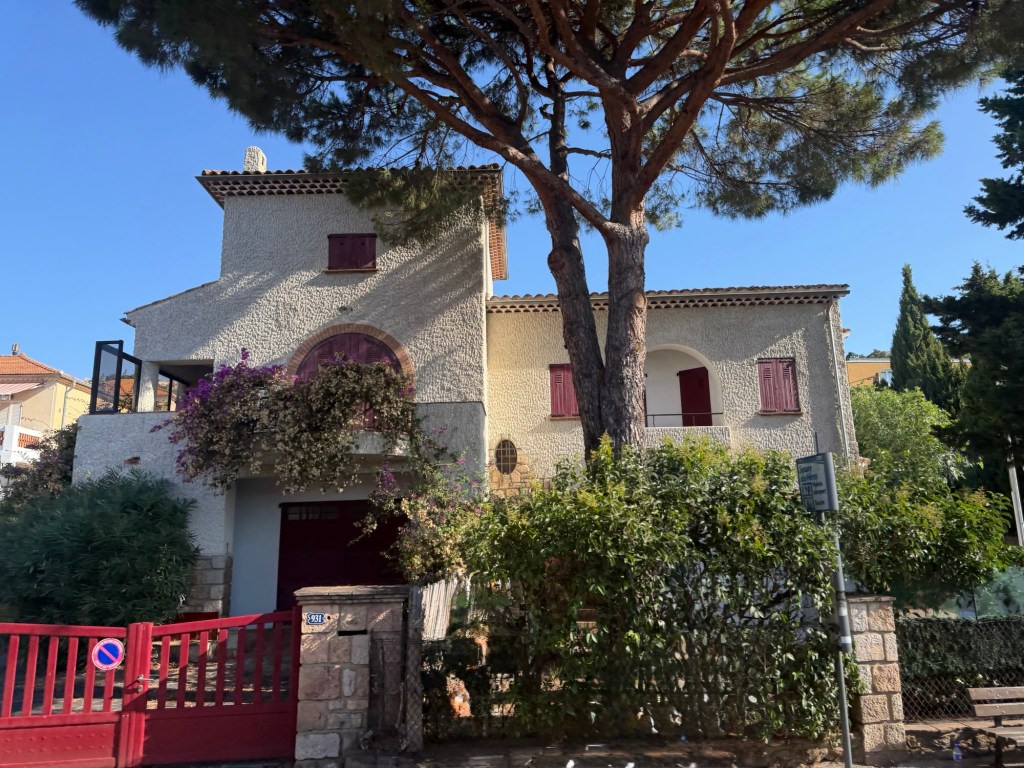
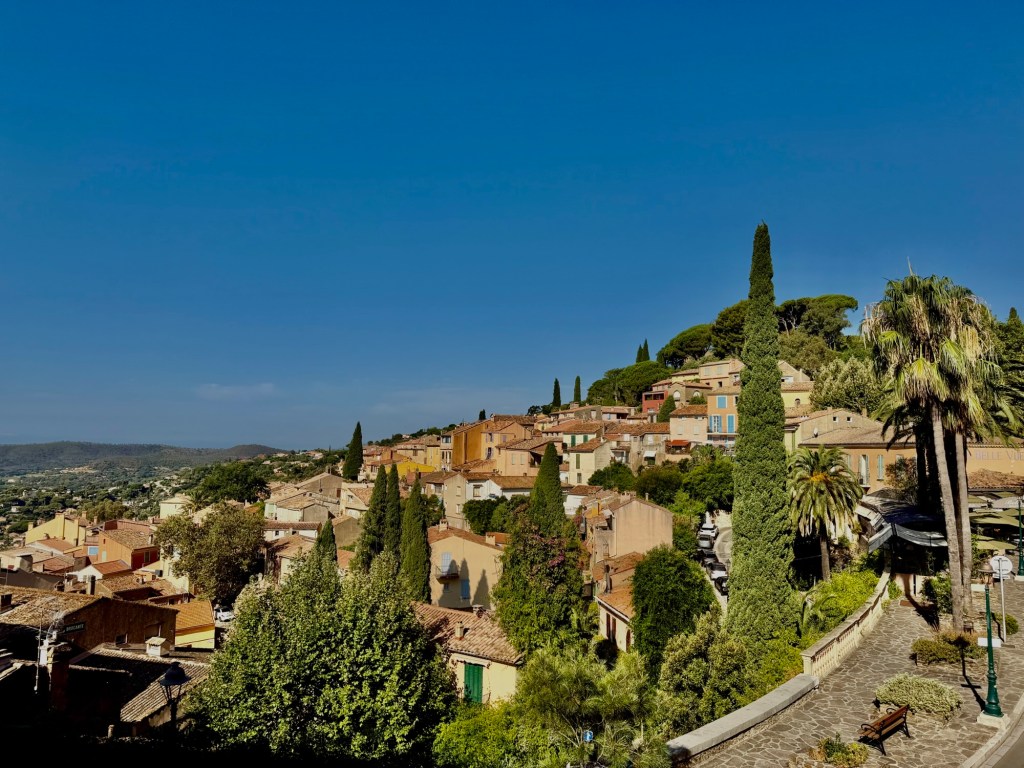
Bormes-les-Mimosas is a beautiful hillside town filled with stone houses, narrow streets, colorful flowers and small shops tucked into places you’d probably miss if you were walking too fast.
We wandered through the streets, climbed more stairs than I was expecting, stopped in some of the little shops and just took our time looking around. Everywhere you turned there seemed to be another doorway, stone building or view worth stopping for.
It was quiet, charming and felt completely different from Monaco and Saint-Tropez.
Sometimes the smaller stops end up being the ones you remember most.
03 — CARTAGENA 🇪🇸
Spain


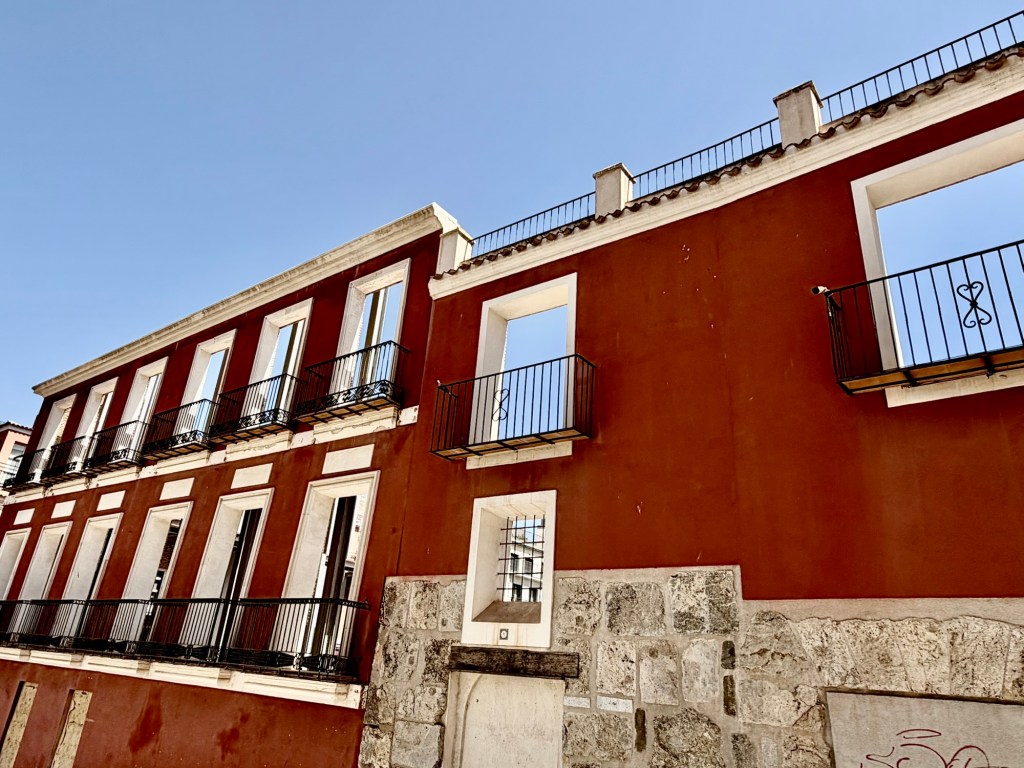
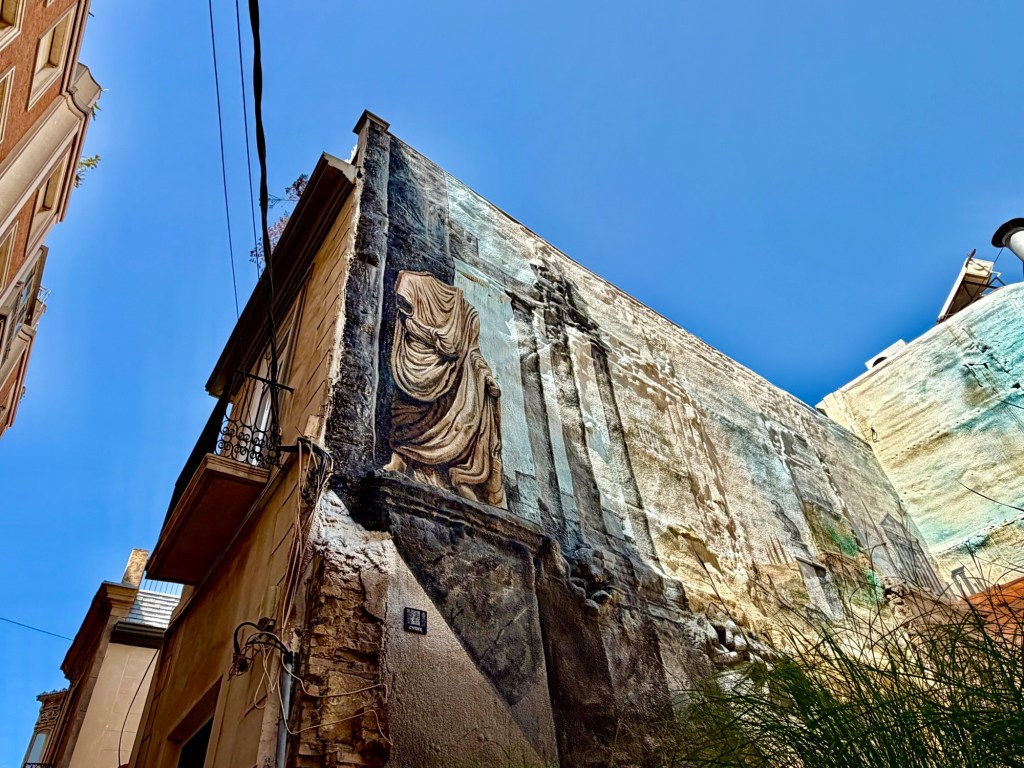
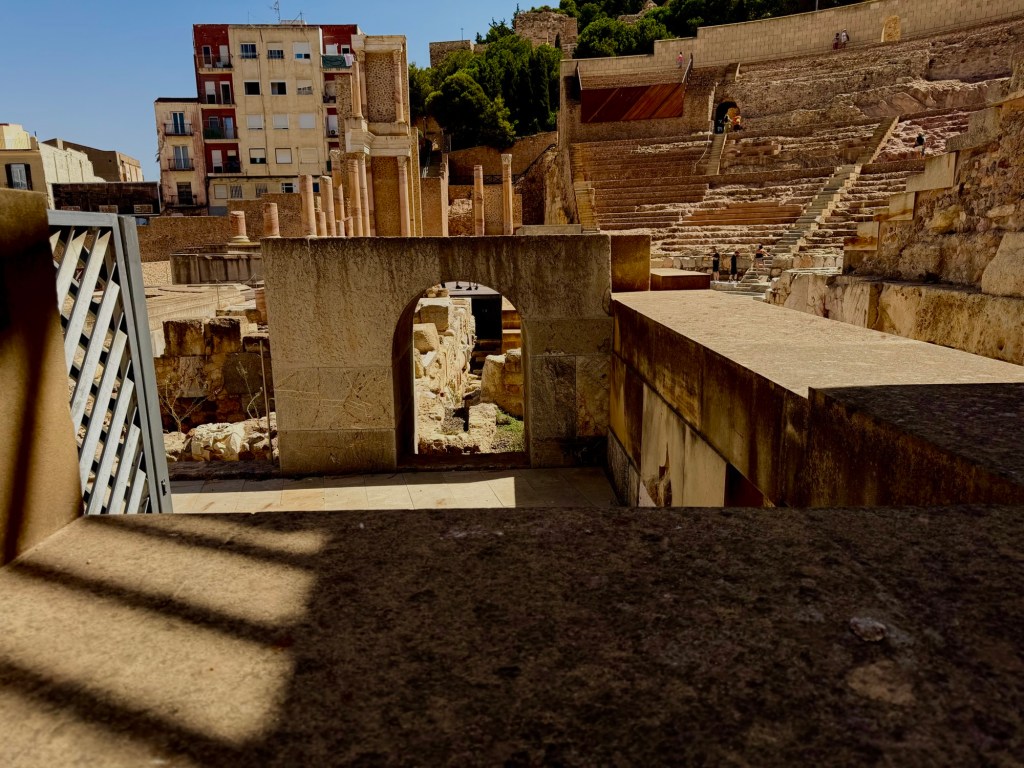
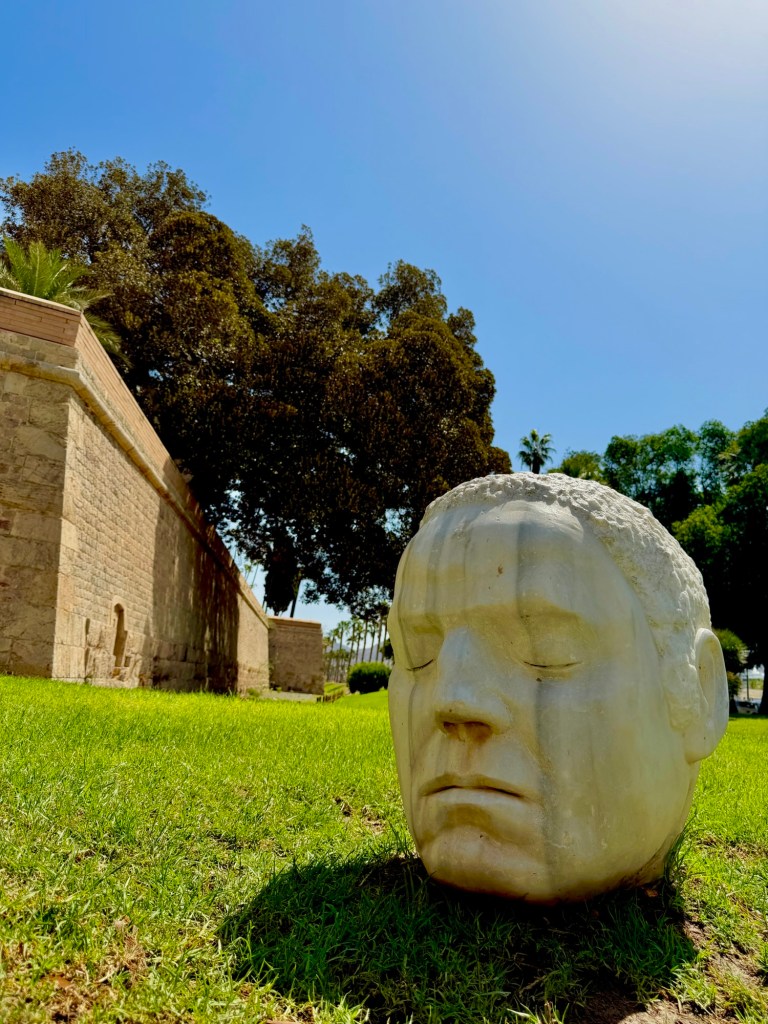
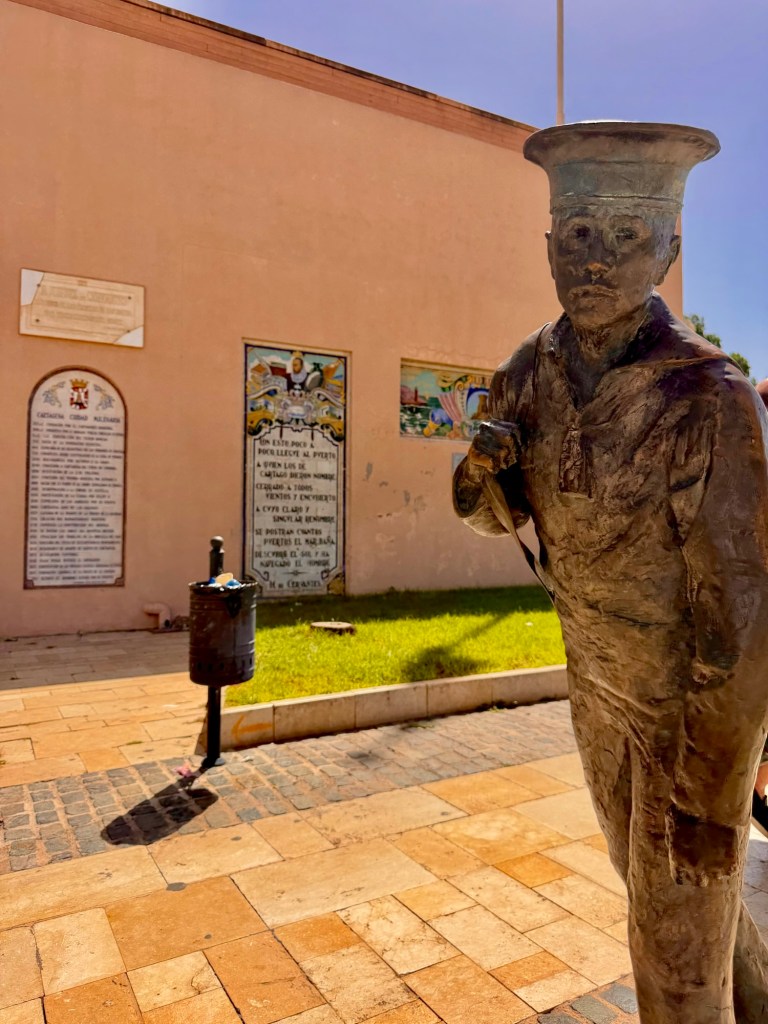
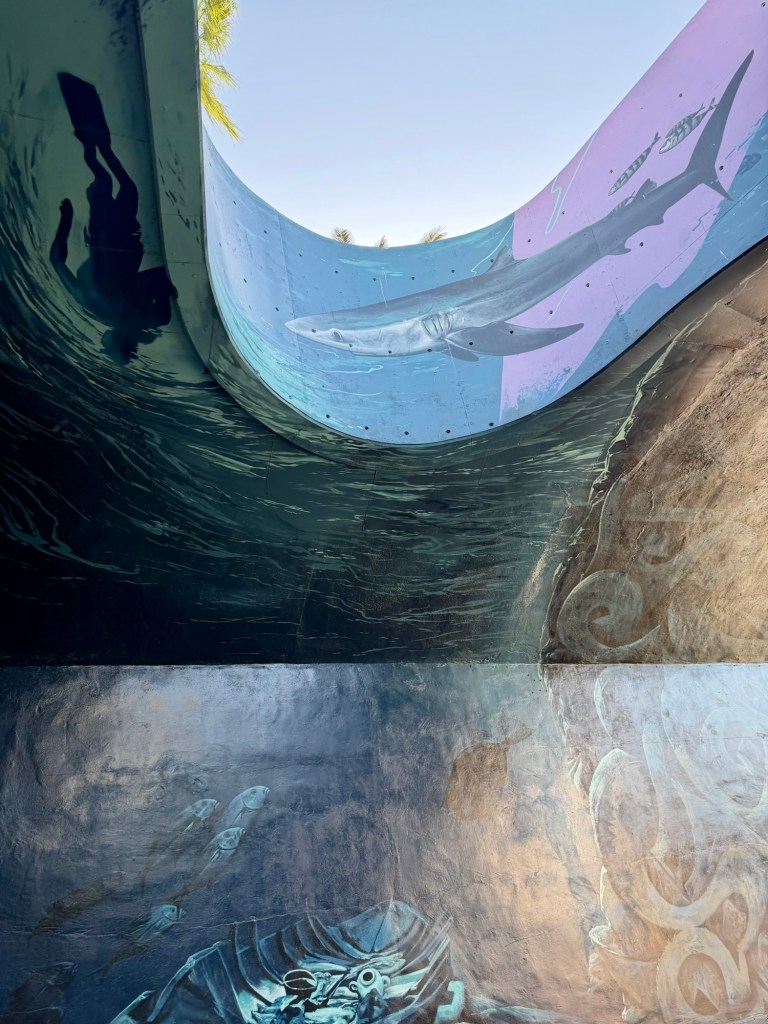
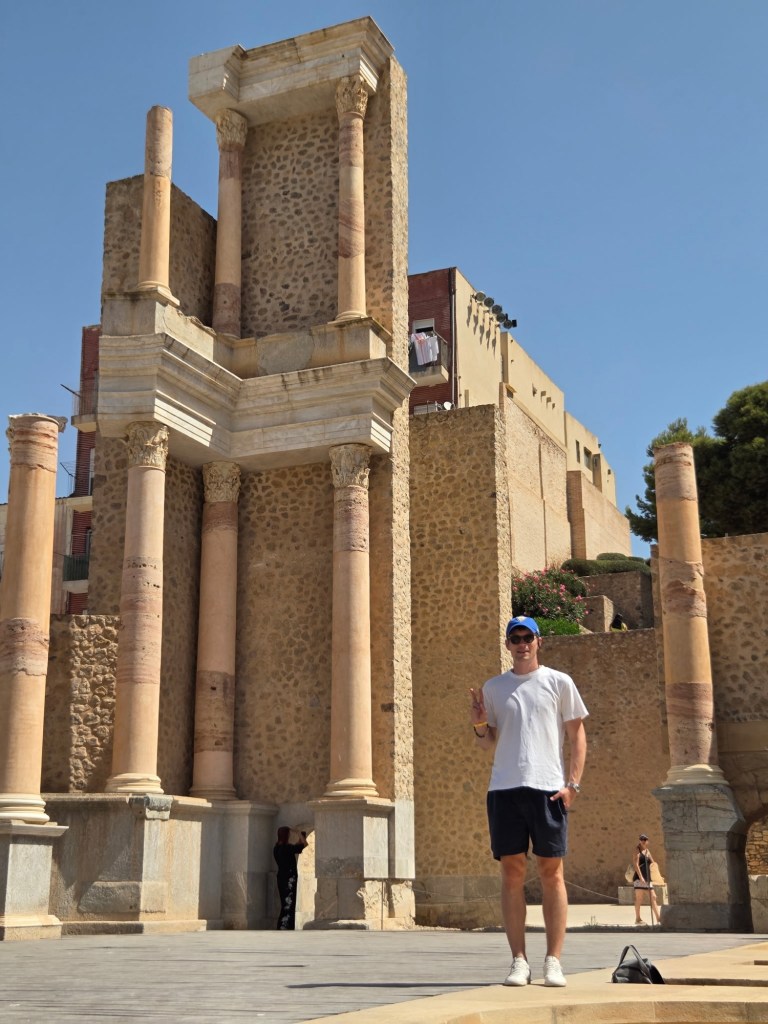
04 — VALENCIA 🇪🇸
Spain
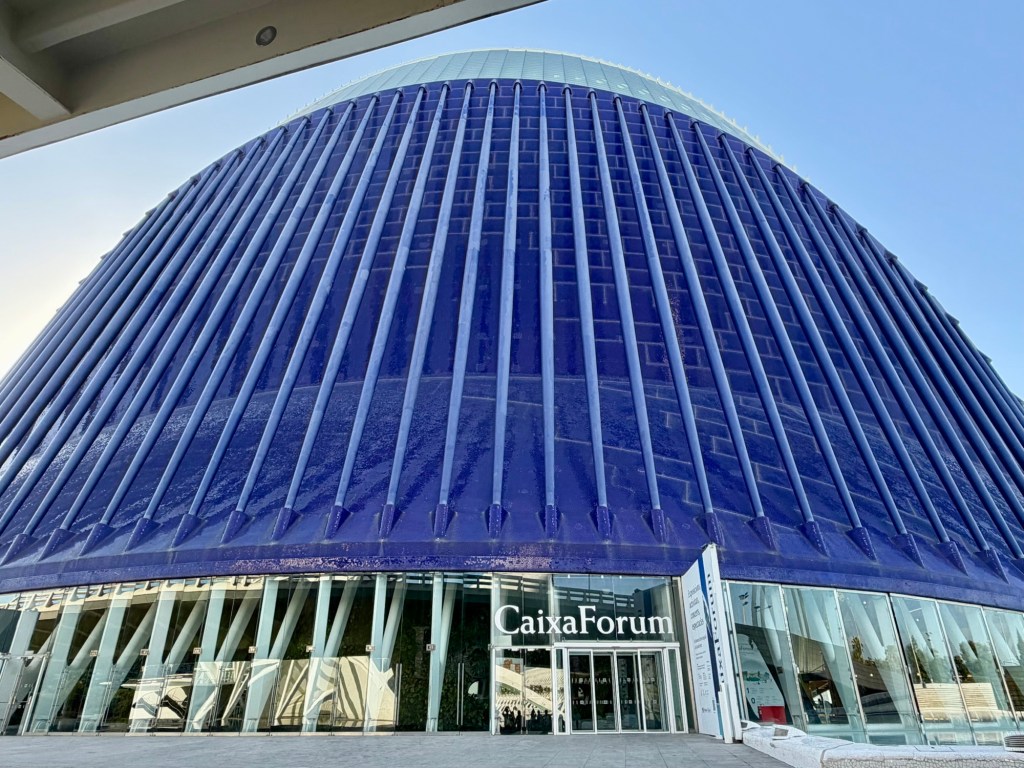
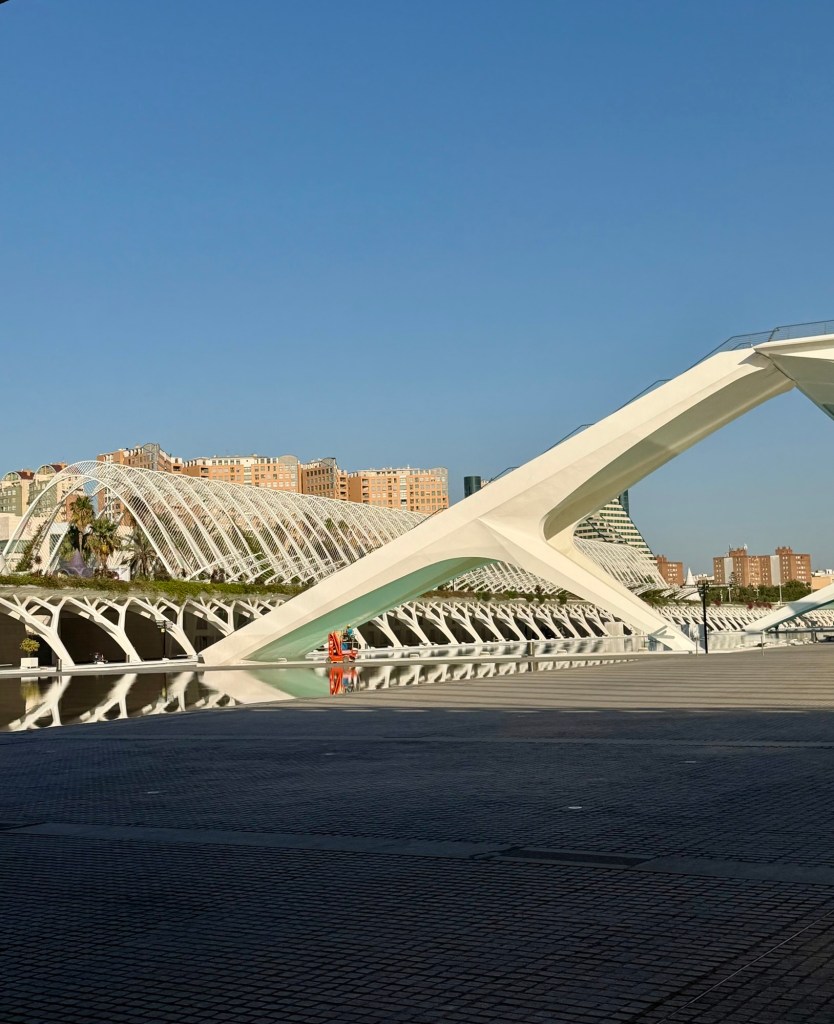
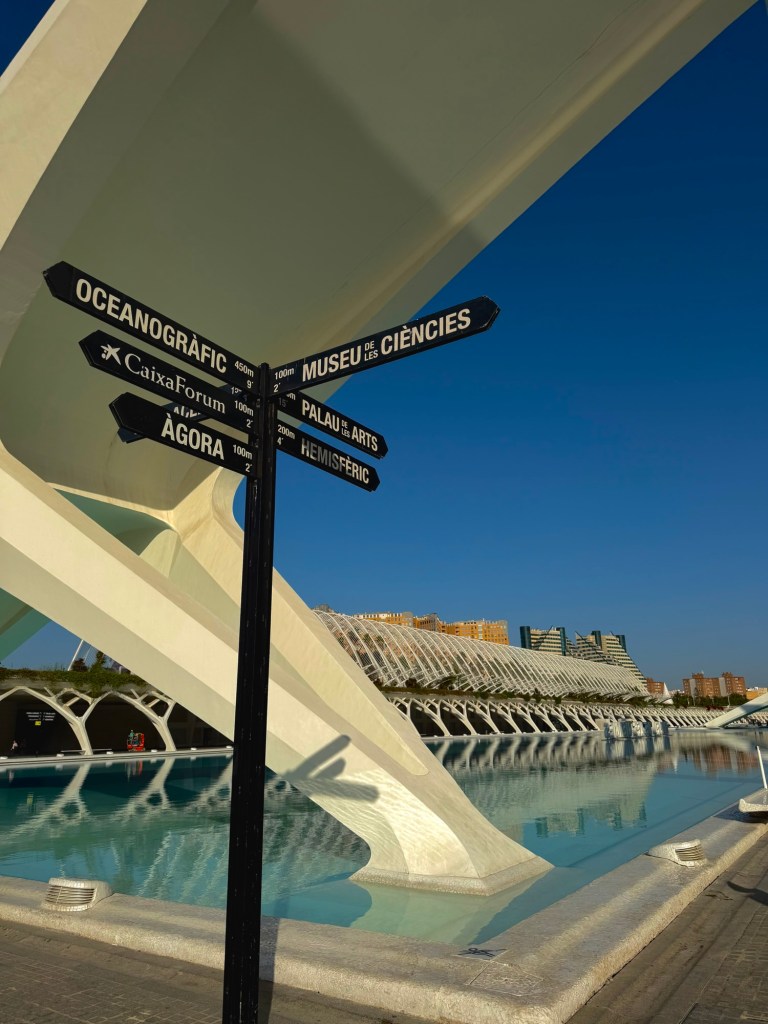
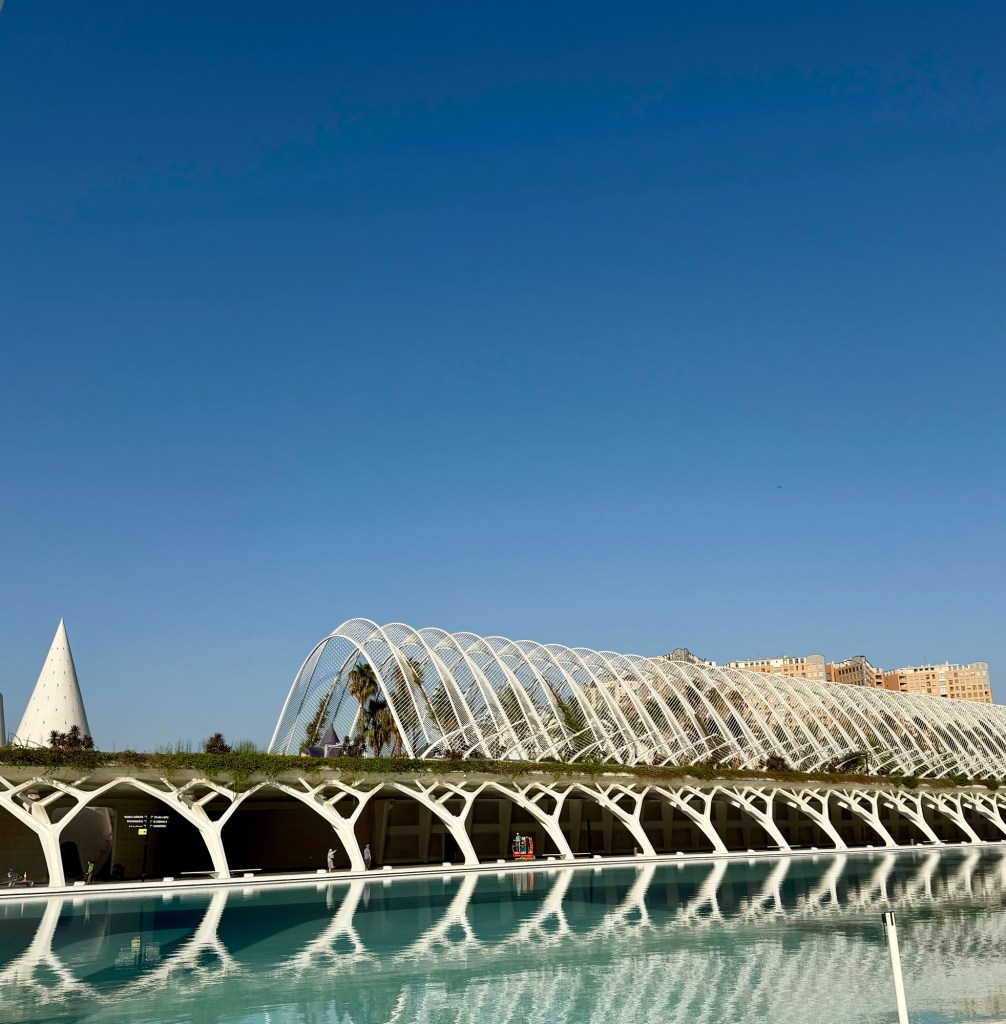
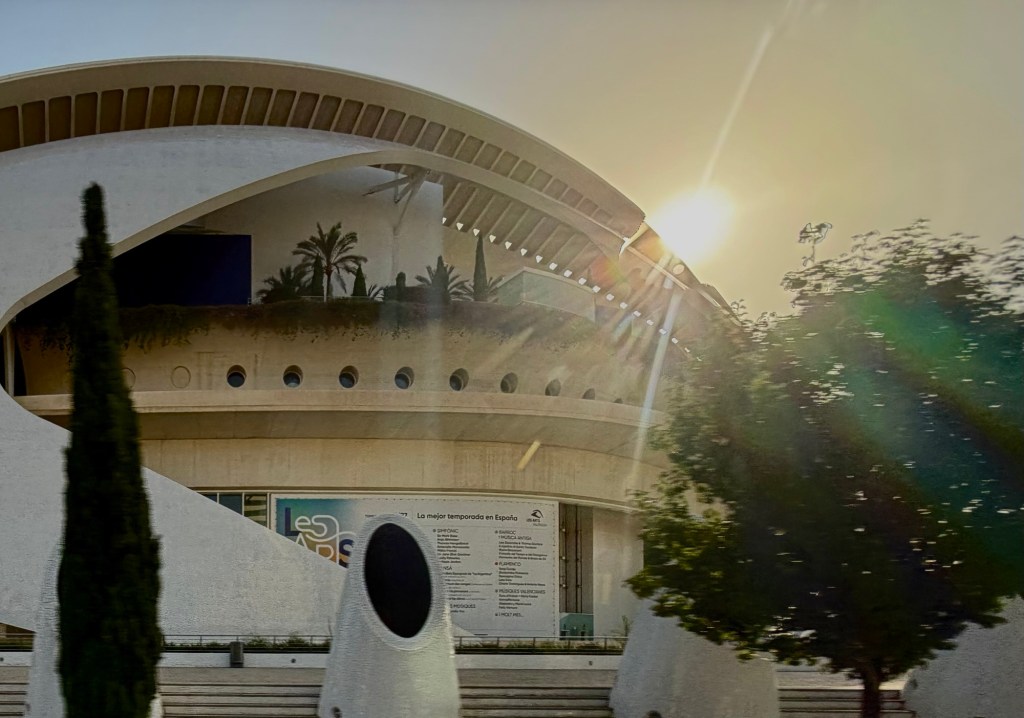
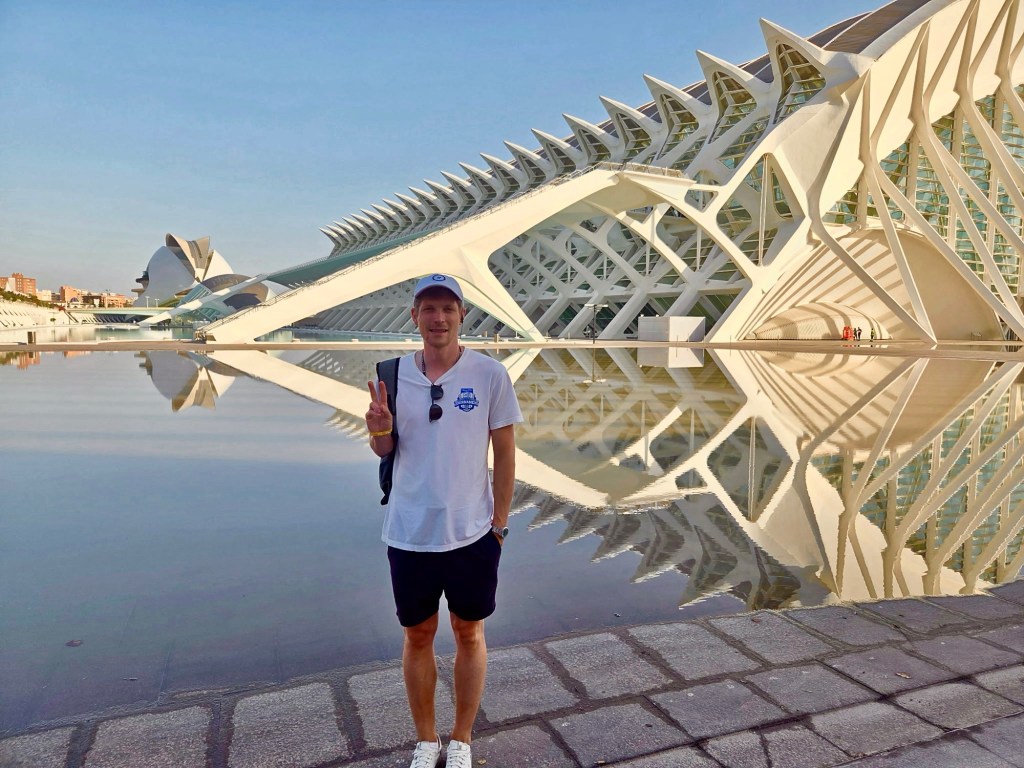
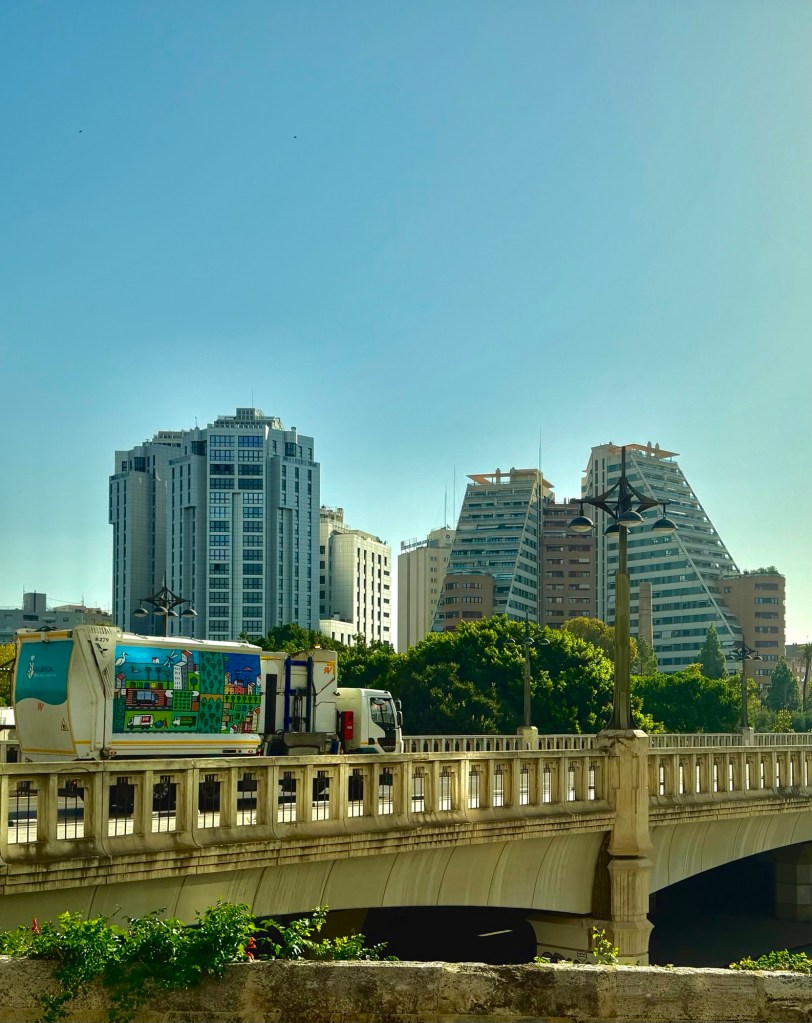
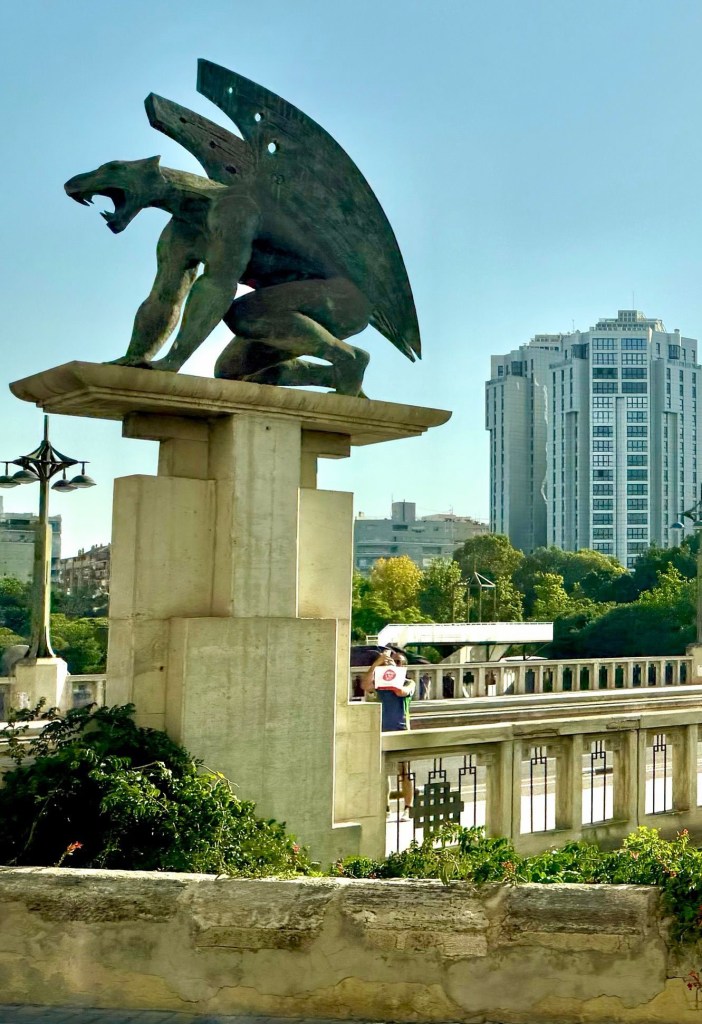
Valencia — Where the Future and the Past Share the Same Street
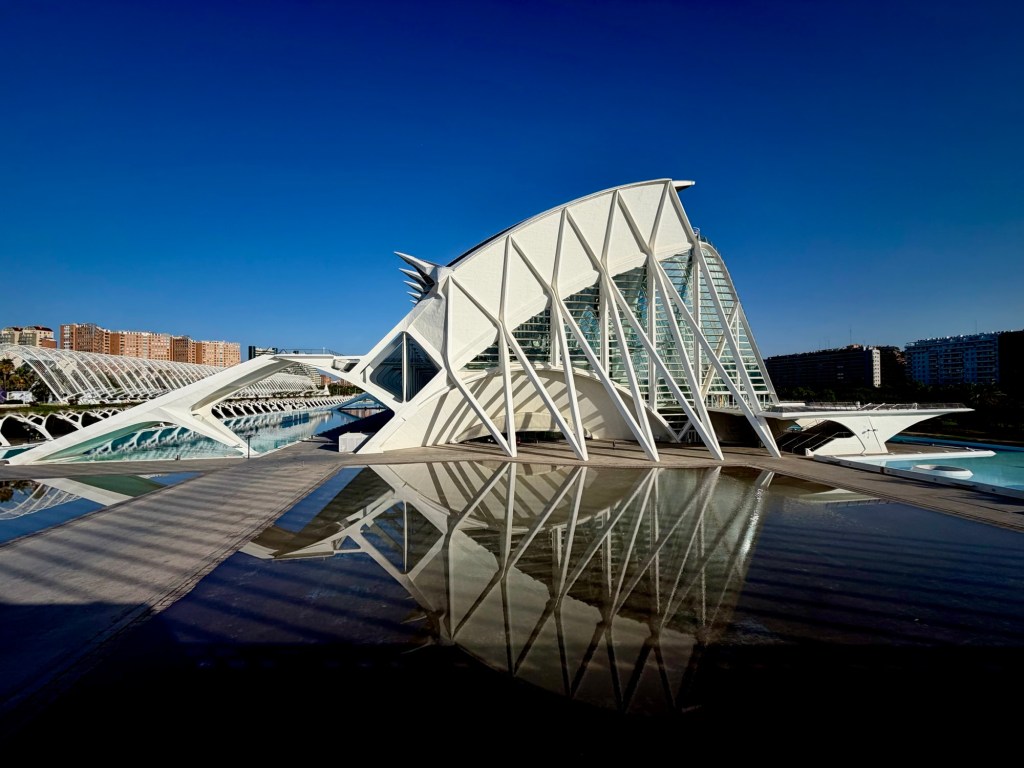
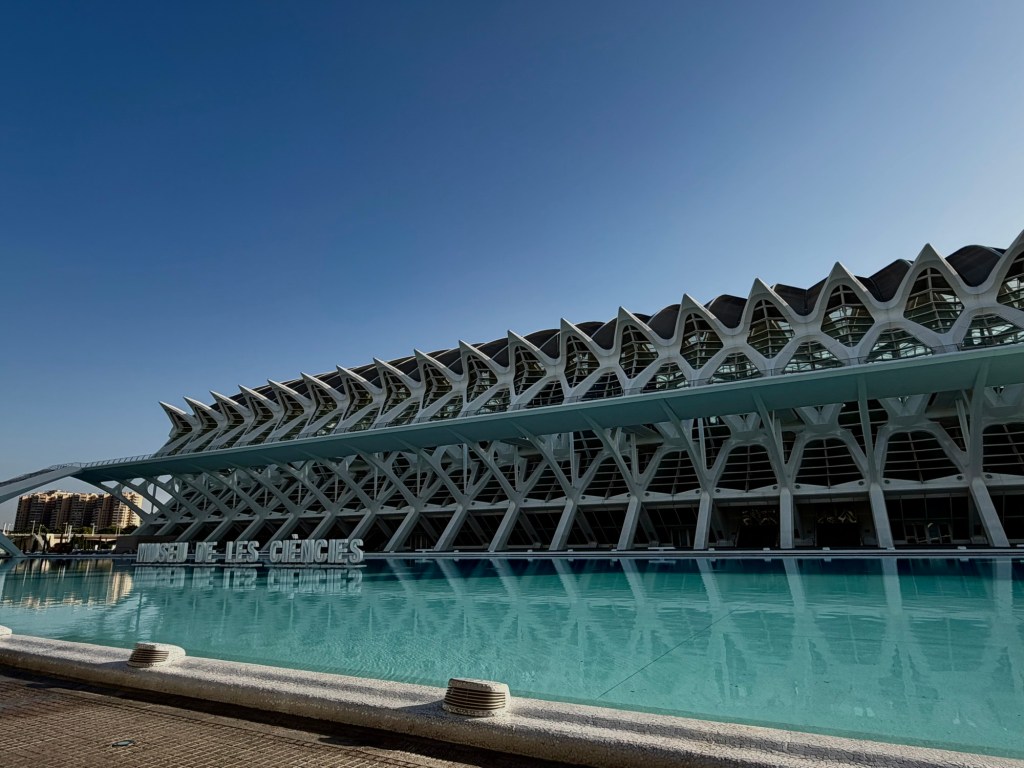
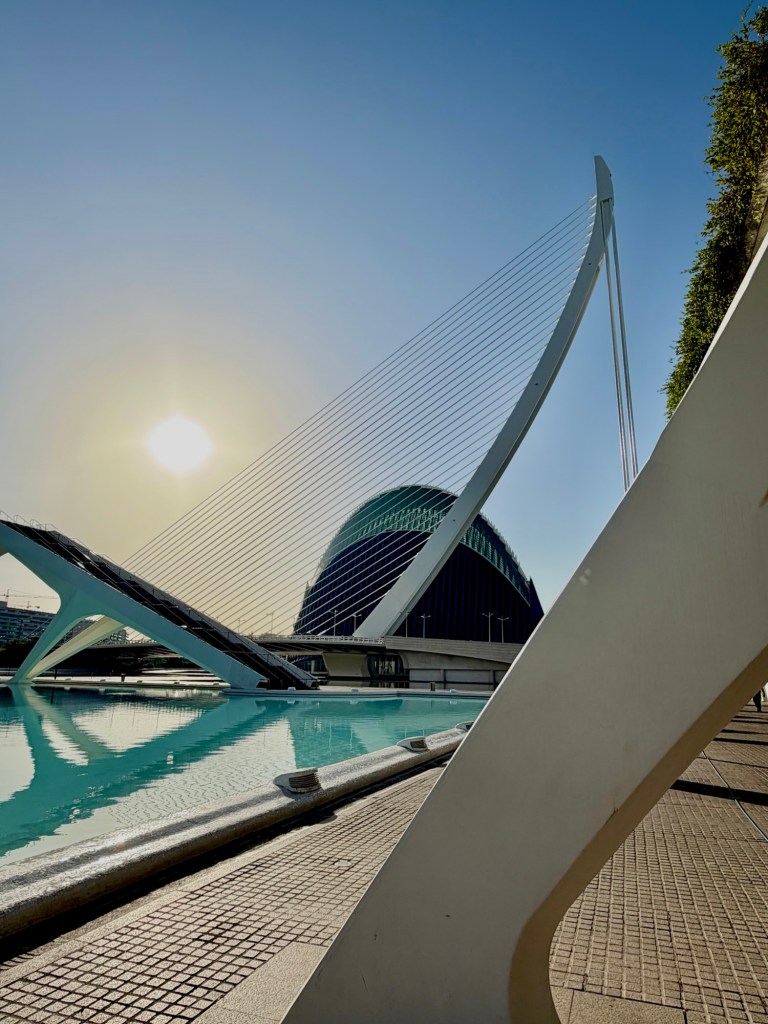
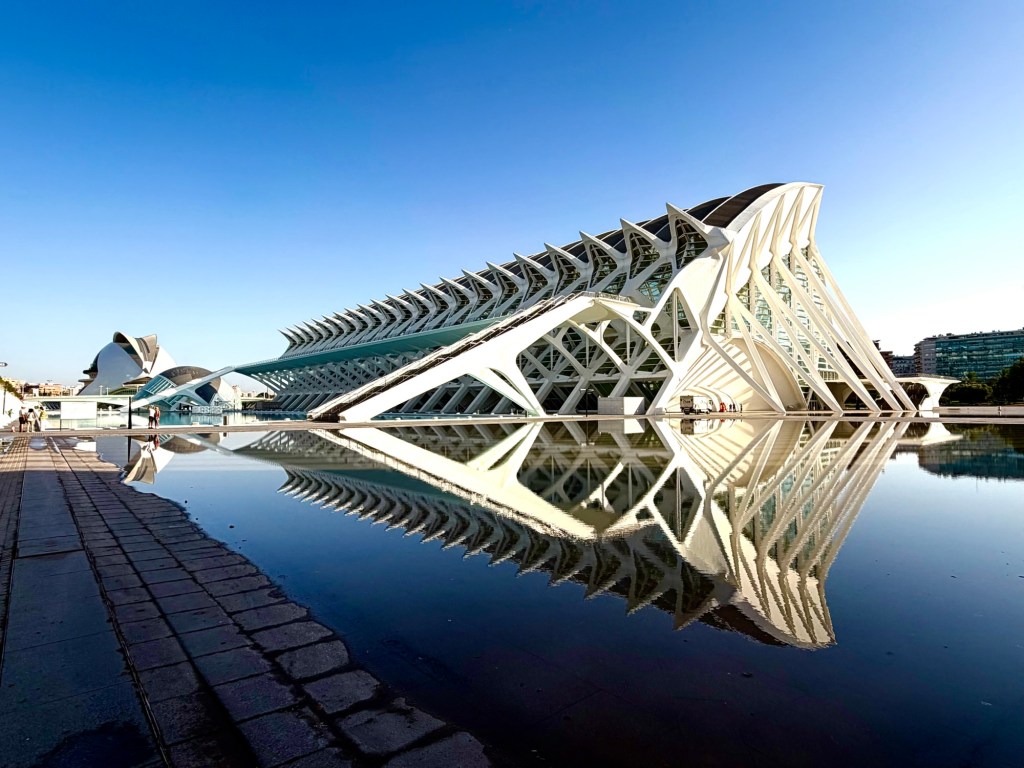
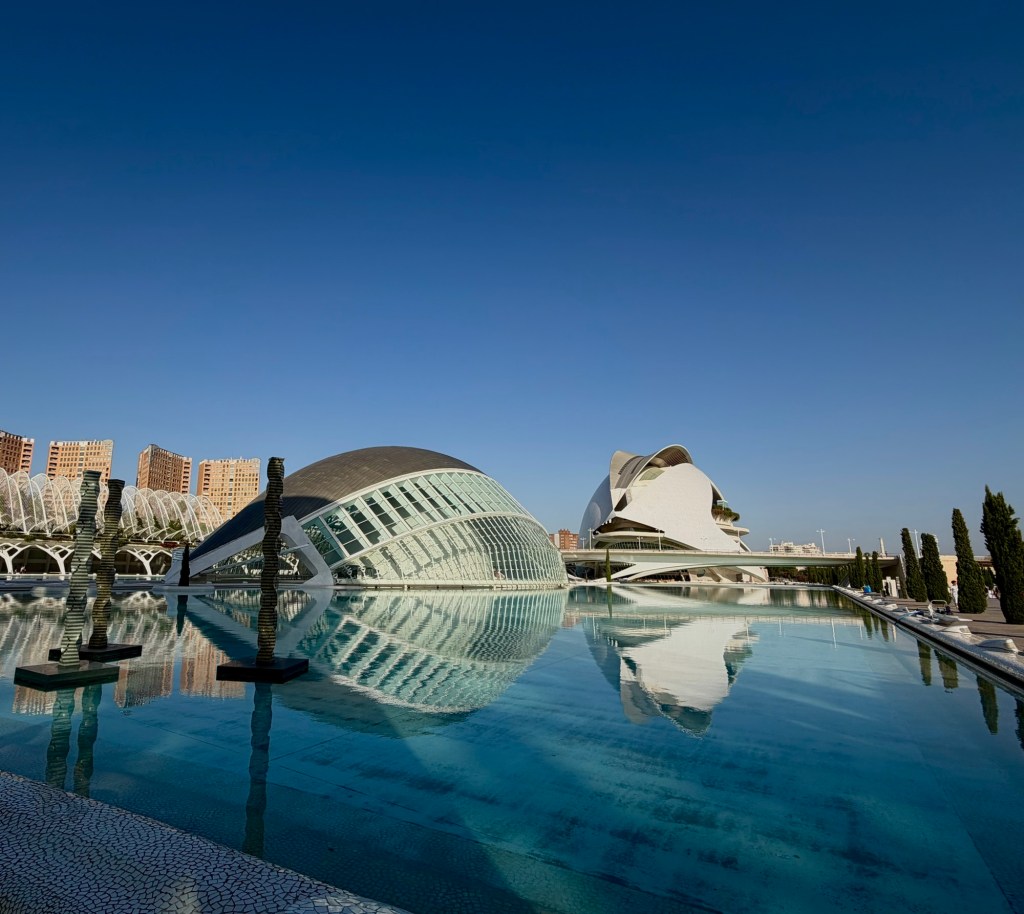
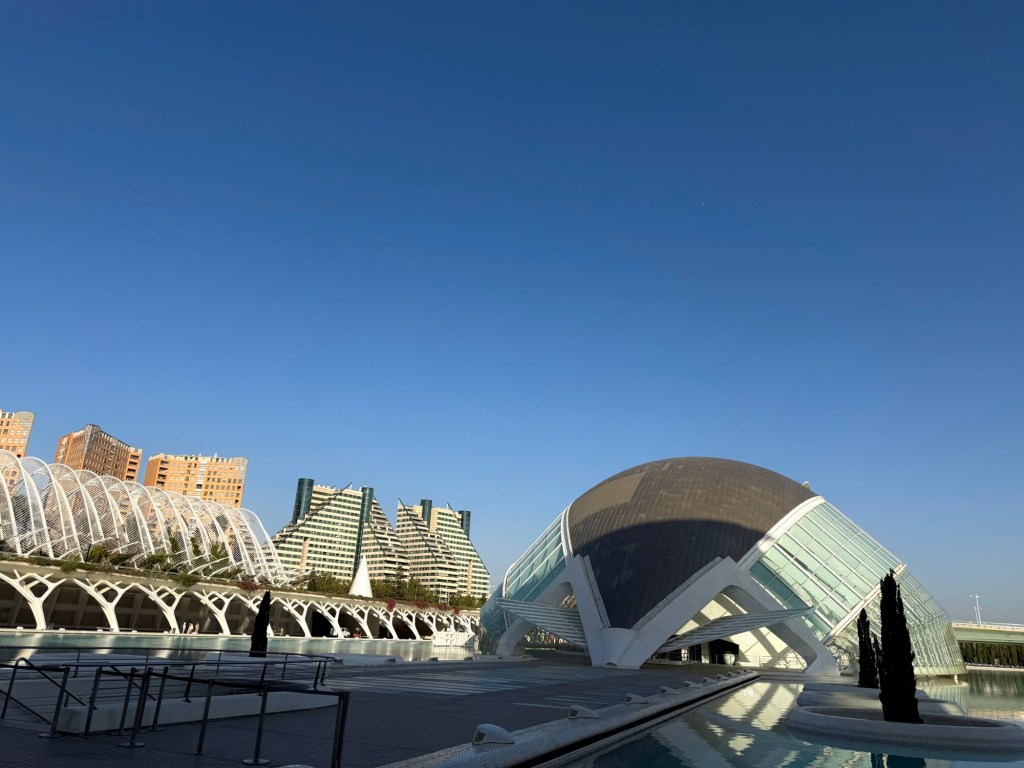
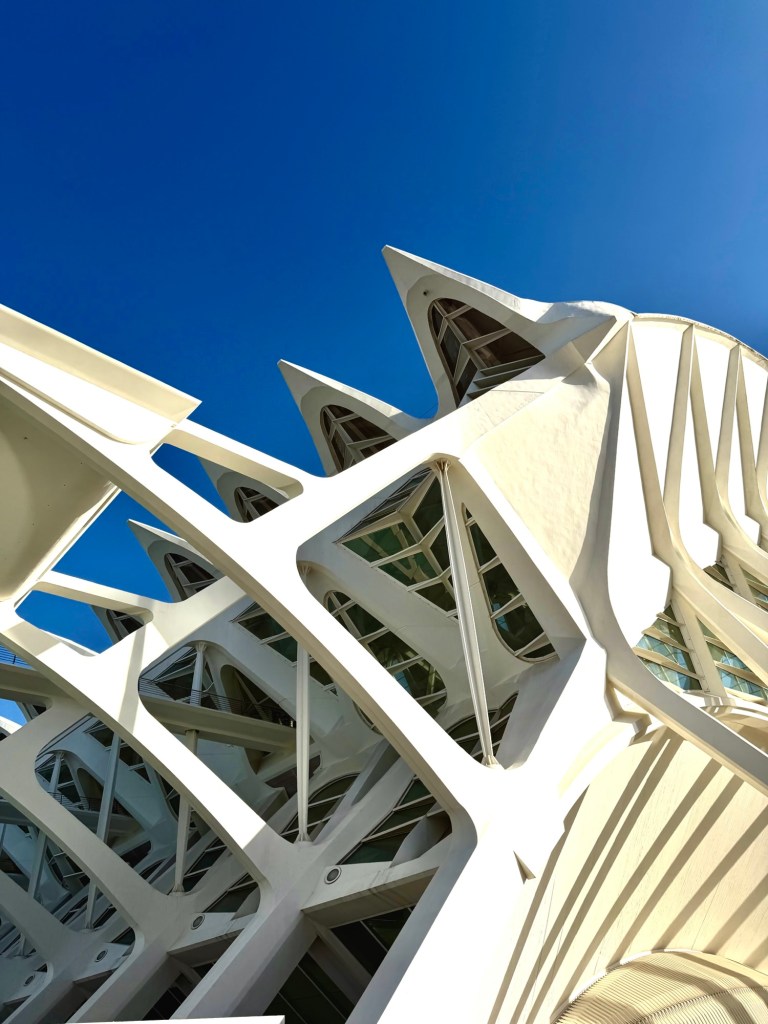
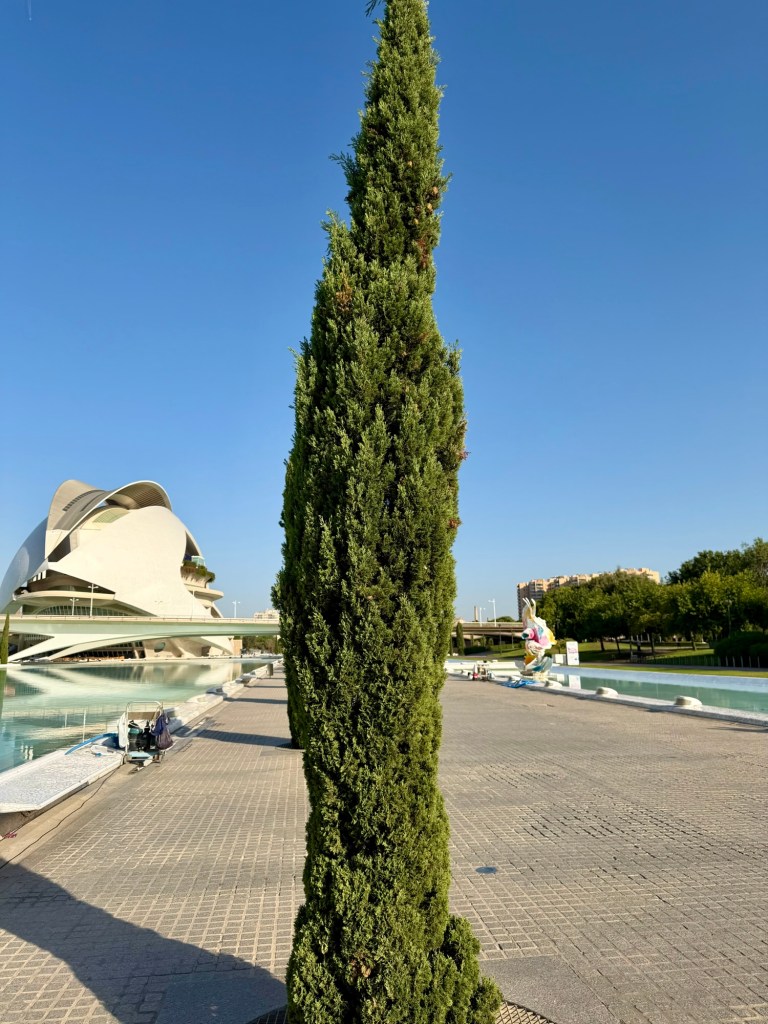
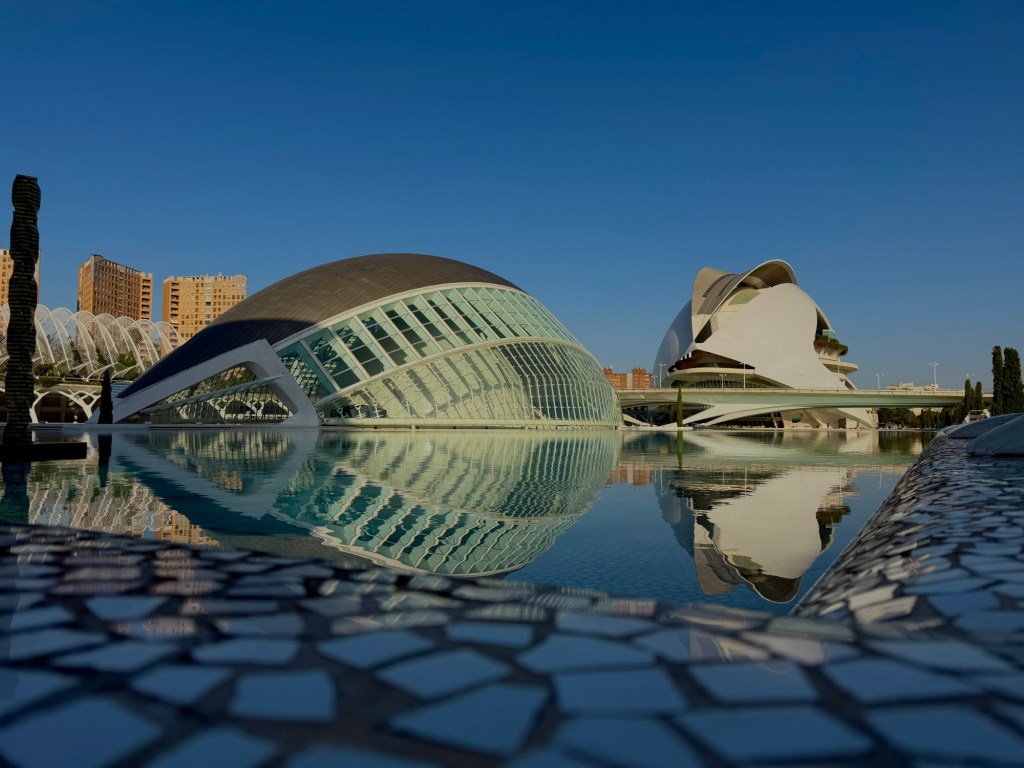
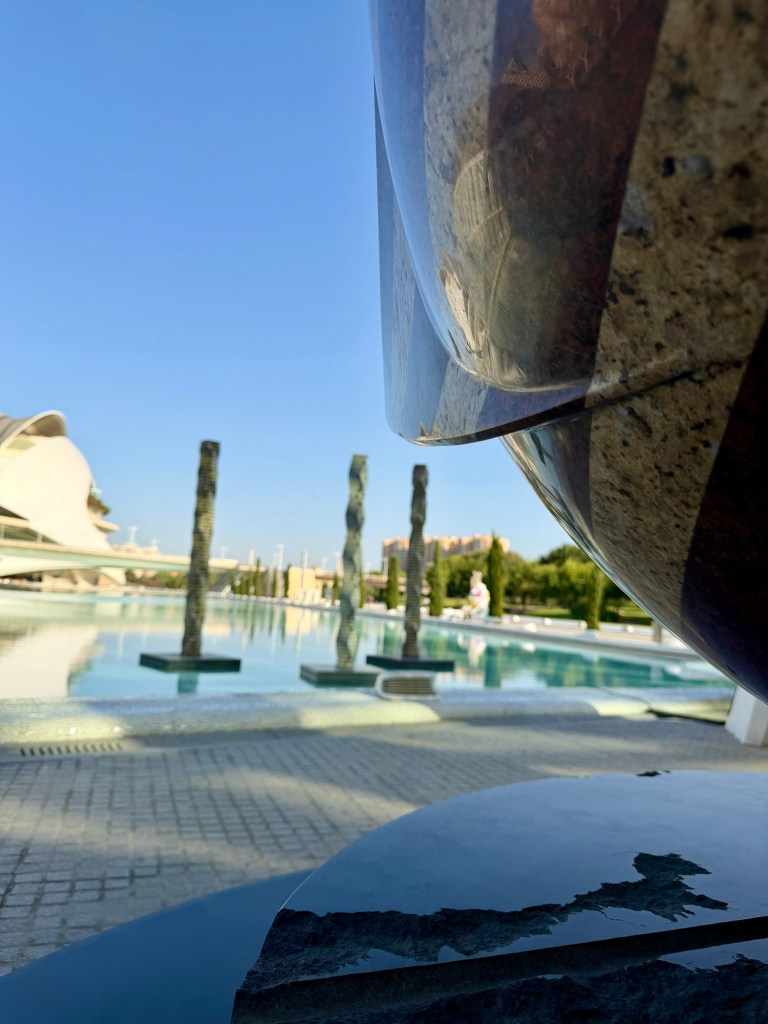
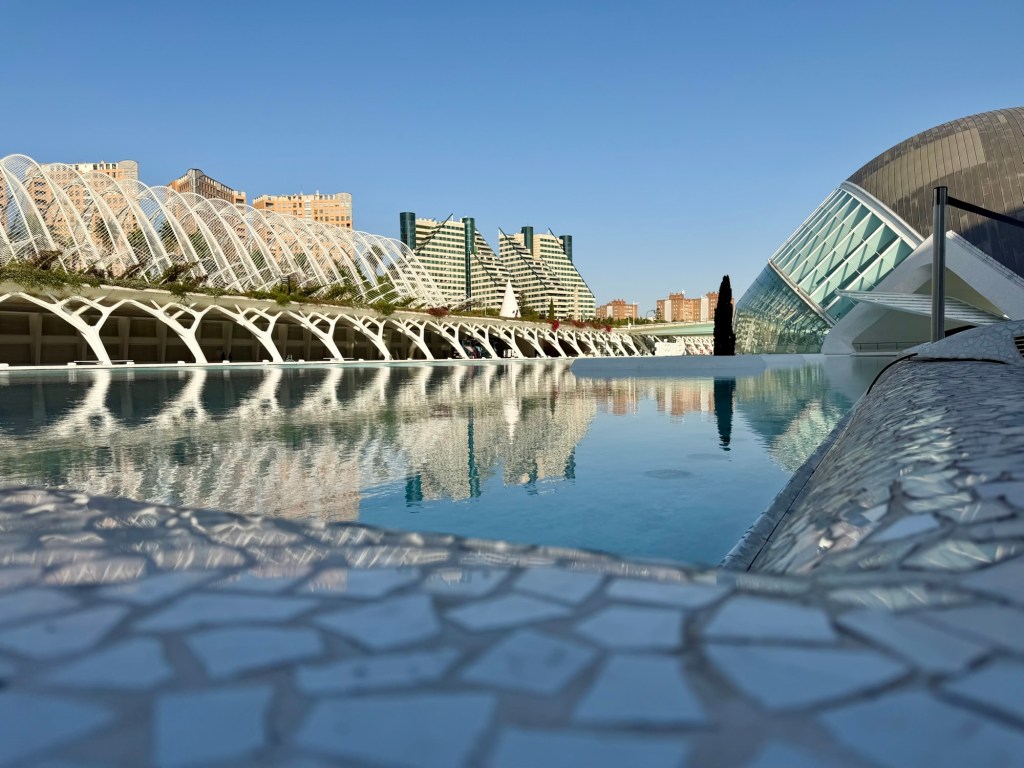
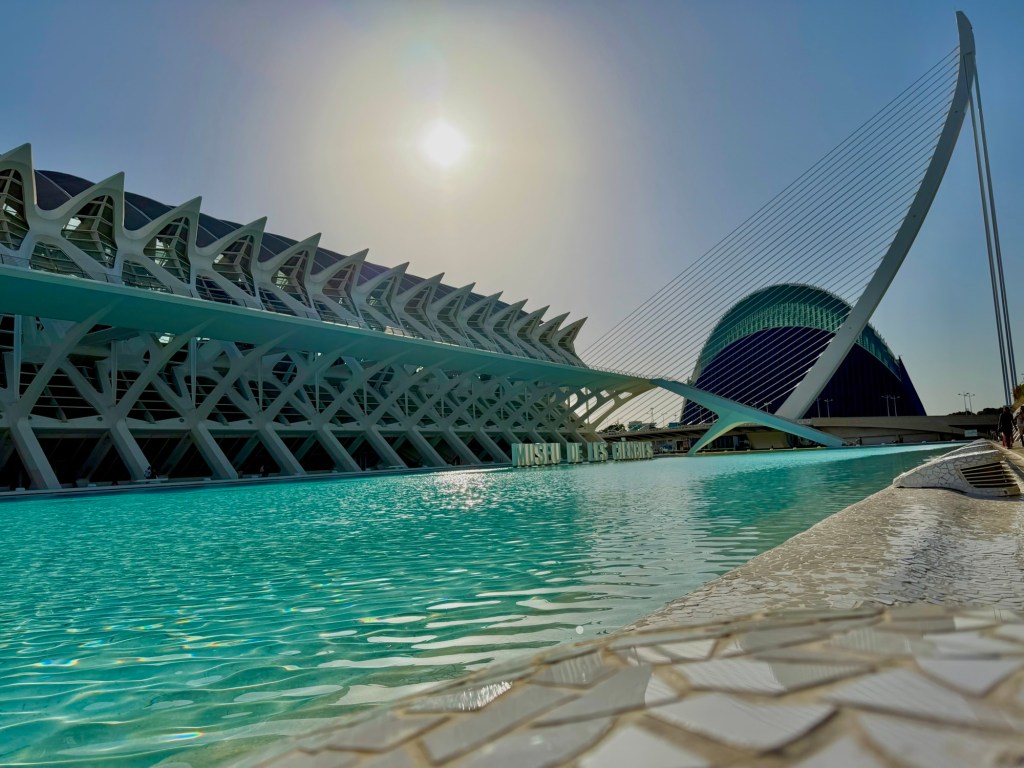
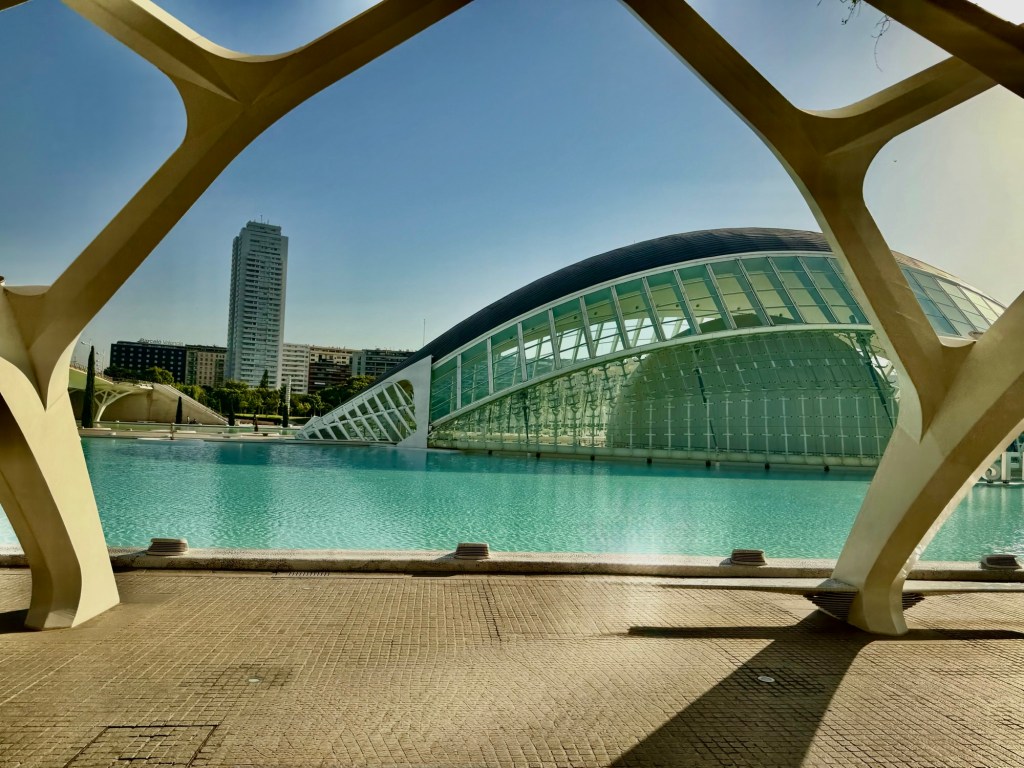
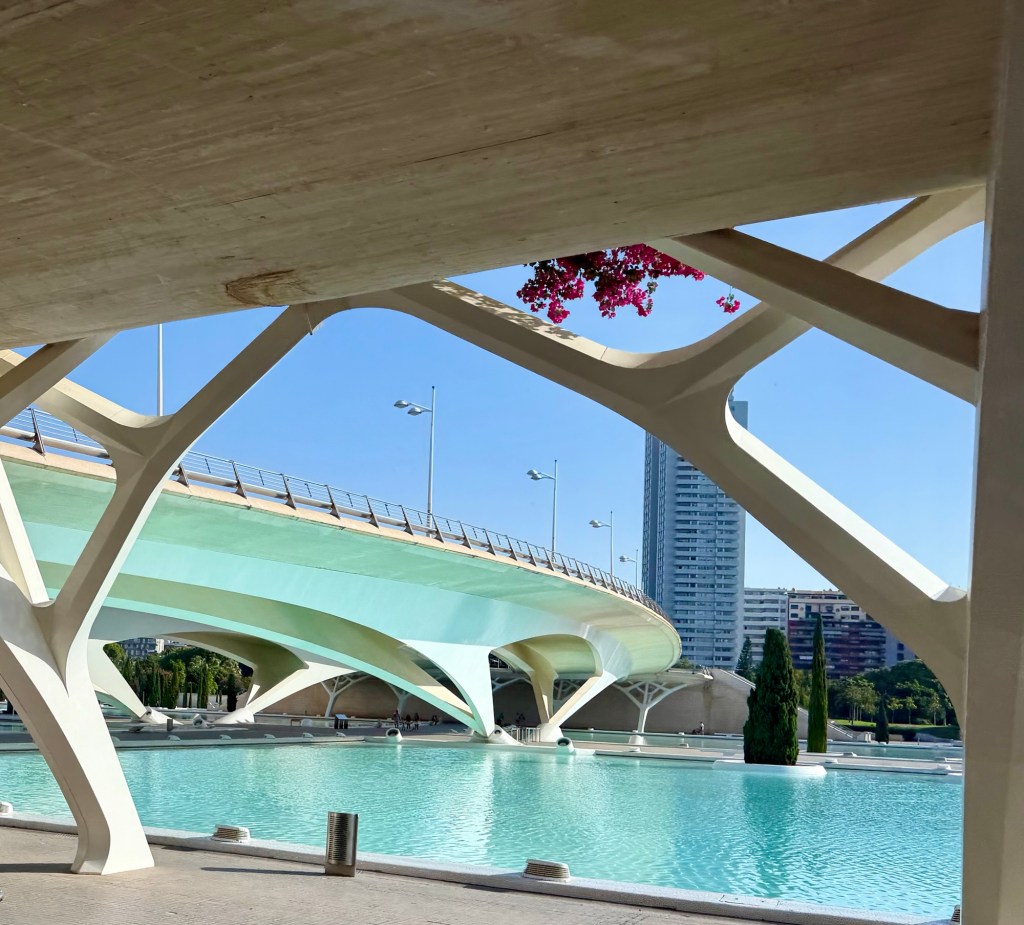
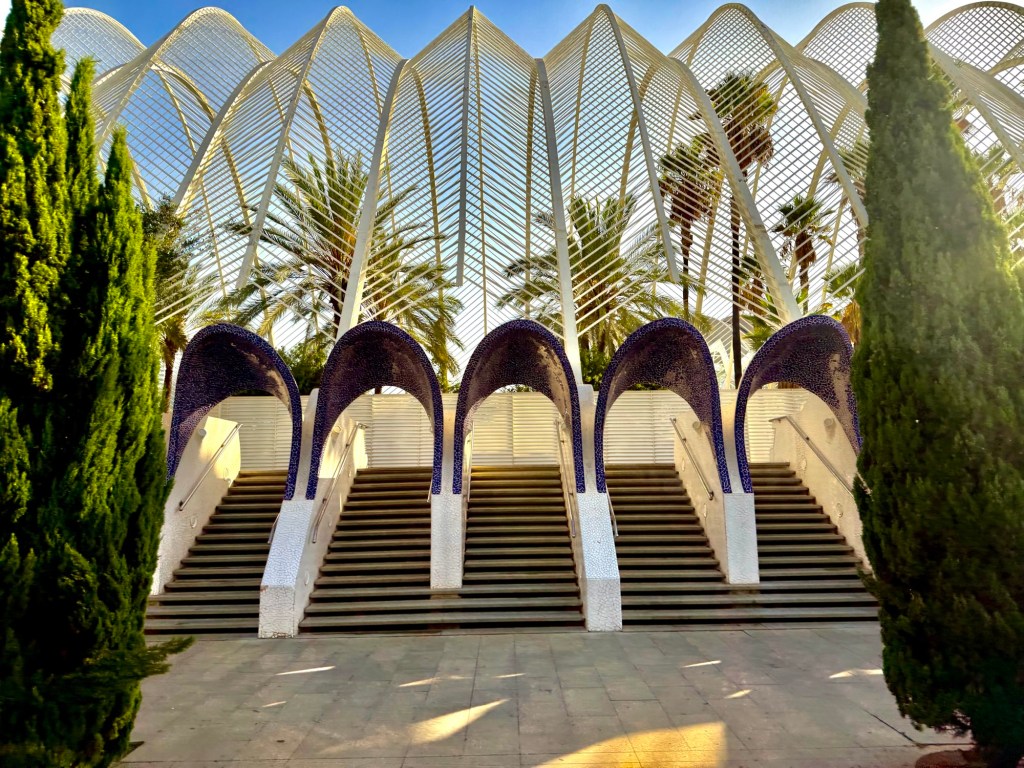
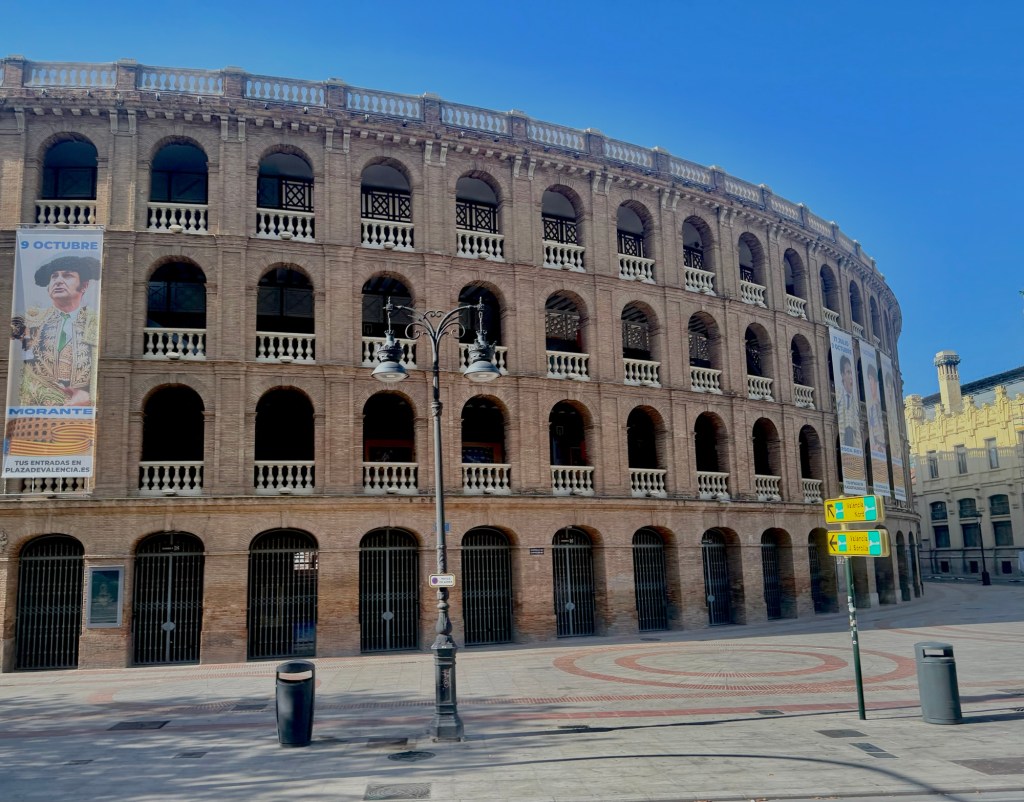
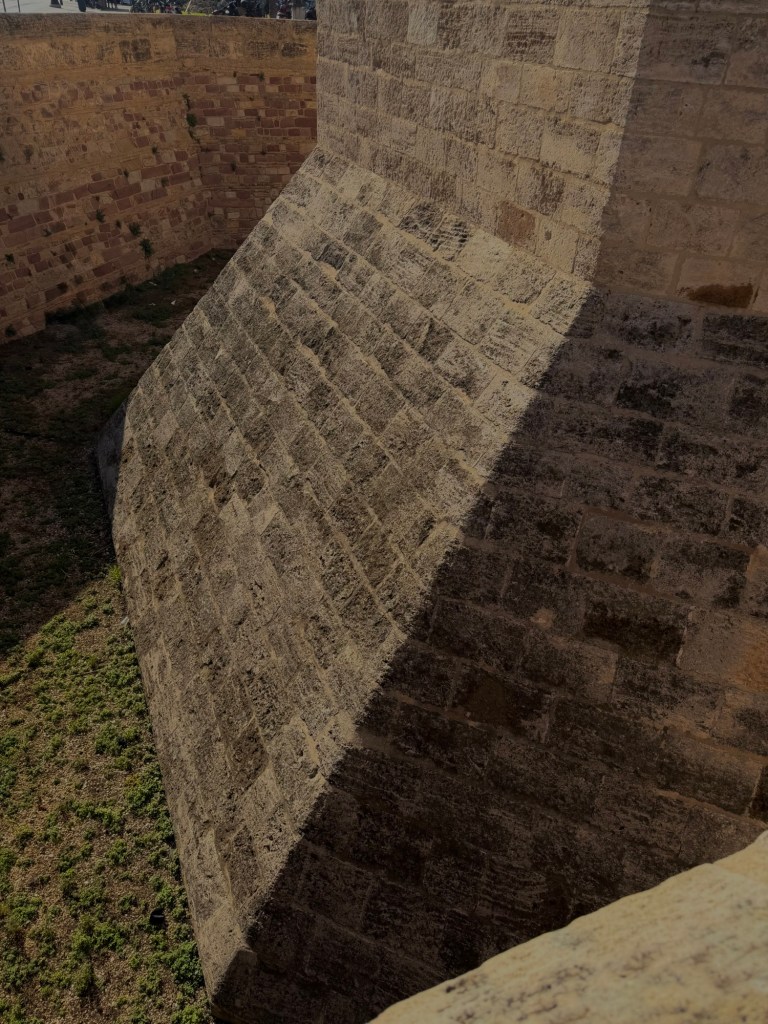
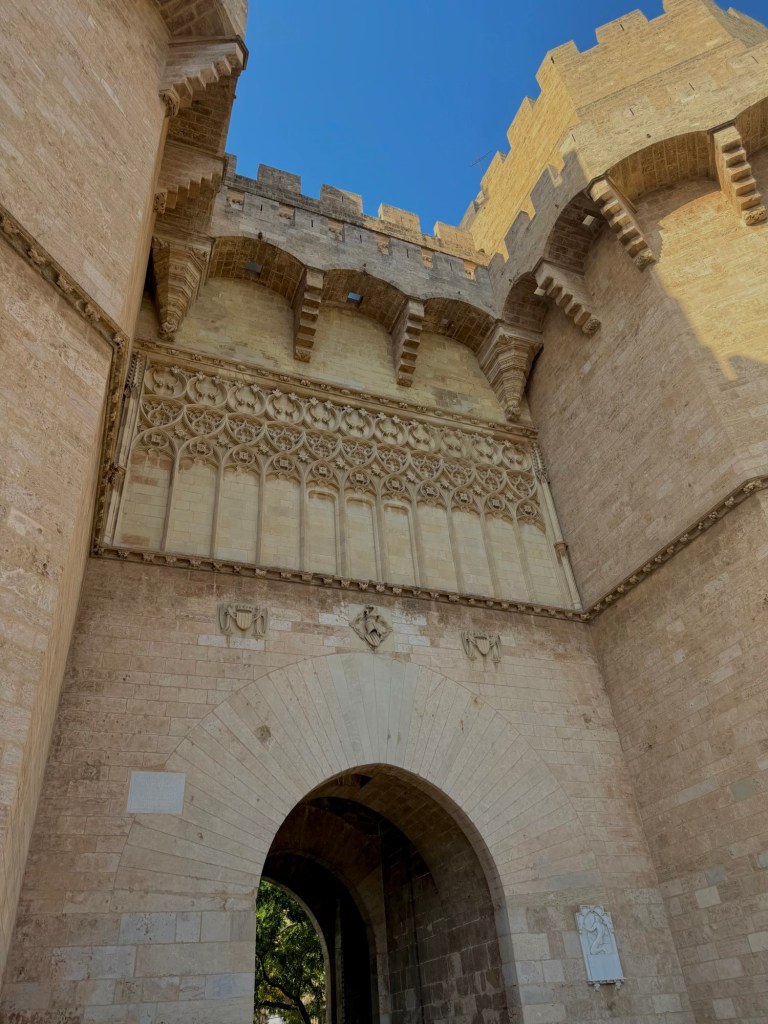
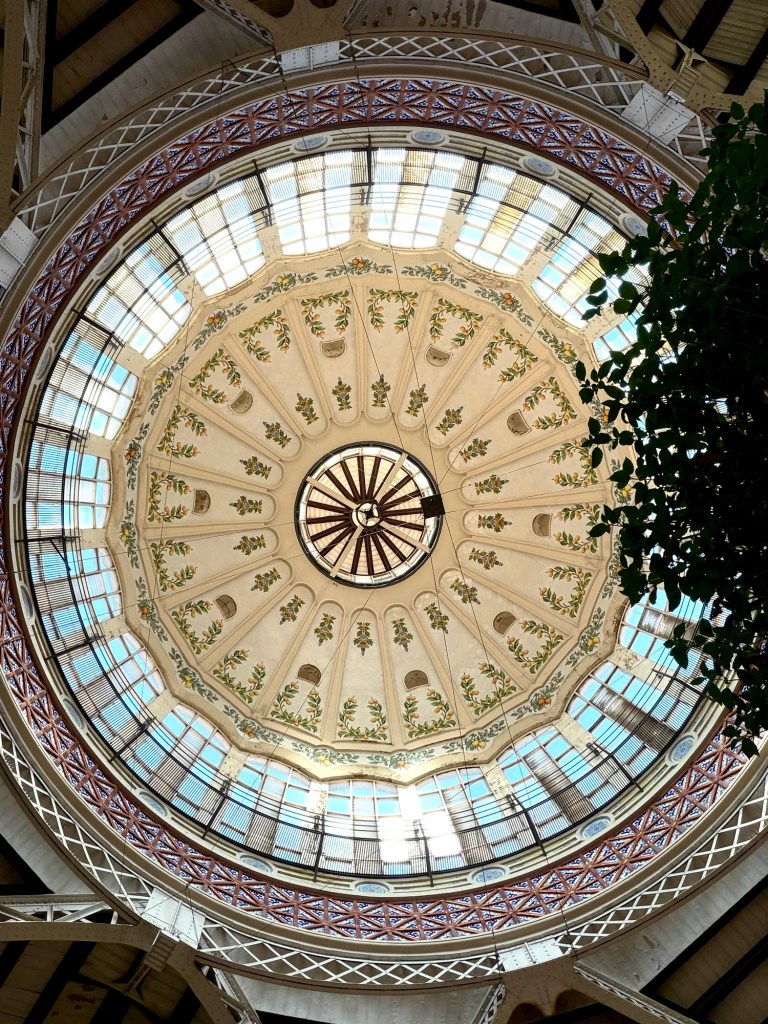
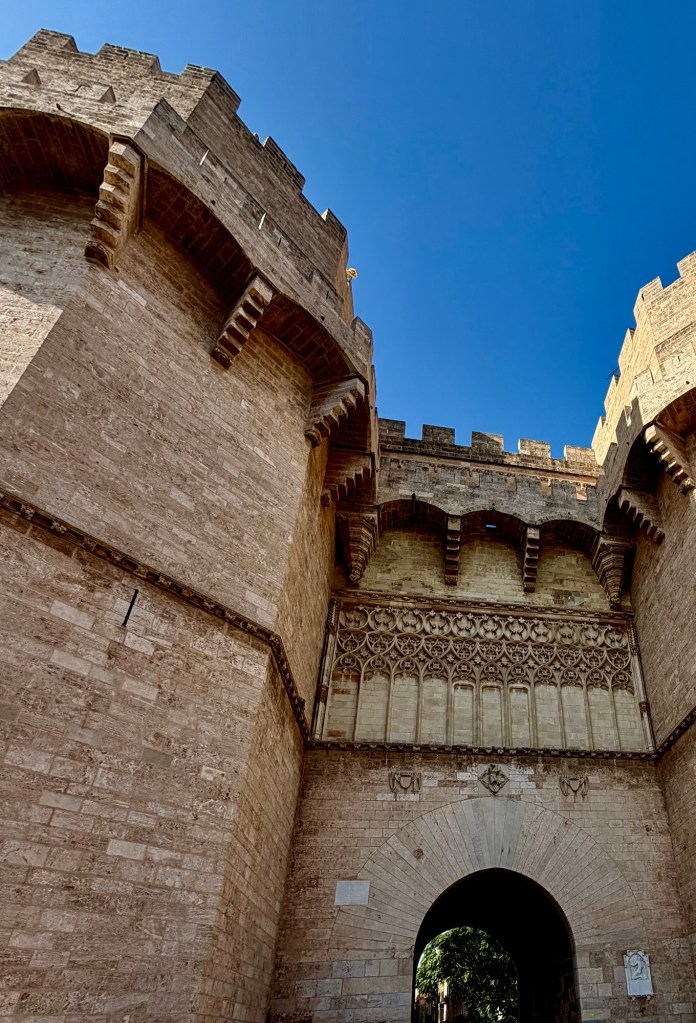
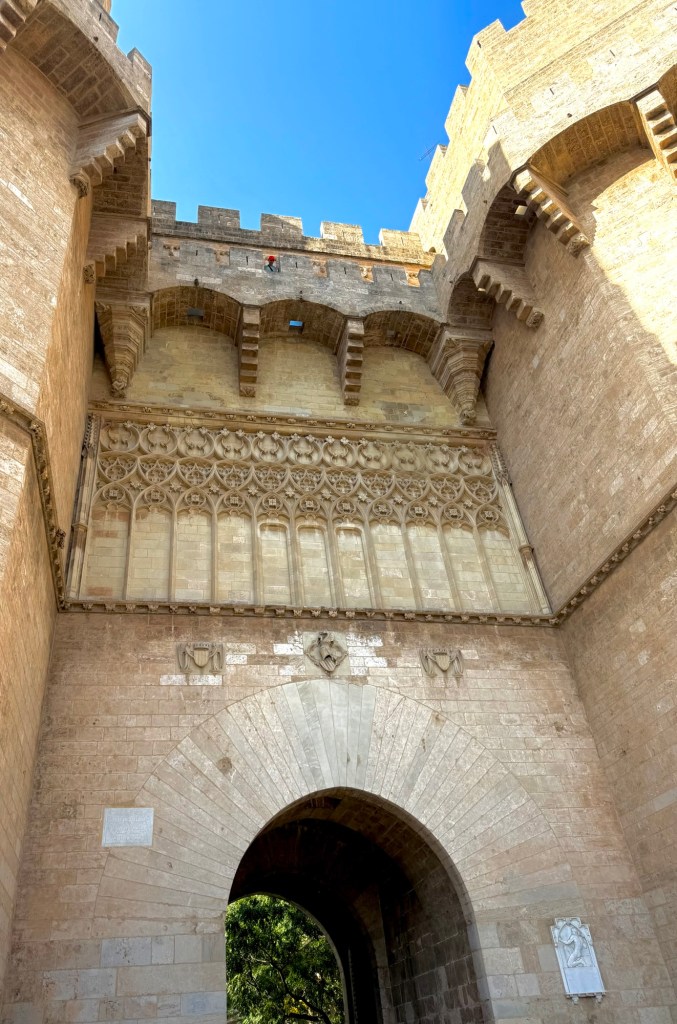
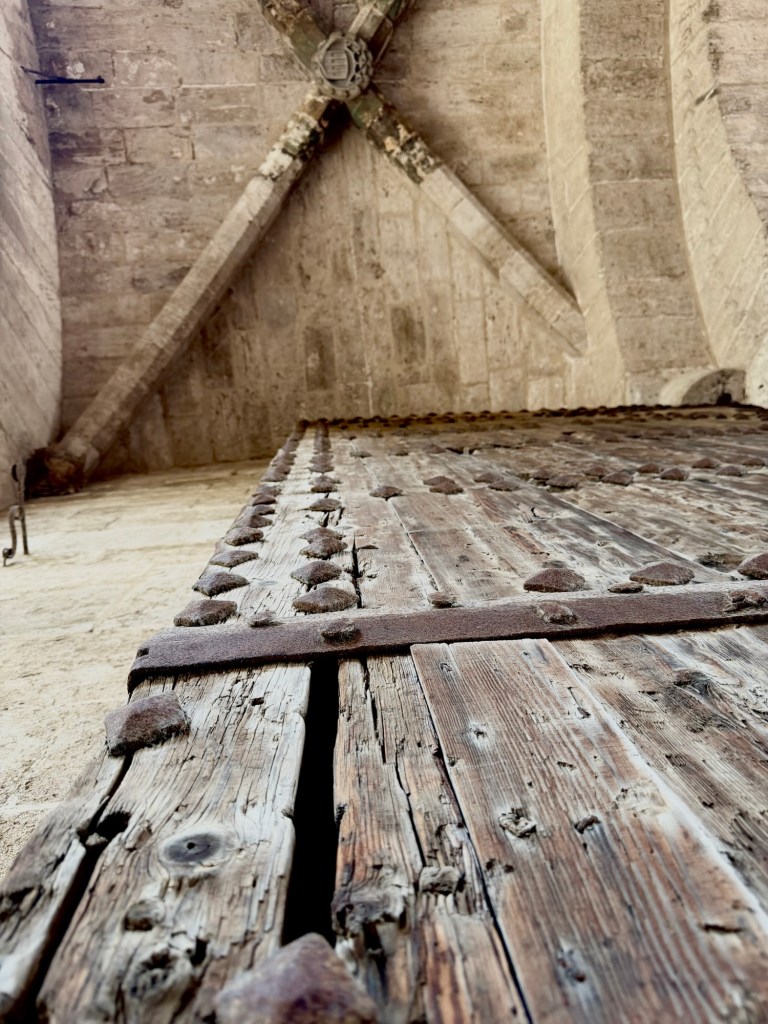
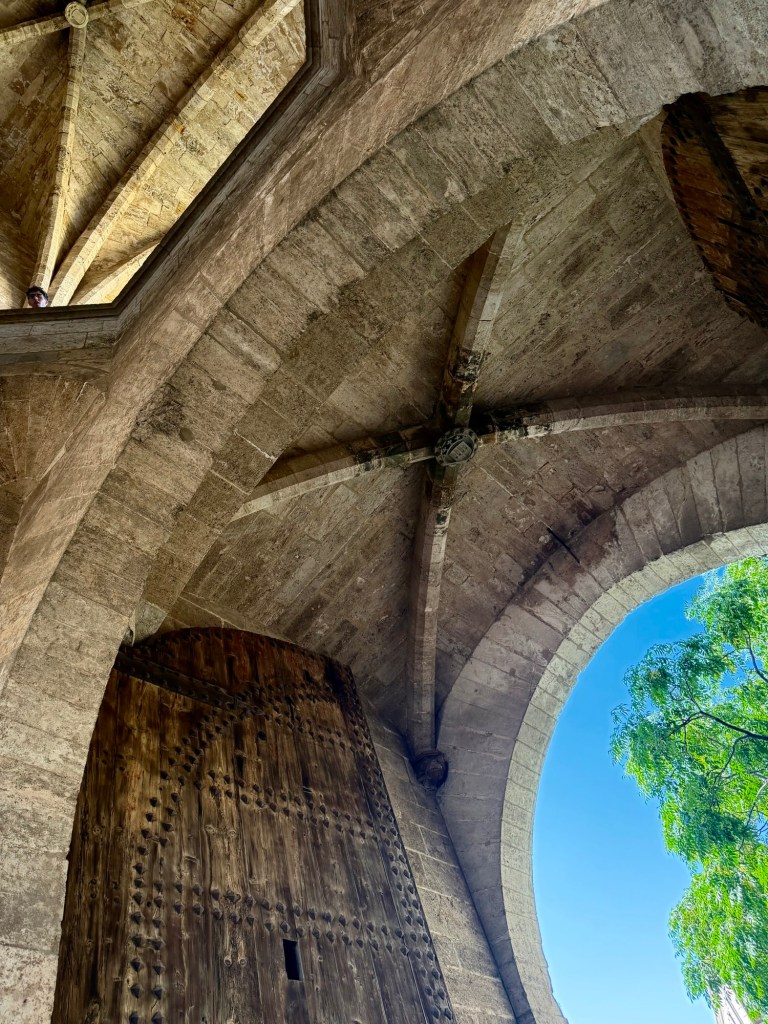
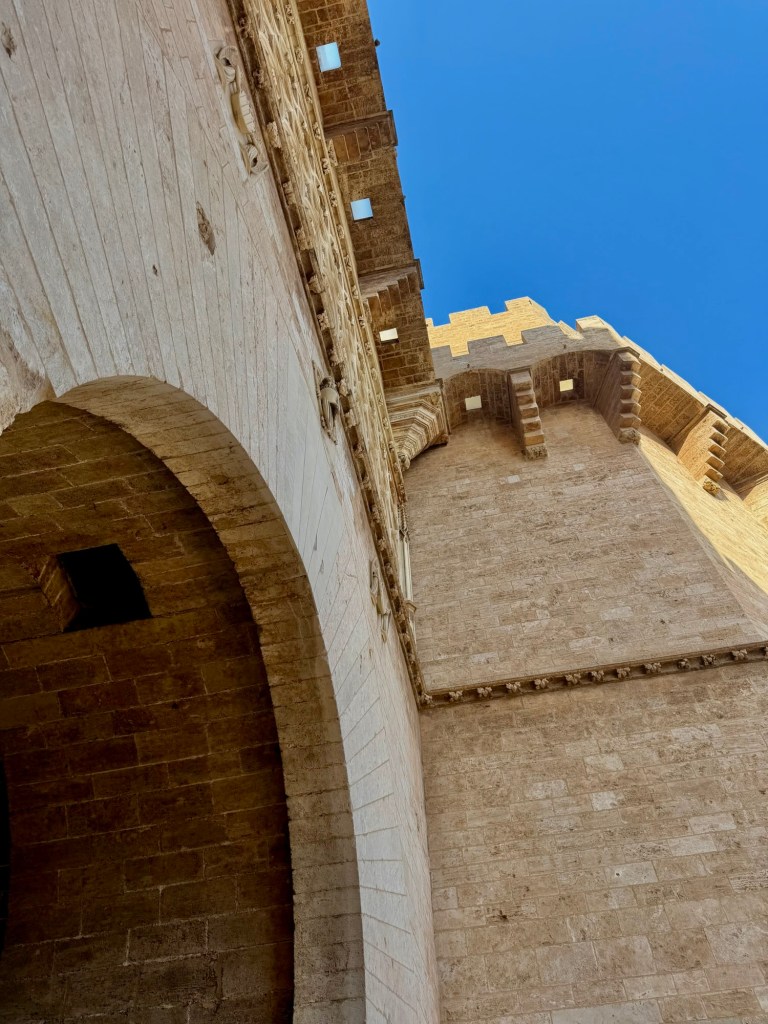
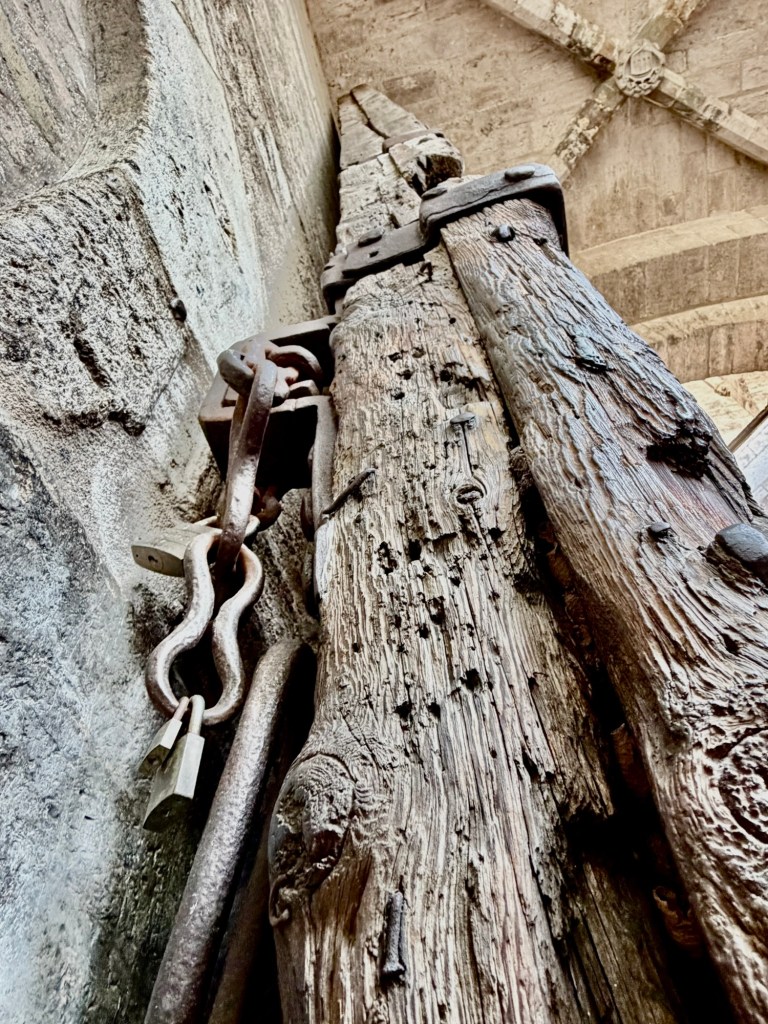
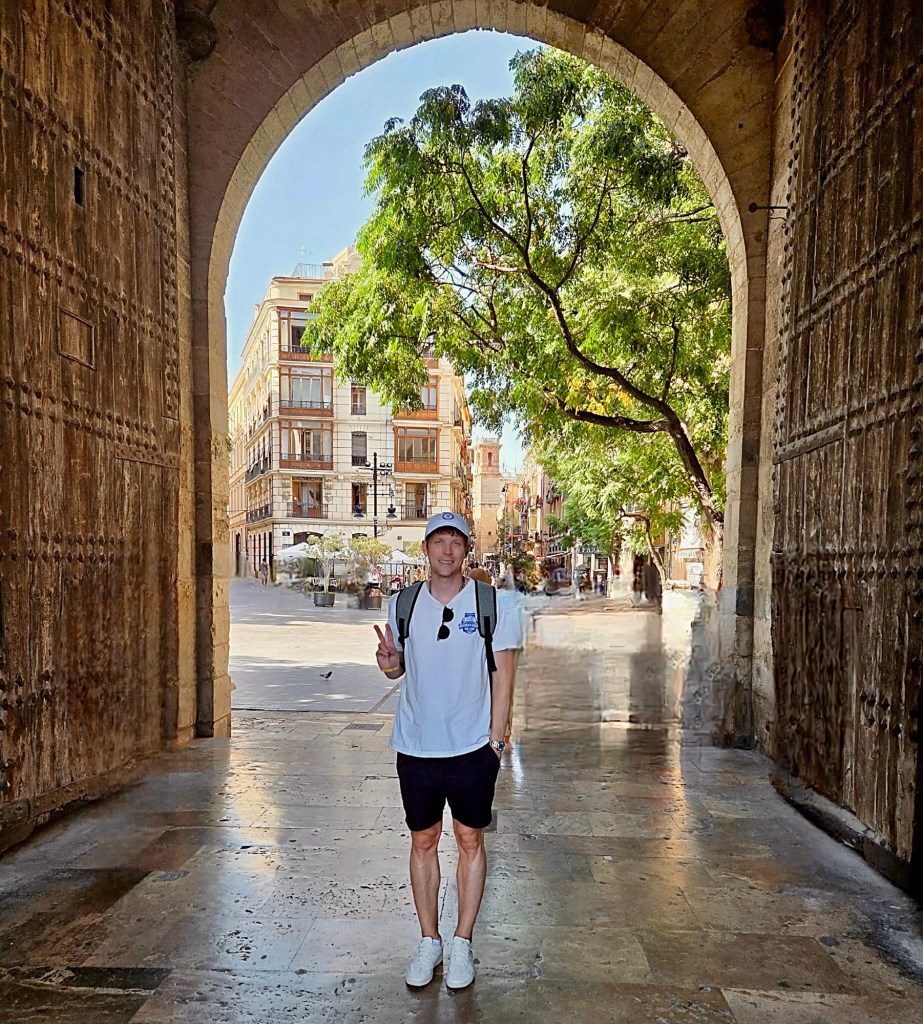
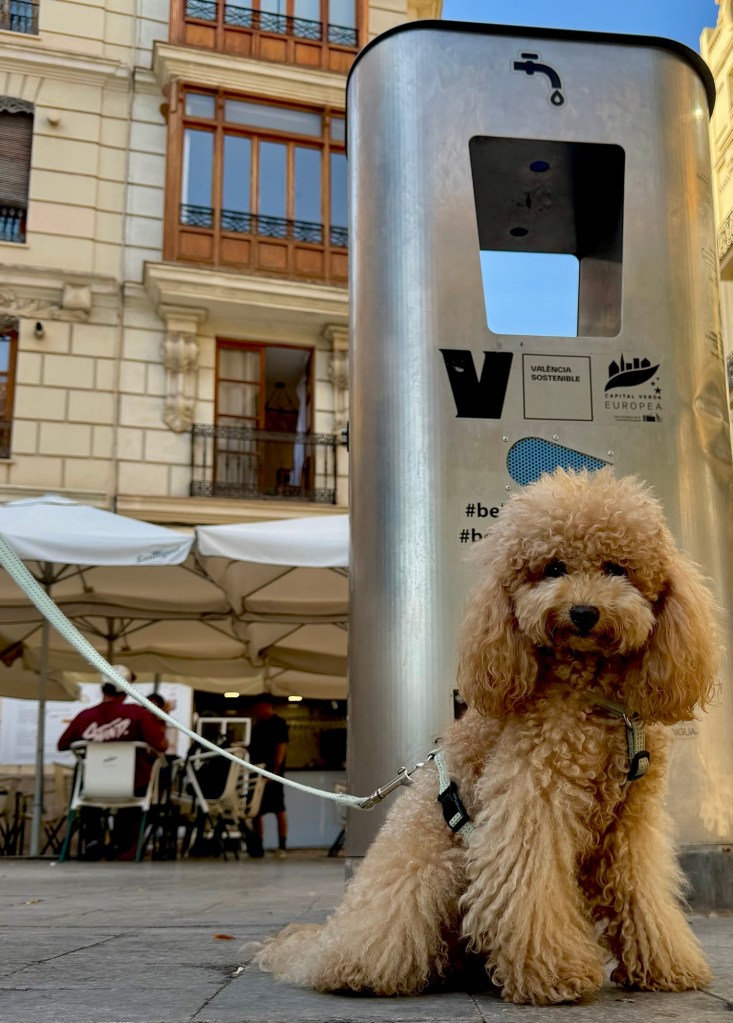
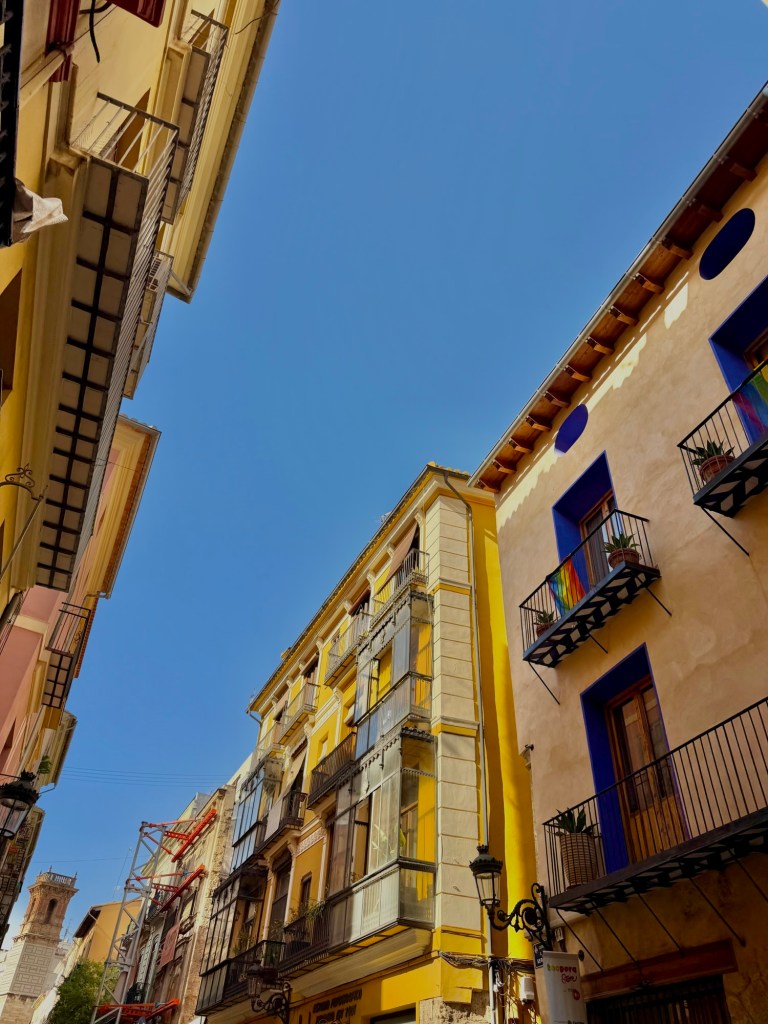
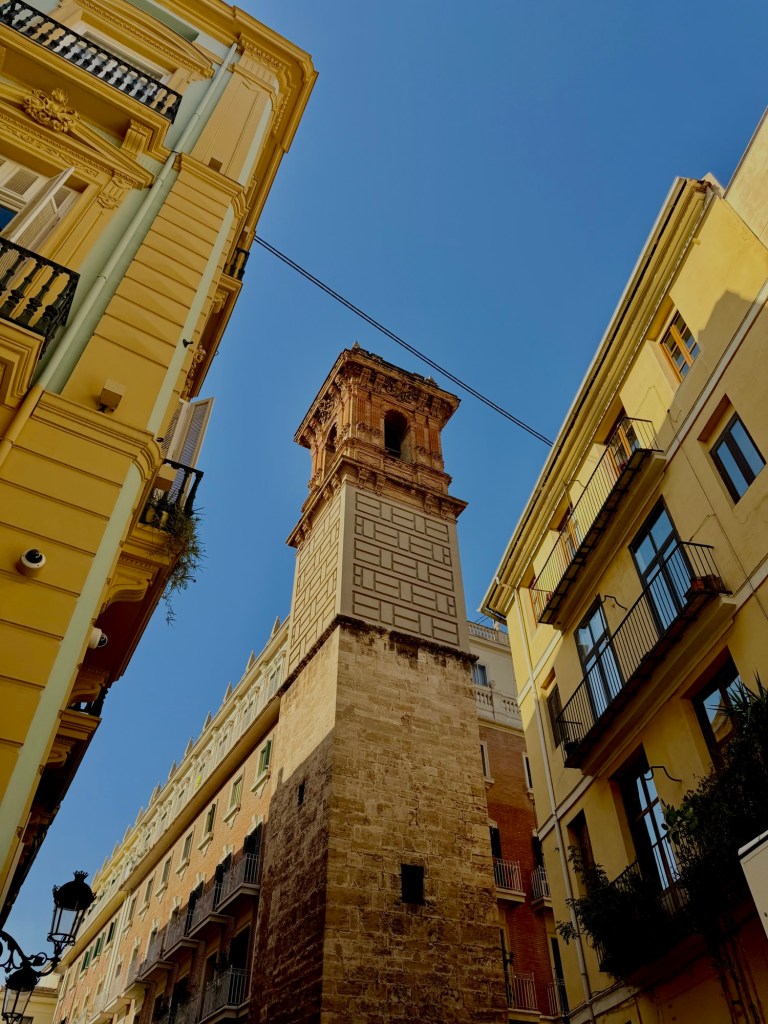
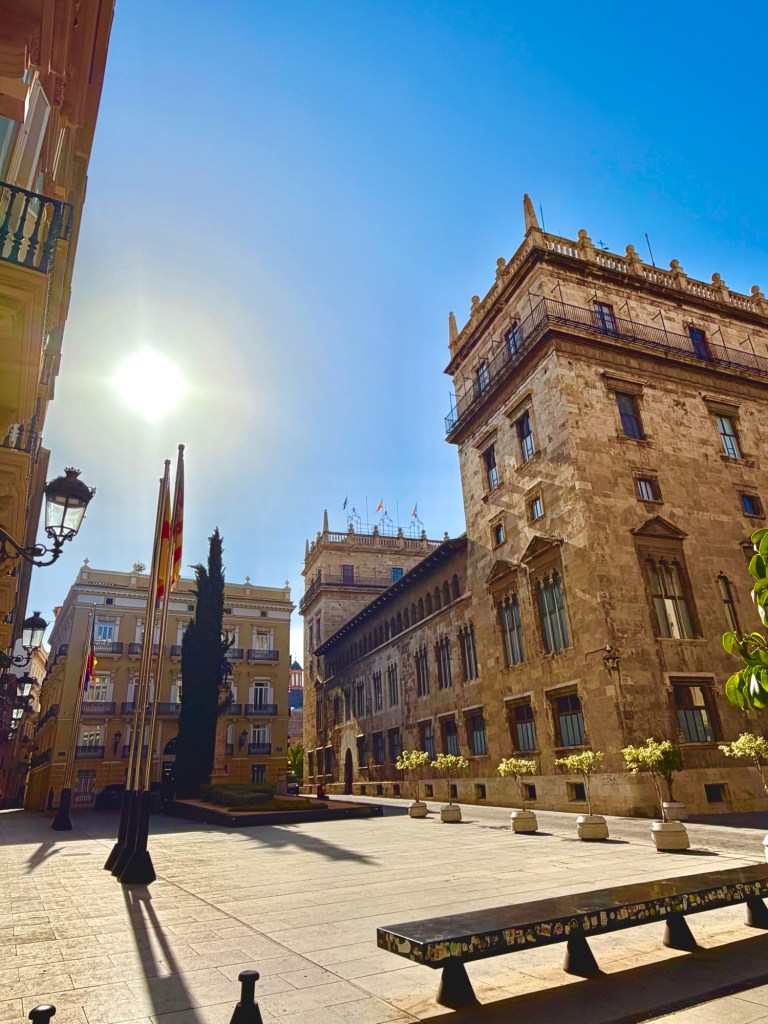
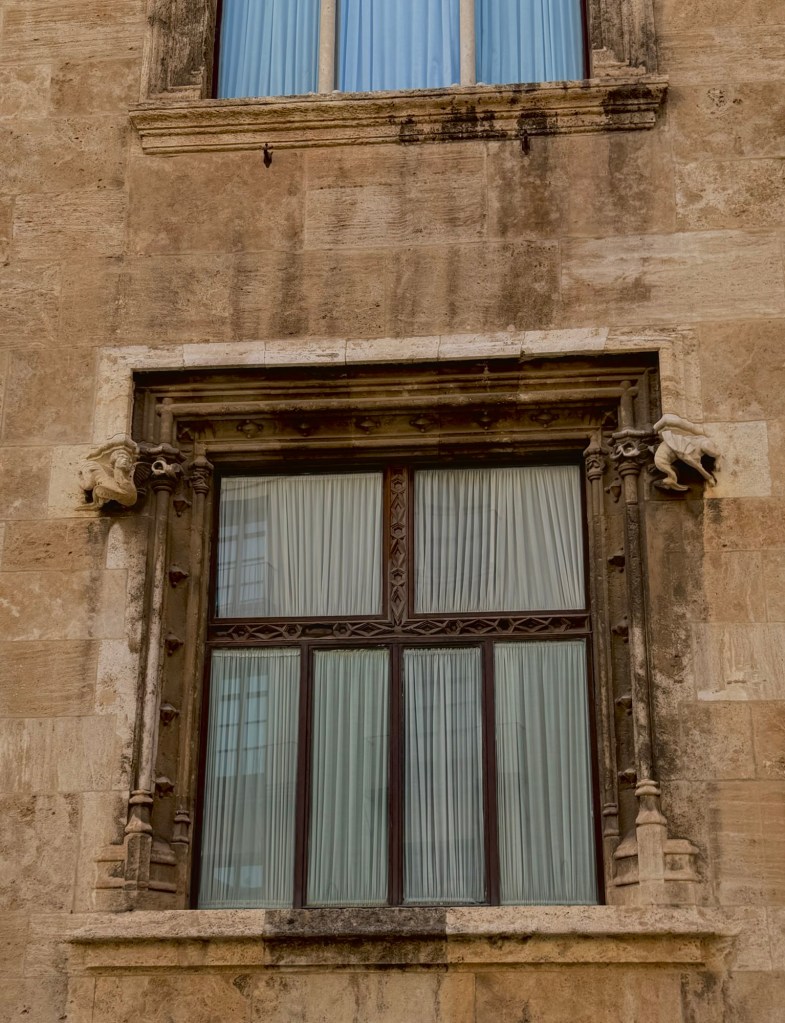
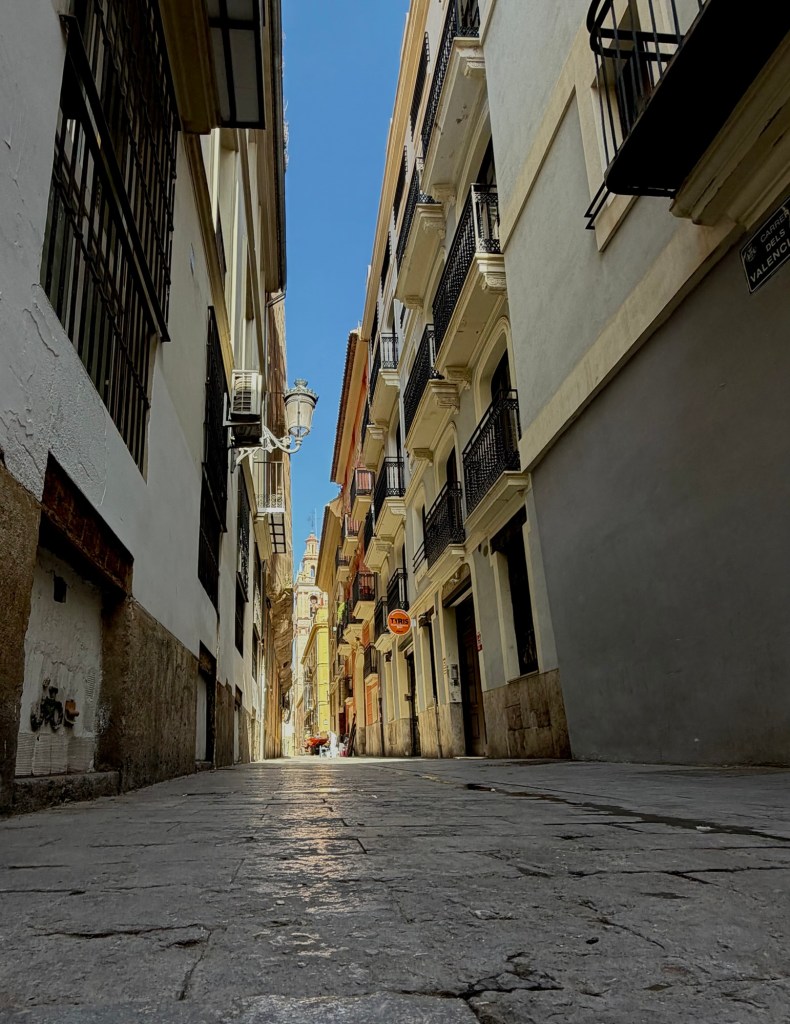
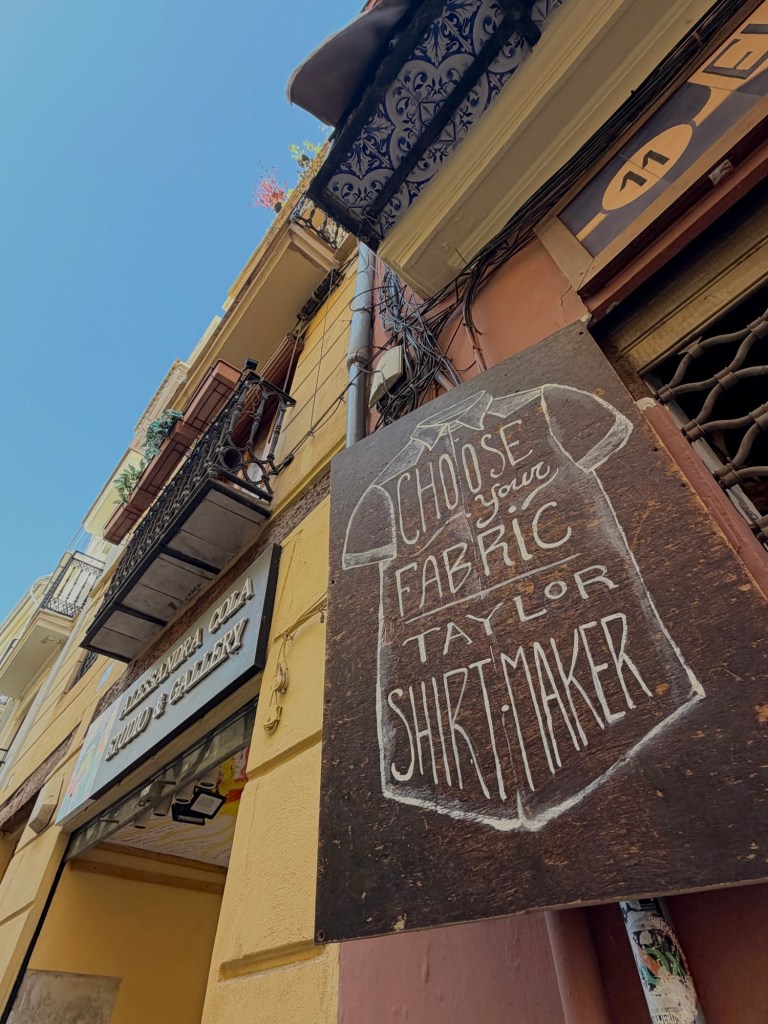
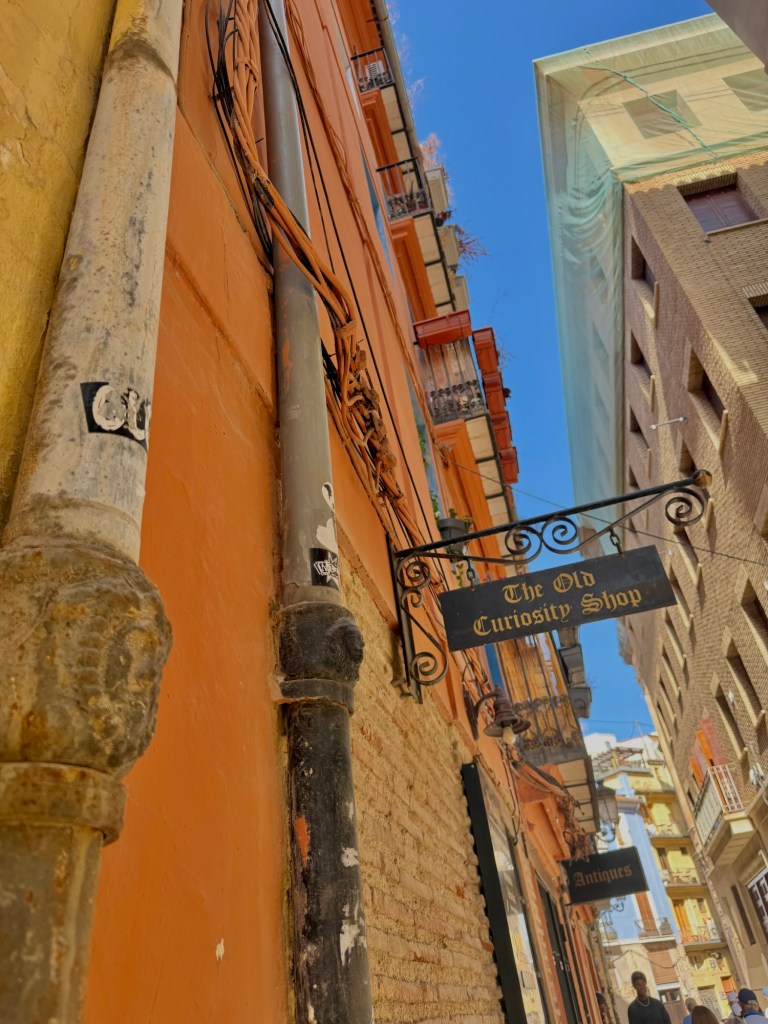
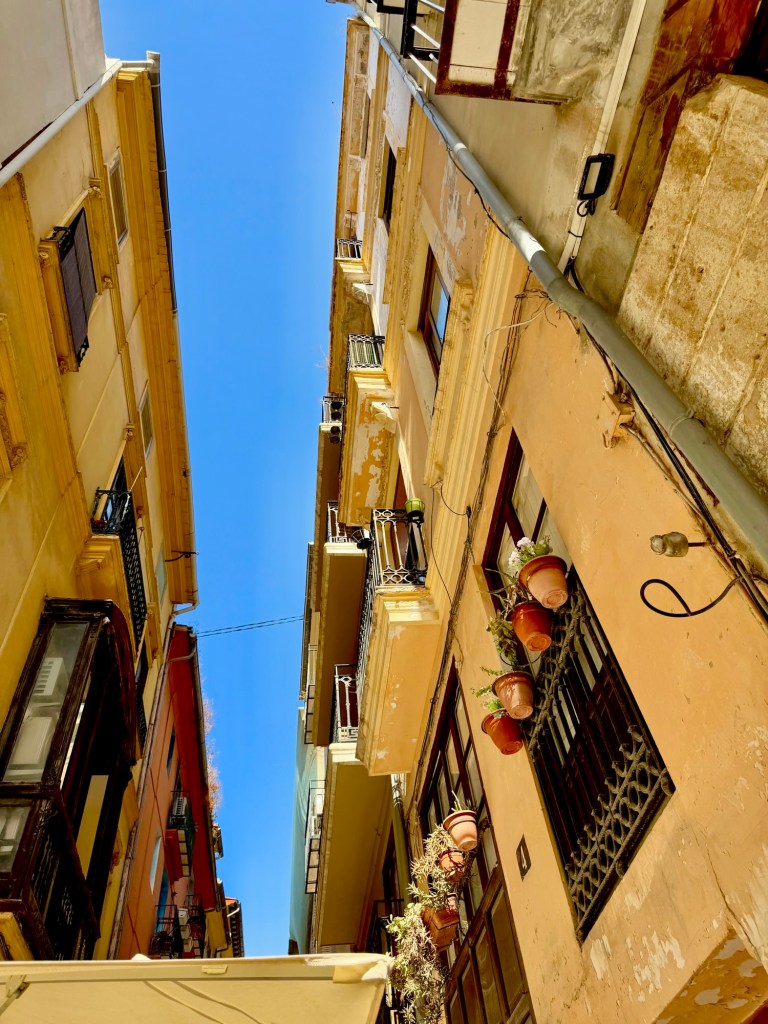
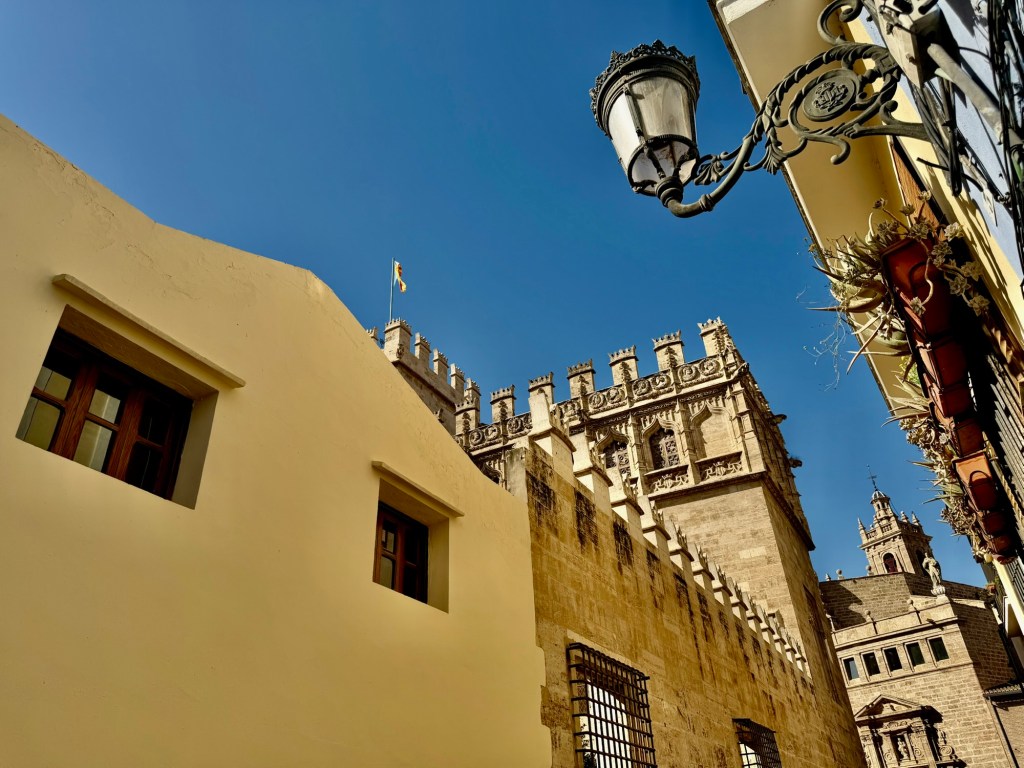
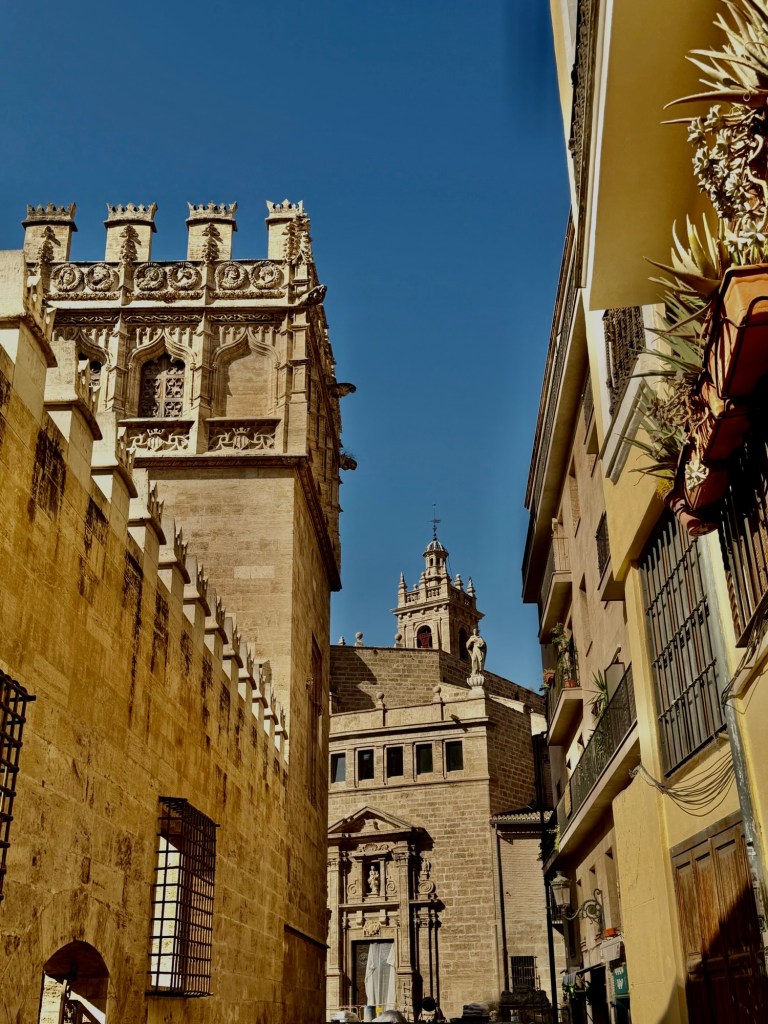
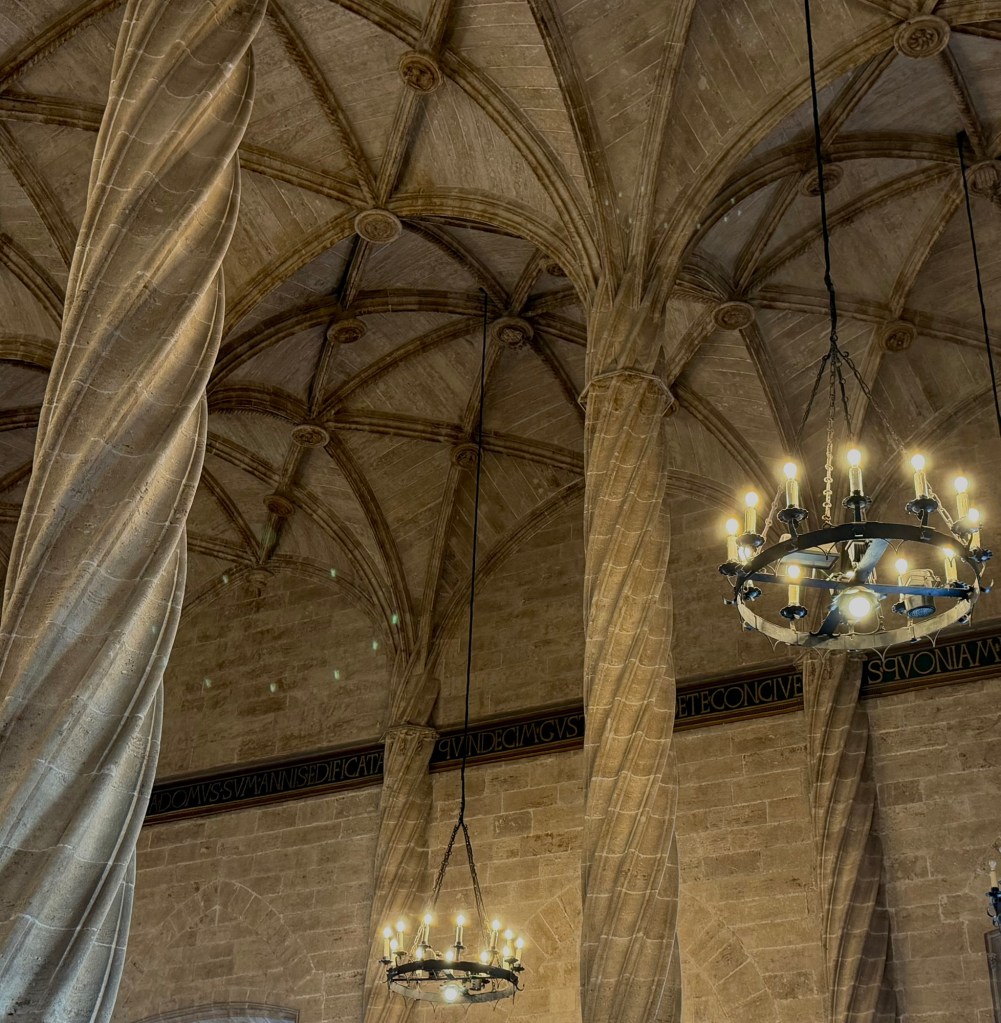
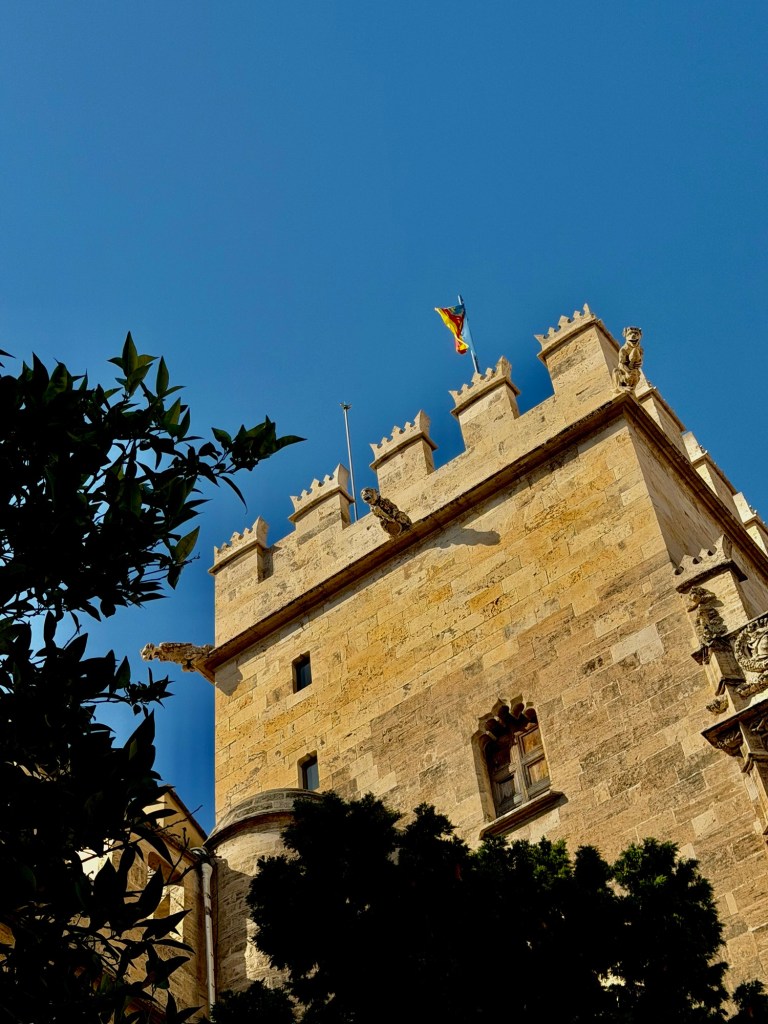
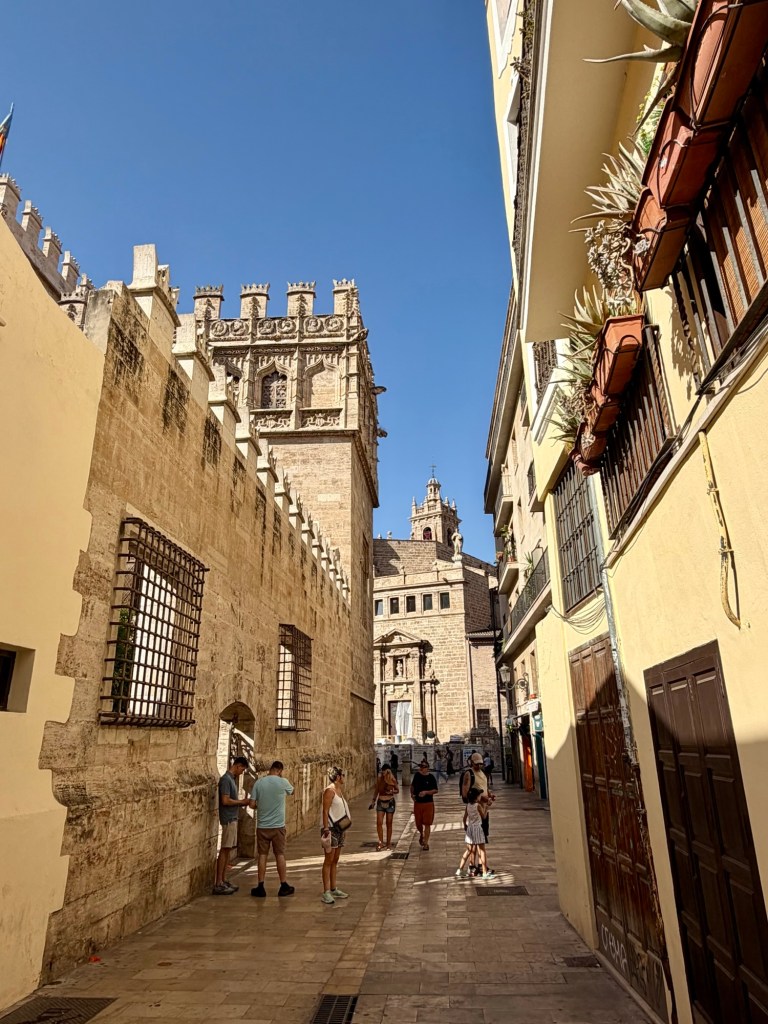
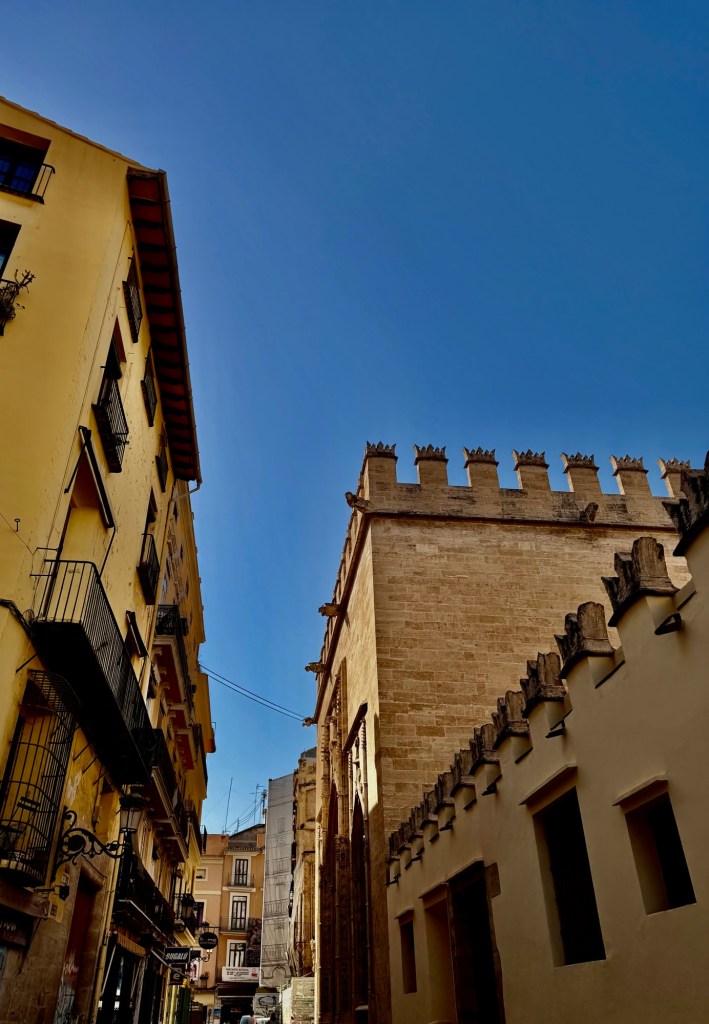
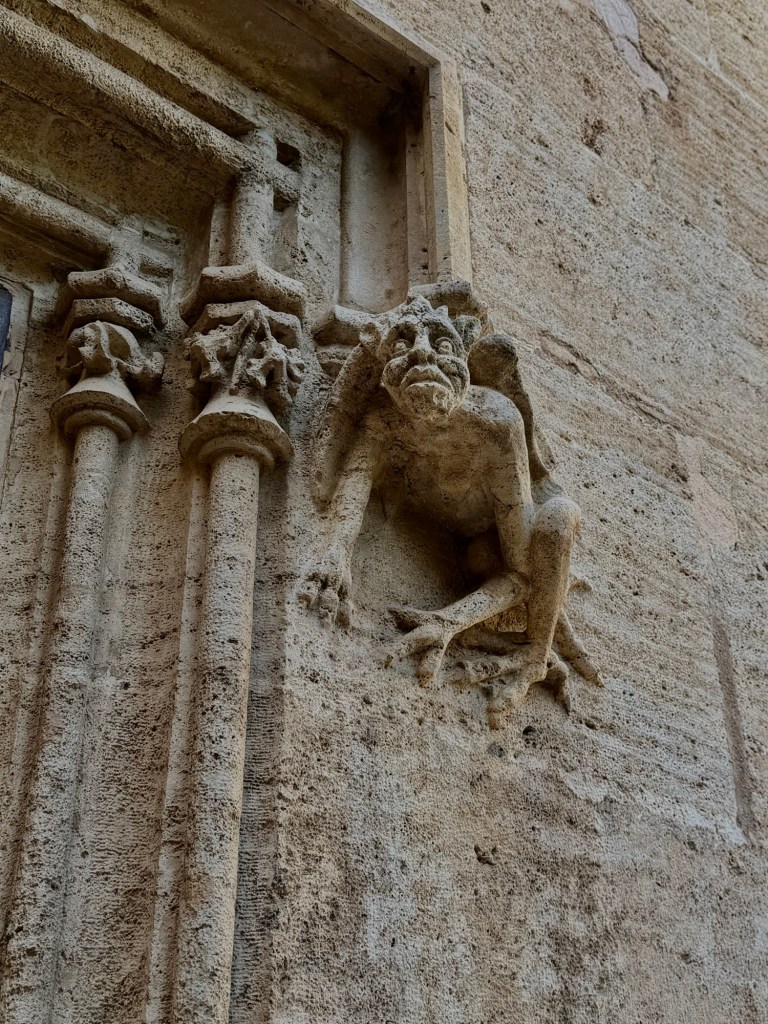
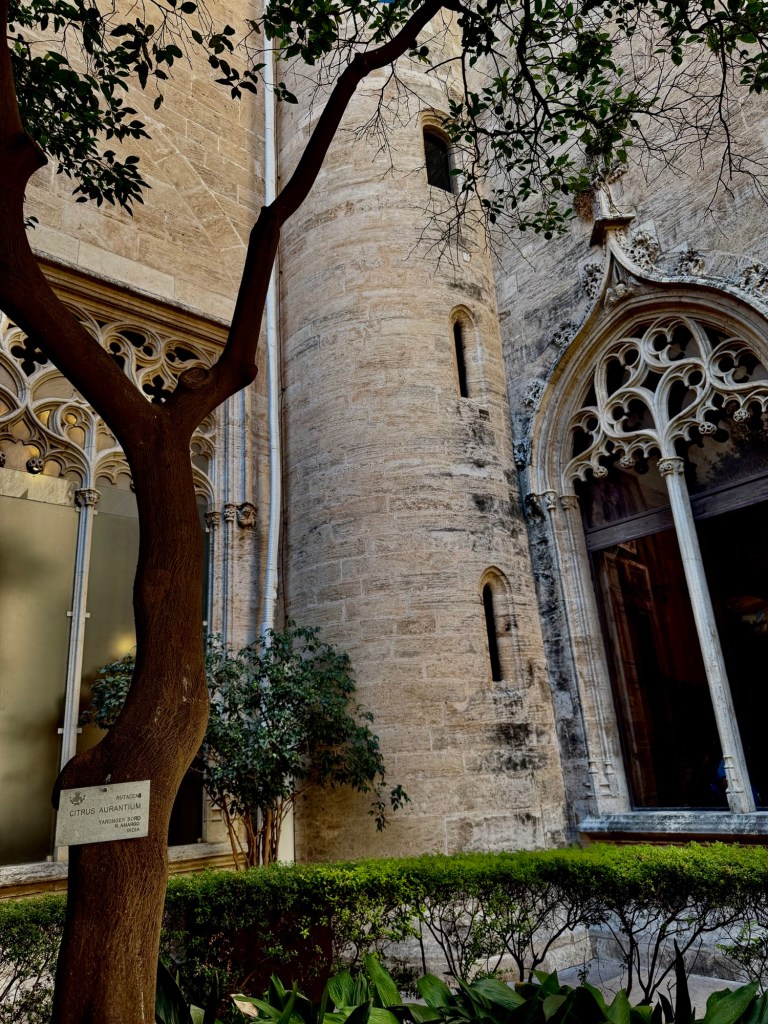
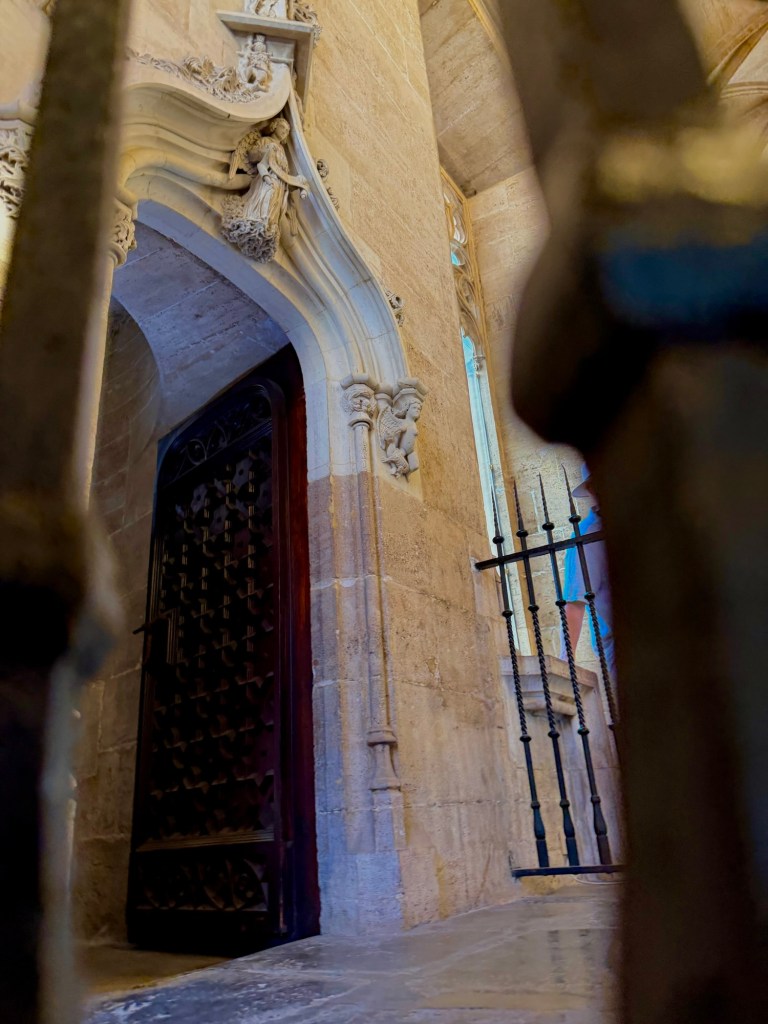
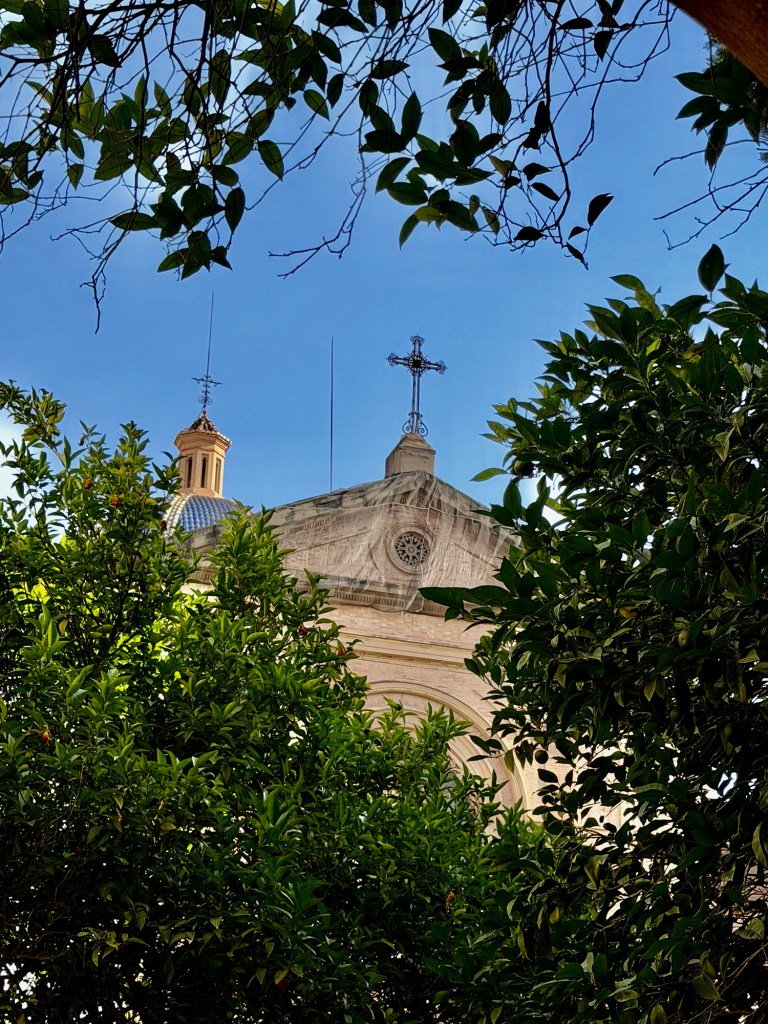
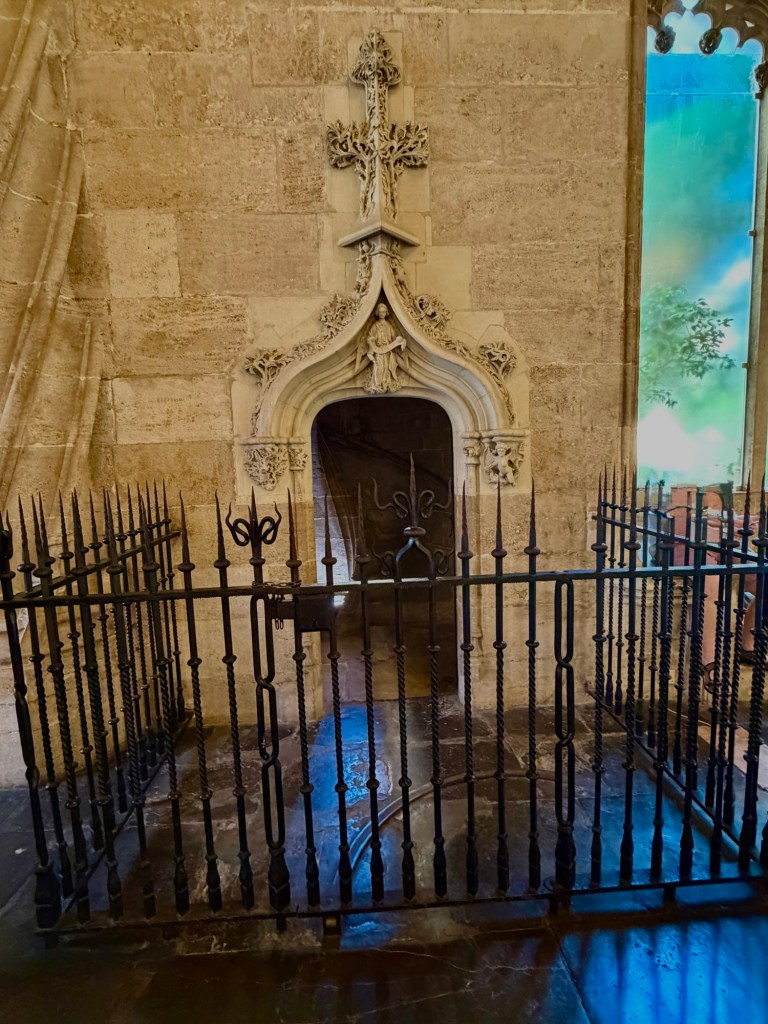
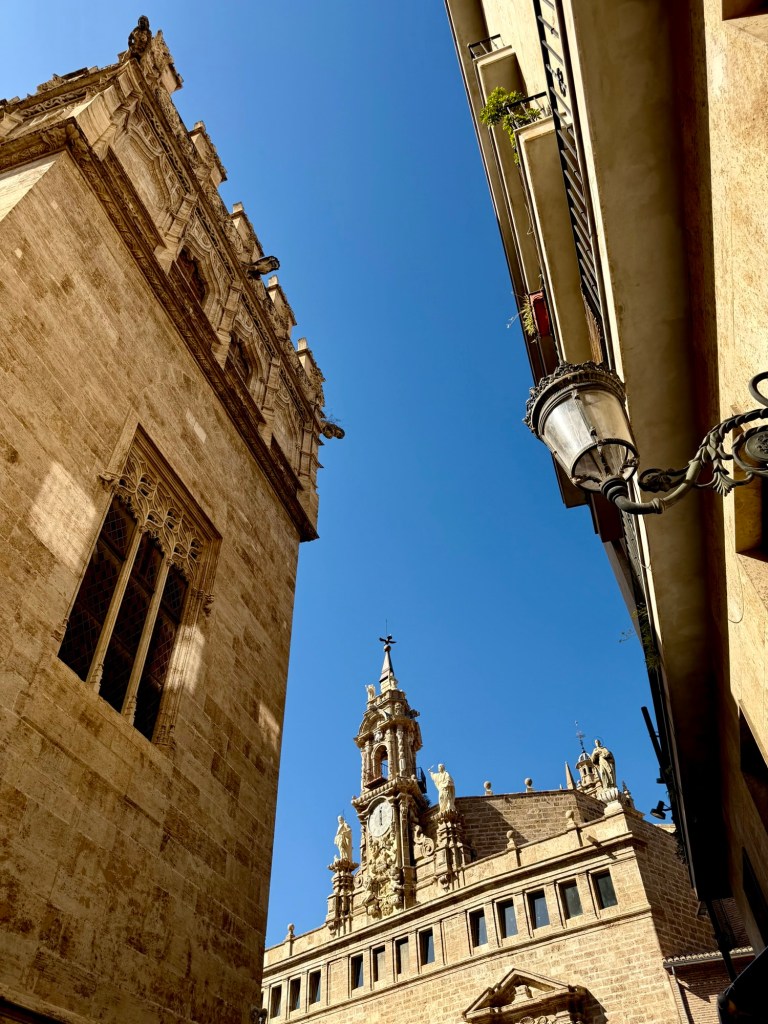
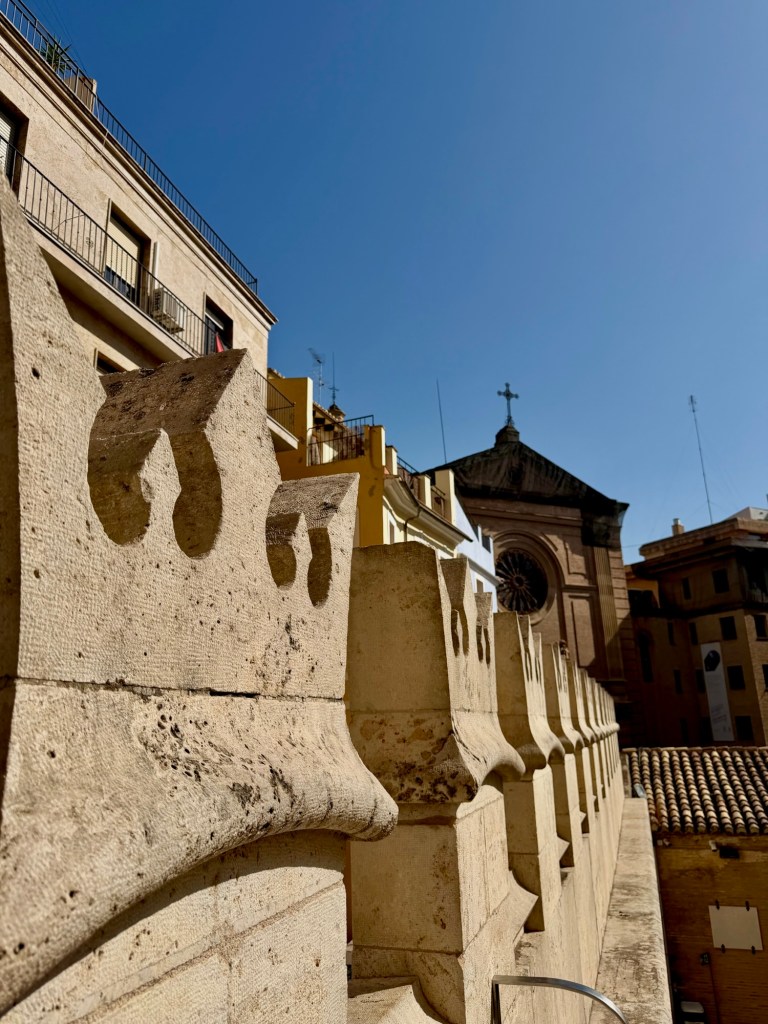
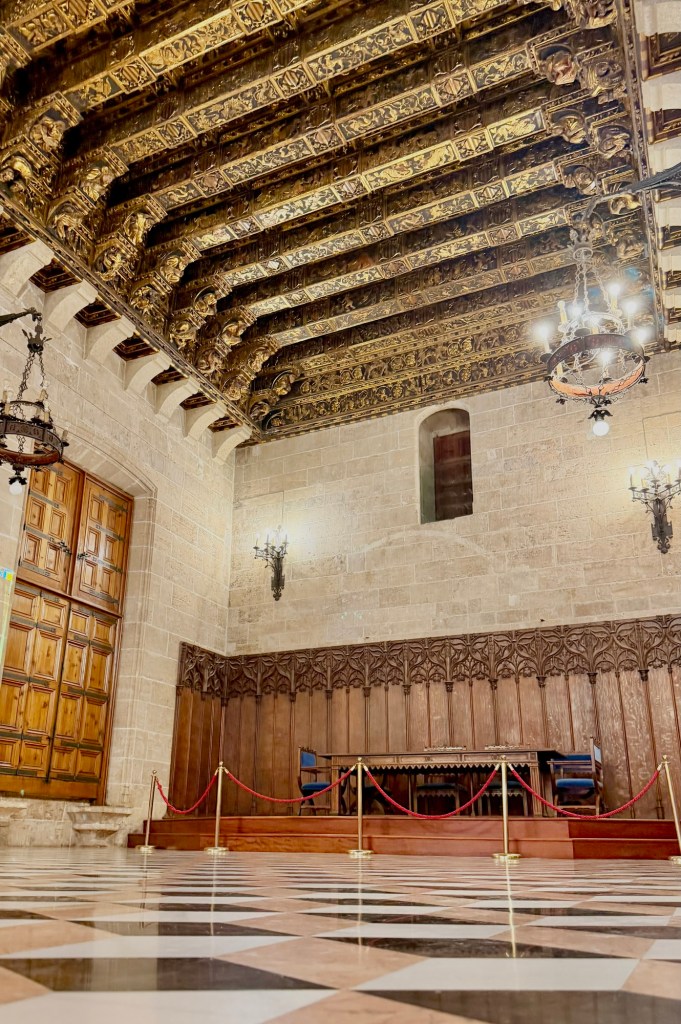
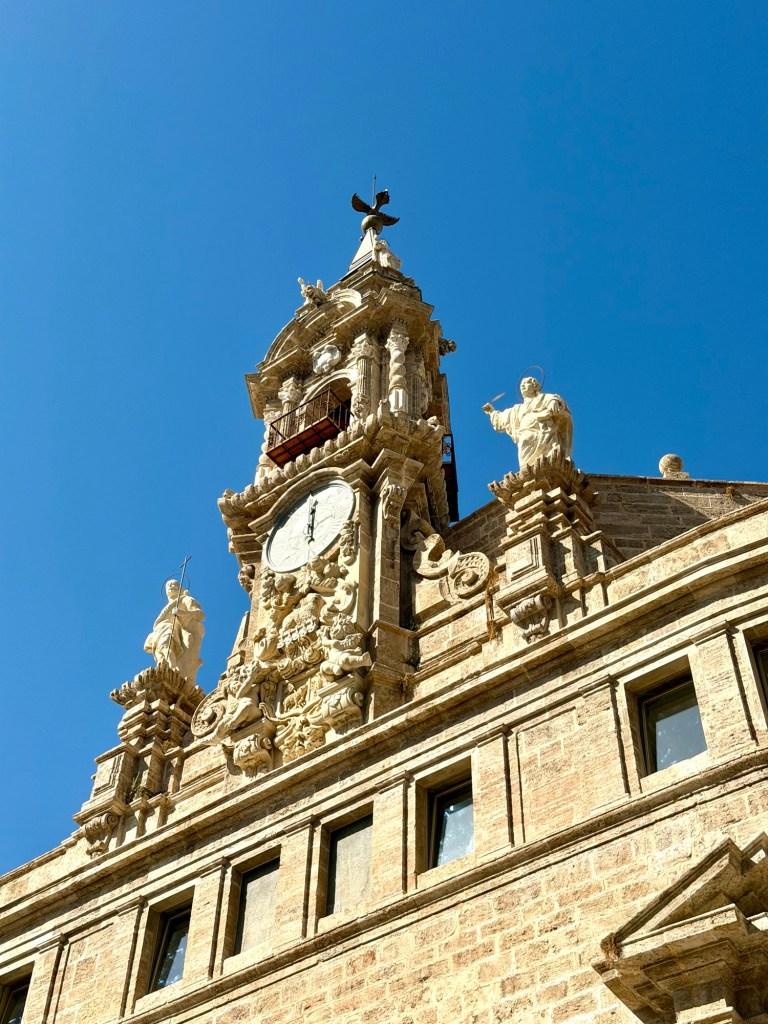
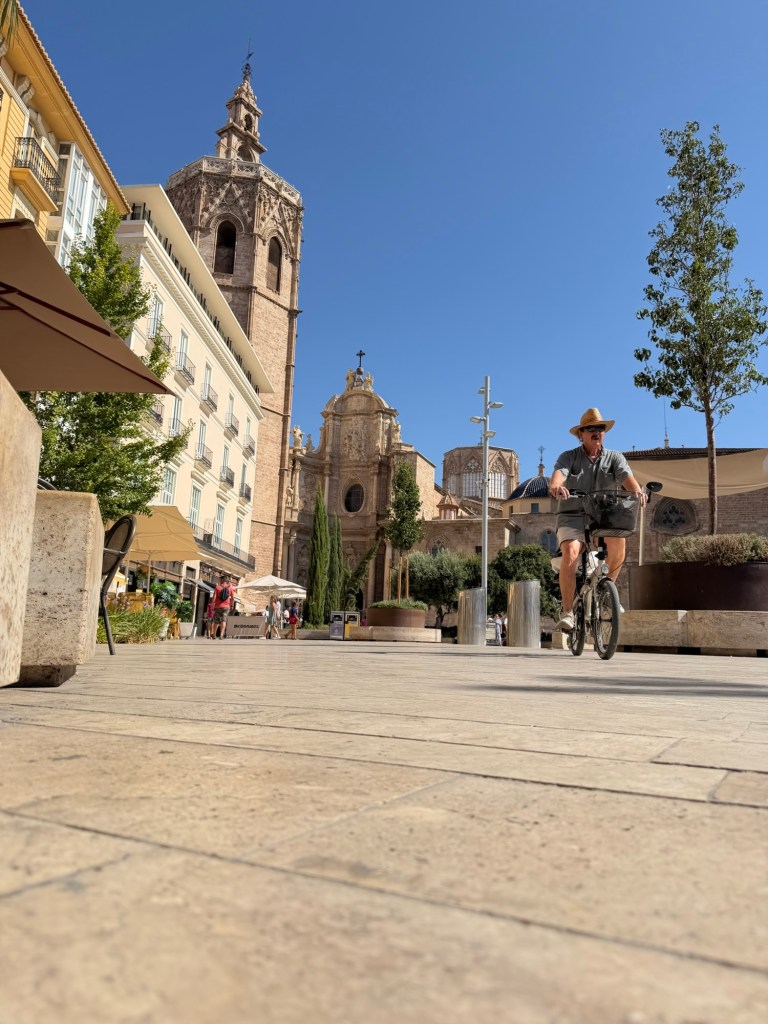
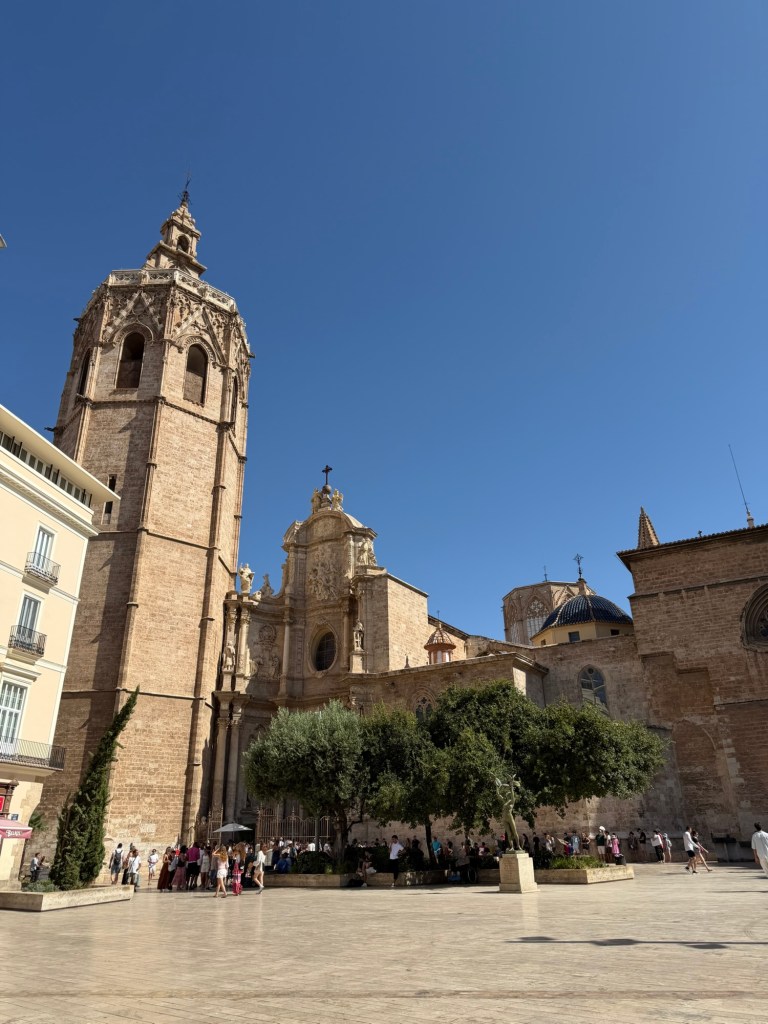
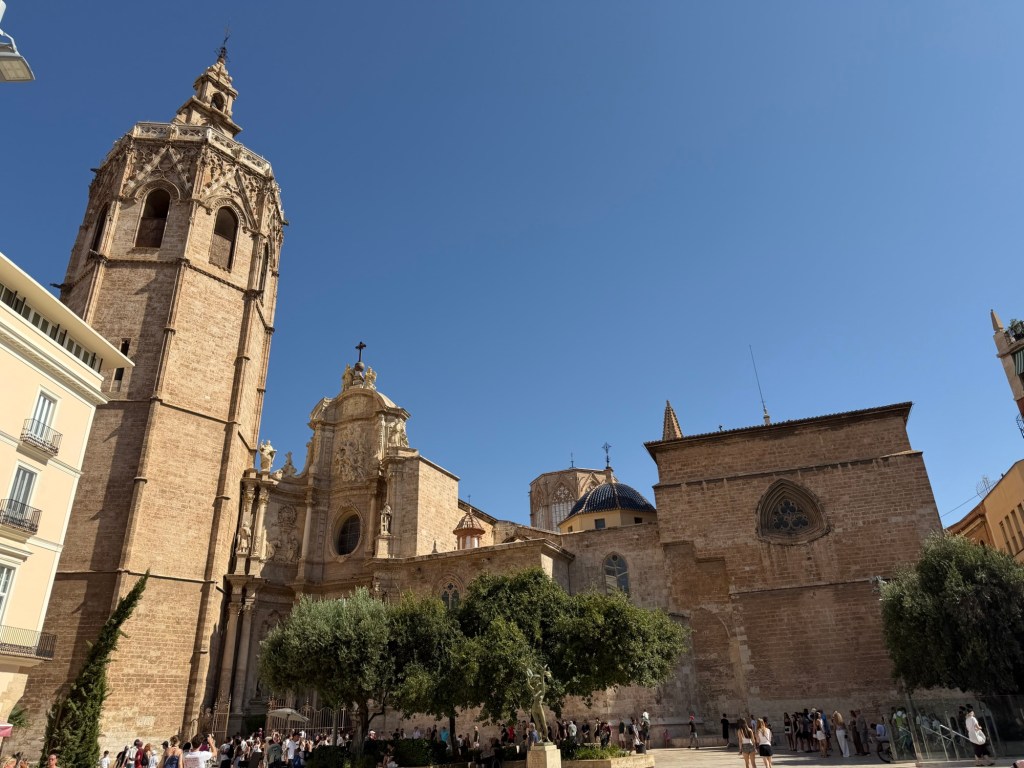
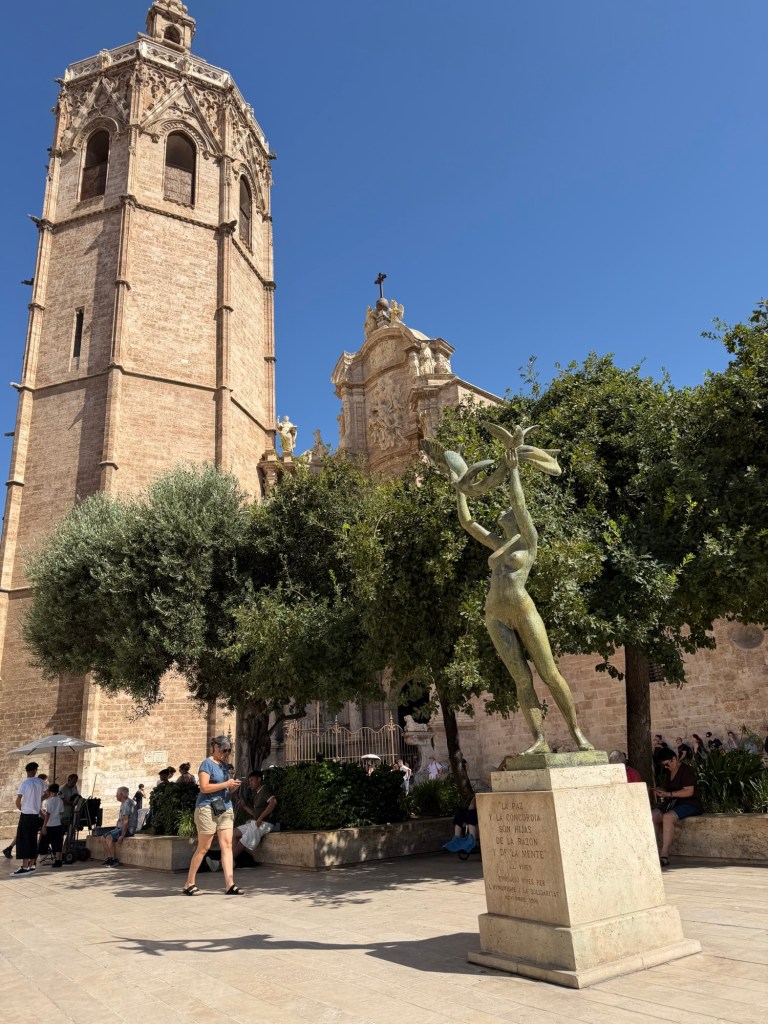
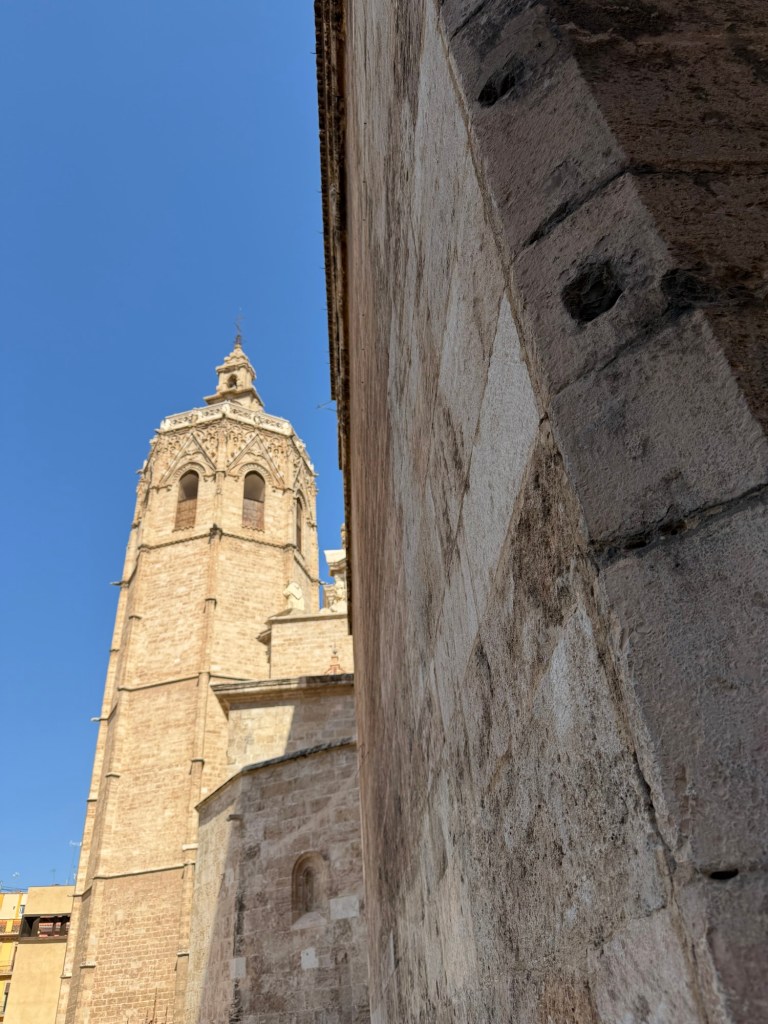
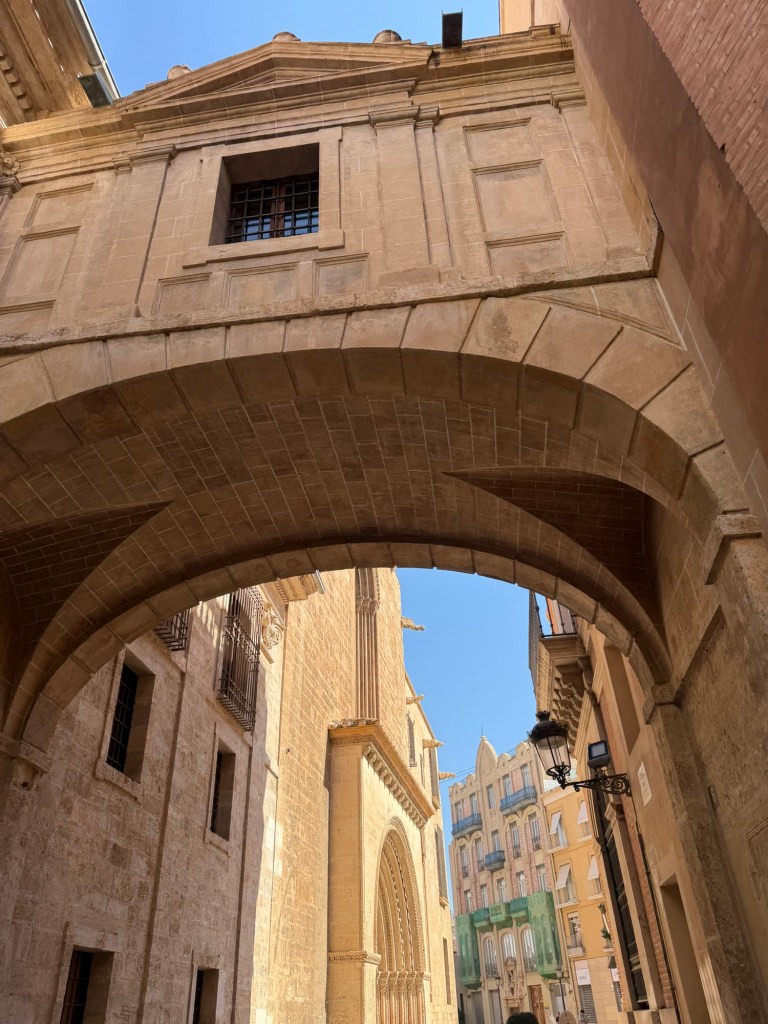
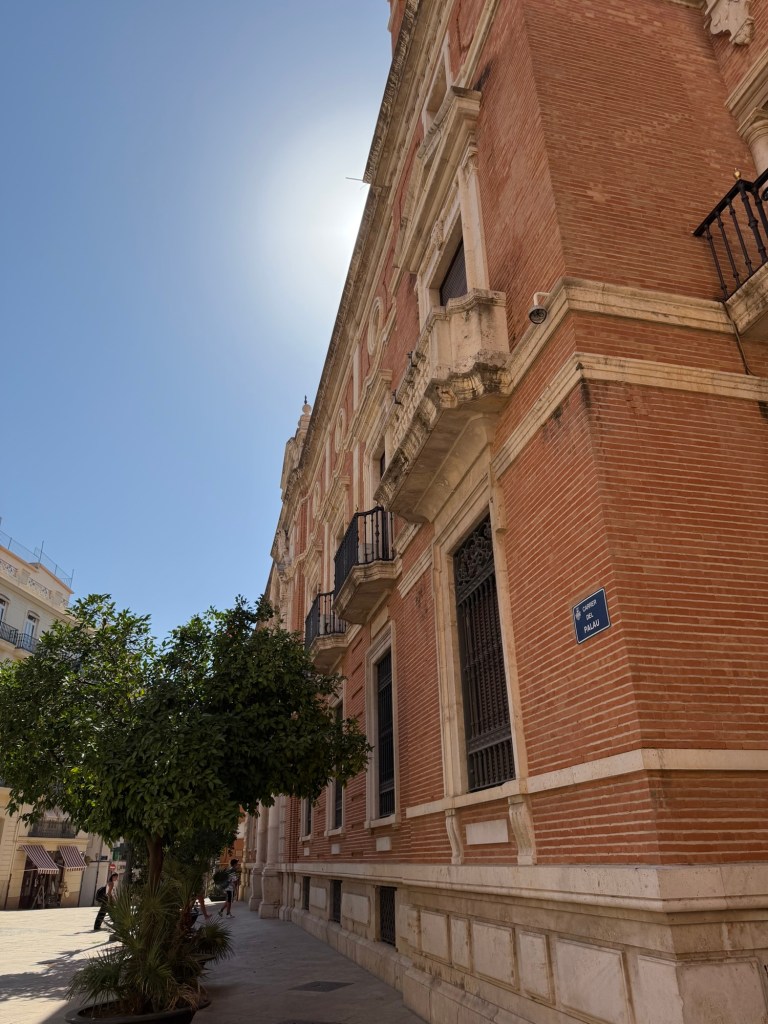
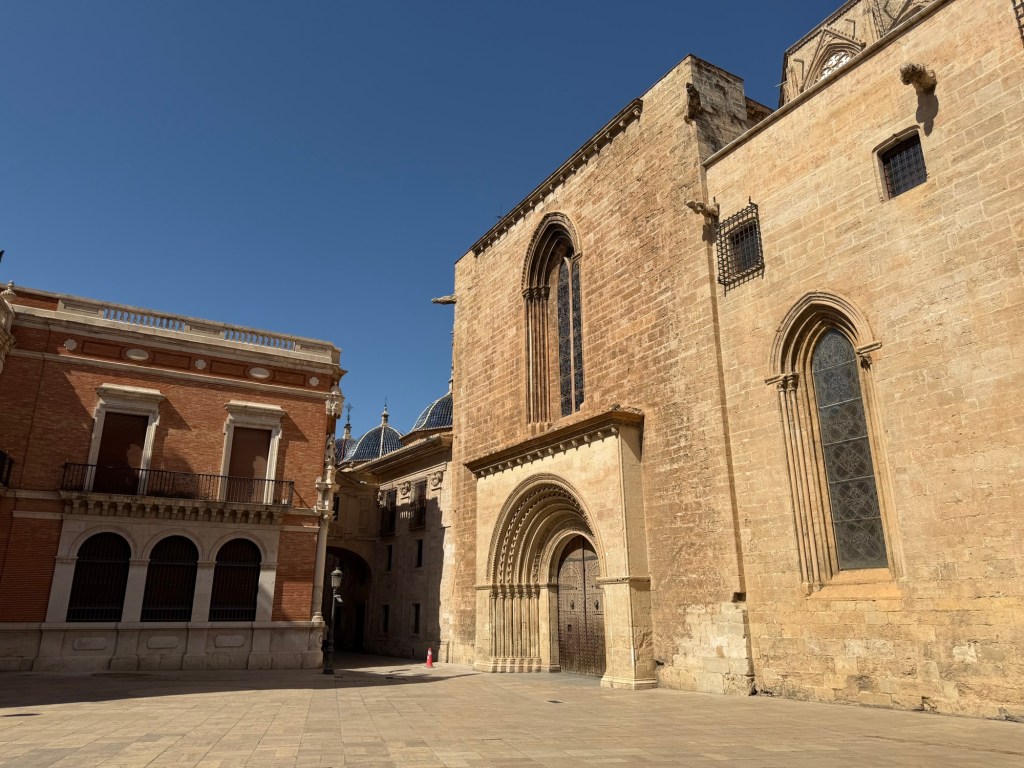
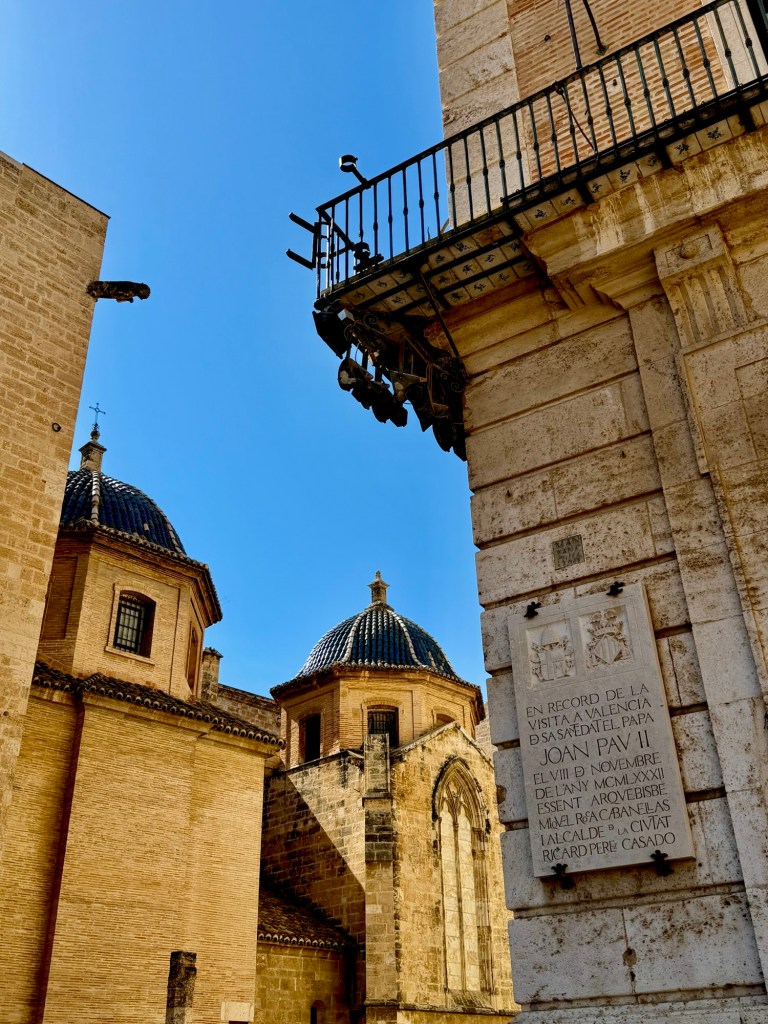
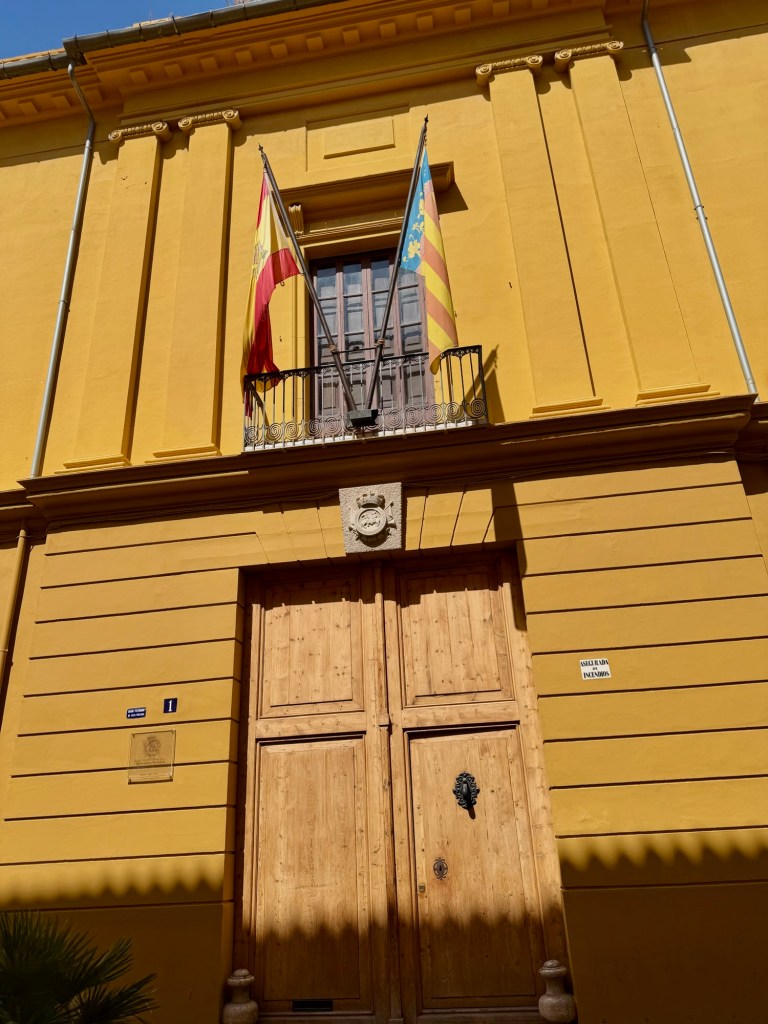
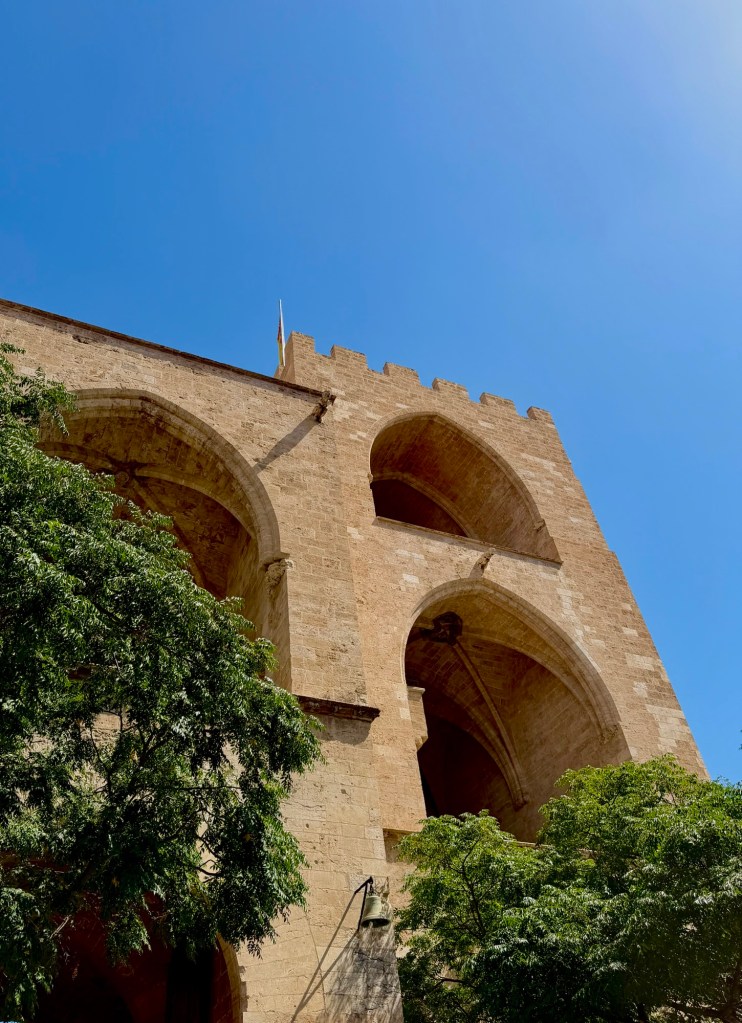
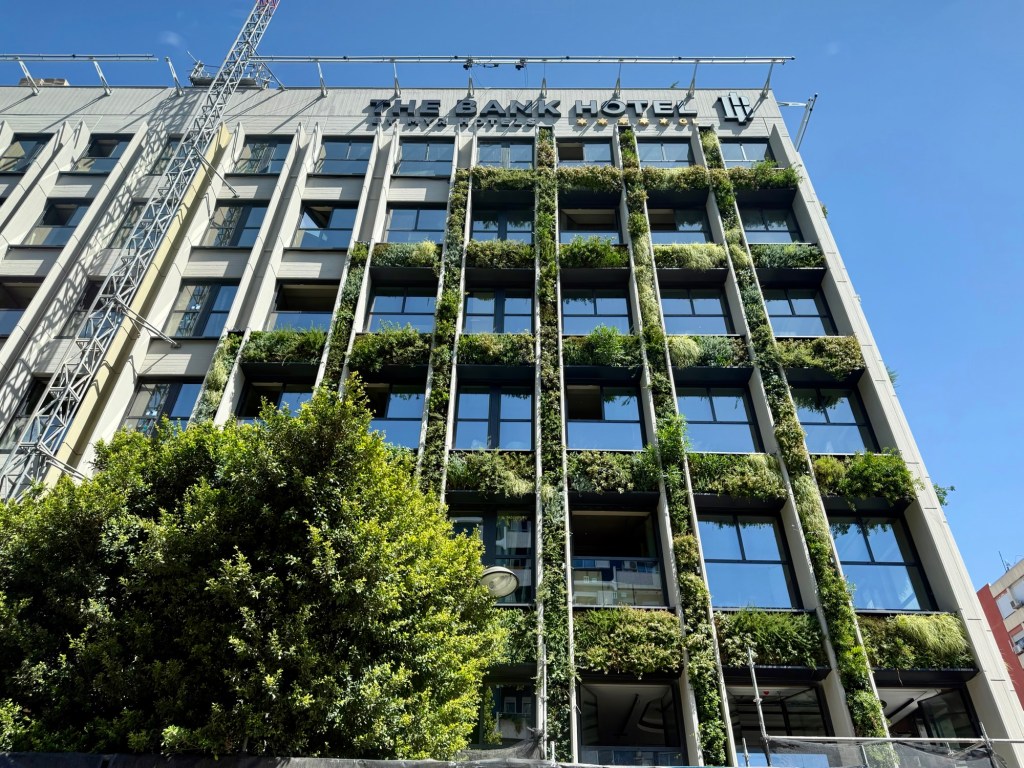
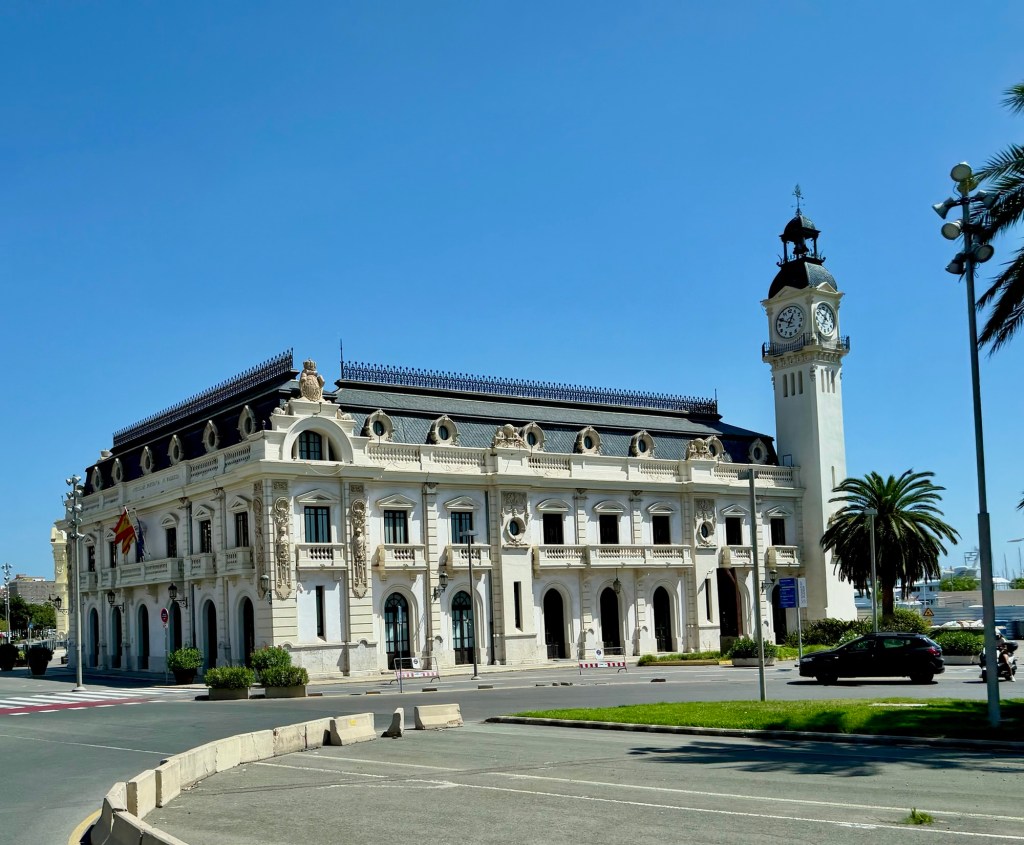
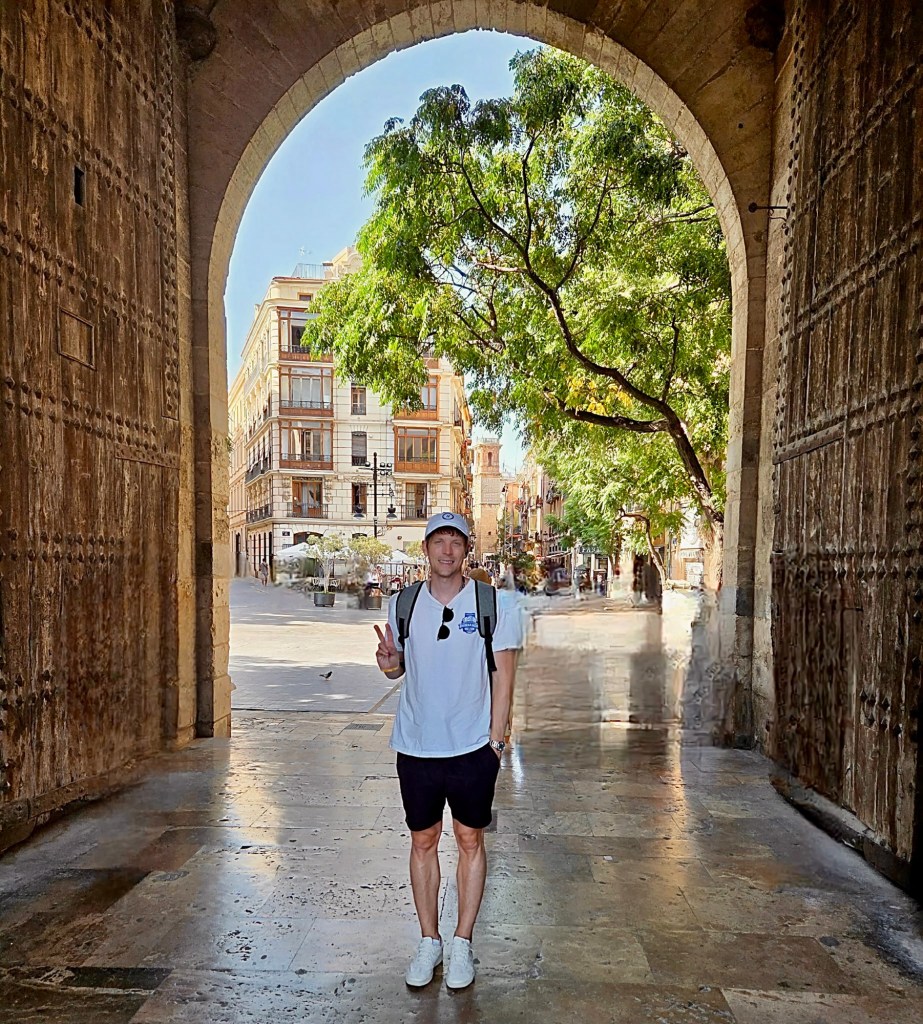
Valencia has a wonderful way of changing character from one block to the next. One moment we were standing beneath the sweeping white structures of the City of Arts and Sciences, their futuristic curves reflected almost perfectly in the surrounding water. A short while later, we were wandering beneath old stone towers, weathered wooden doors and balconies glowing in the Spanish sunshine.
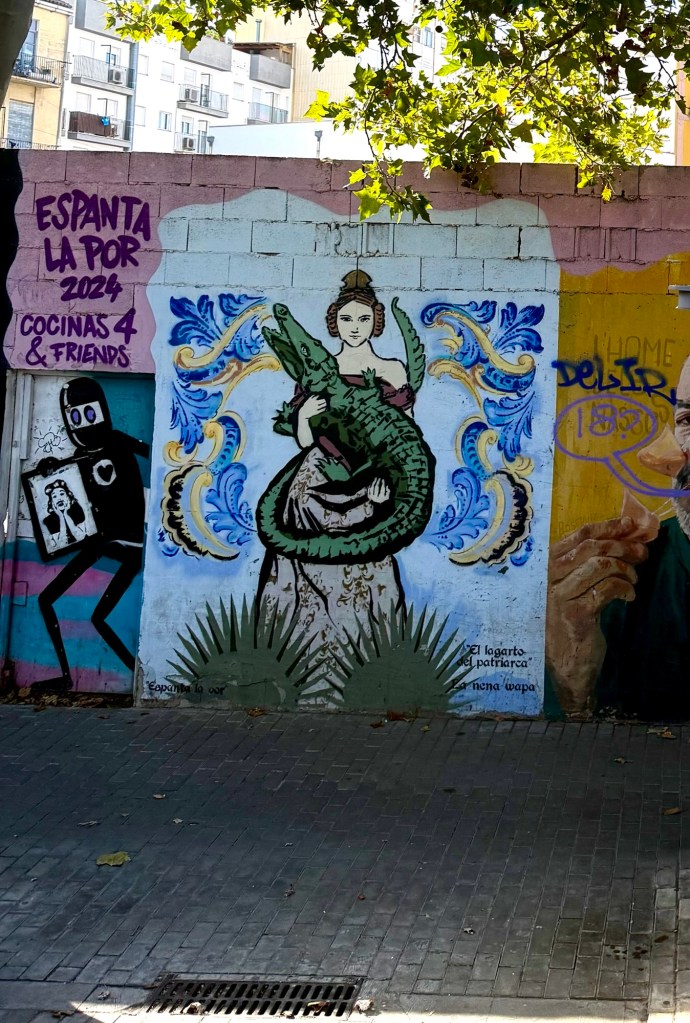
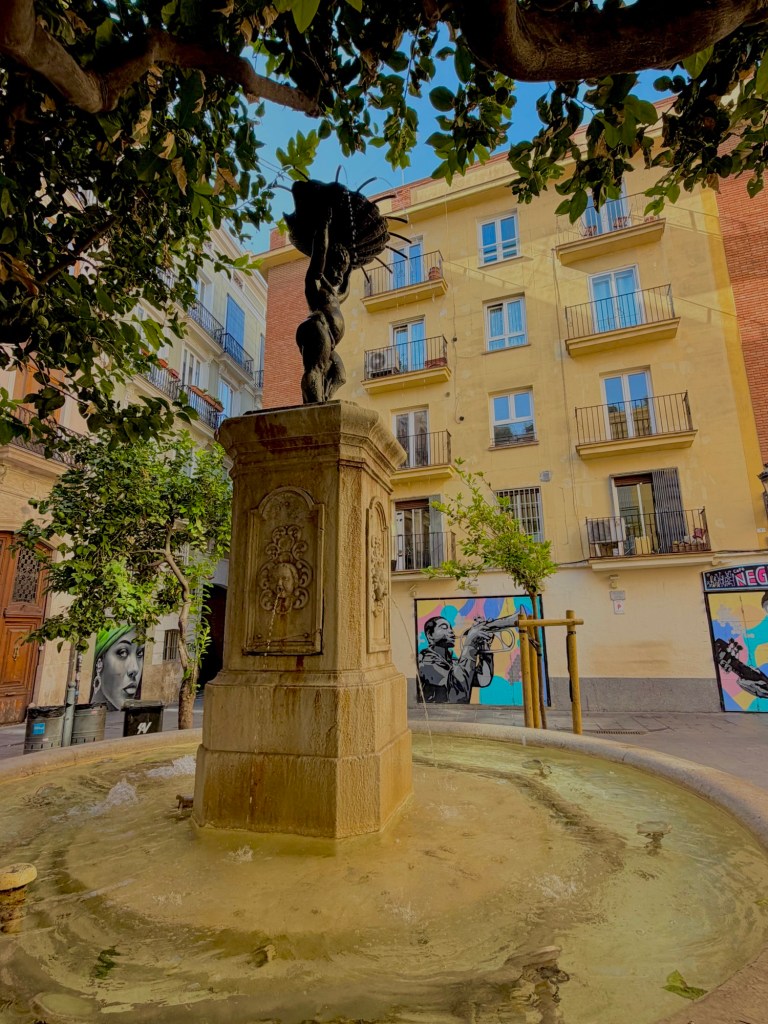
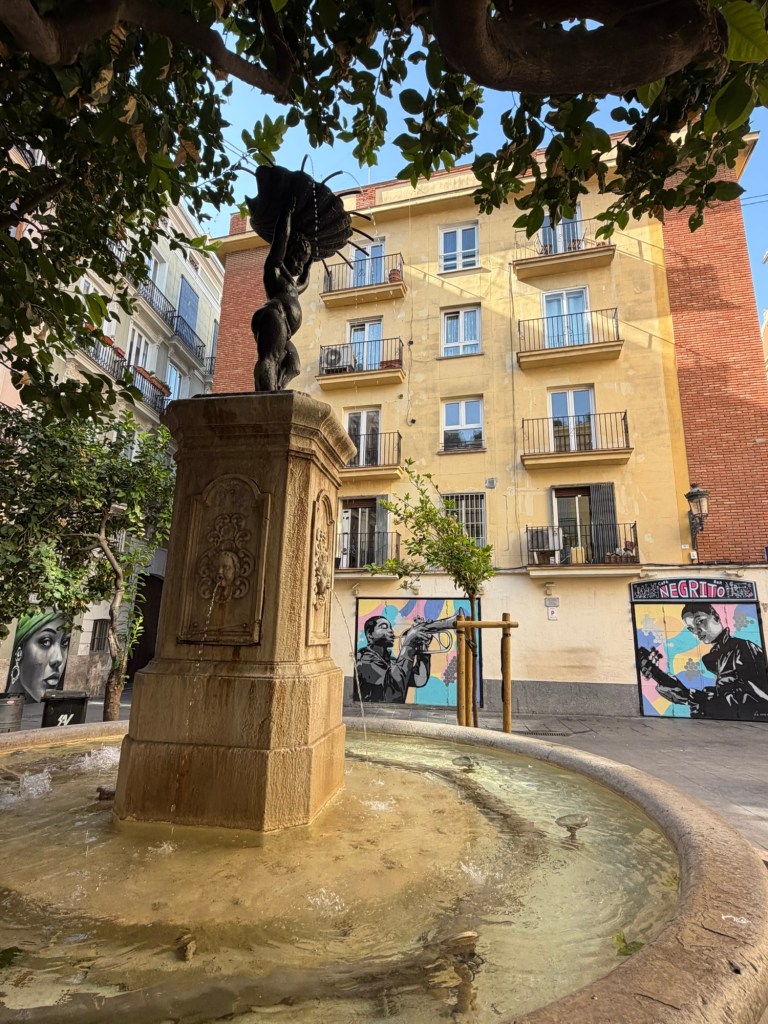
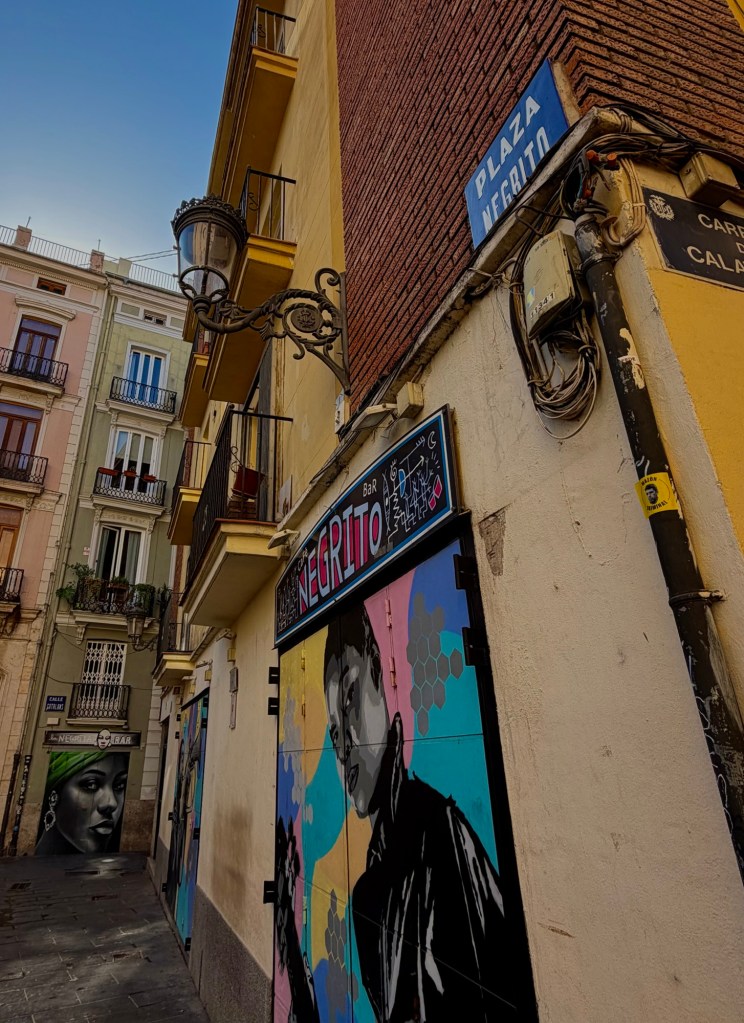
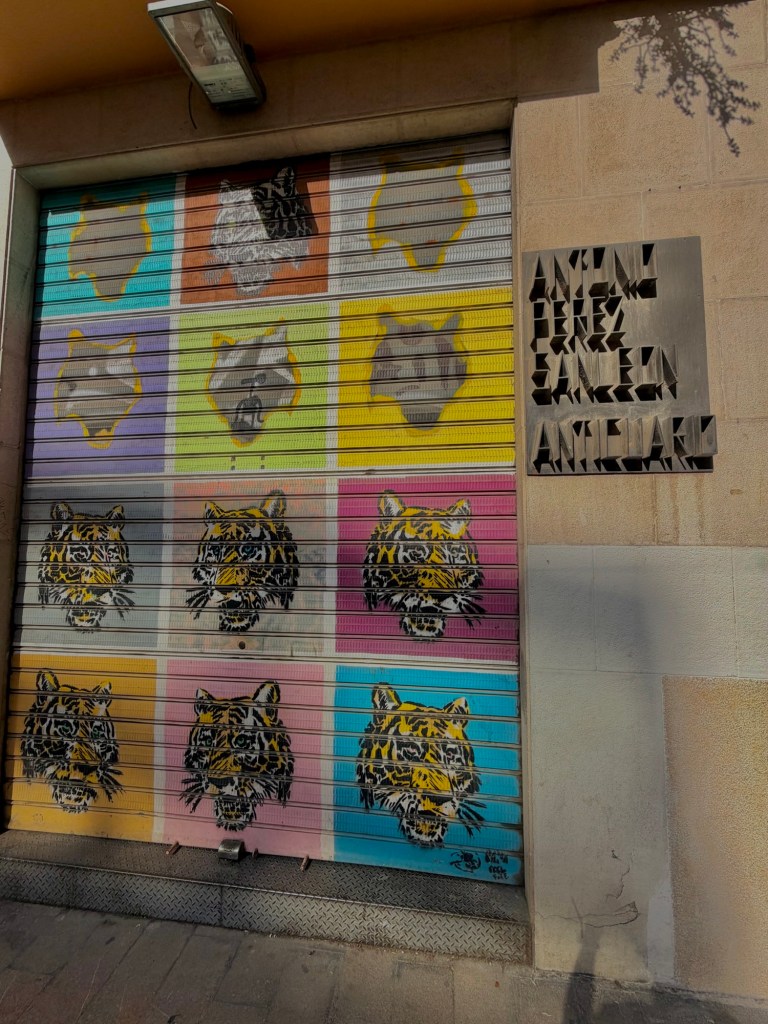
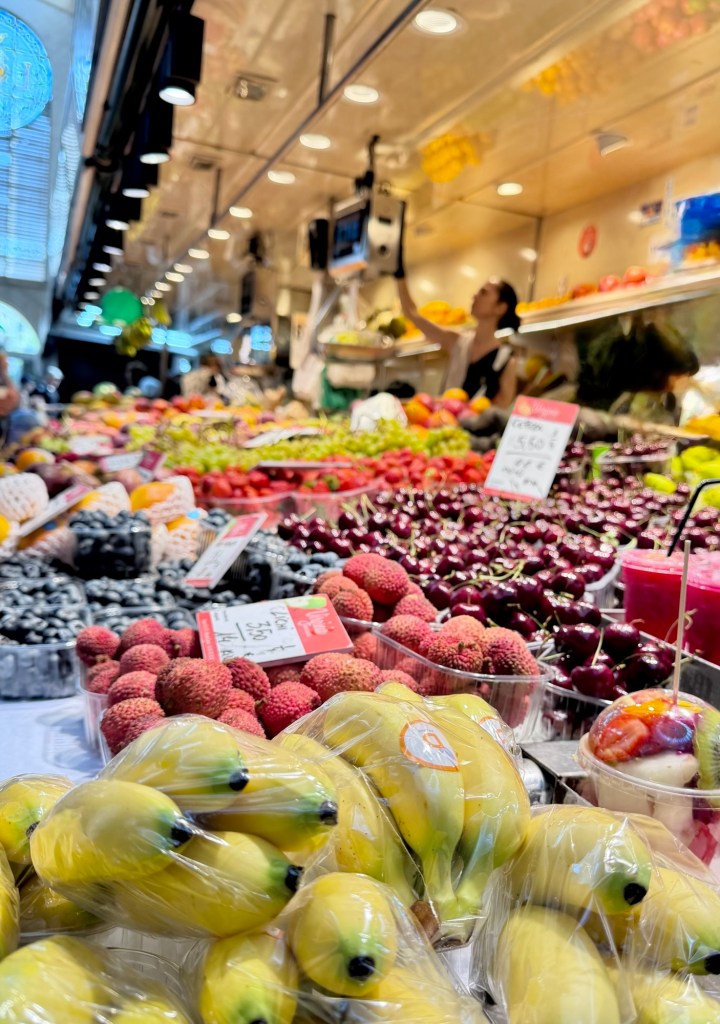
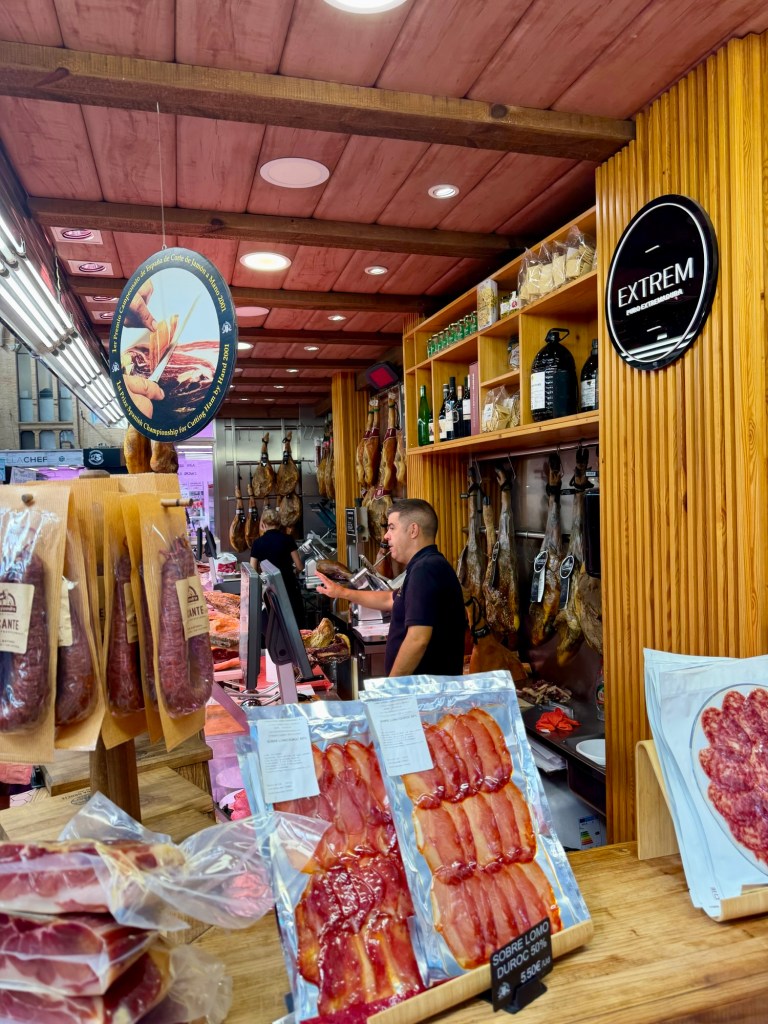
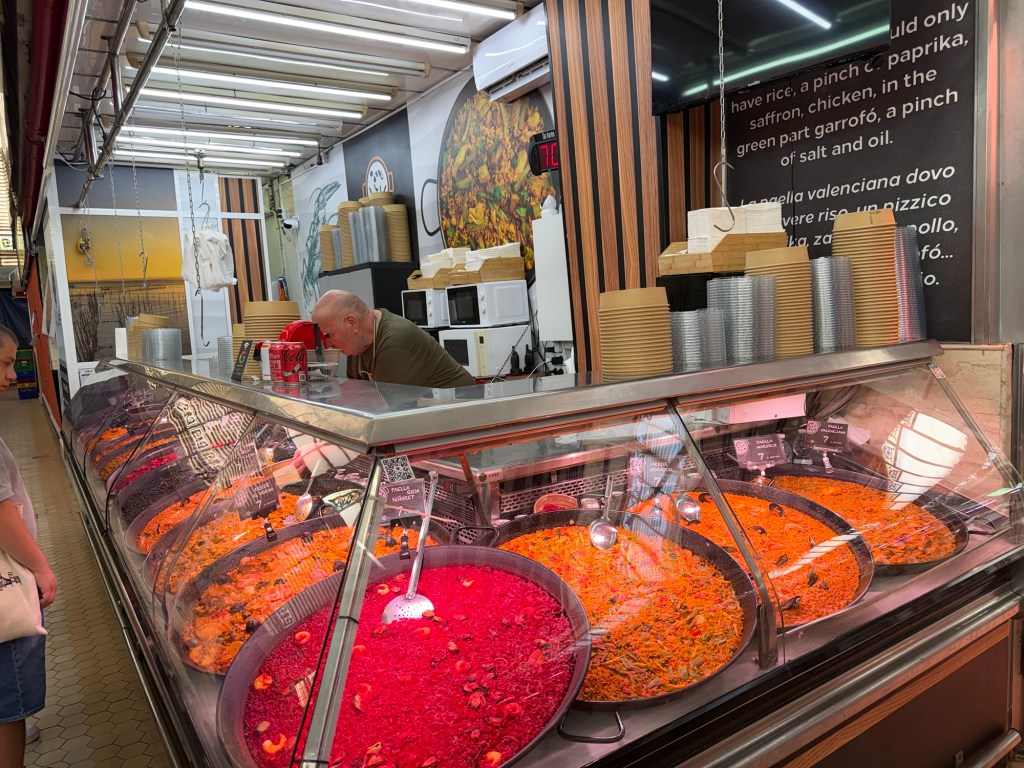
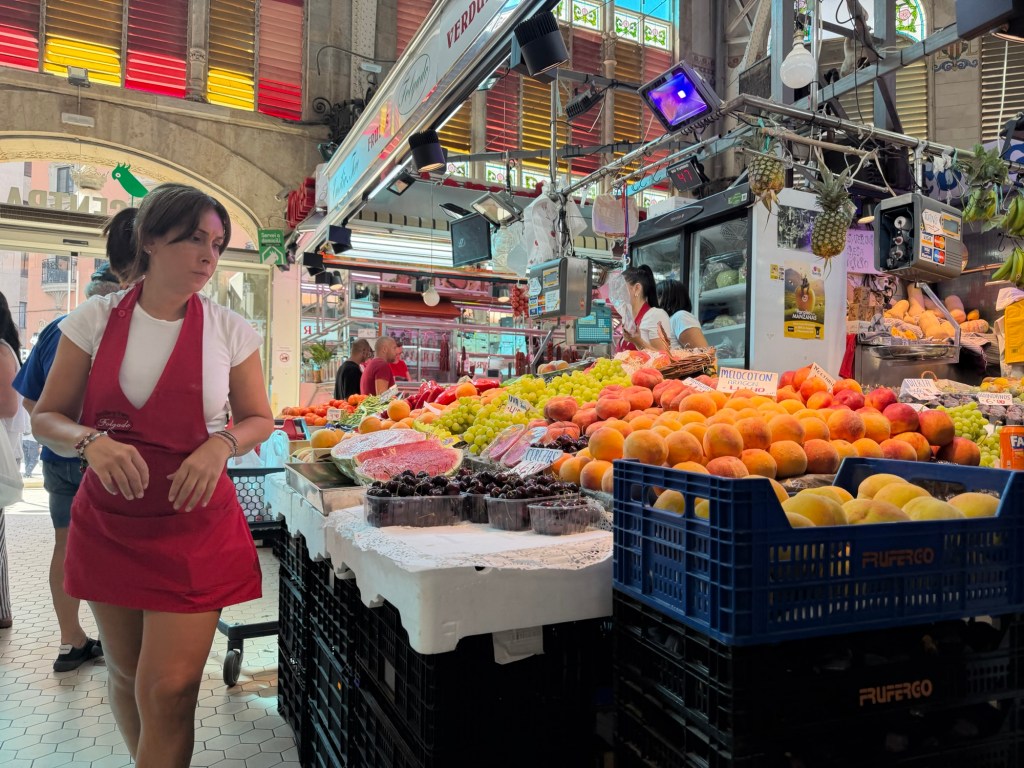
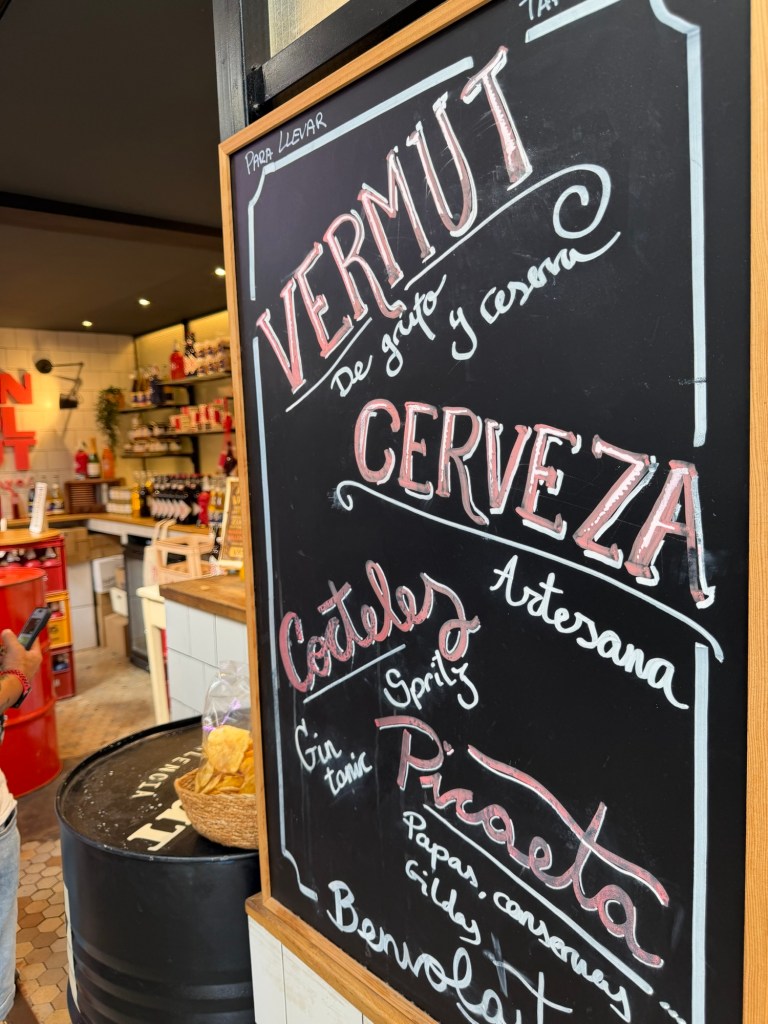
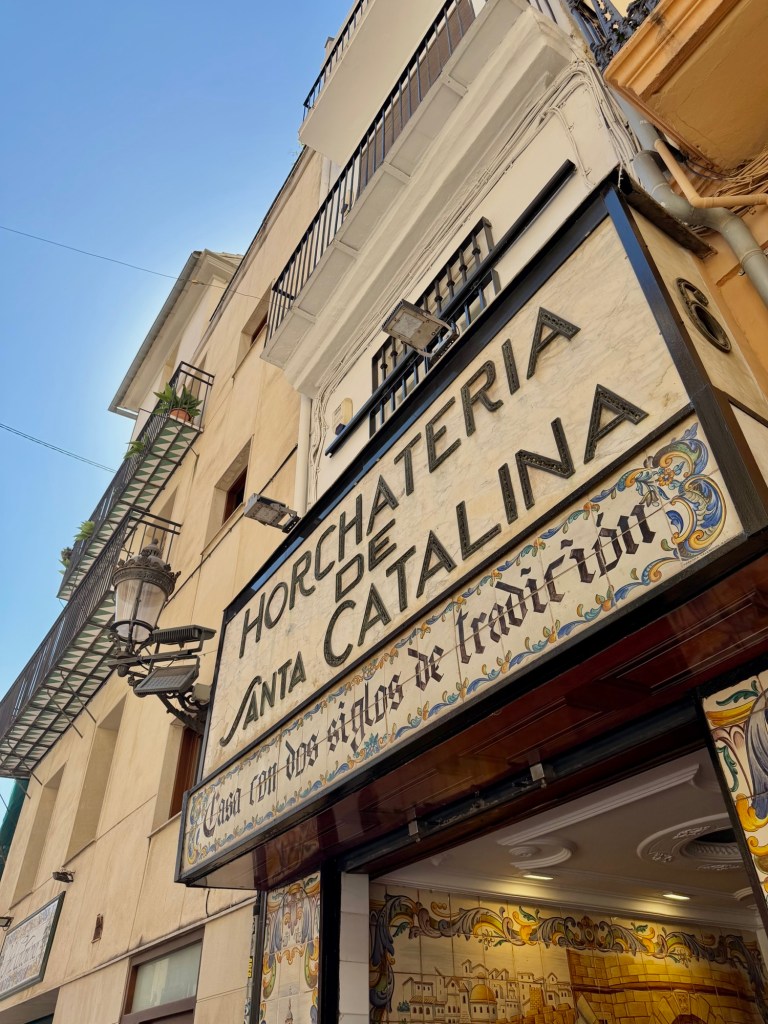
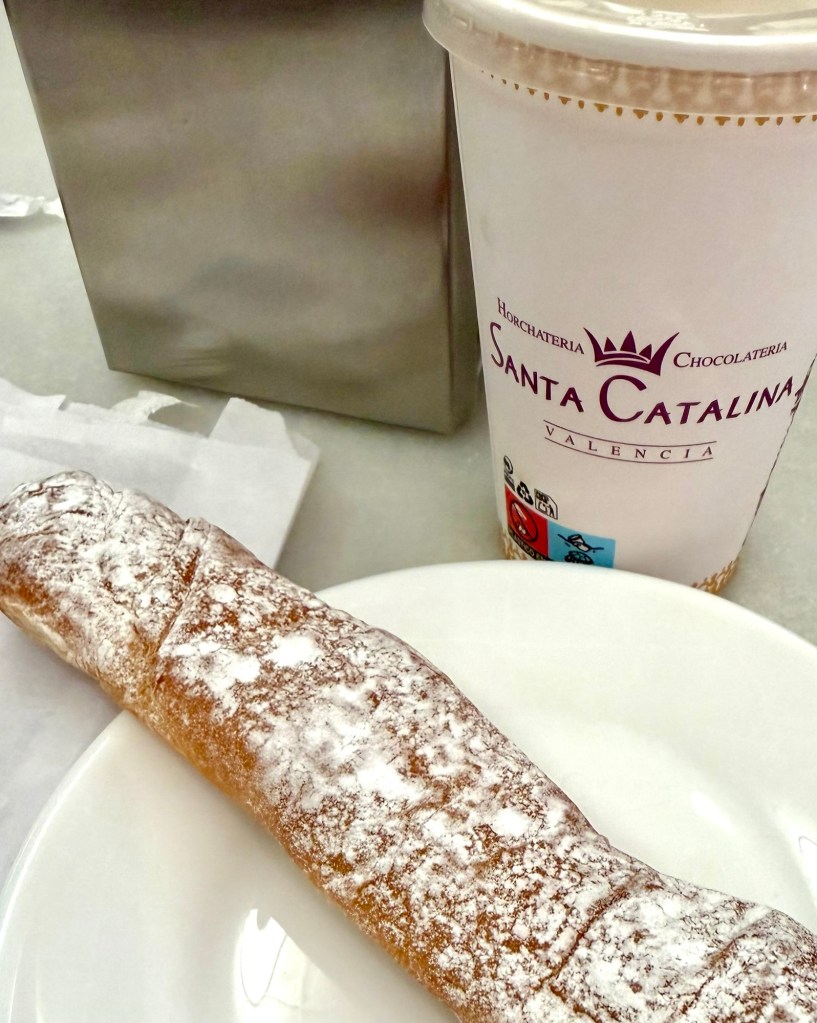
What I loved most was that Valencia didn’t feel like a city preserved behind glass. It felt lived in. Historic buildings sit alongside colorful street art, neighborhood balconies and busy markets. At the market, brilliant displays of cherries, berries, lychees, bananas and other fresh produce made it almost impossible to walk past without stopping. And, naturally, there was time for something sweet — a pastry dusted generously with sugar and a drink from Santa Catalina.
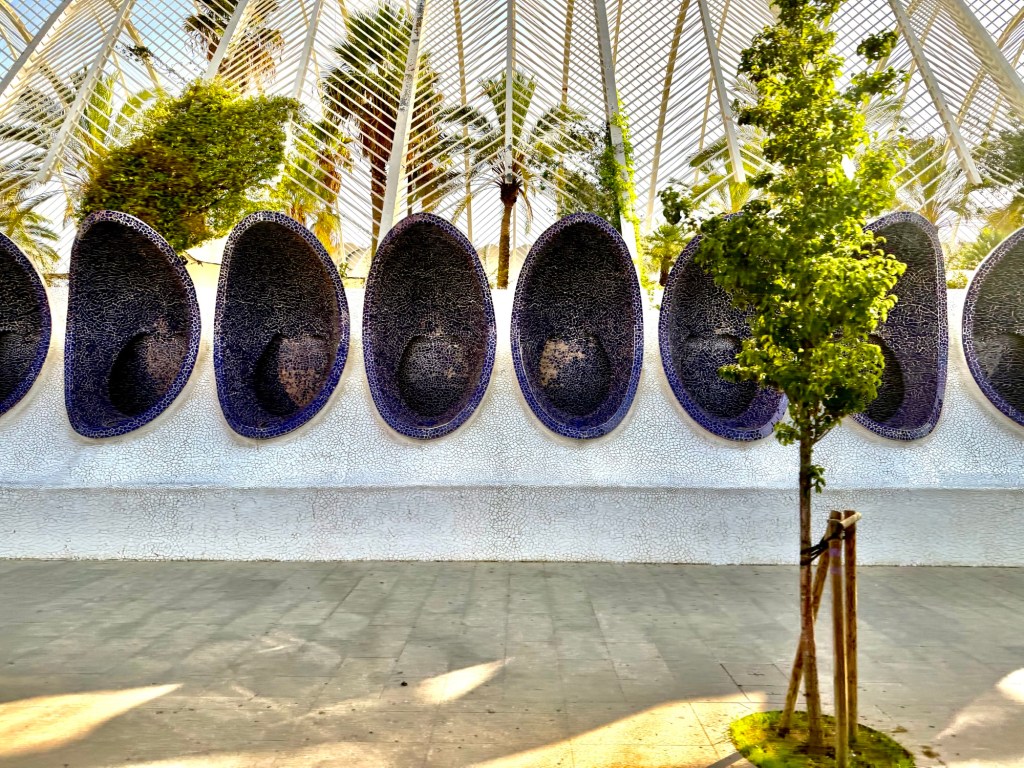
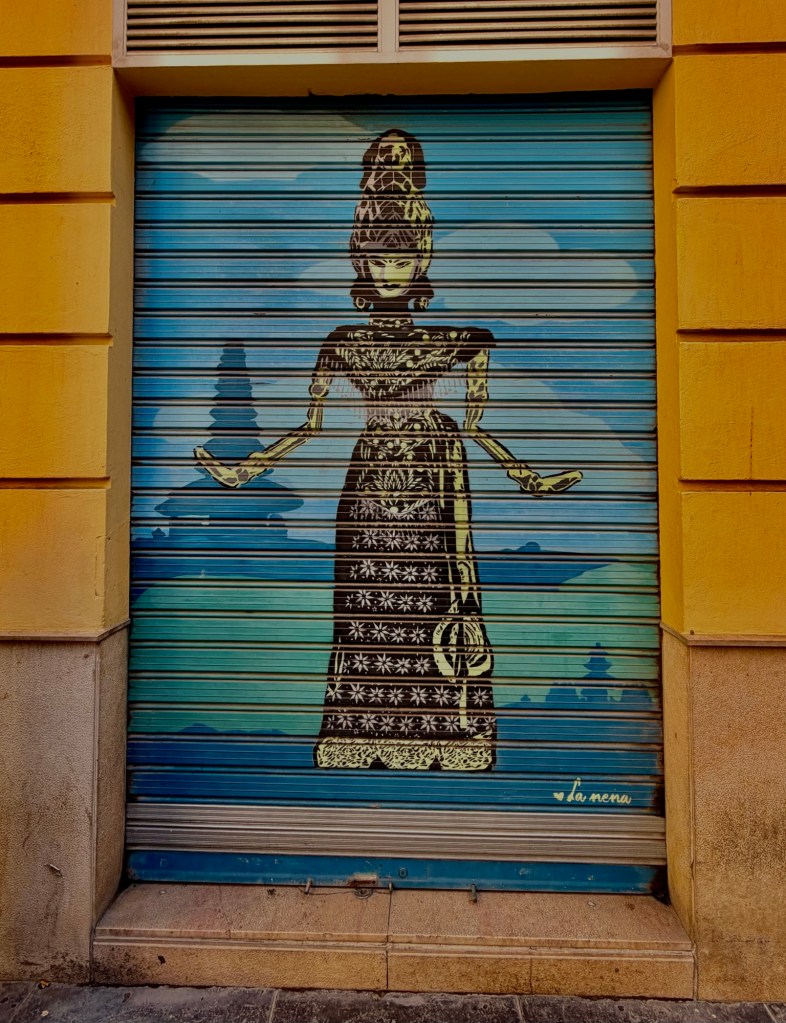
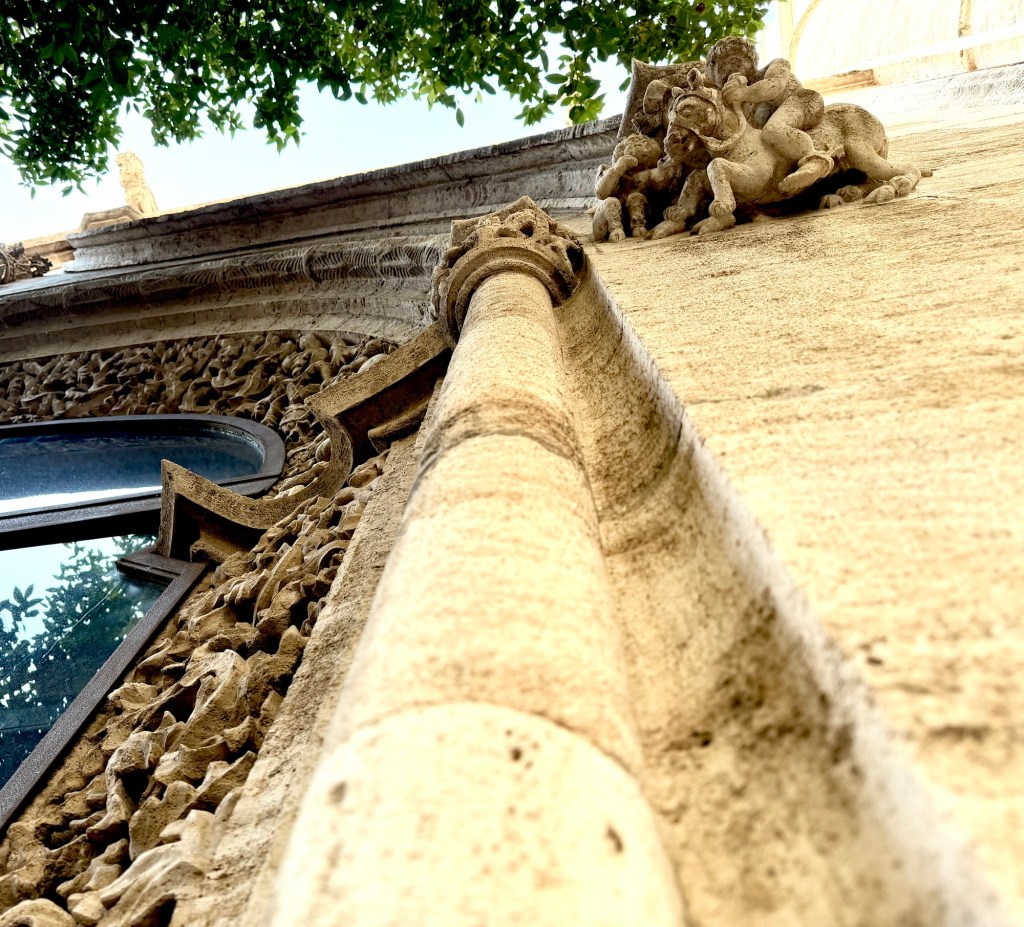
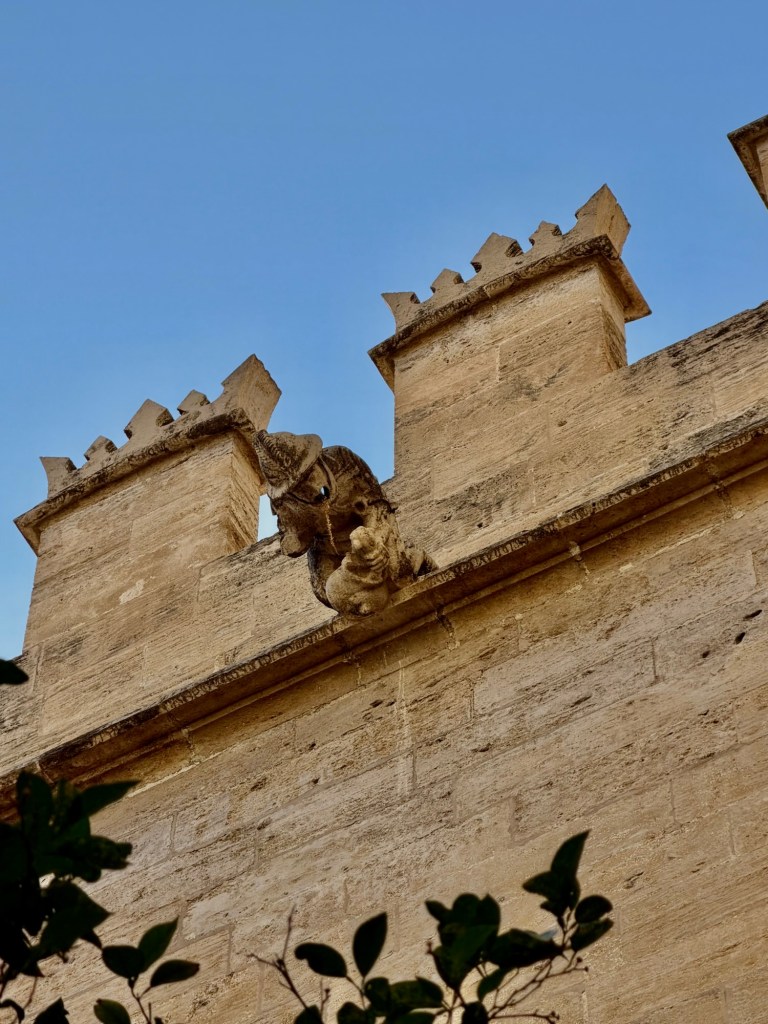
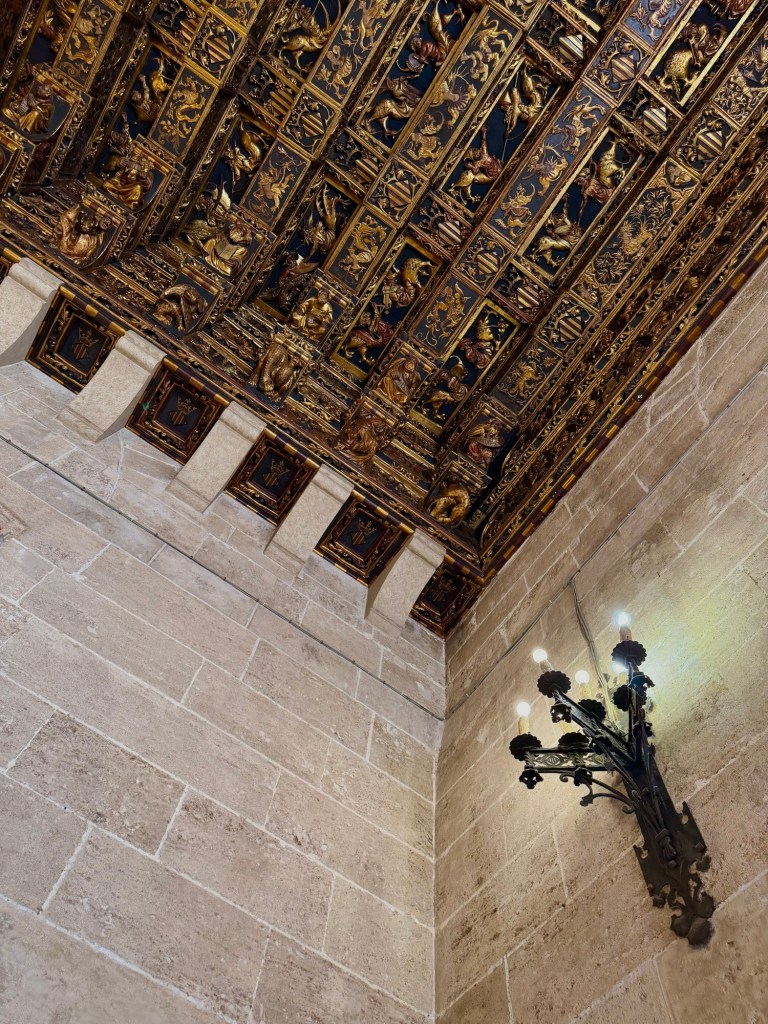
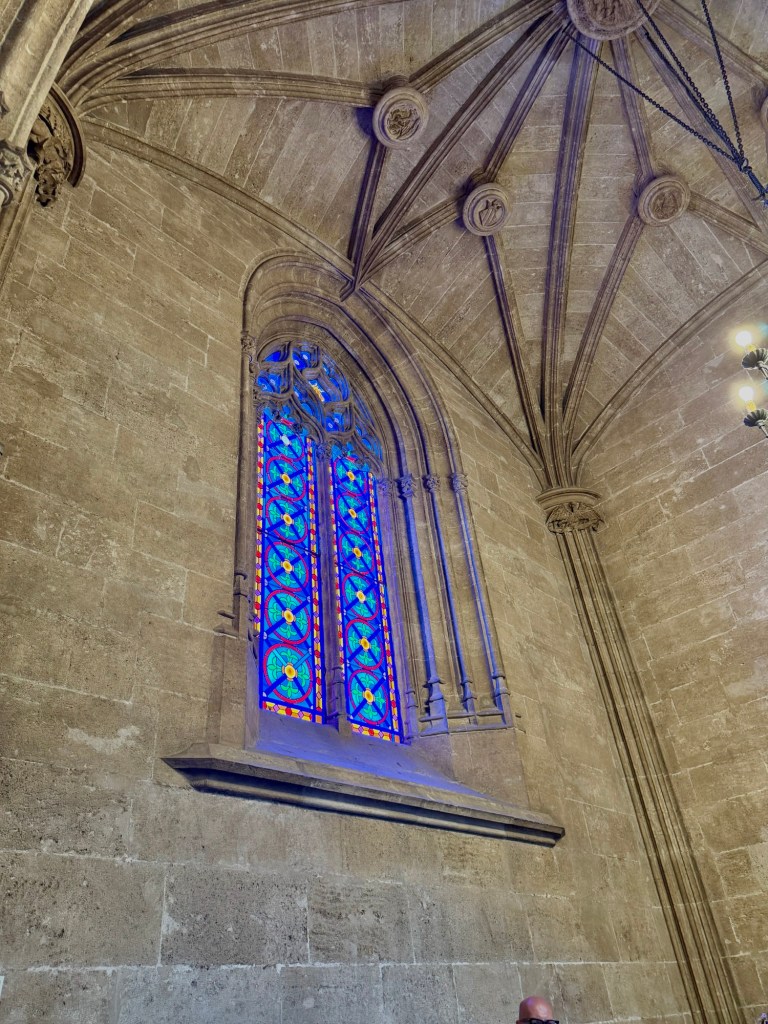
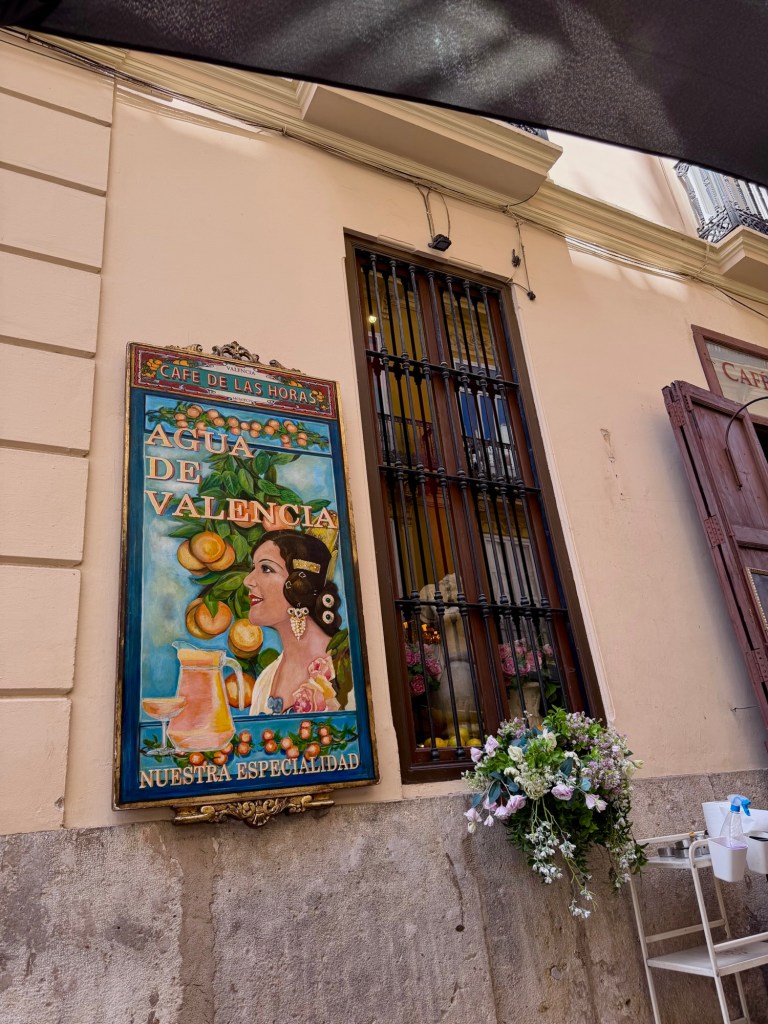
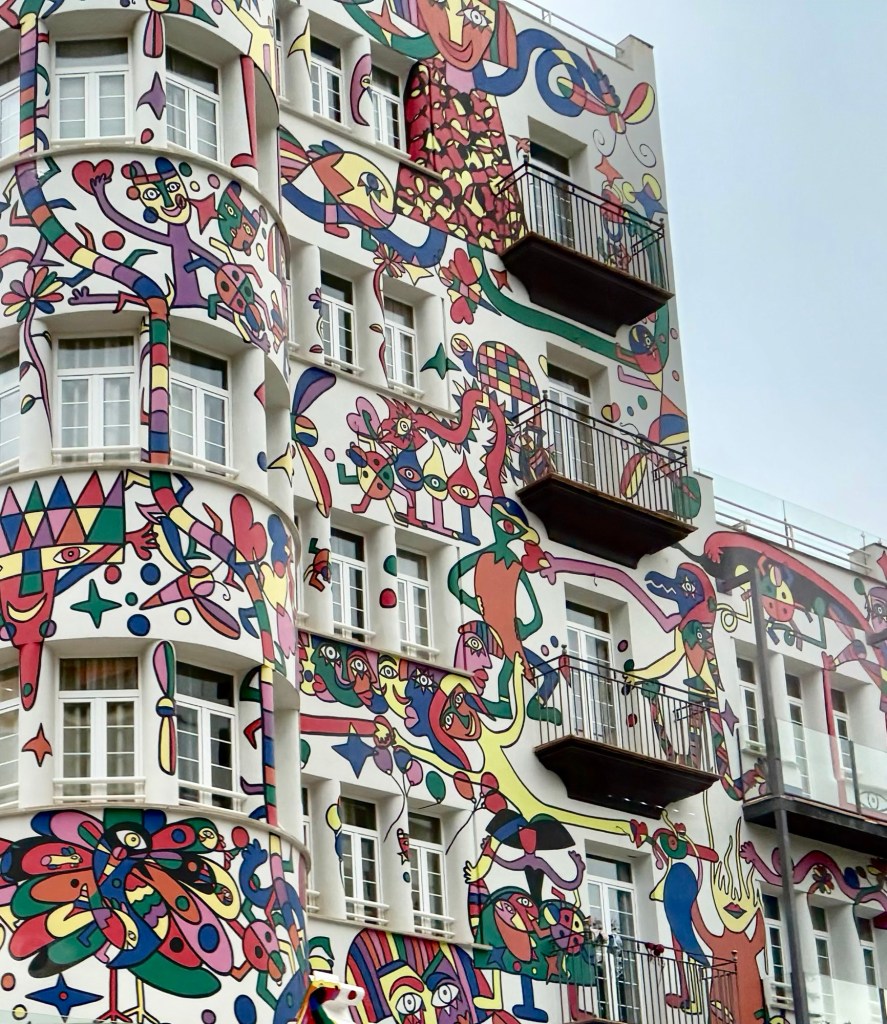
There are beautiful little details everywhere if you look for them: elaborate carvings high above the street, centuries-old wood and ironwork, unexpected murals tucked into ordinary neighborhoods, and those impossibly blue Spanish skies framing it all.
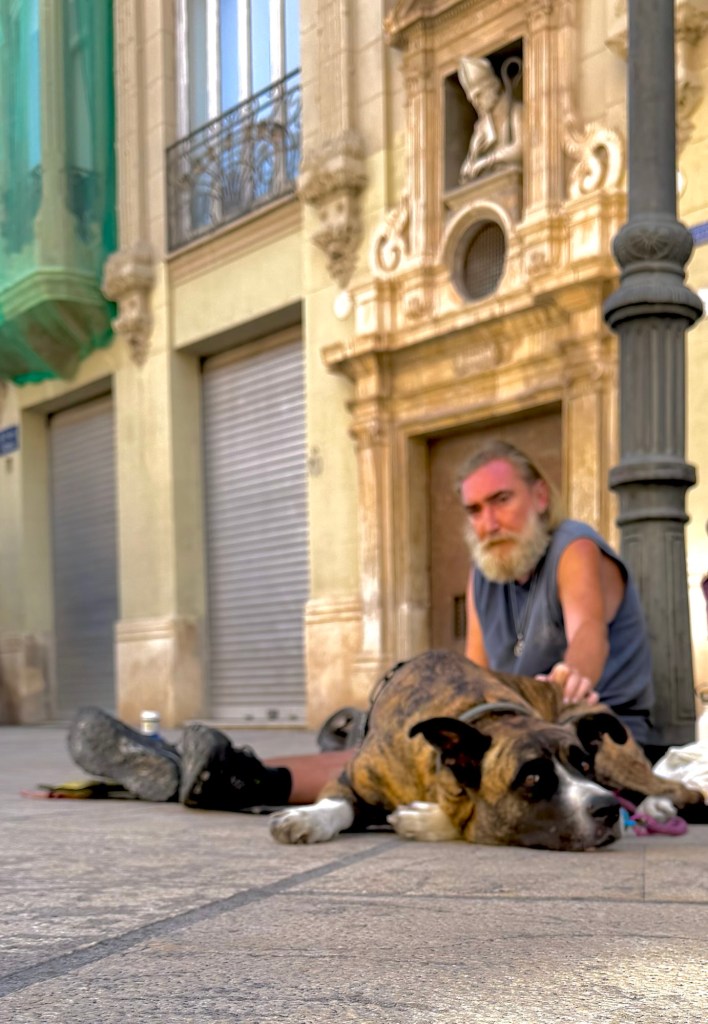
But one of the images that stayed with me most wasn’t a grand building at all. It was a quiet street scene — a man sitting on the pavement with his dog resting beside him. Travel has a way of reminding you that a city isn’t only its architecture, museums and famous sights. It’s also the everyday lives unfolding around them.
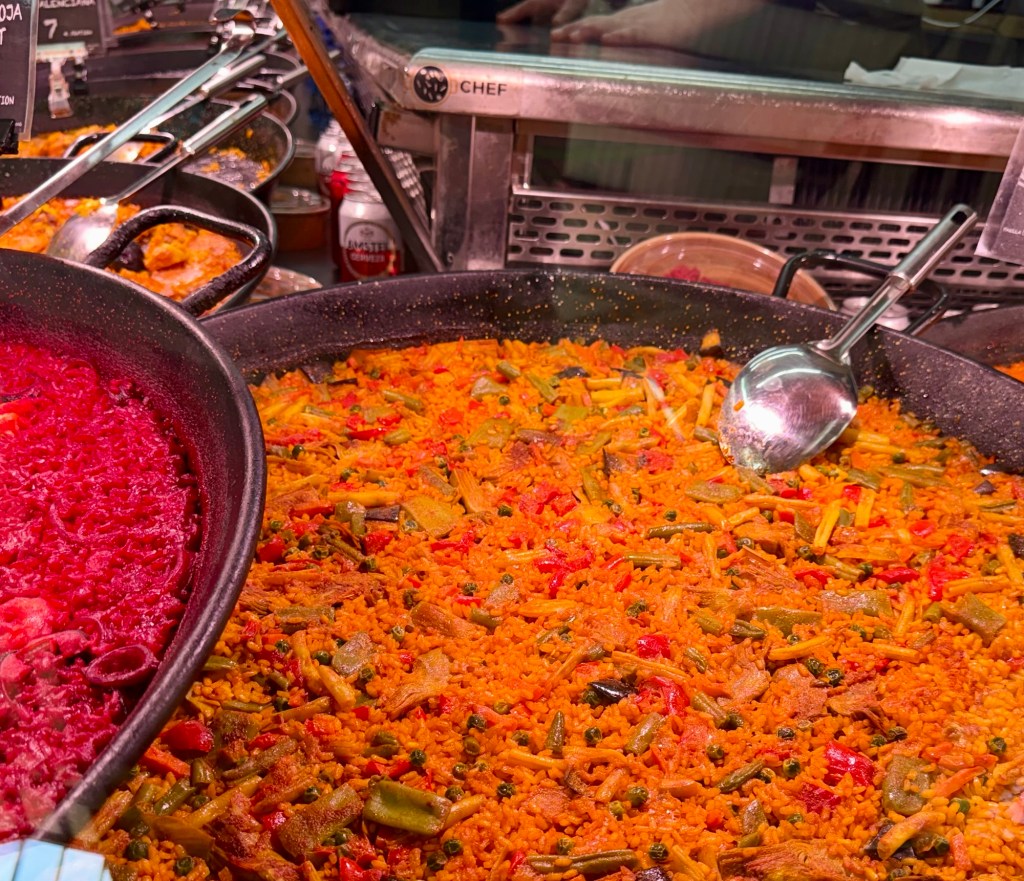
Valencia gave us a little of everything: bold modern architecture, layers of history, color, food, street life and moments that made us stop and look twice.
A city of contrasts — and perhaps that’s exactly what makes Valencia so memorable.
05 — PALMA DE MALLORCA 🇪🇸
Spain · Overnight
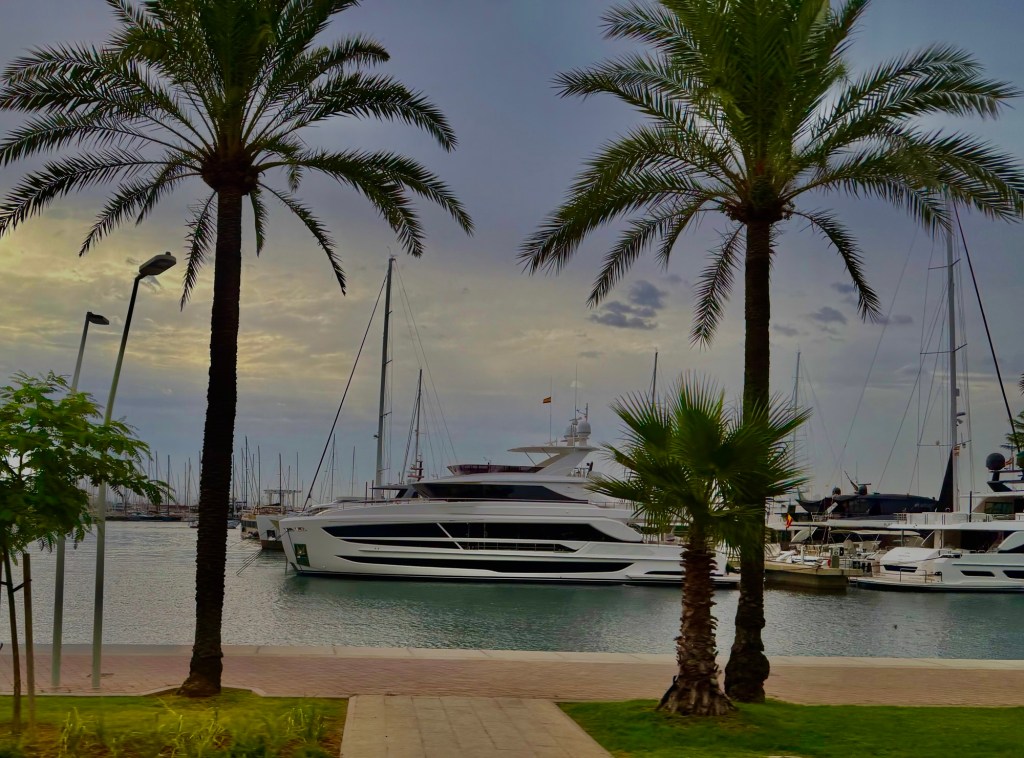
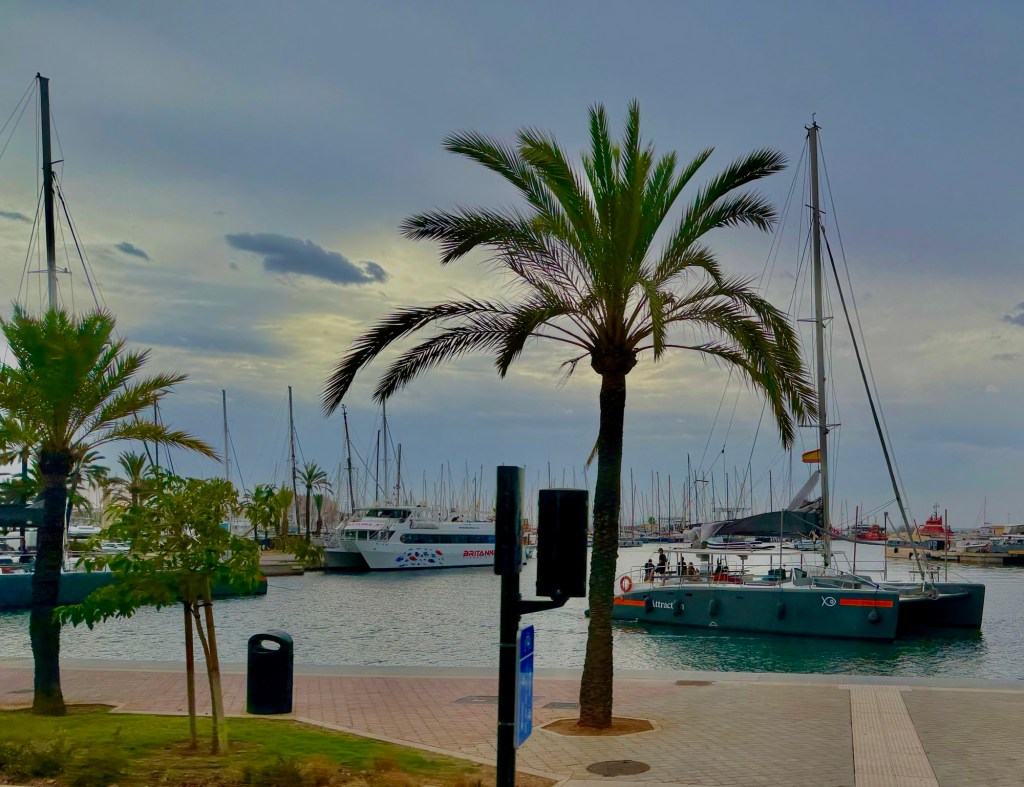
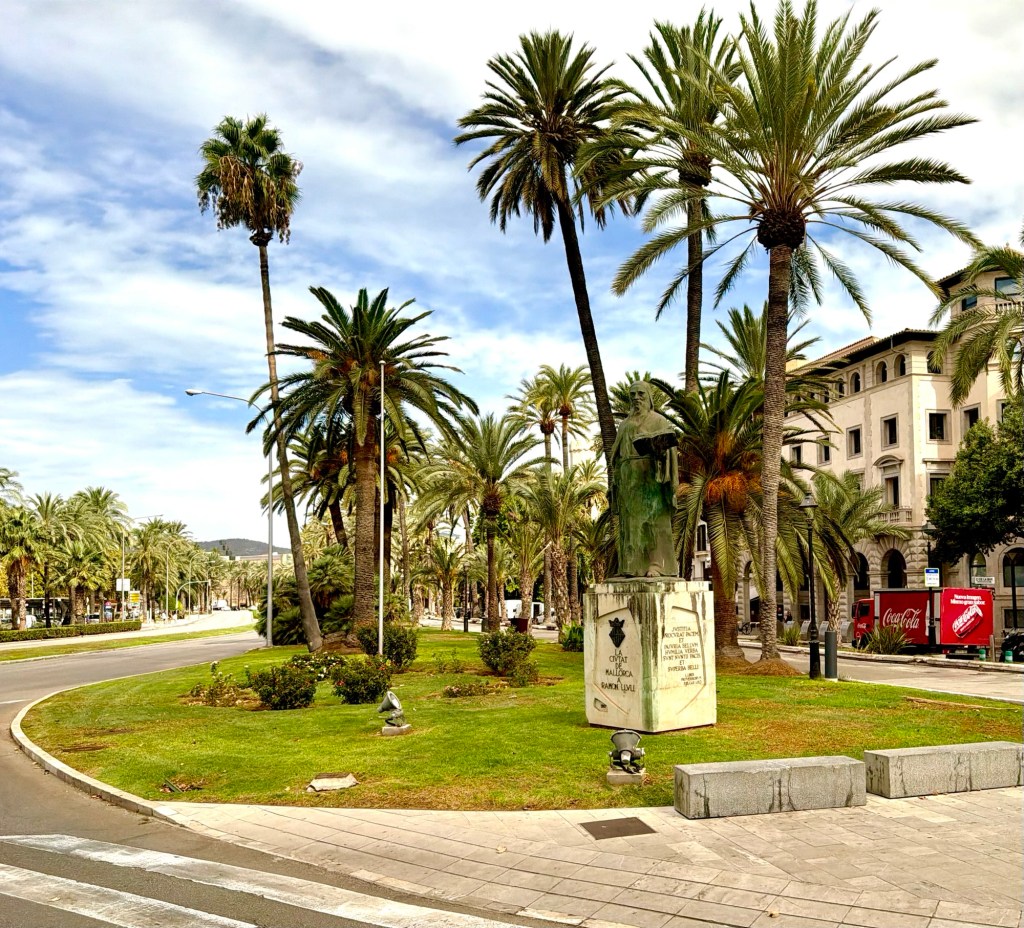
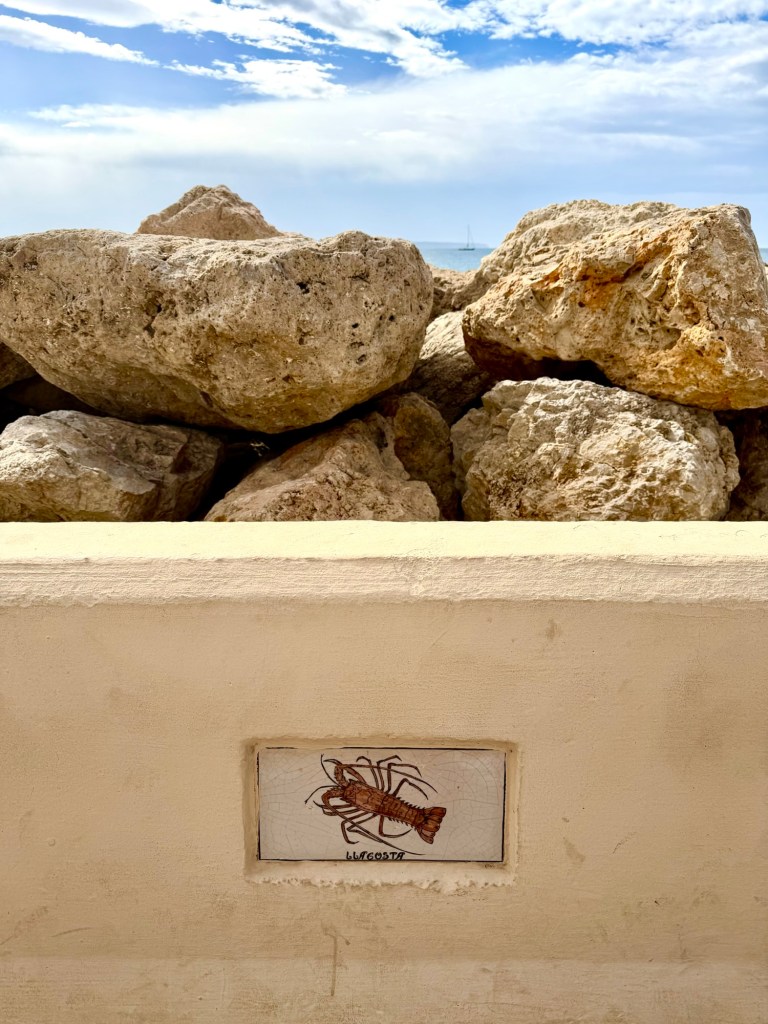
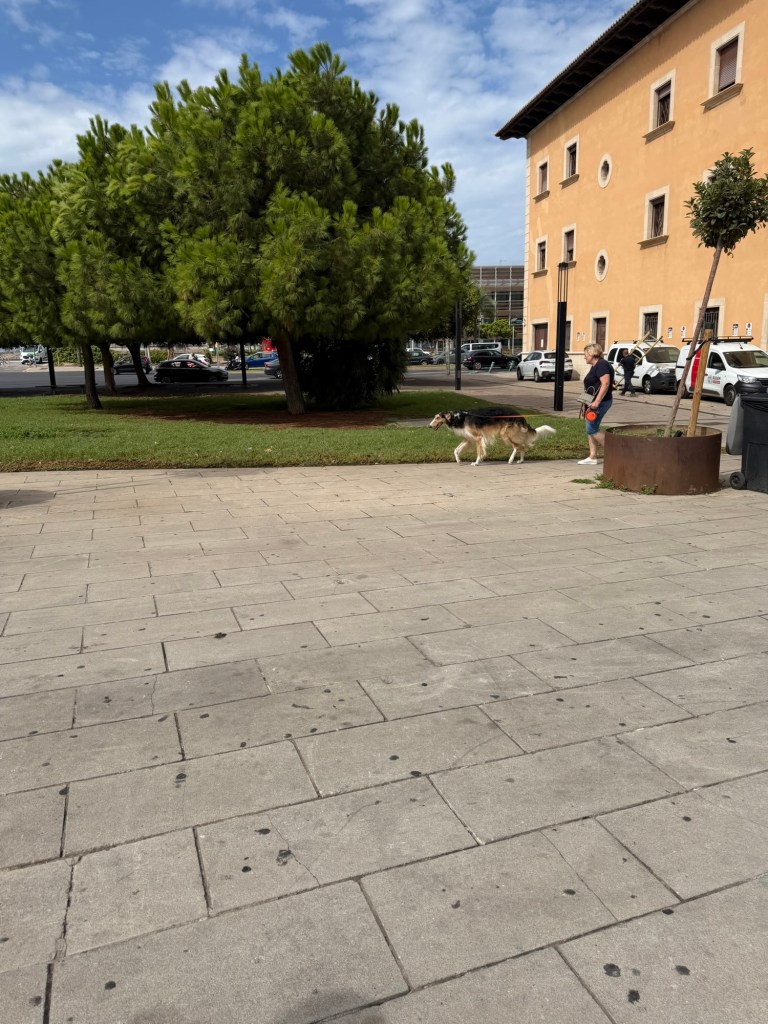
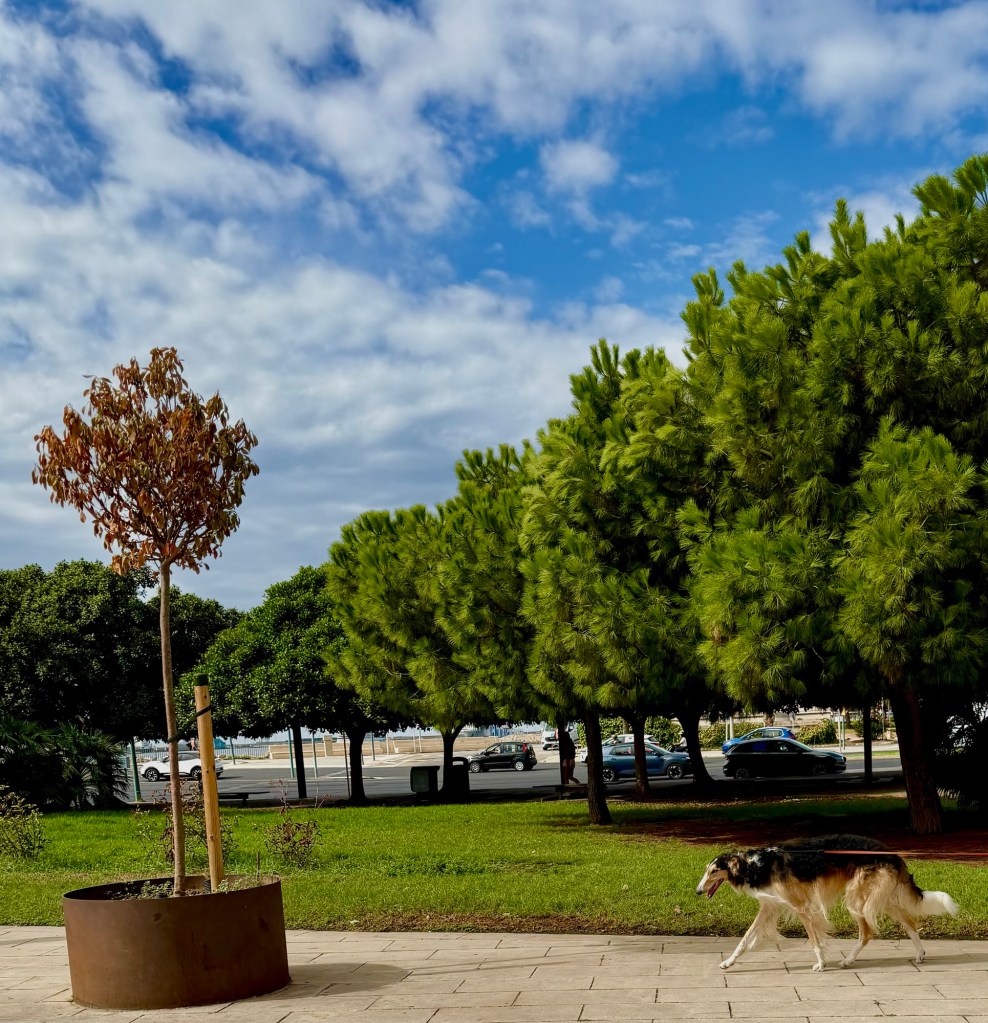
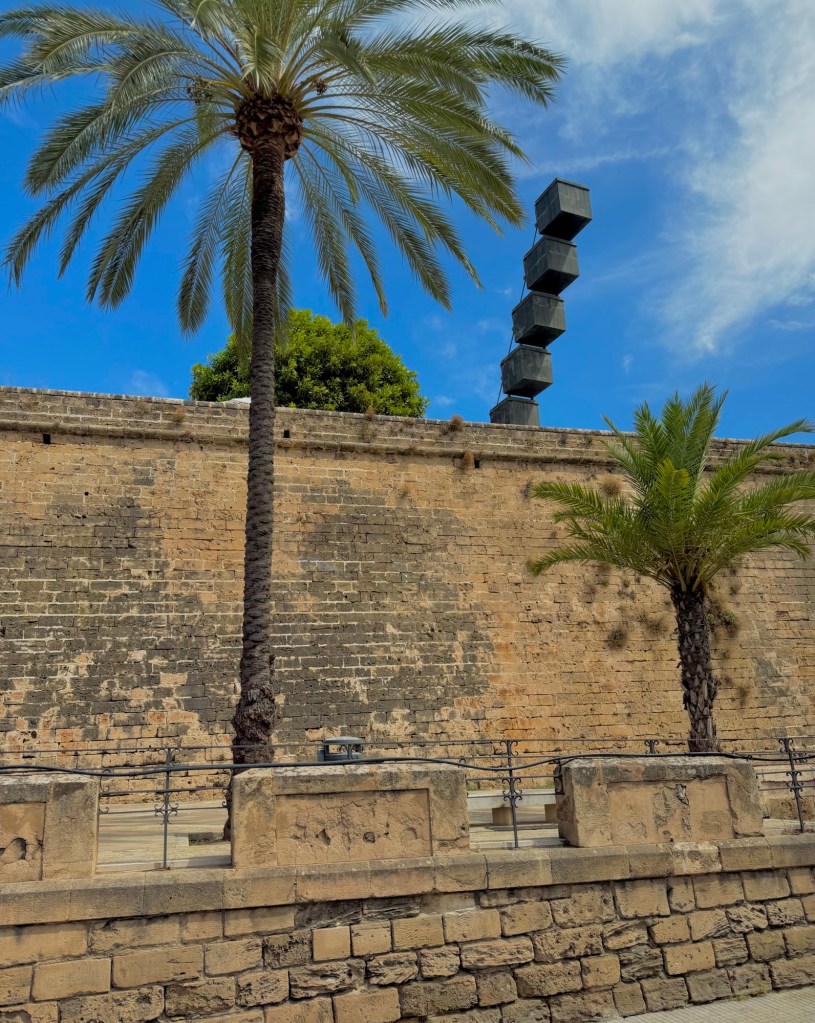
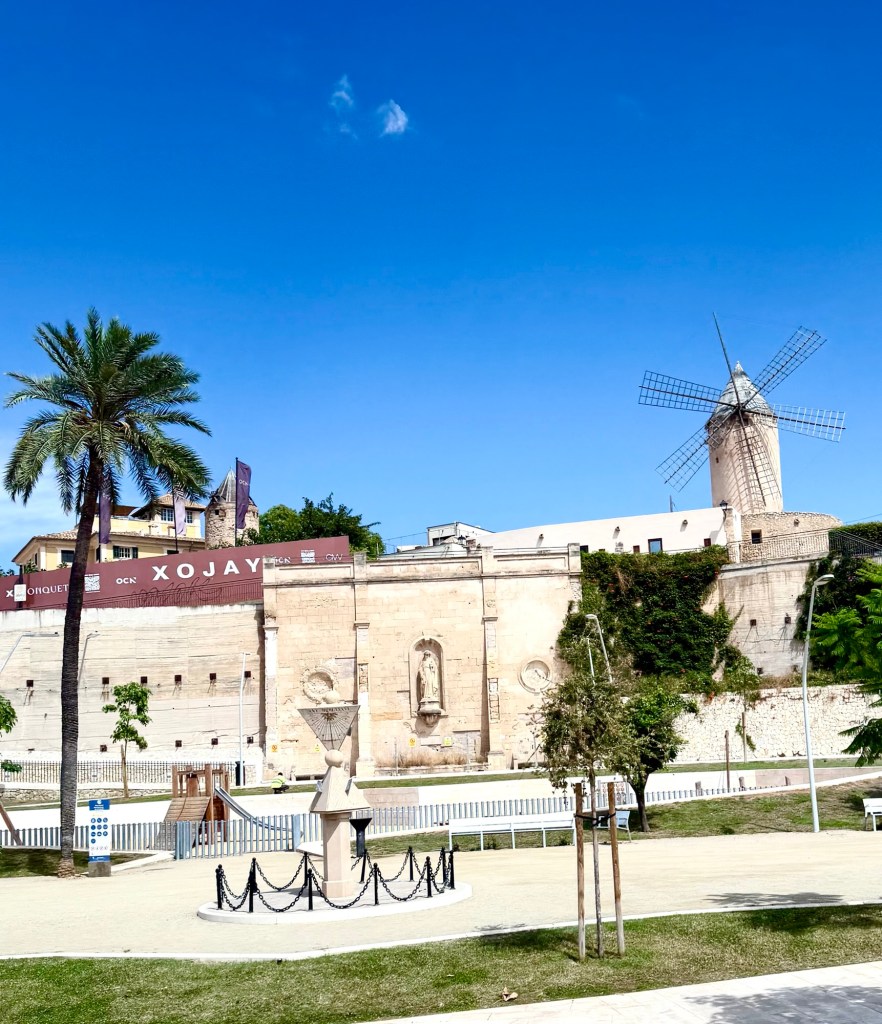
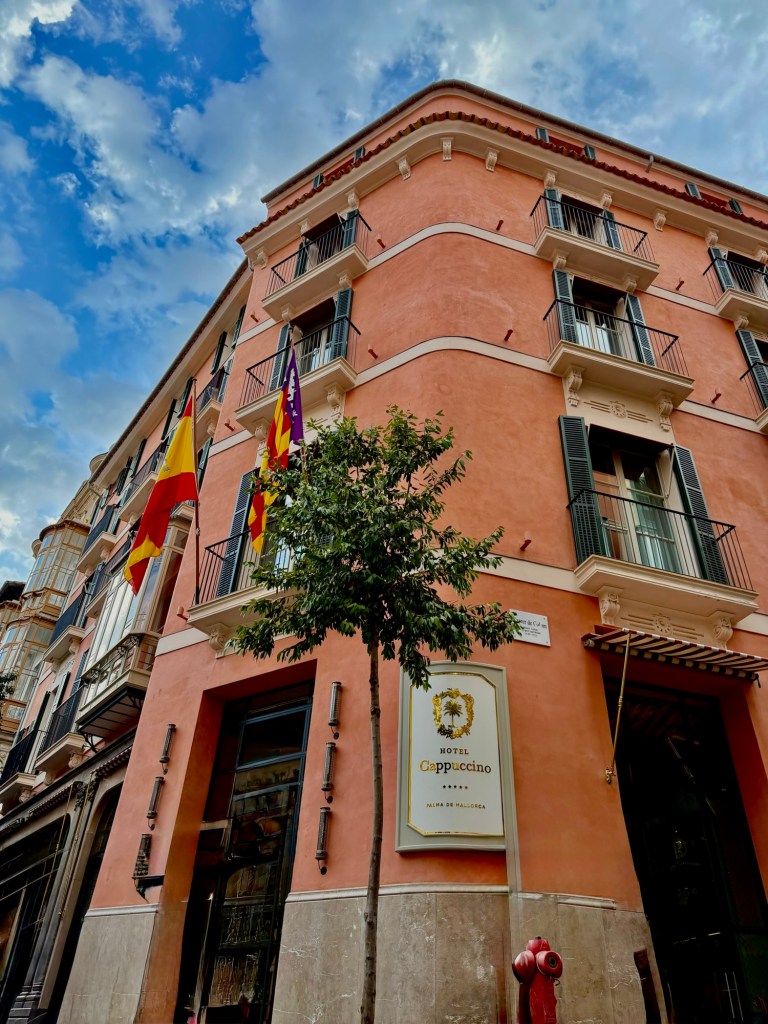
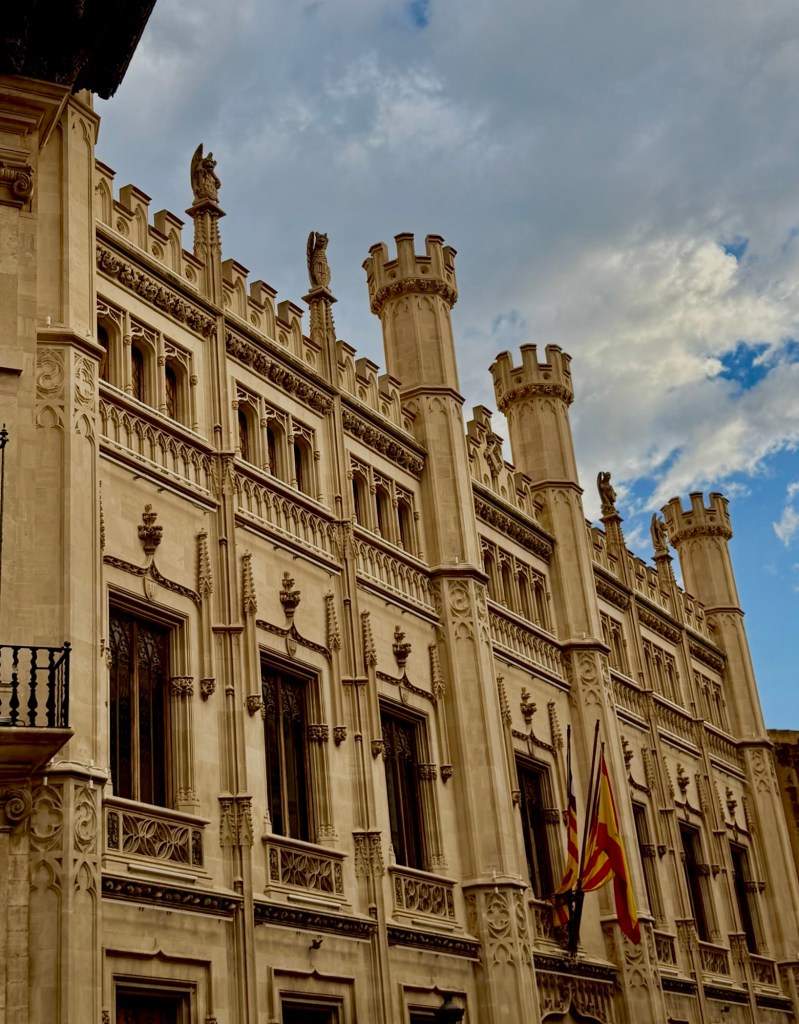
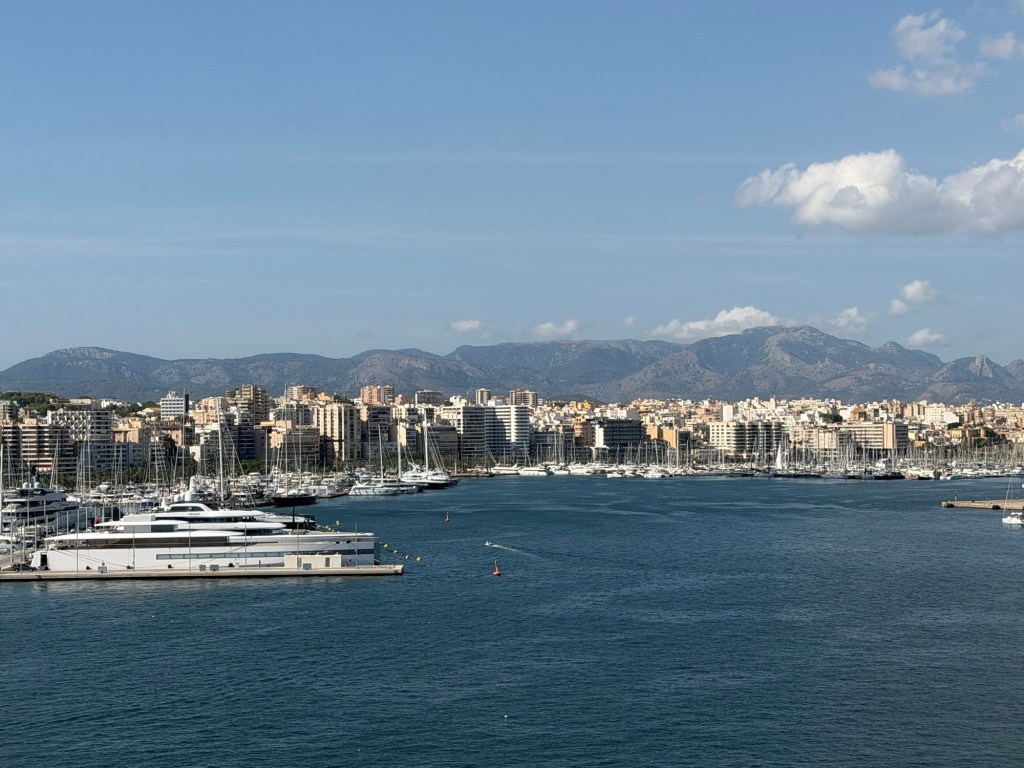
Palma de Mallorca has that unmistakable Mediterranean combination of sea, sunshine and centuries of history. Arriving near the waterfront, the first impression is all palm trees, yachts and an enormous sweep of blue. But head into the old city and Palma quickly reveals a very different personality.
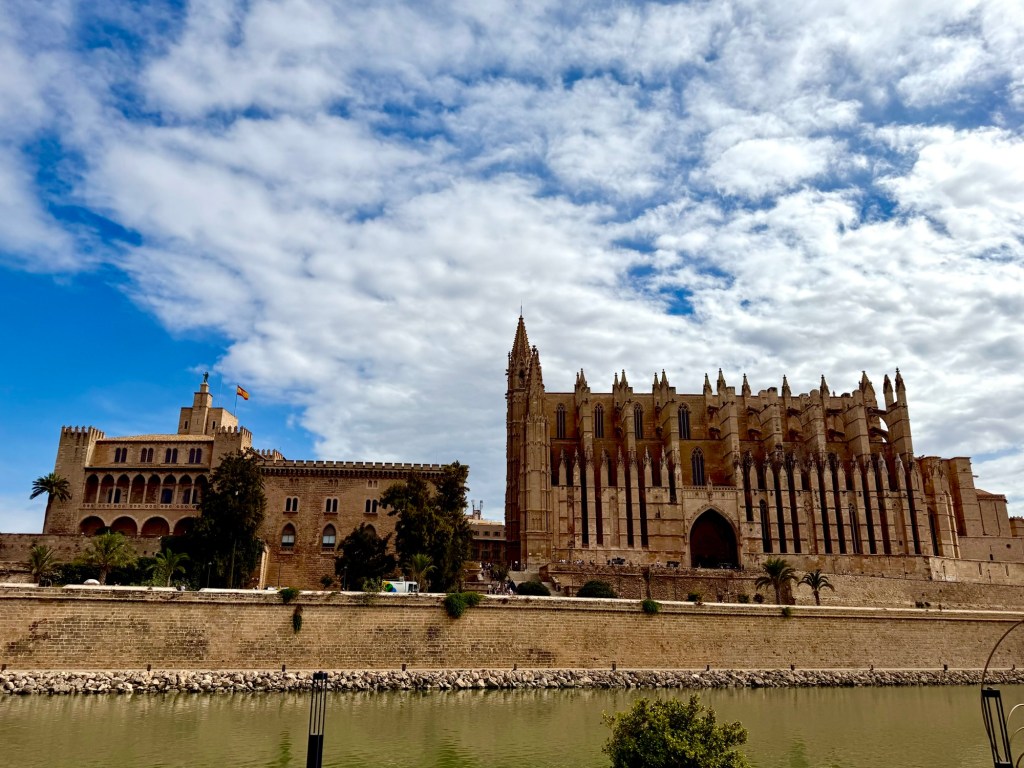
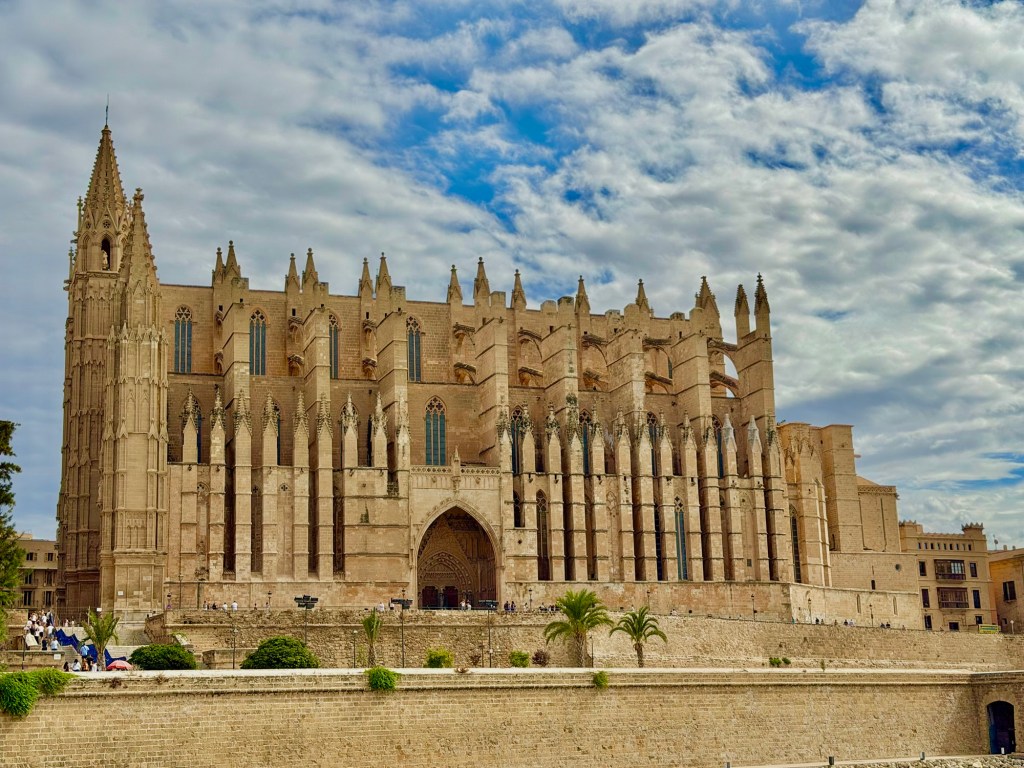
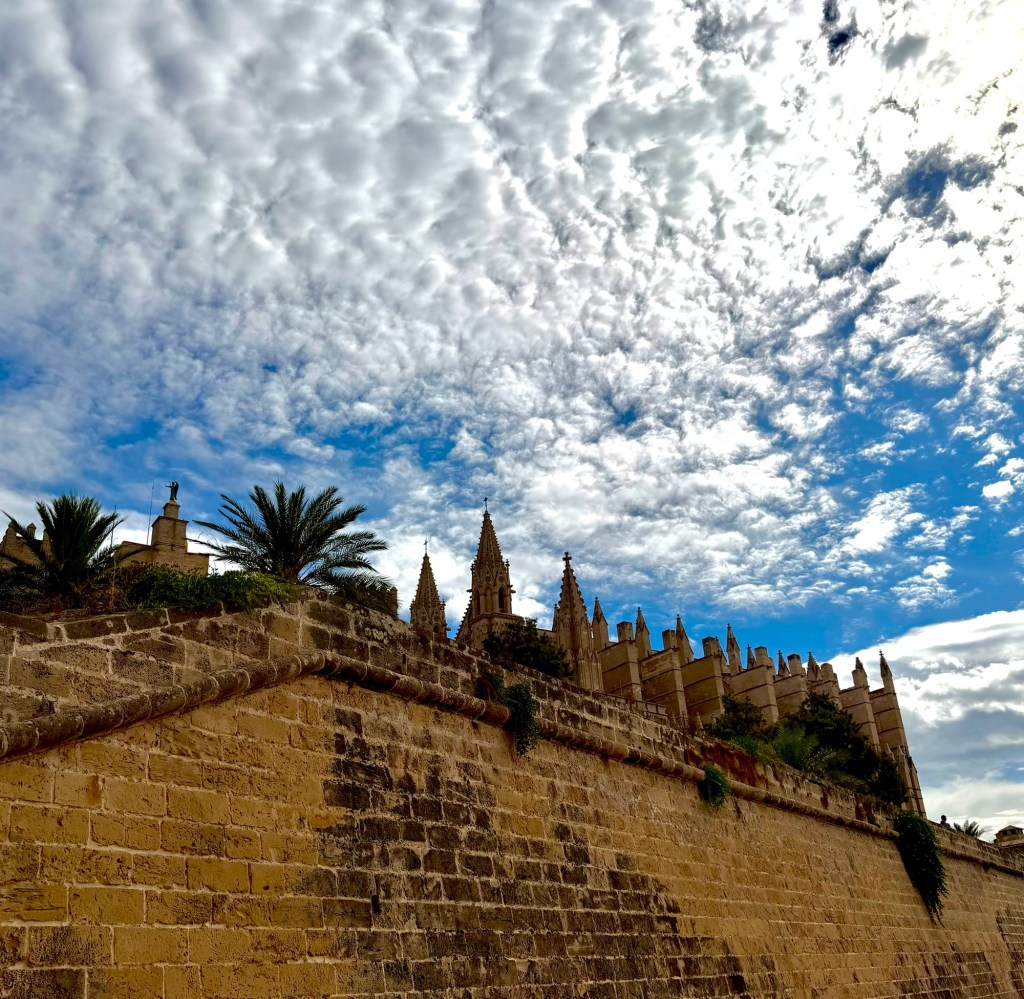
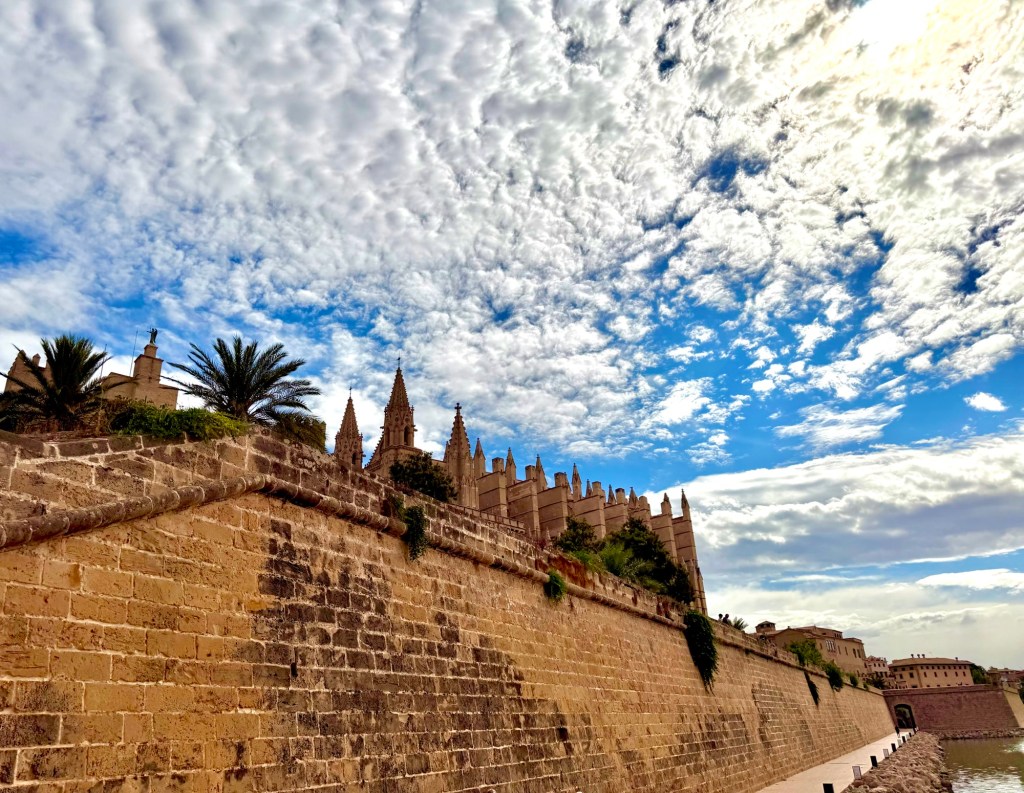
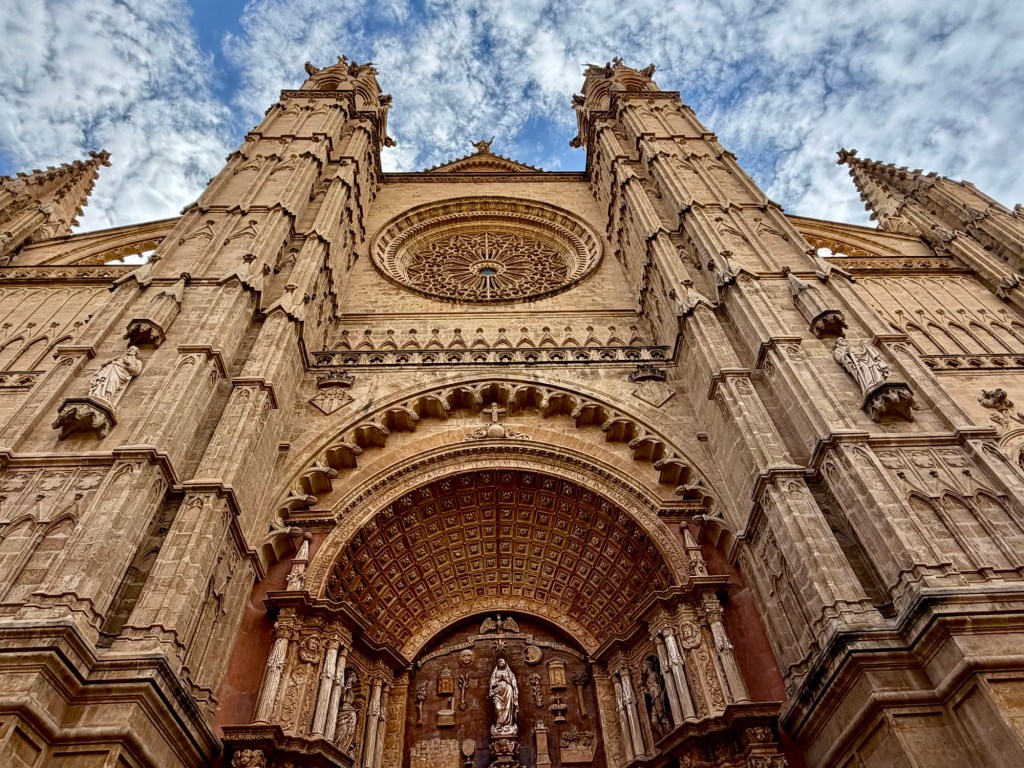
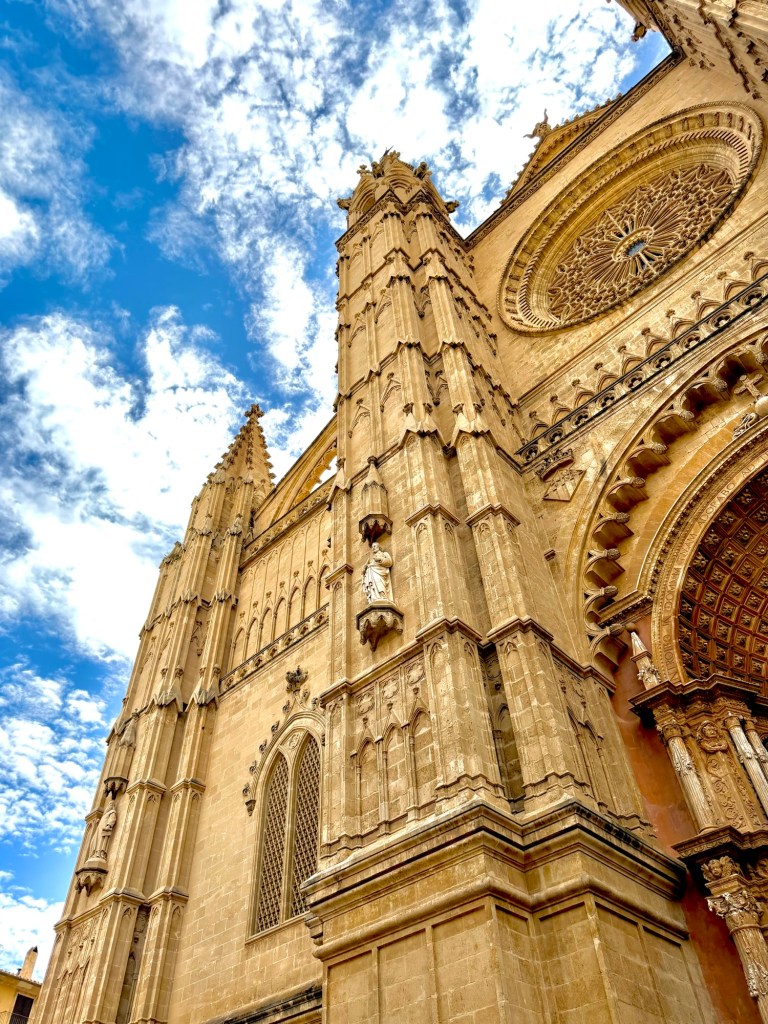
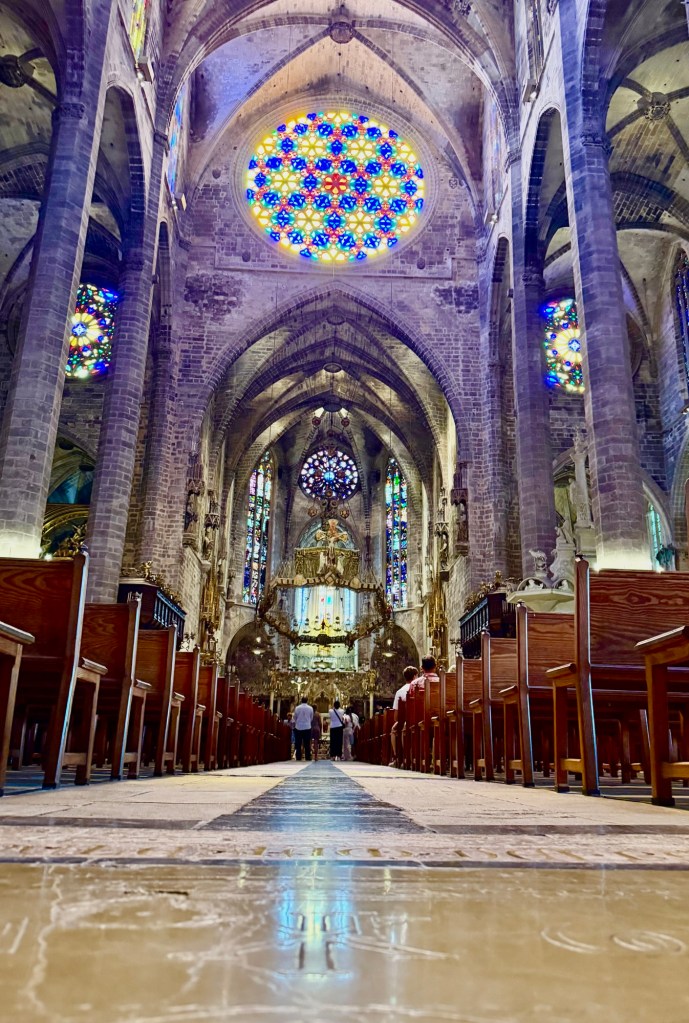
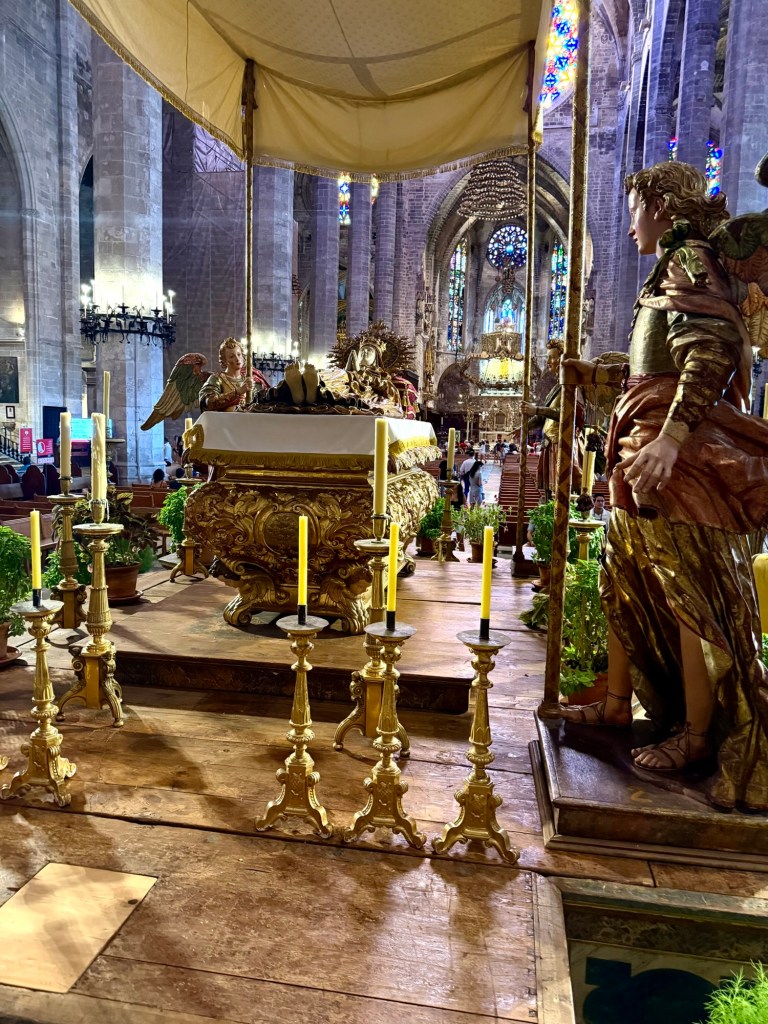
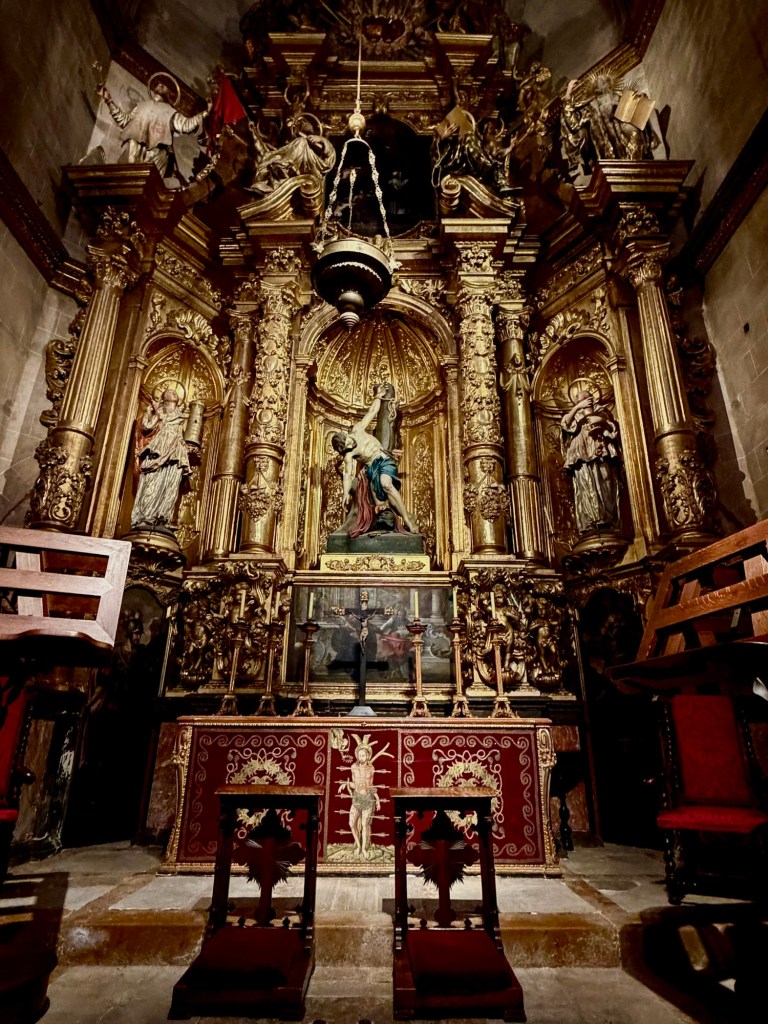
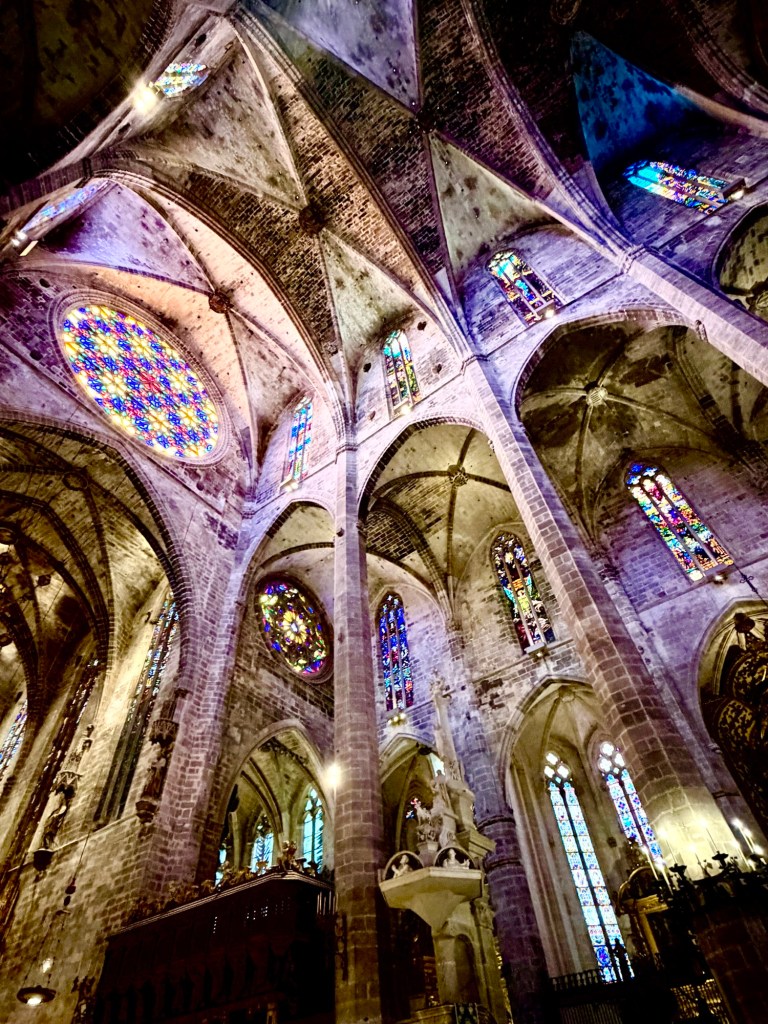
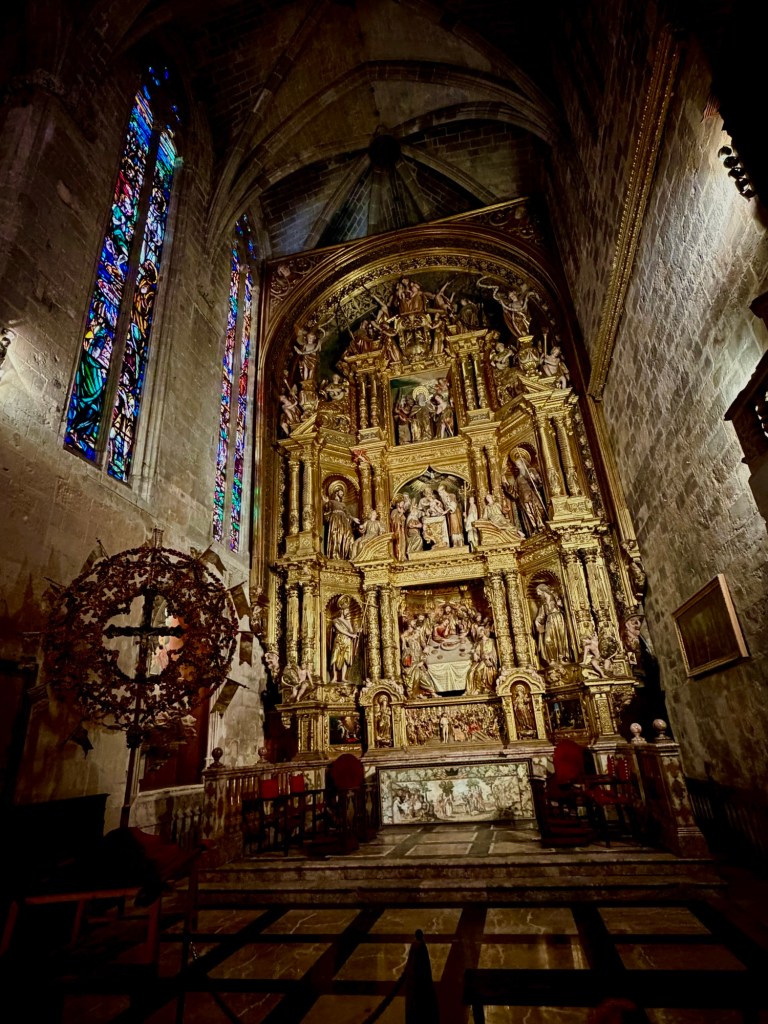
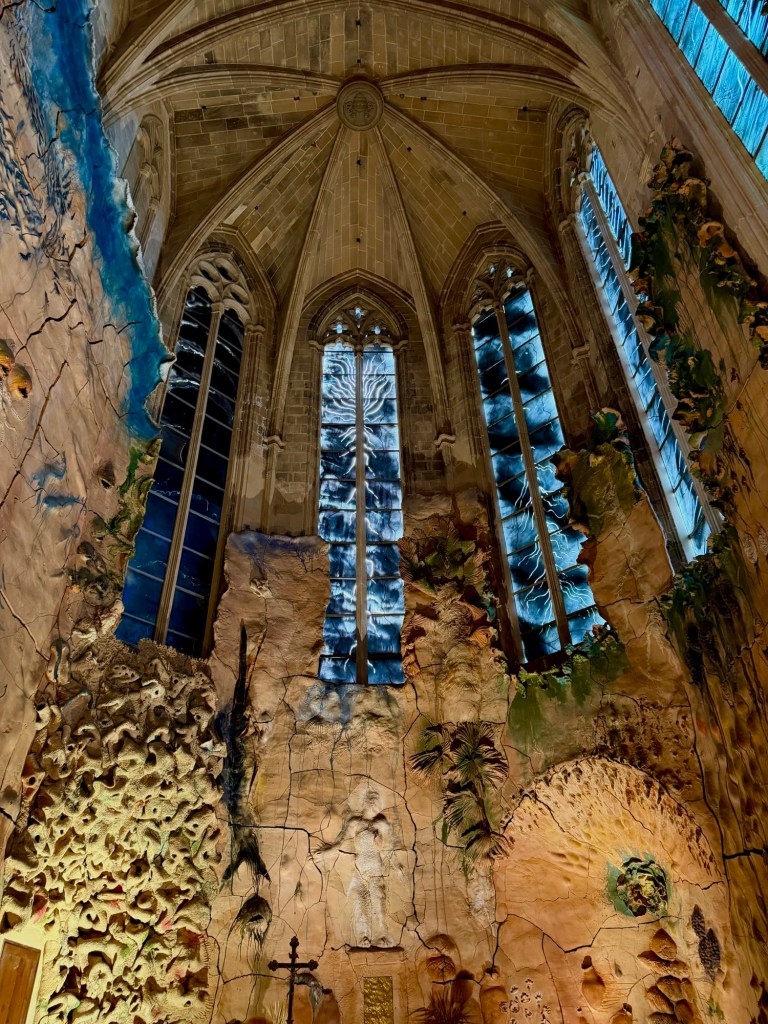
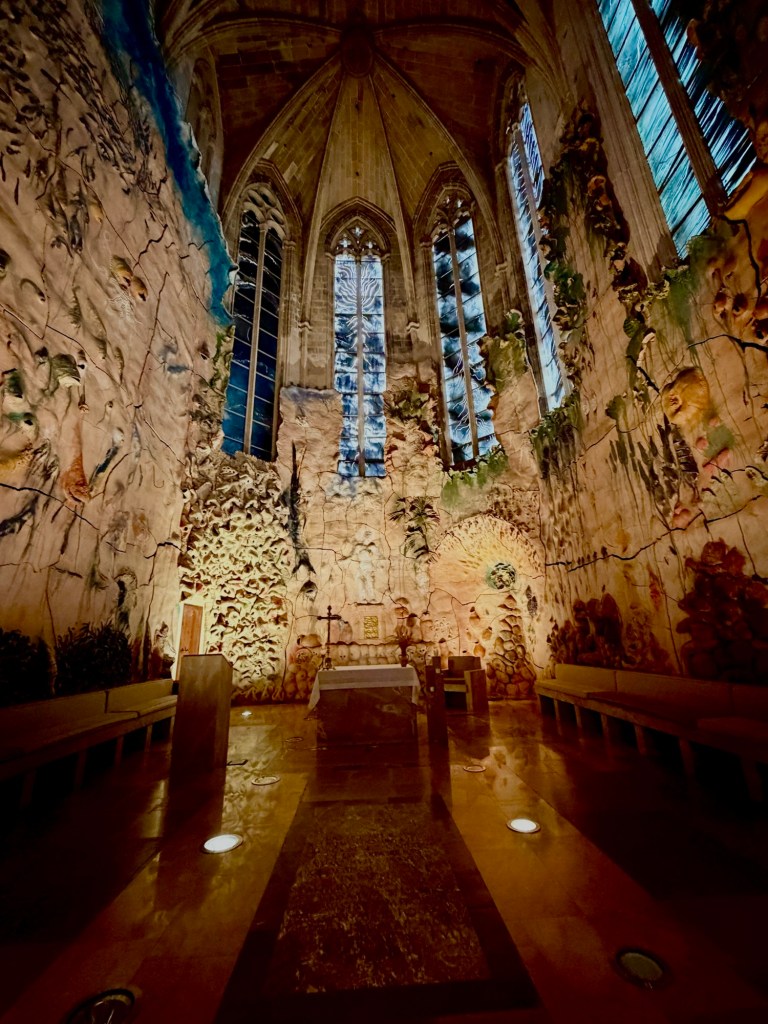
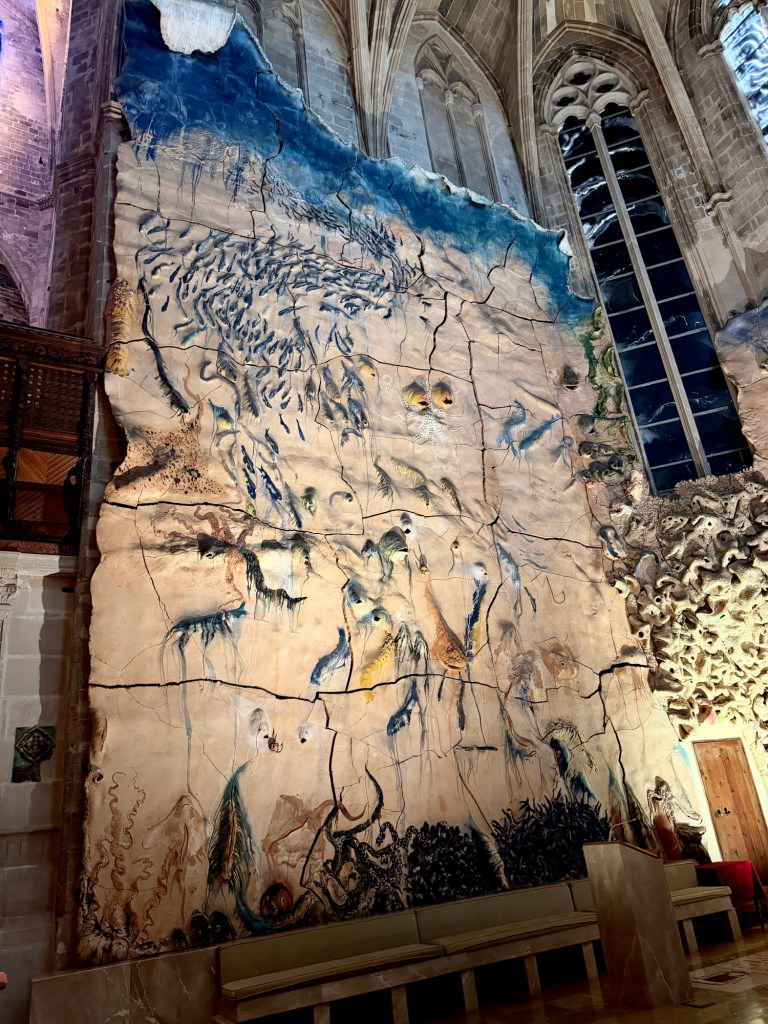
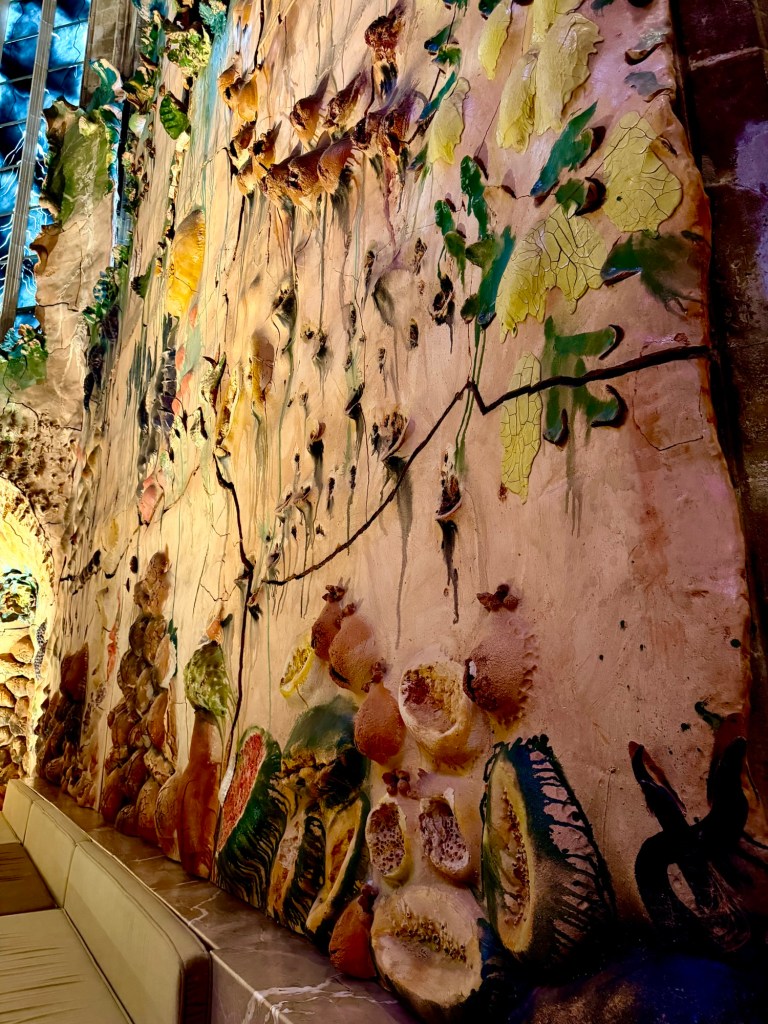
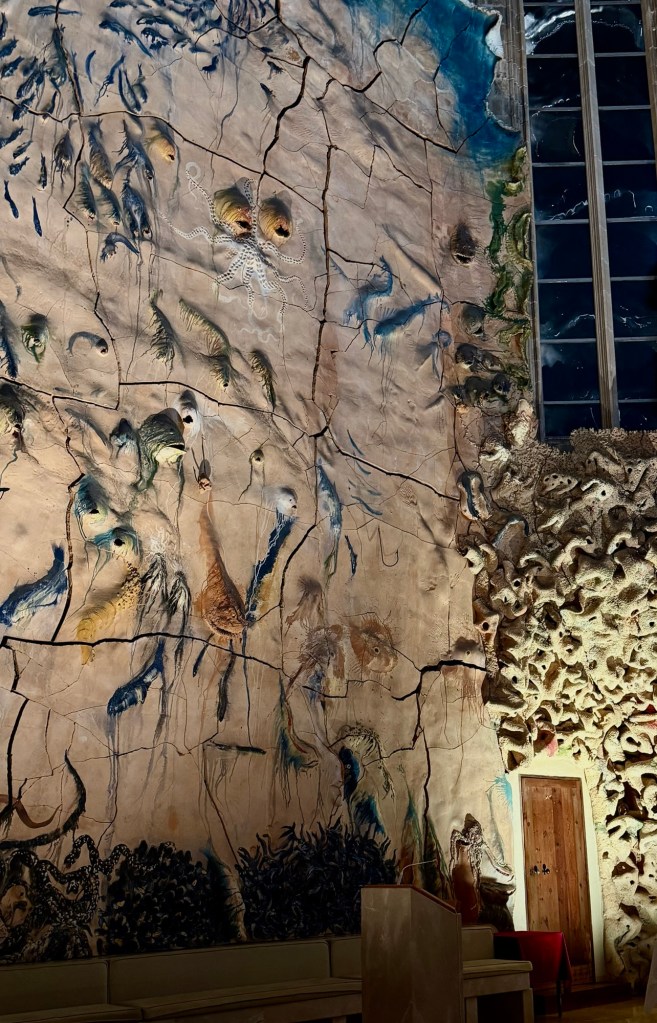
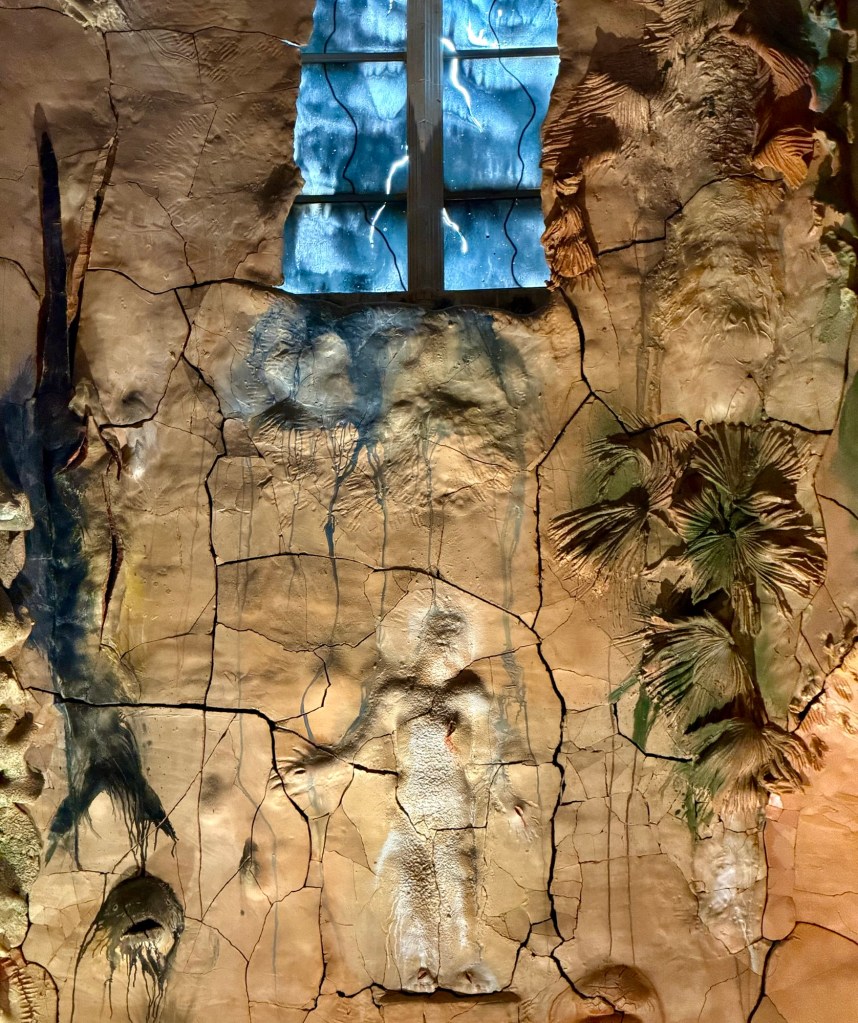
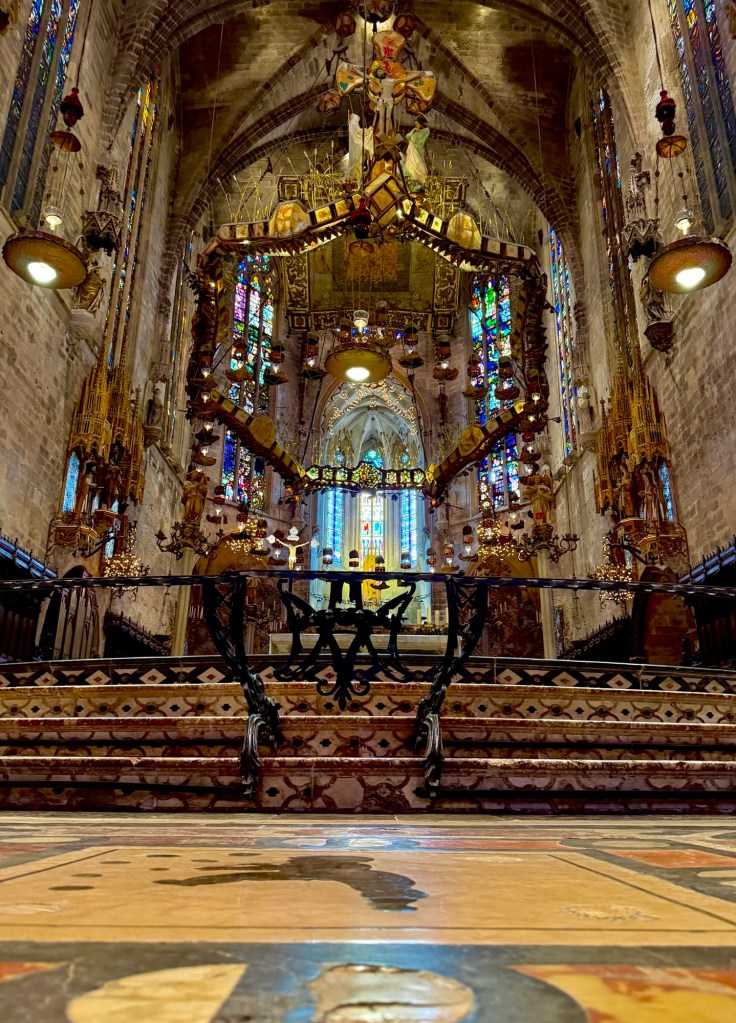
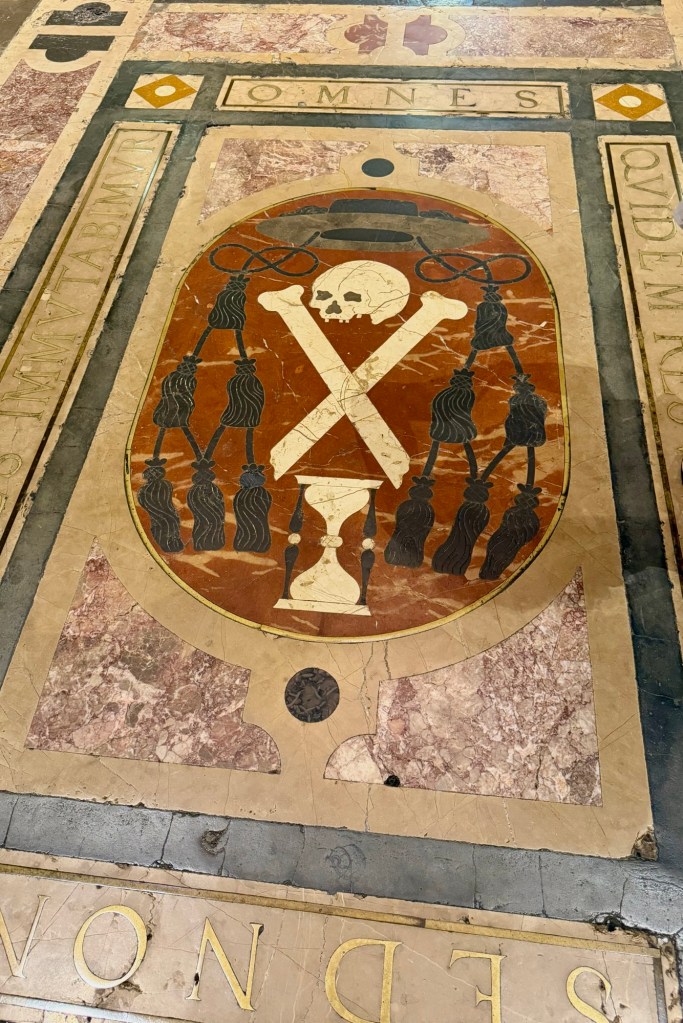
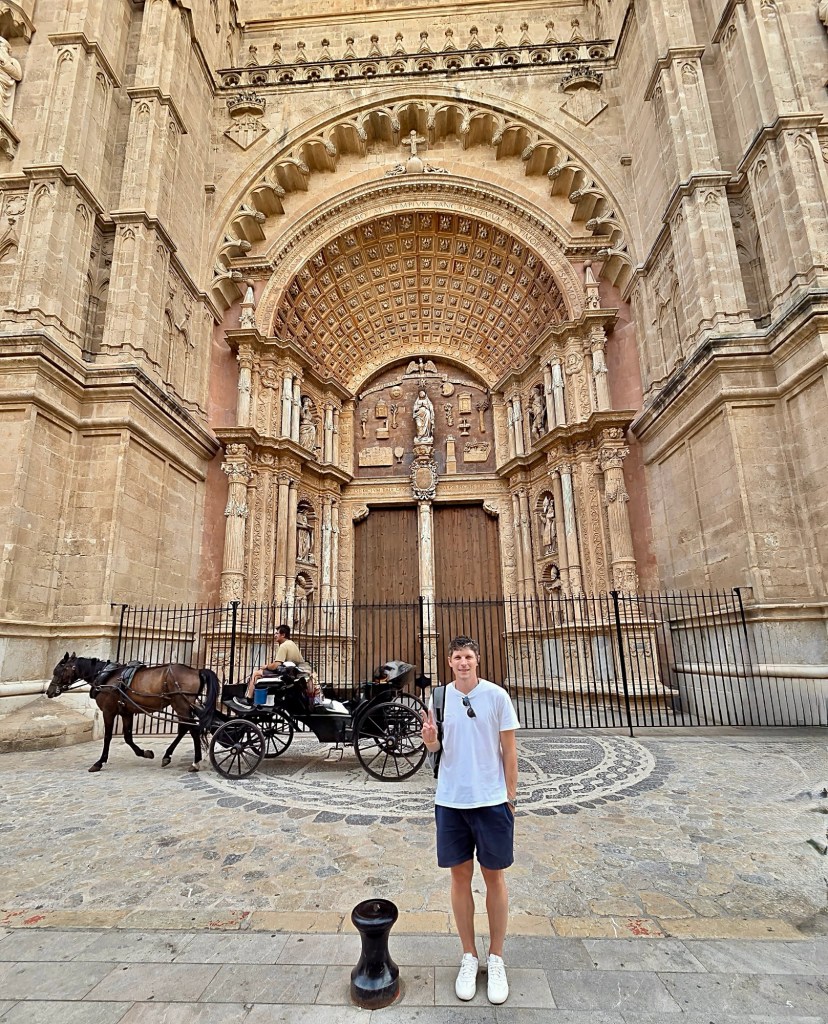
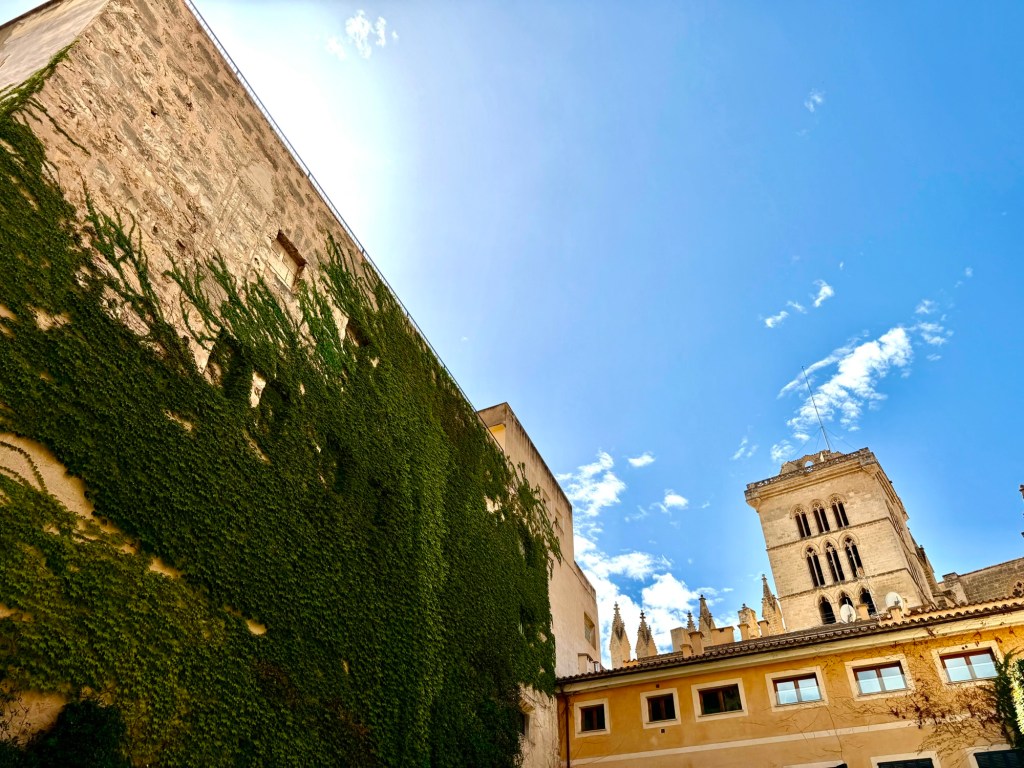
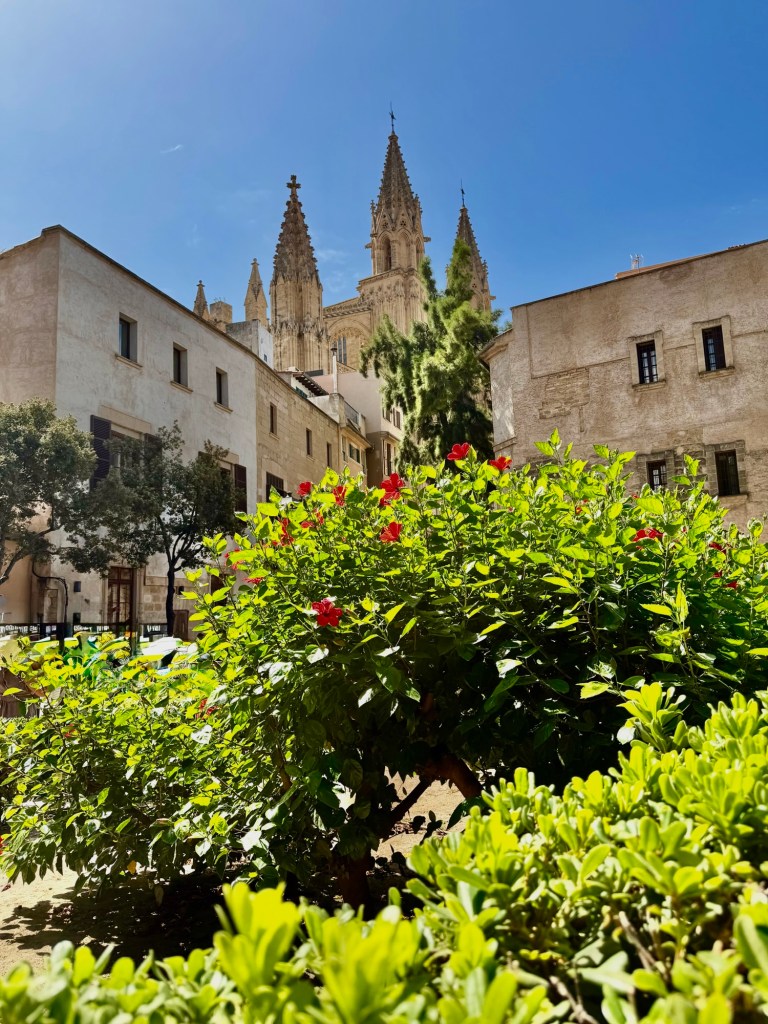
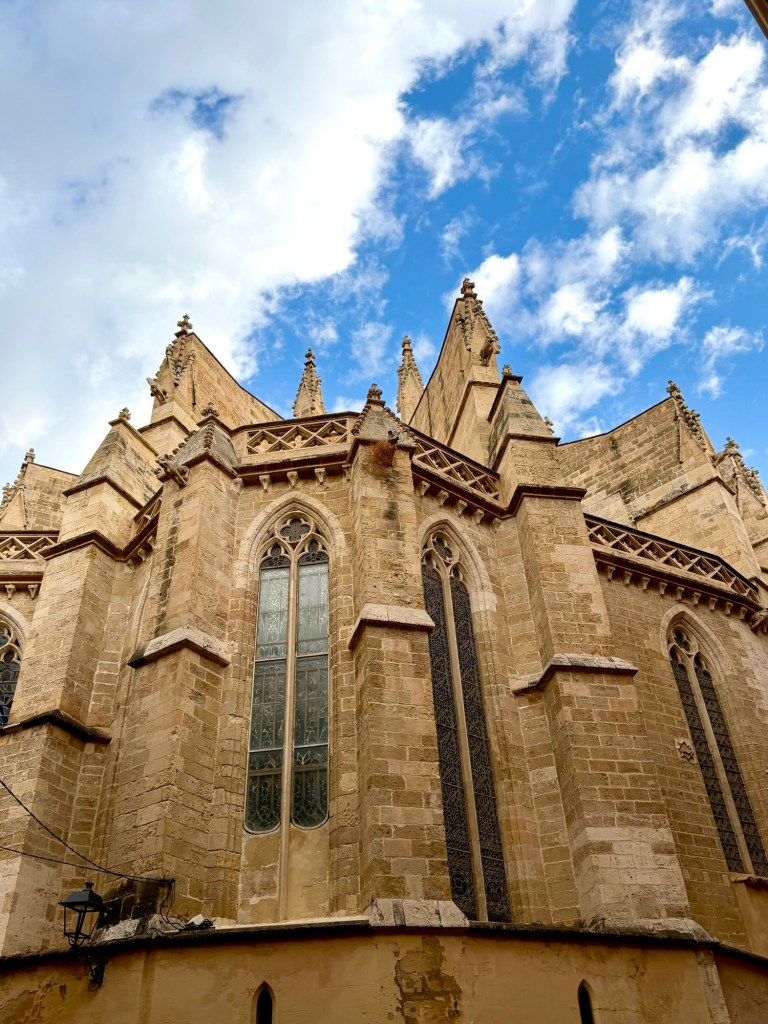
Dominating everything is the magnificent Cathedral of Santa María, better known as La Seu. Its Gothic towers rise dramatically above Palma’s old walls, and inside, soaring stone arches and glowing stained glass create an entirely different atmosphere from the bright streets outside. The enormous rose window is especially striking, filling the cathedral with jewel-like colour.
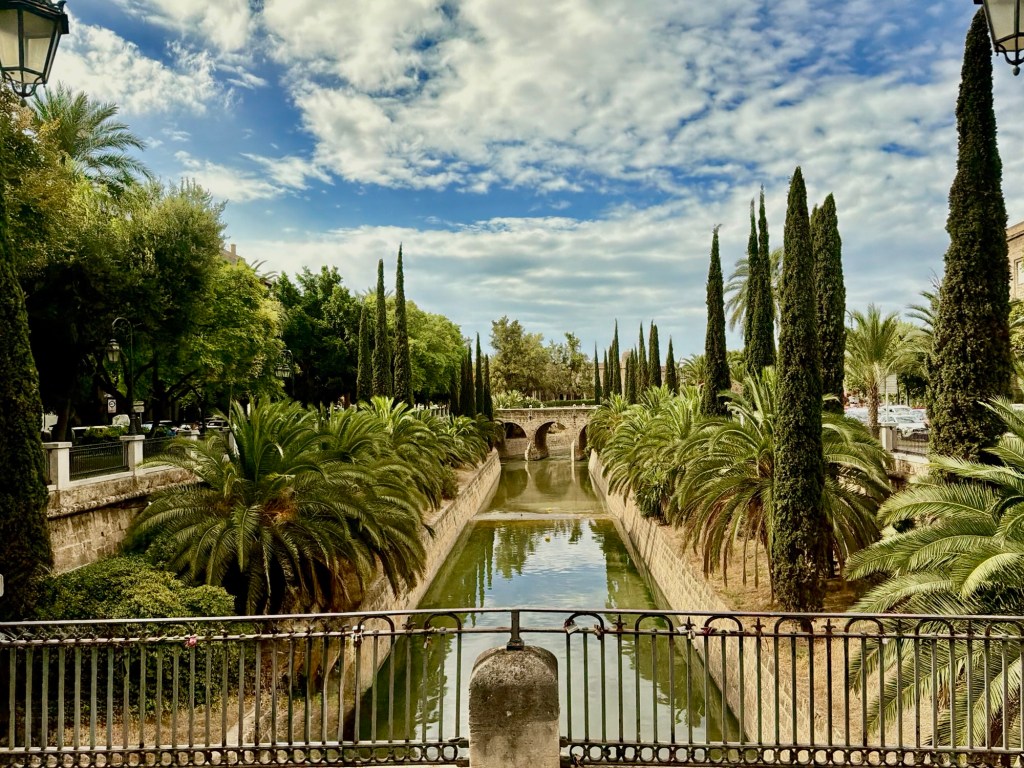
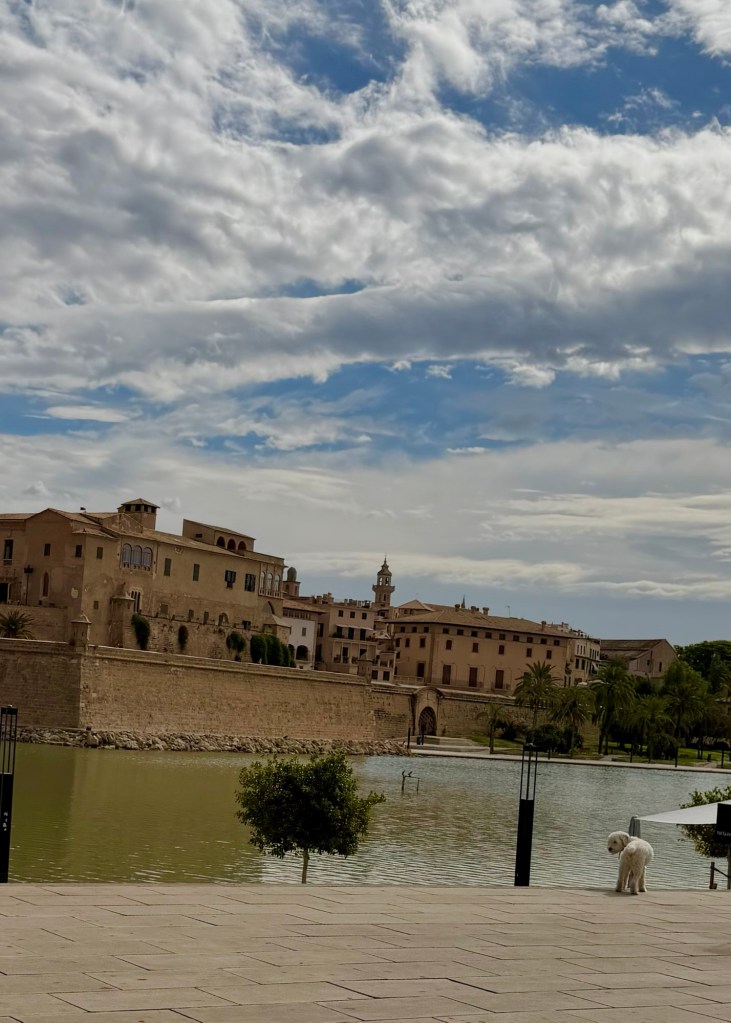
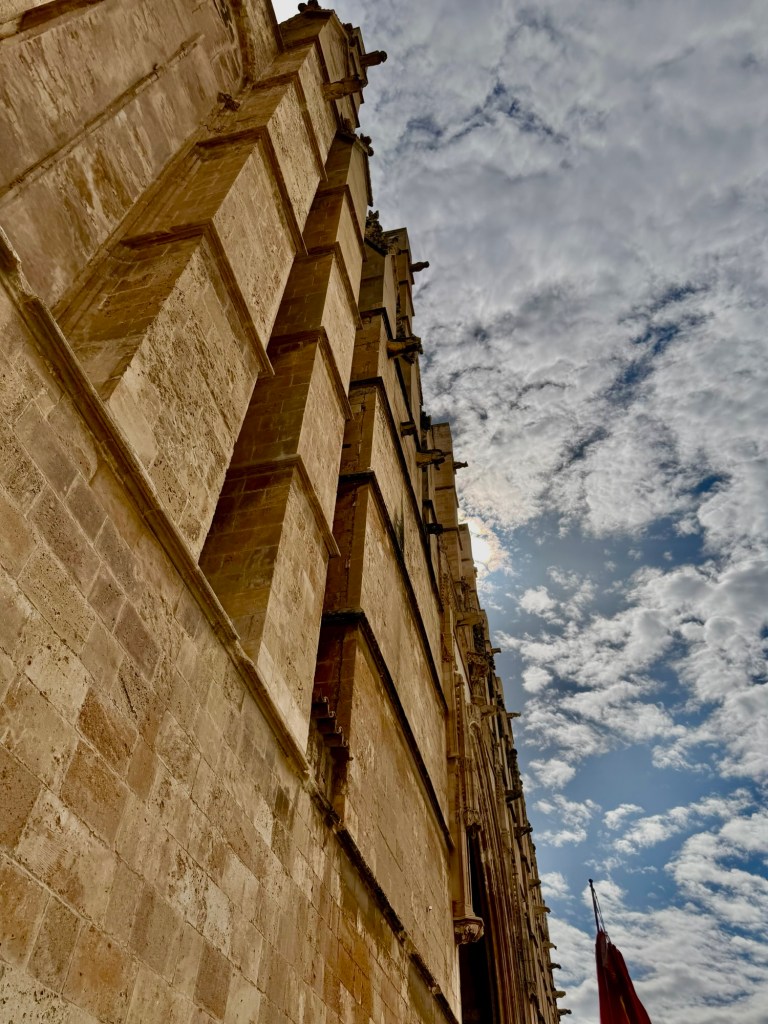
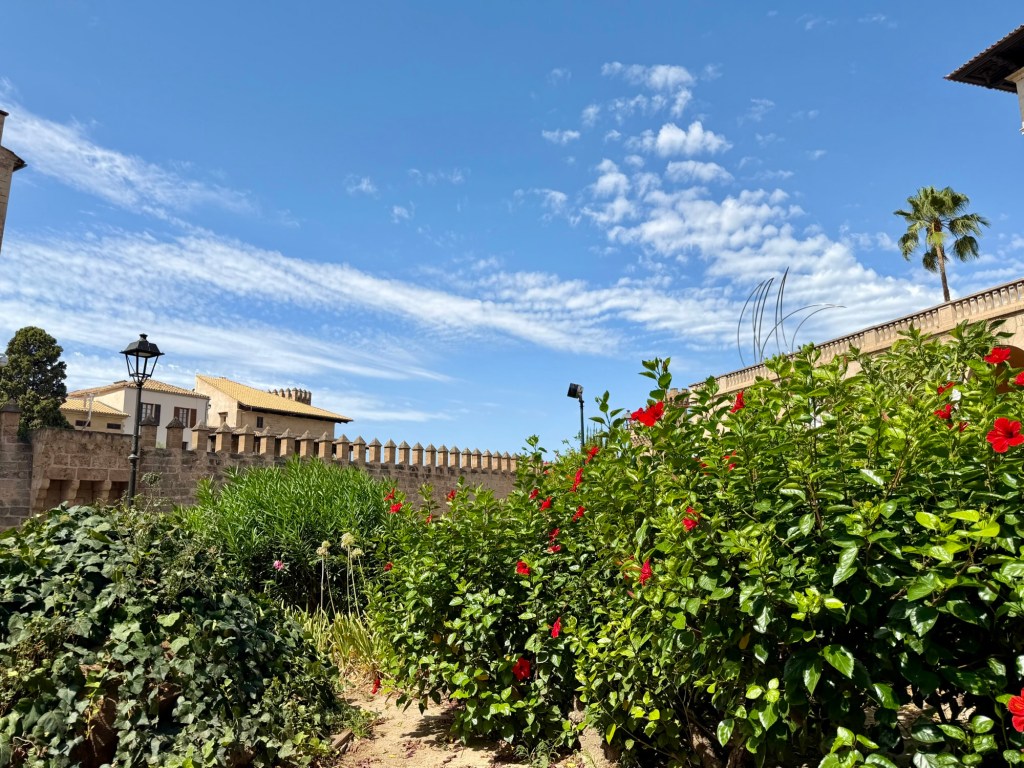
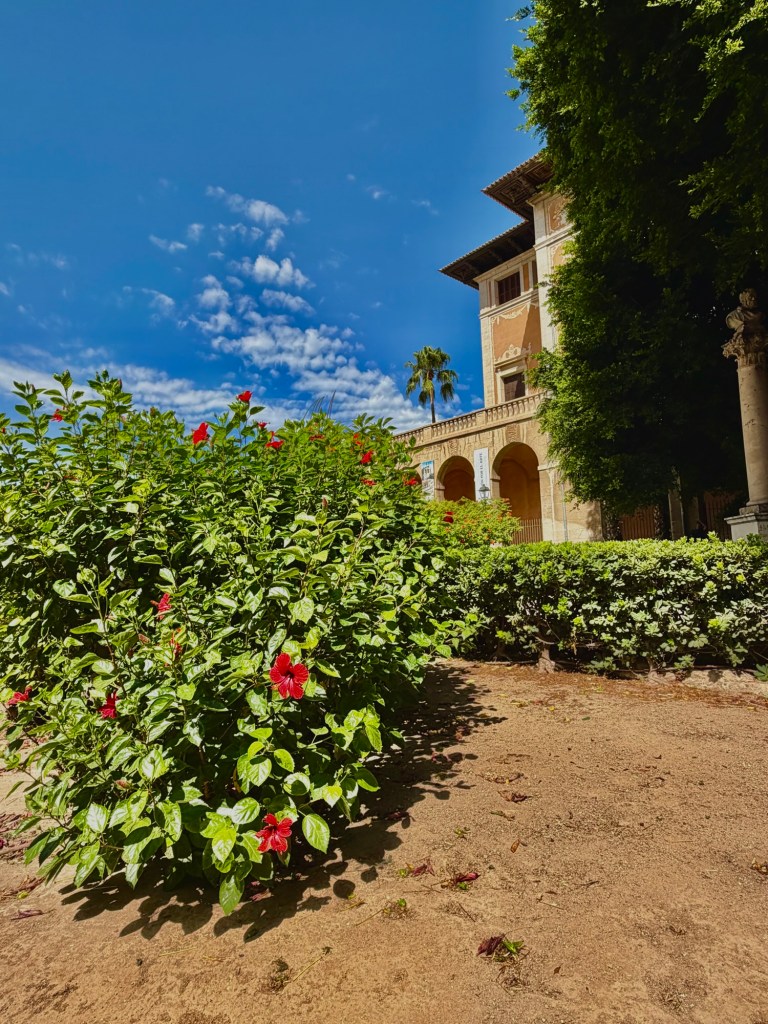
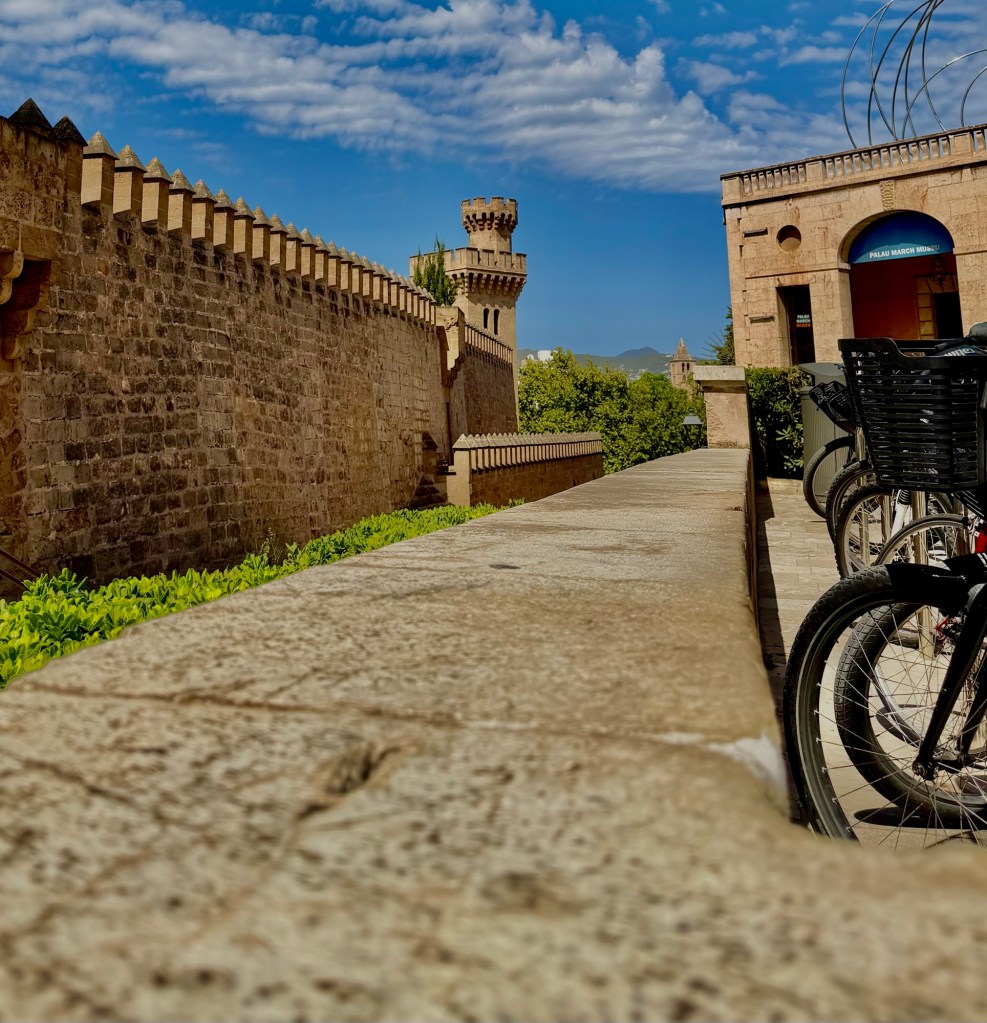
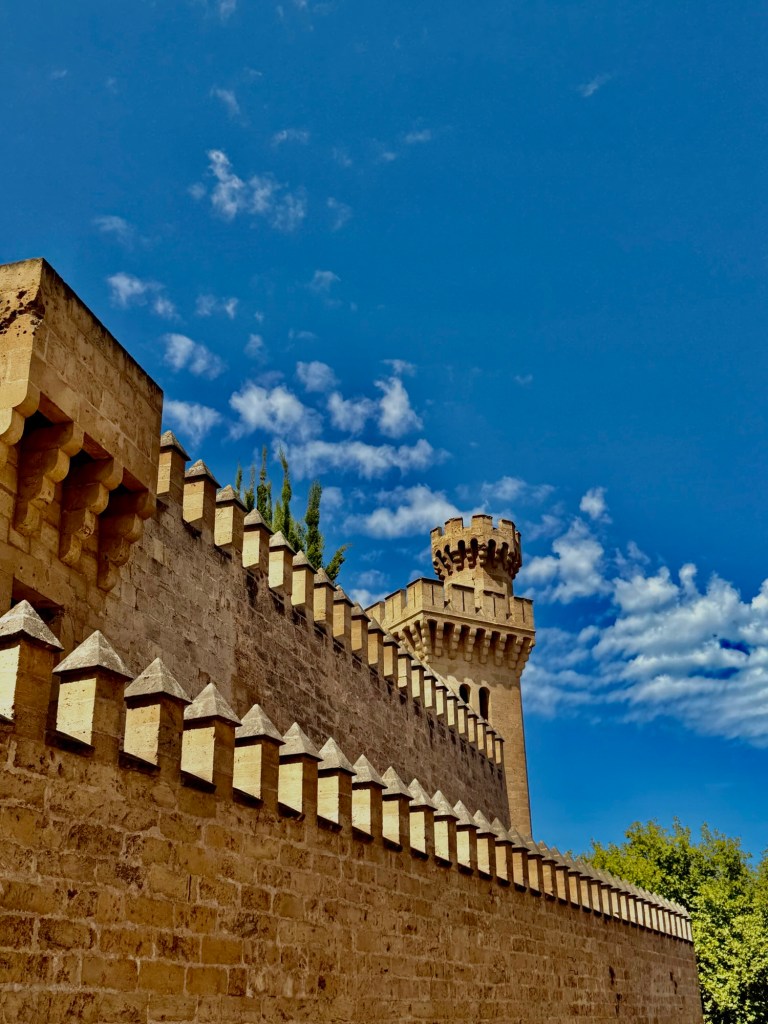
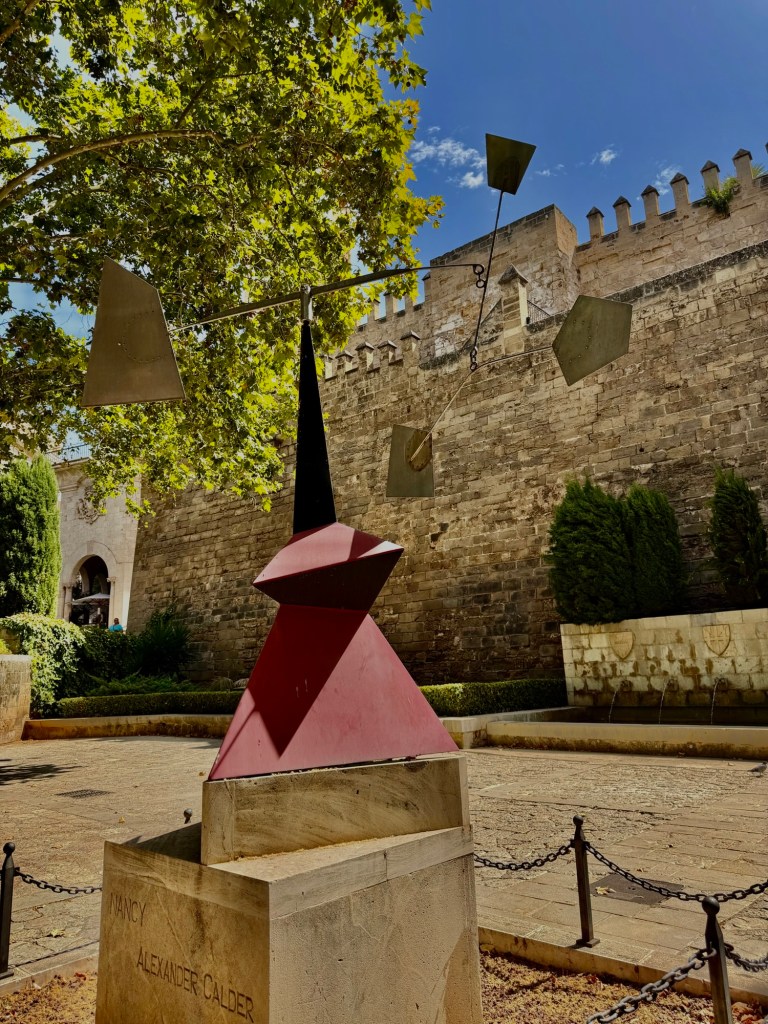
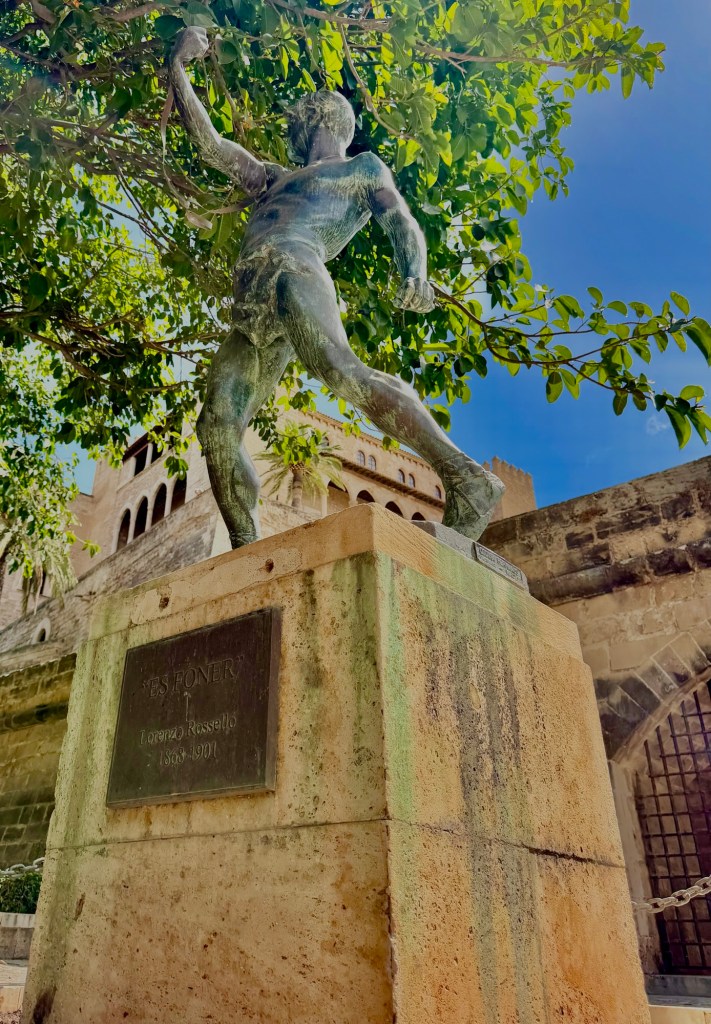
Nearby, the old defensive walls, gardens and waterways make for a beautiful walk. From below, the cathedral seems to grow directly out of the honey-coloured stone fortifications — a reminder that Palma’s history stretches back far beyond its modern reputation as a holiday destination.
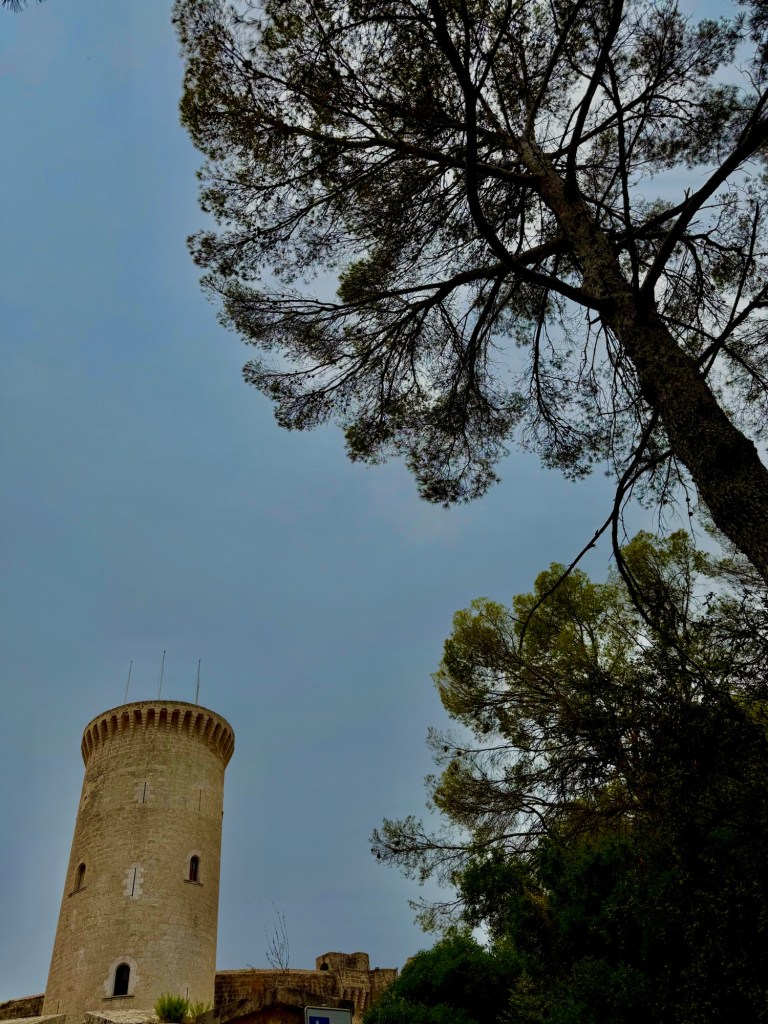
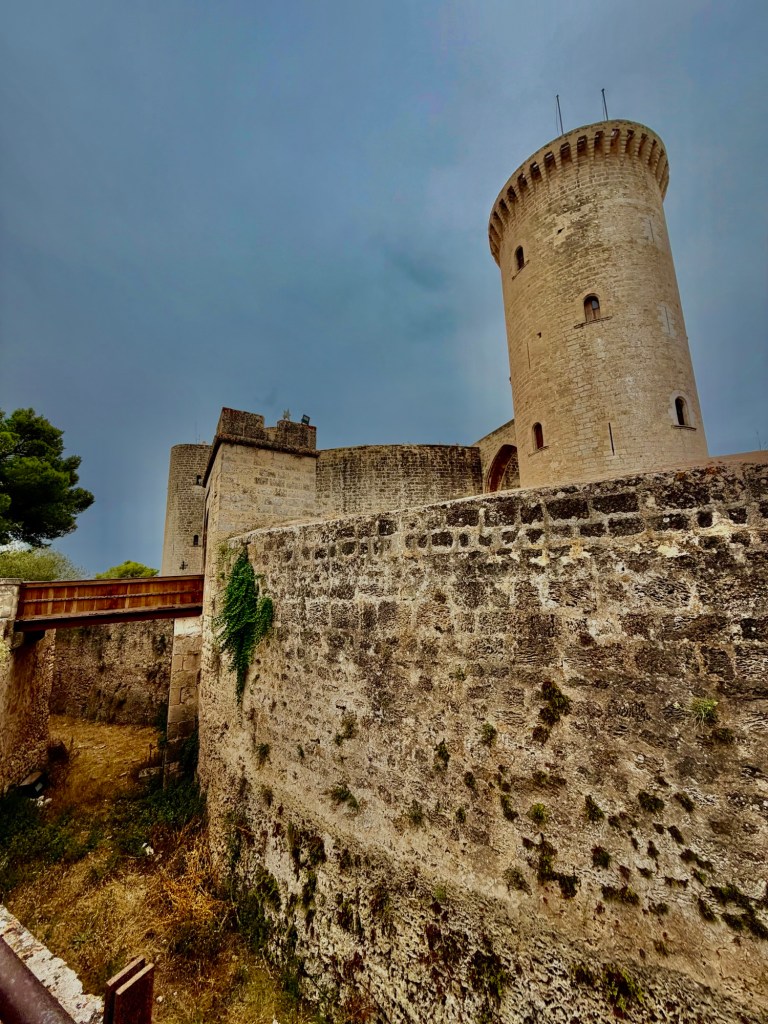
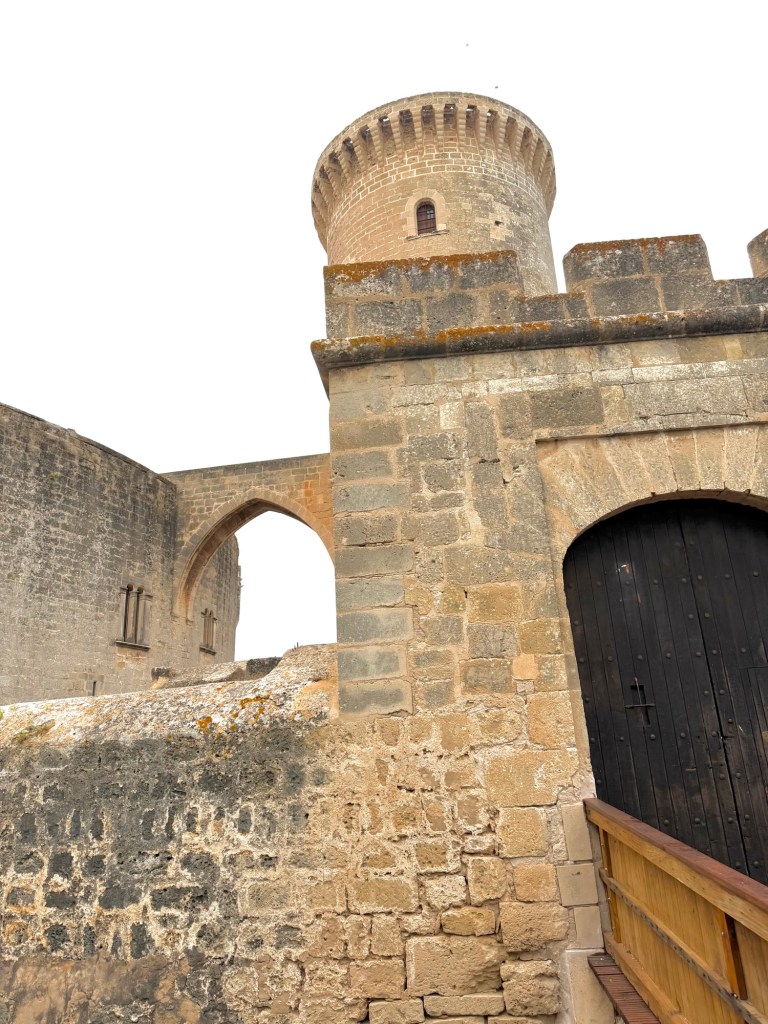
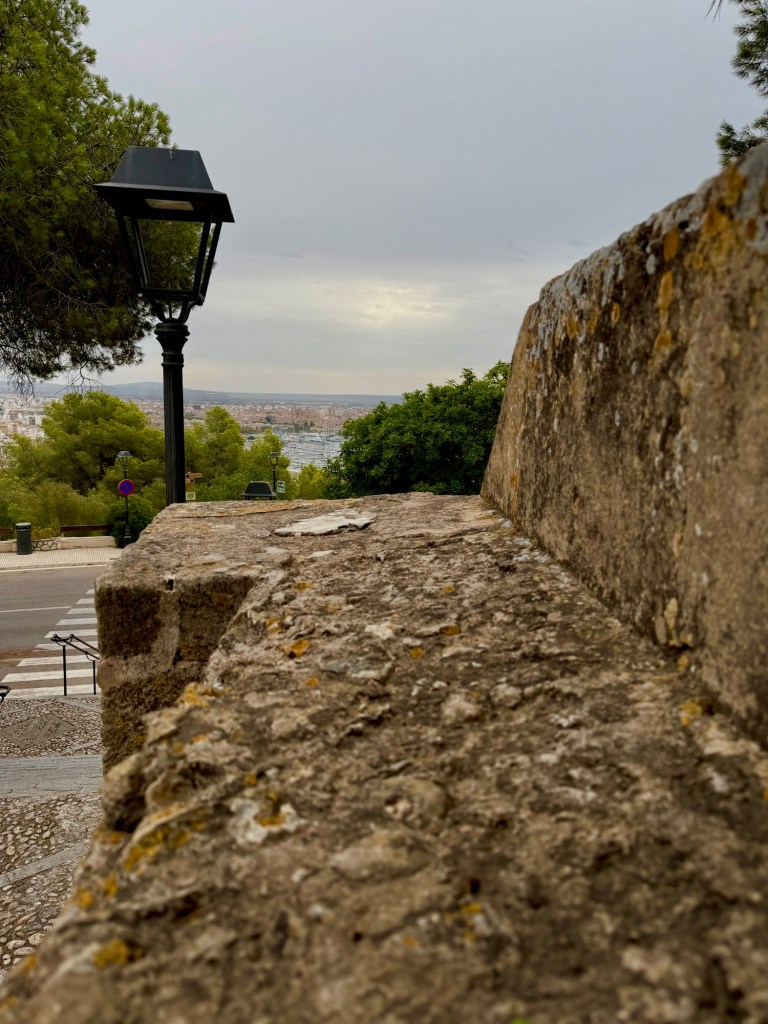
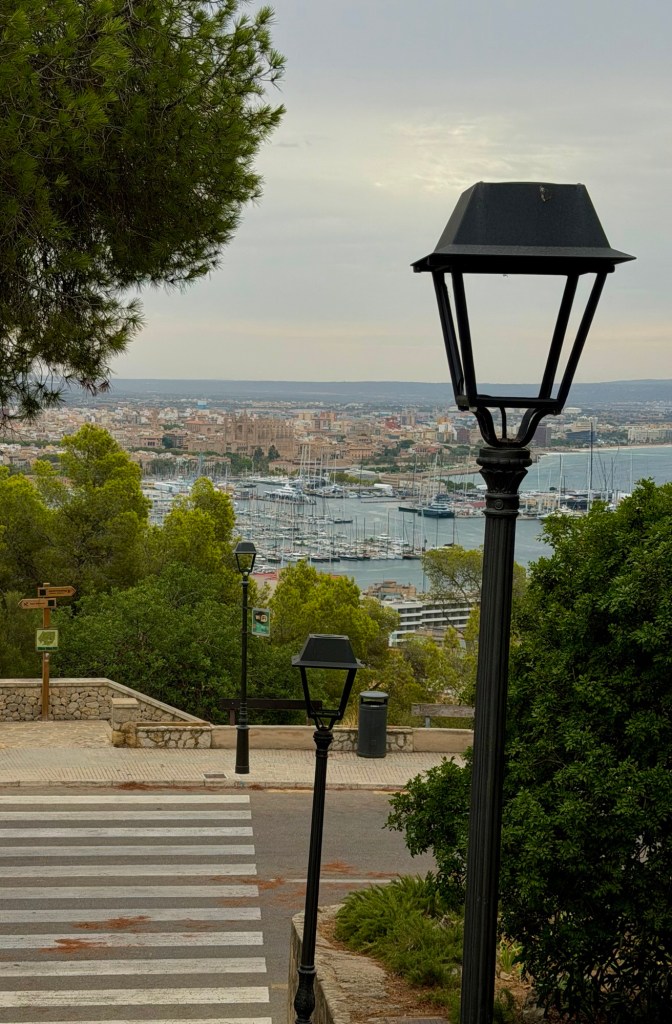
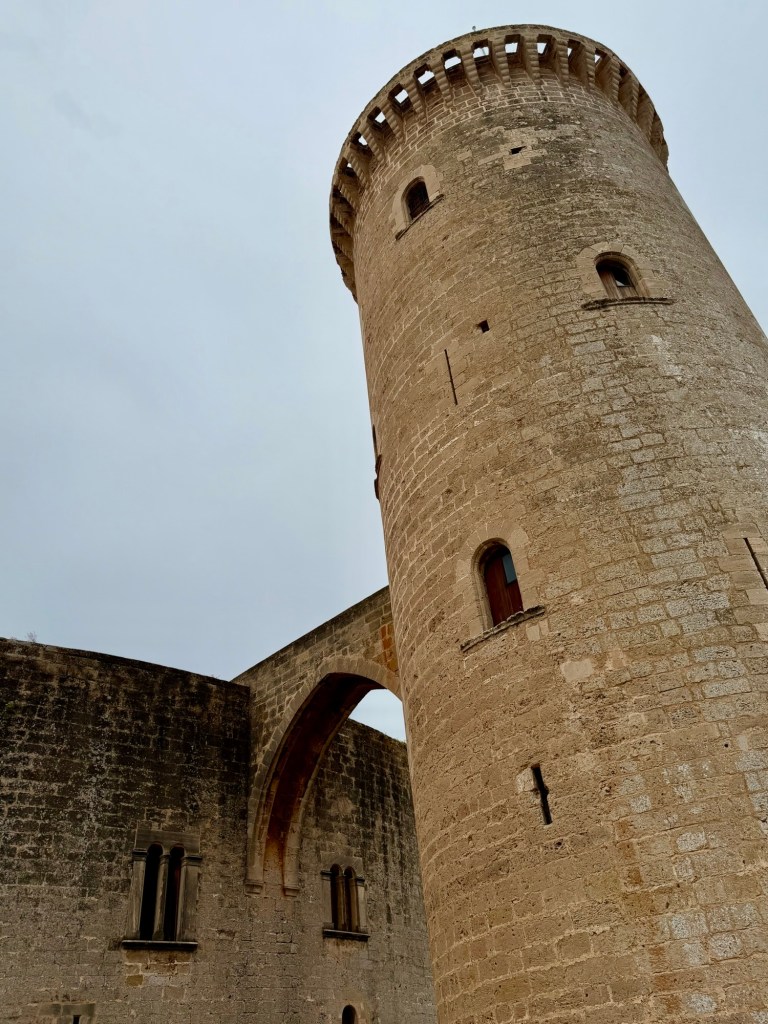
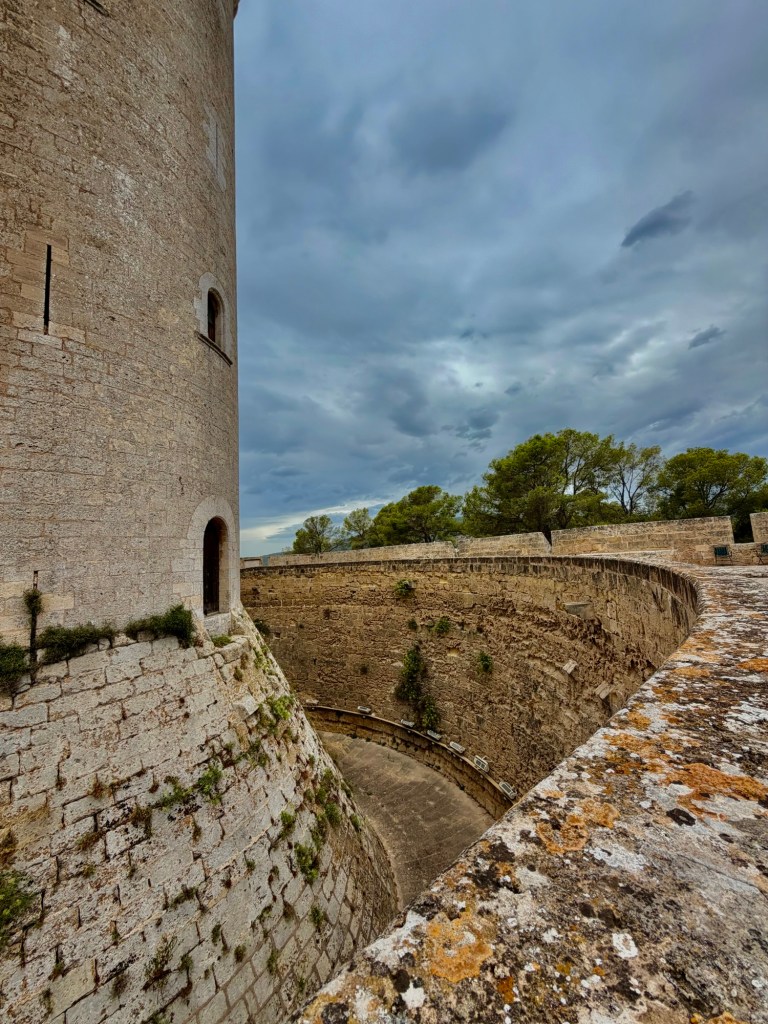
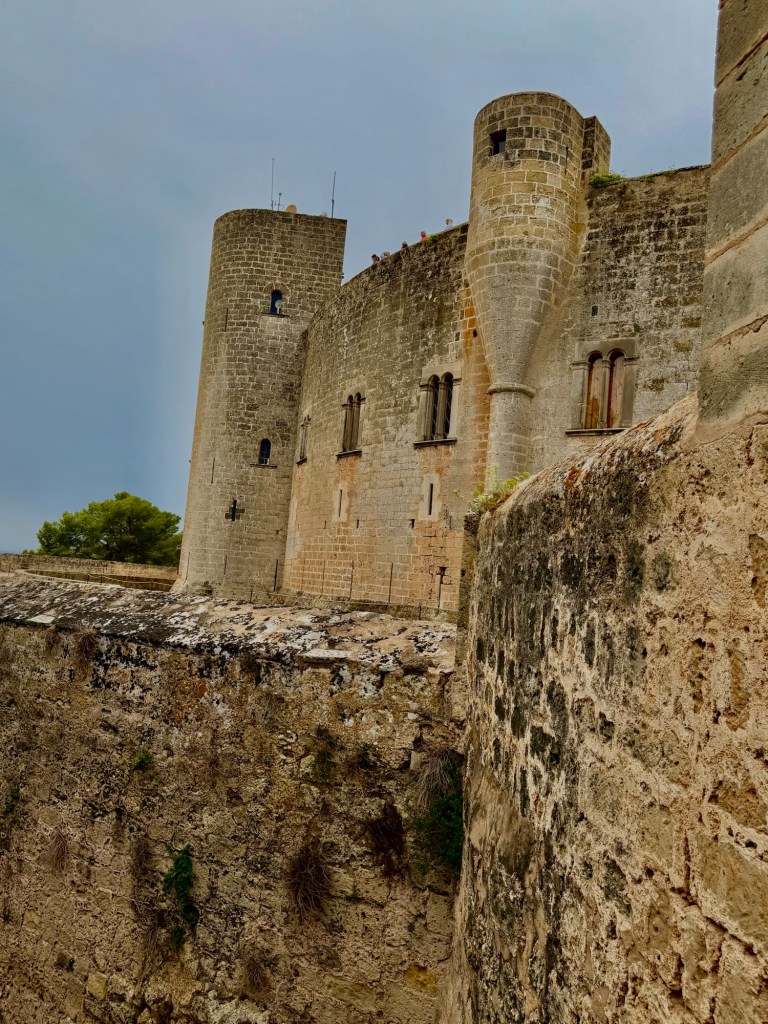
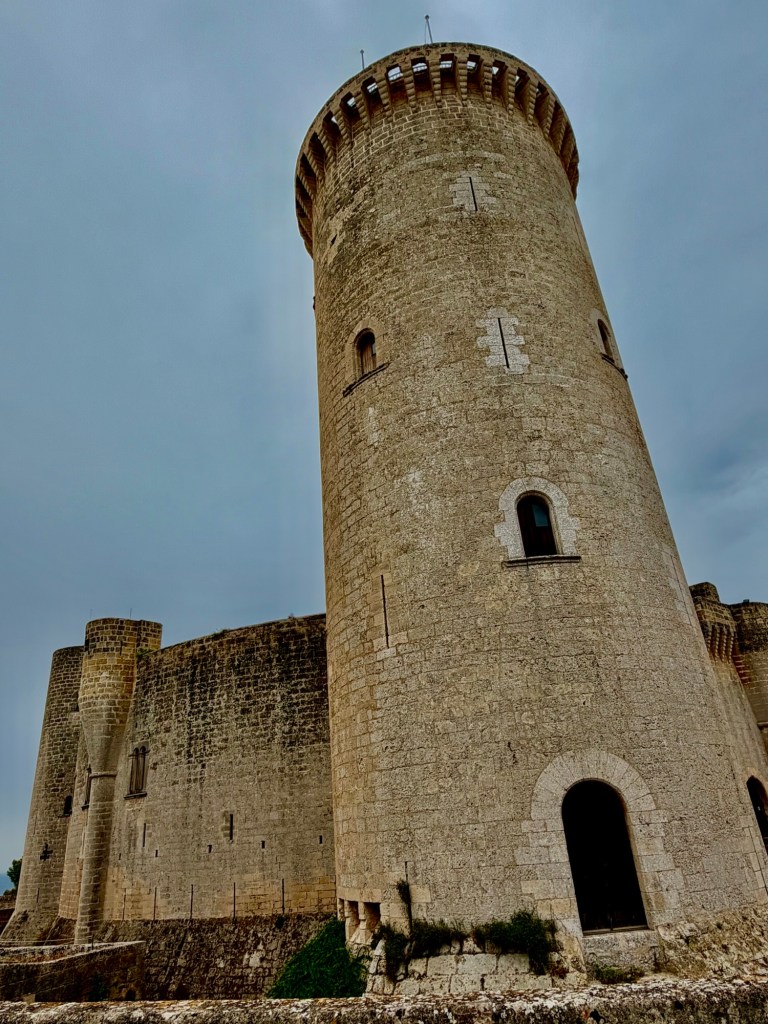
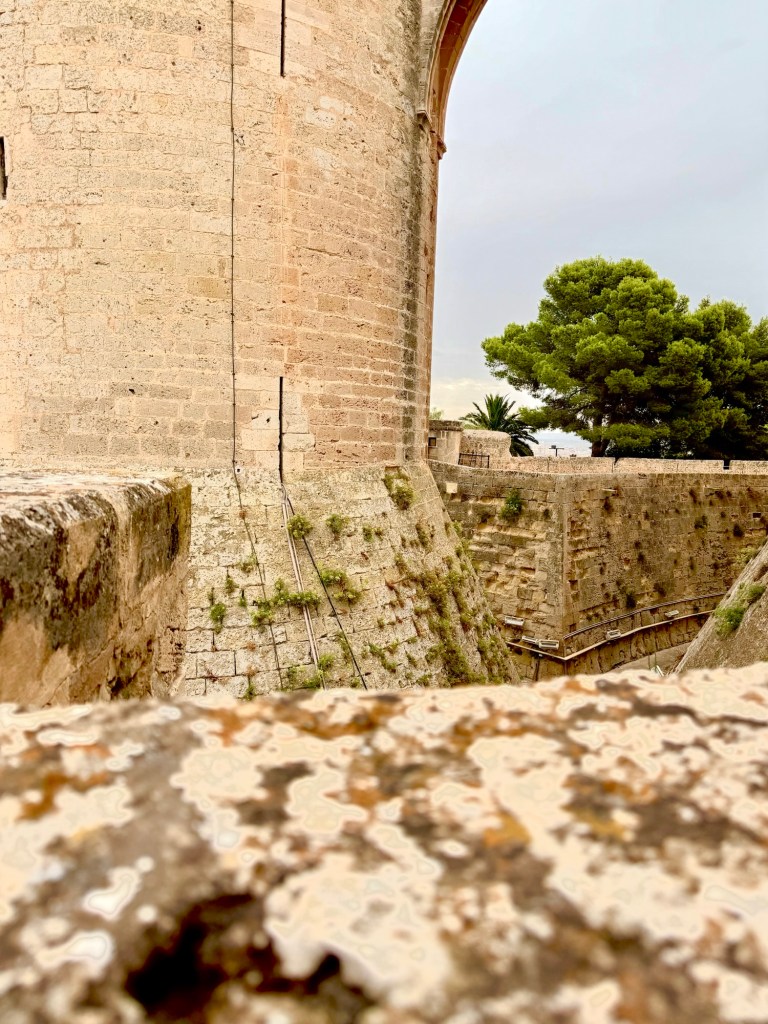
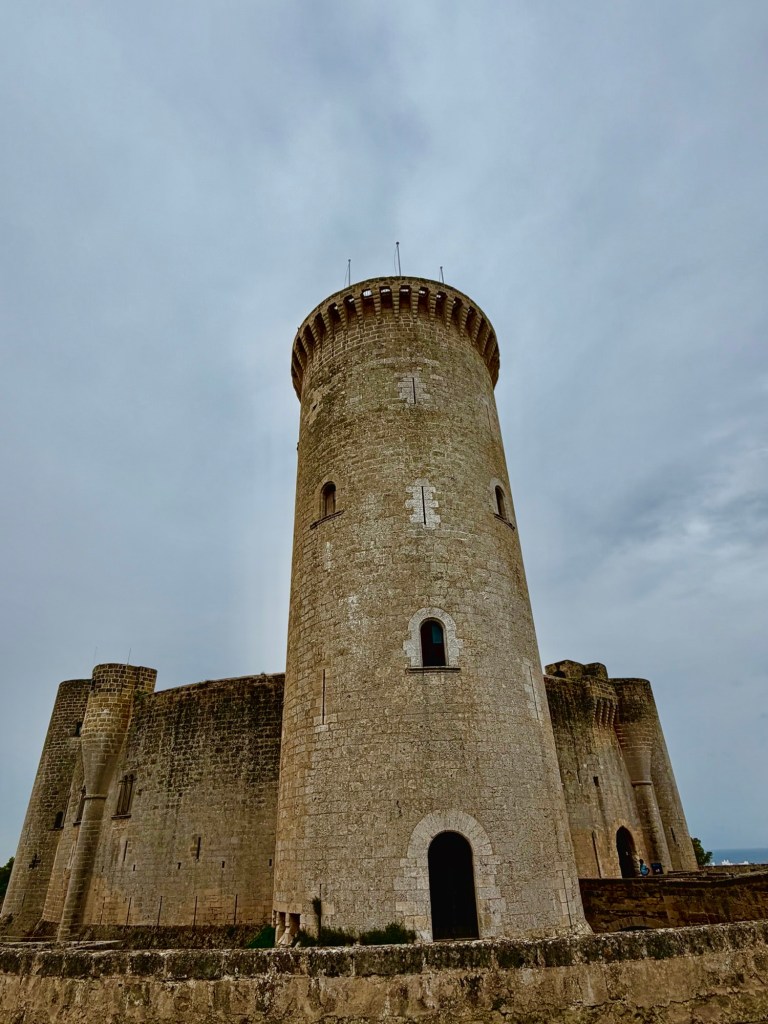
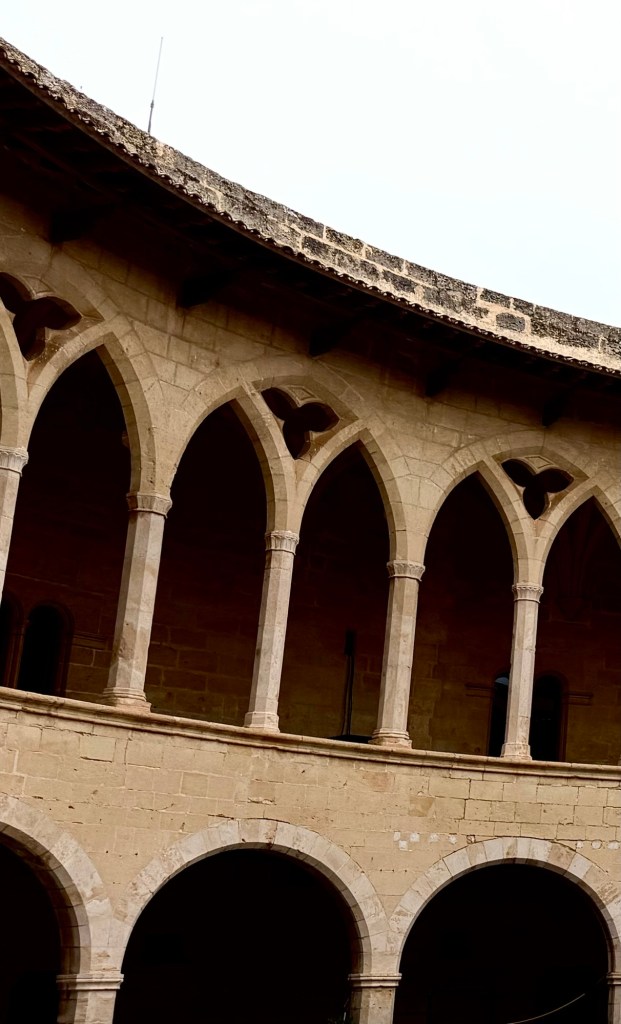
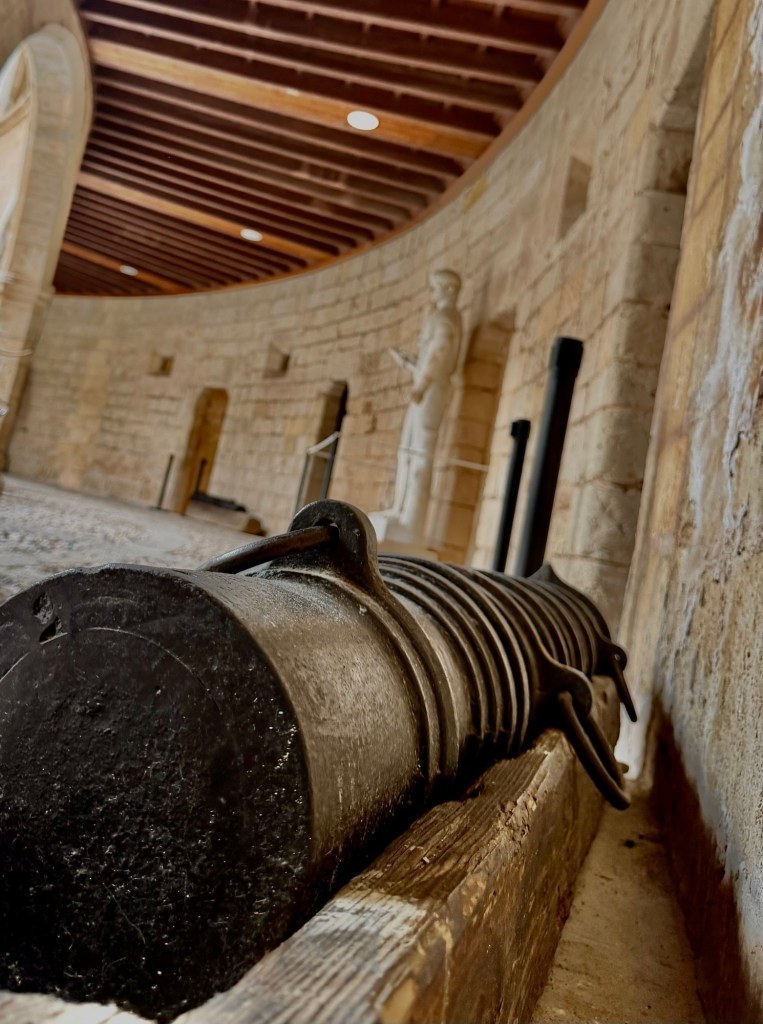
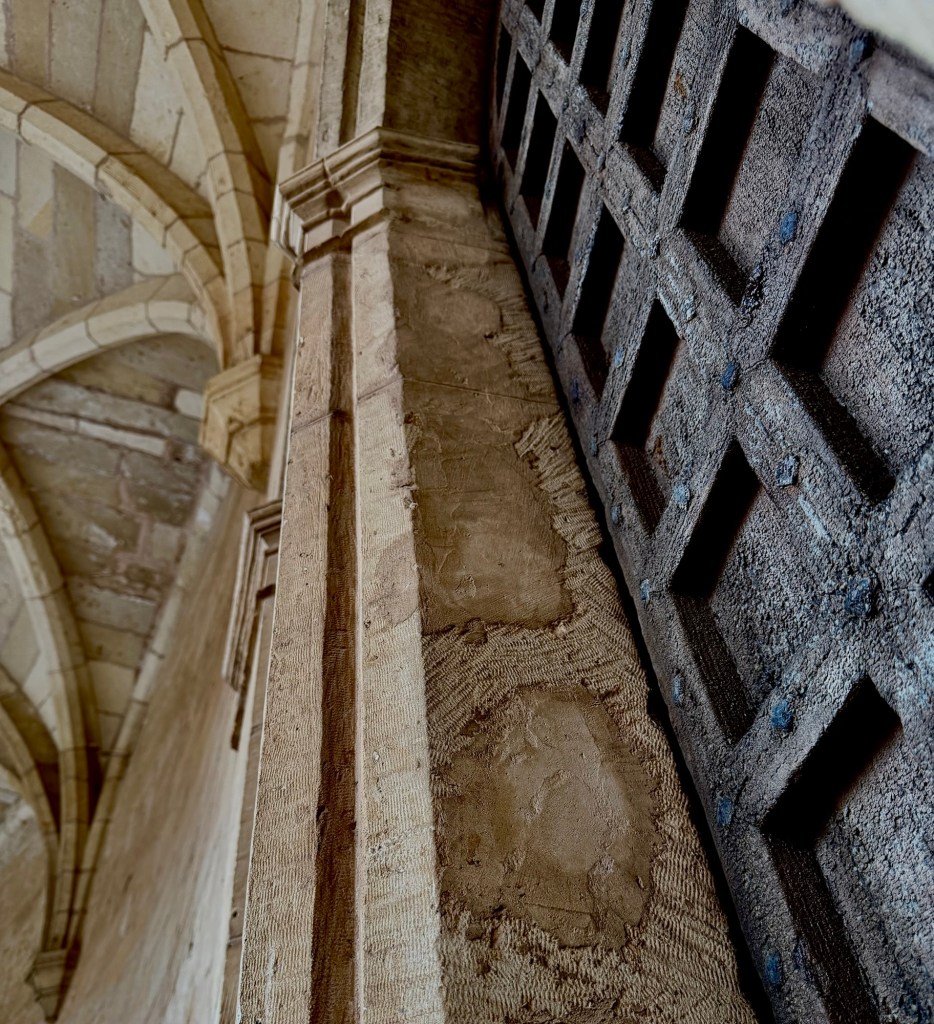
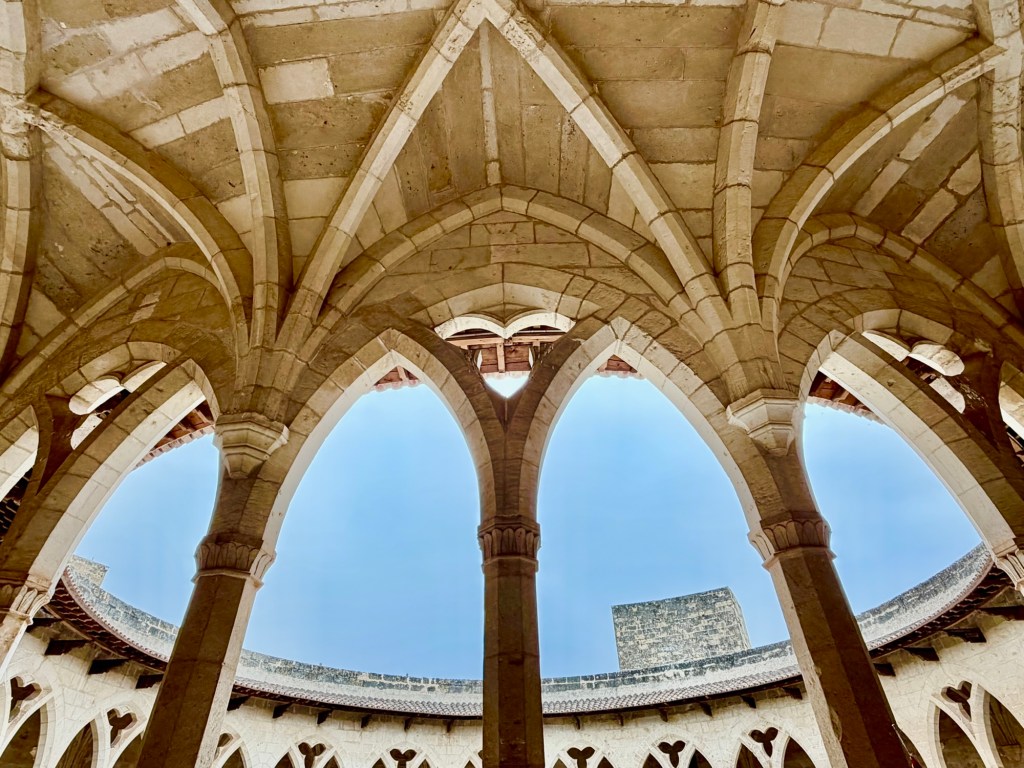
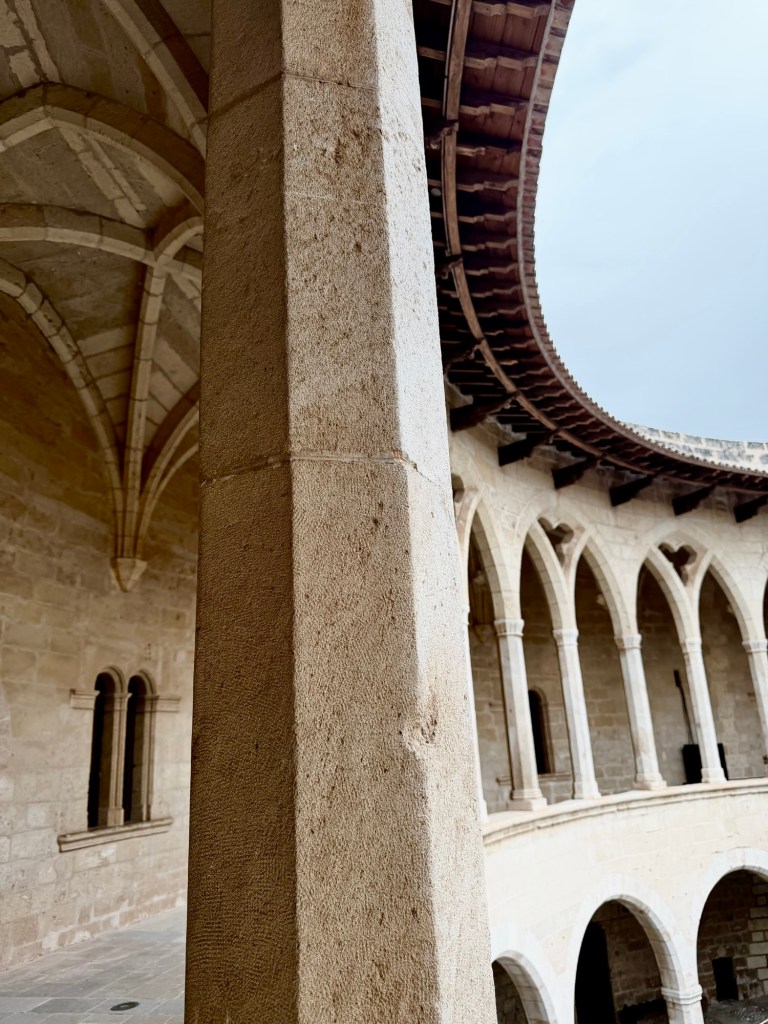
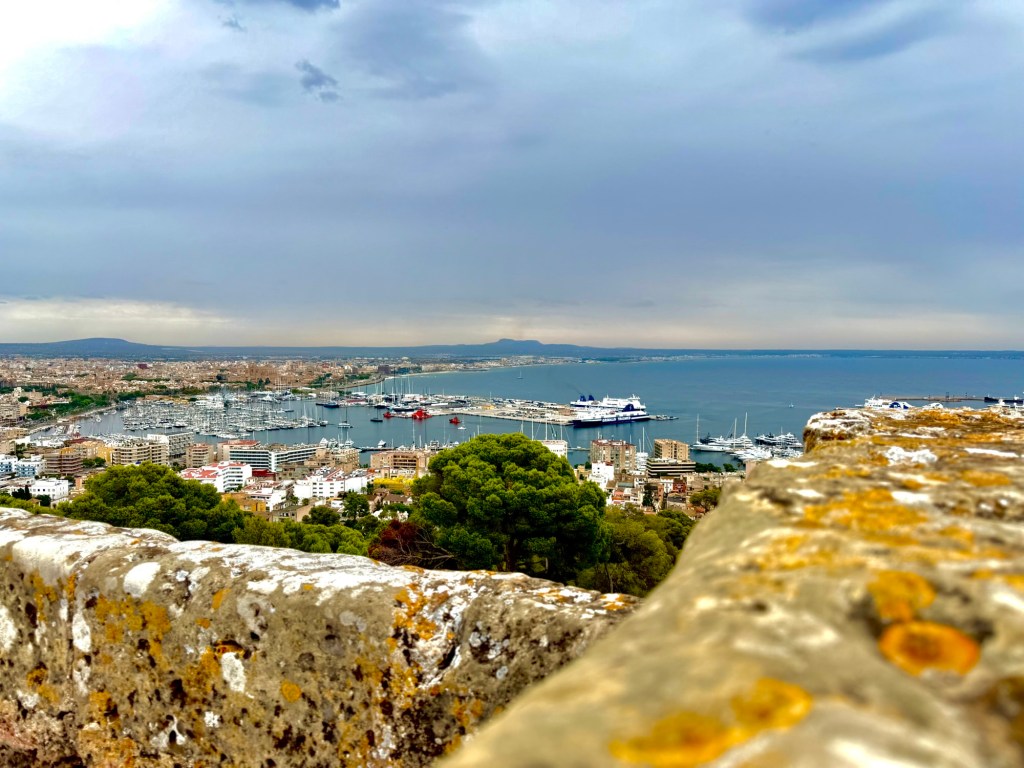
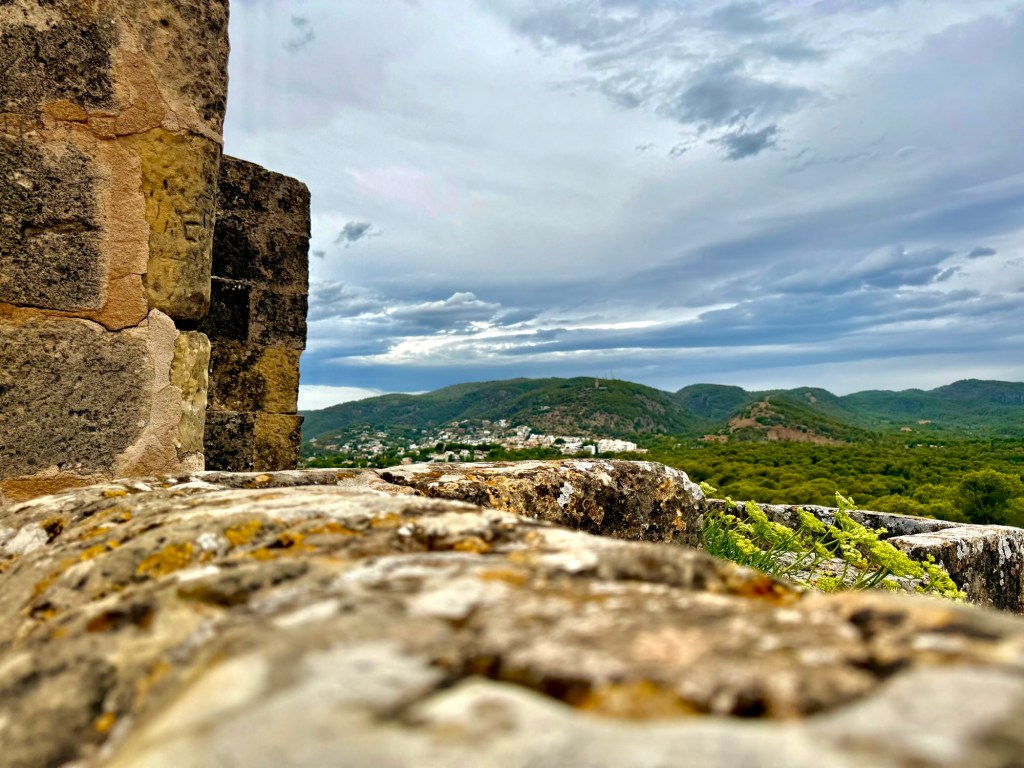
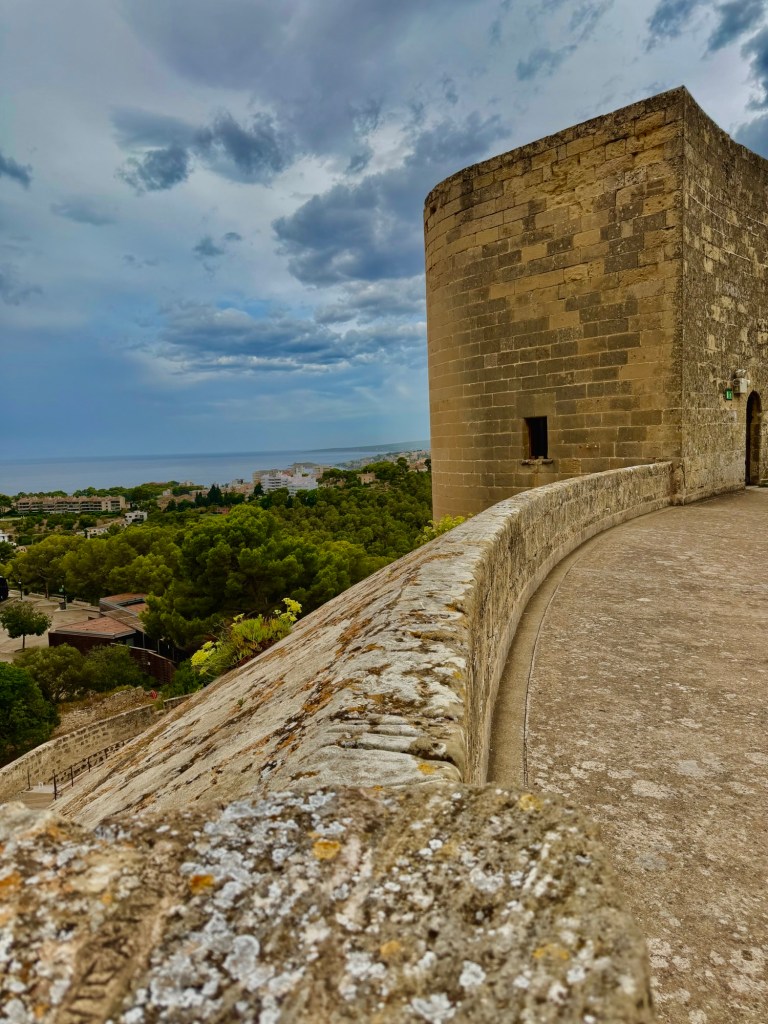
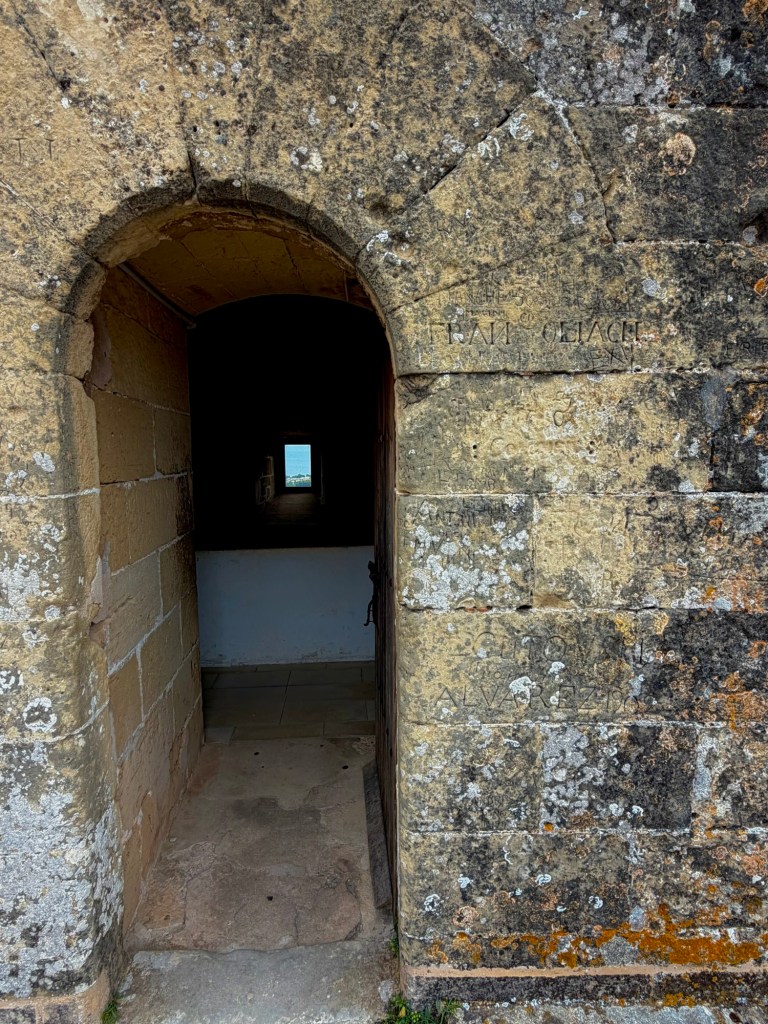
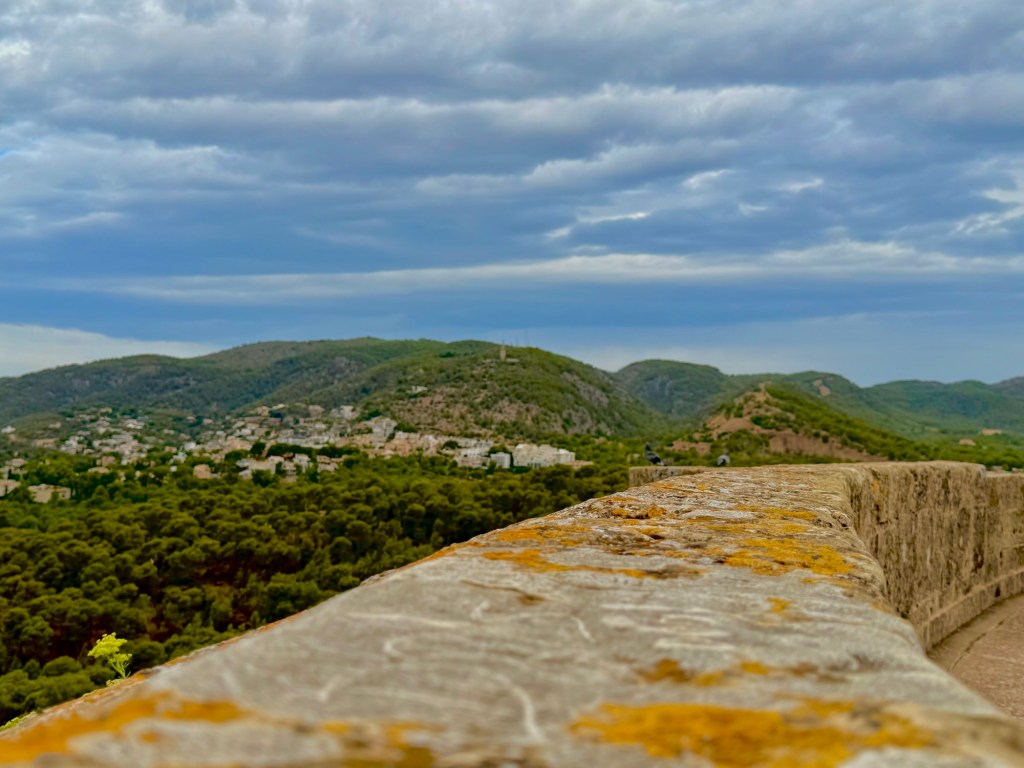
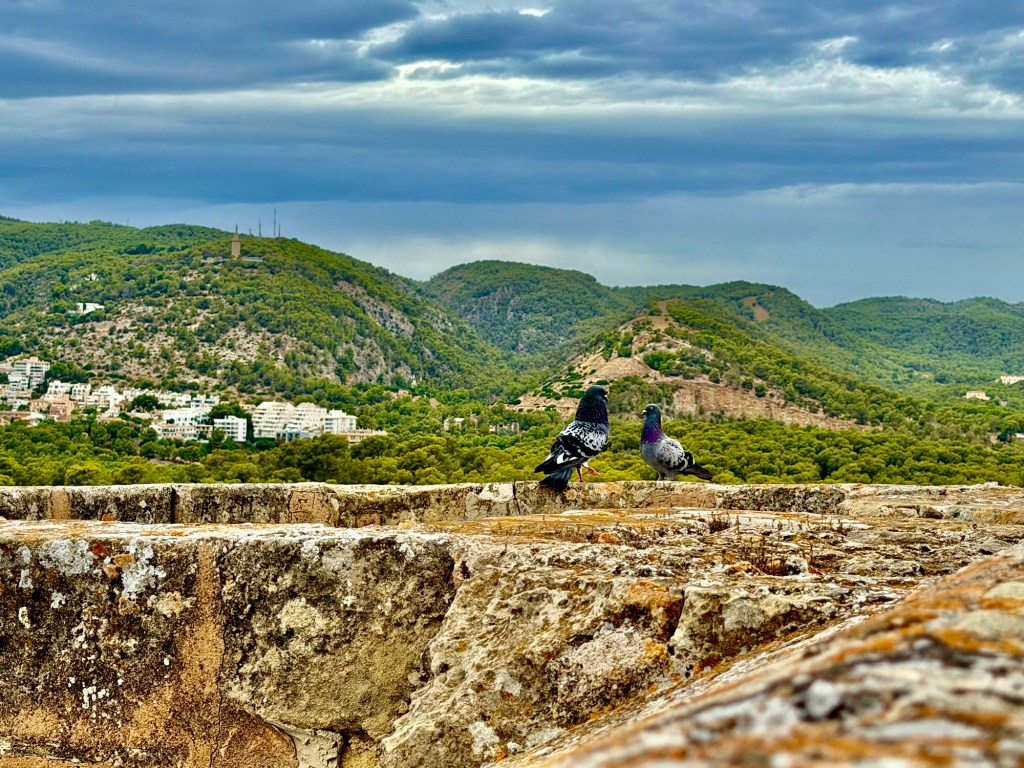
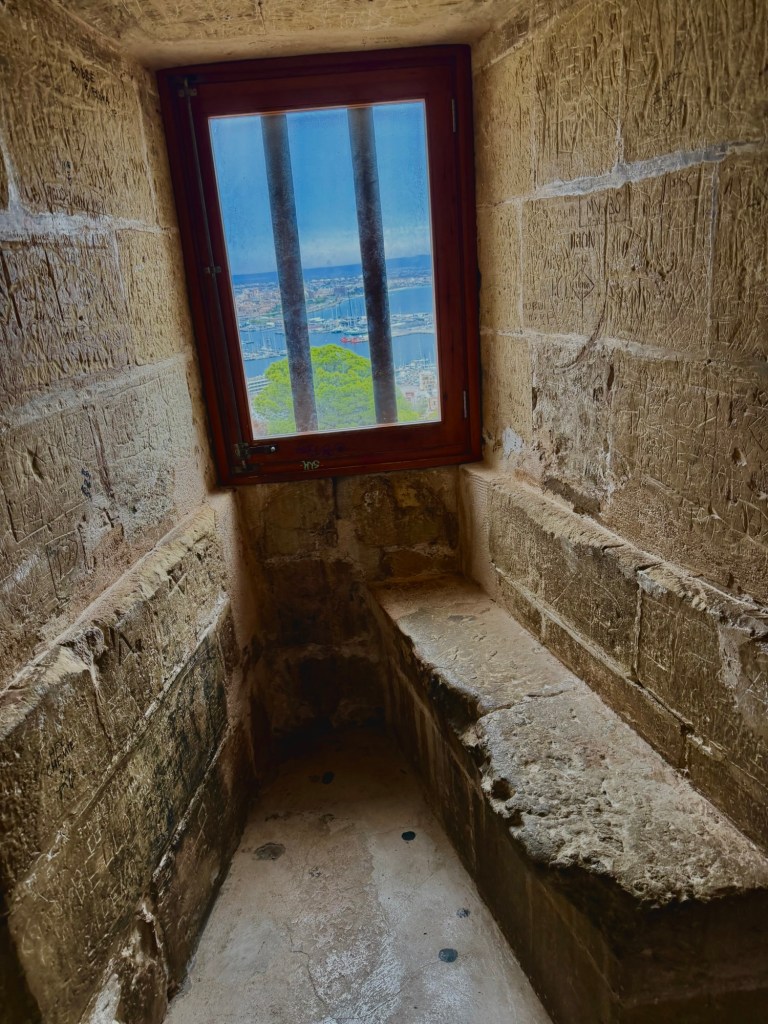
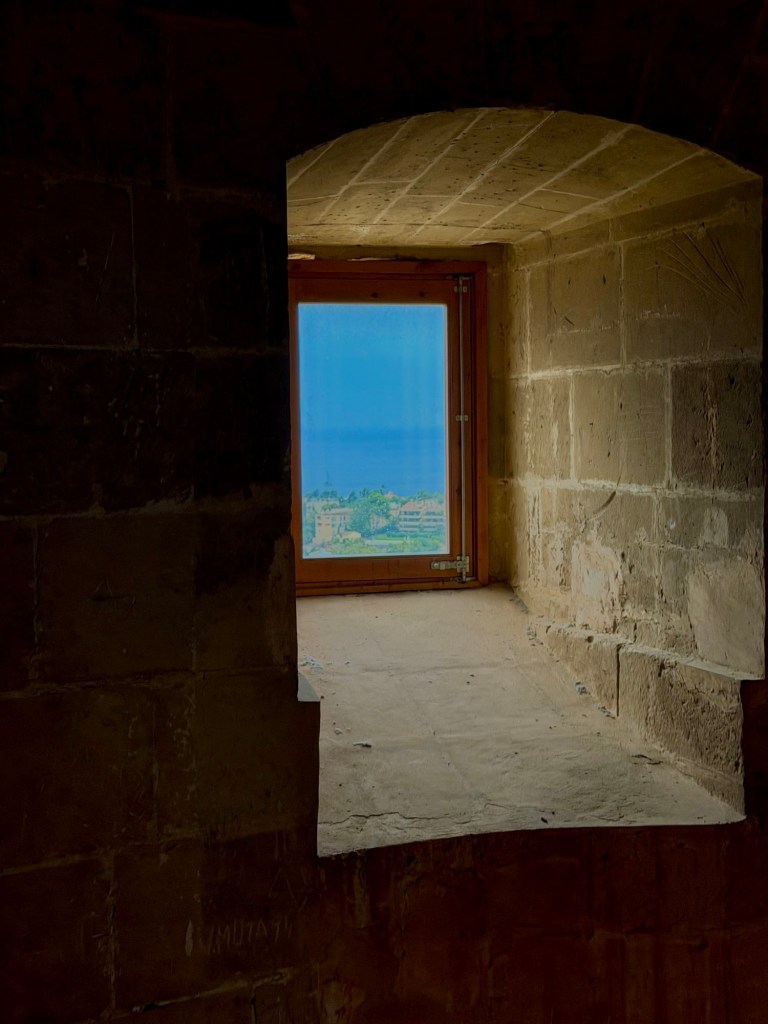
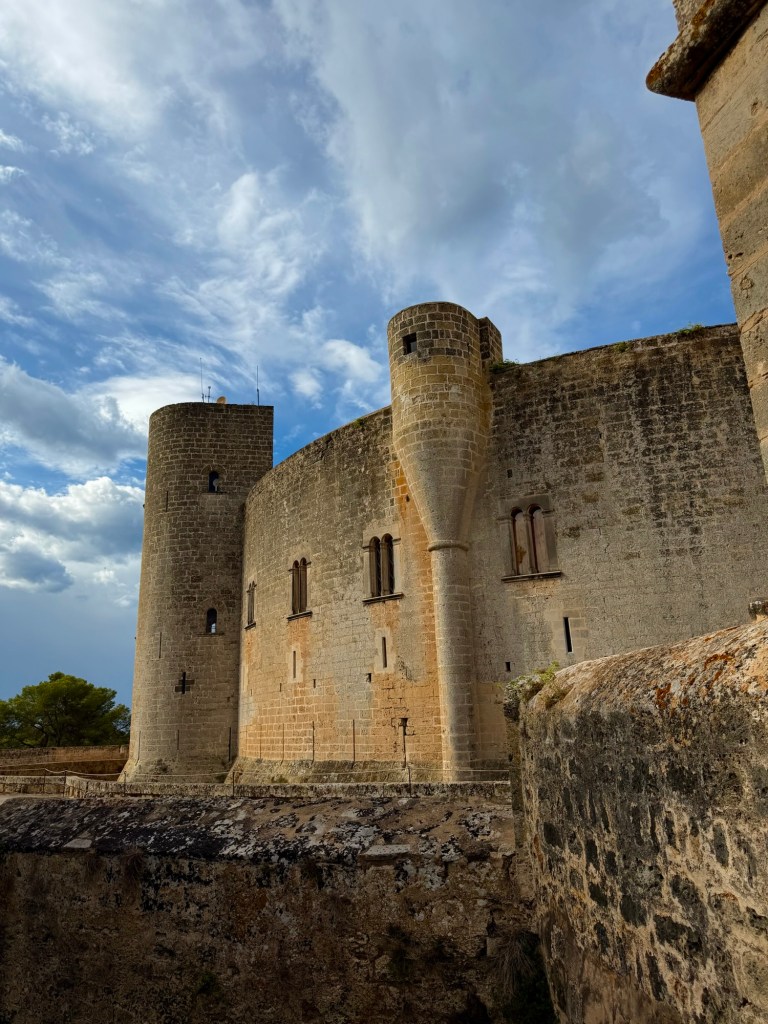
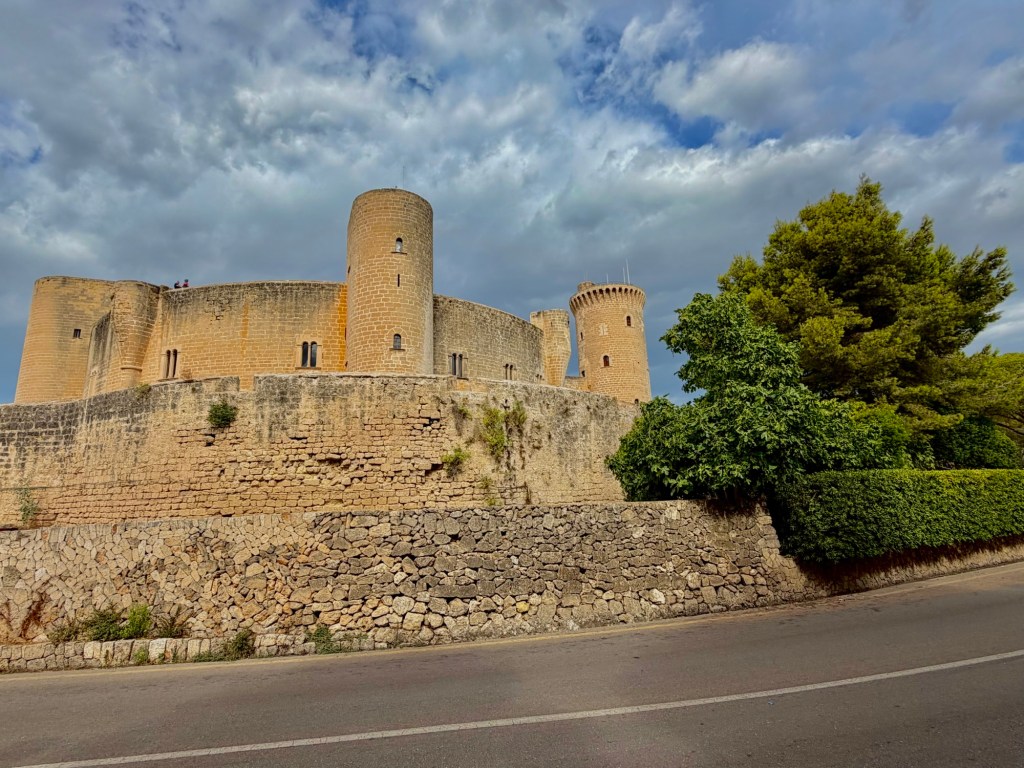
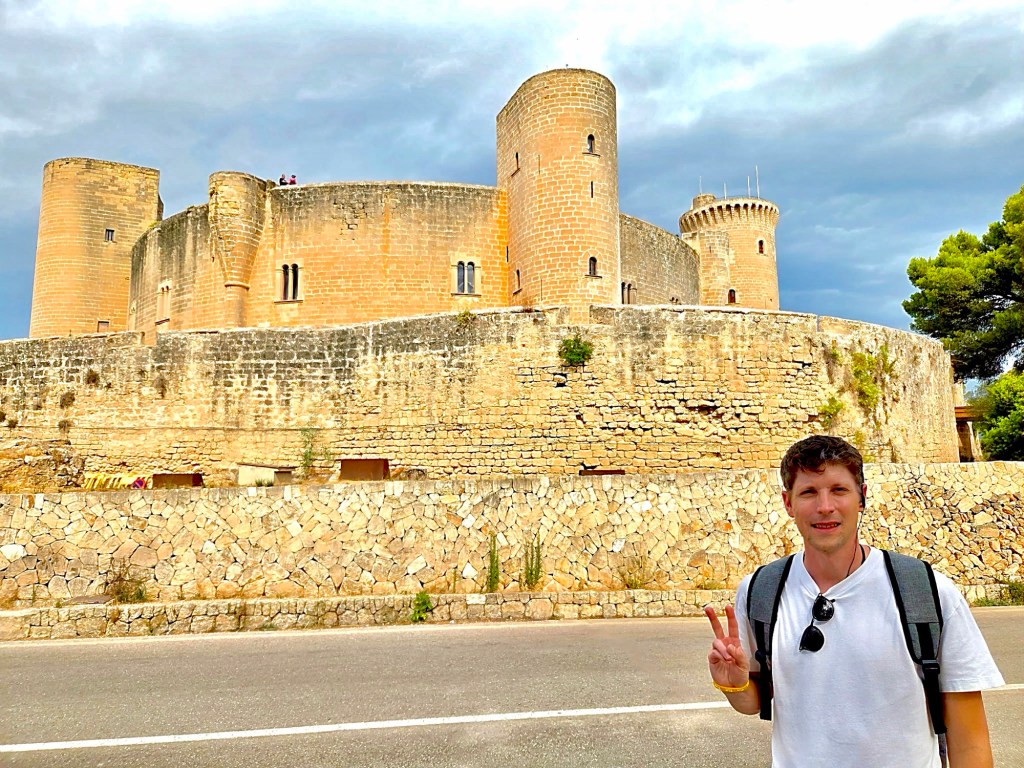
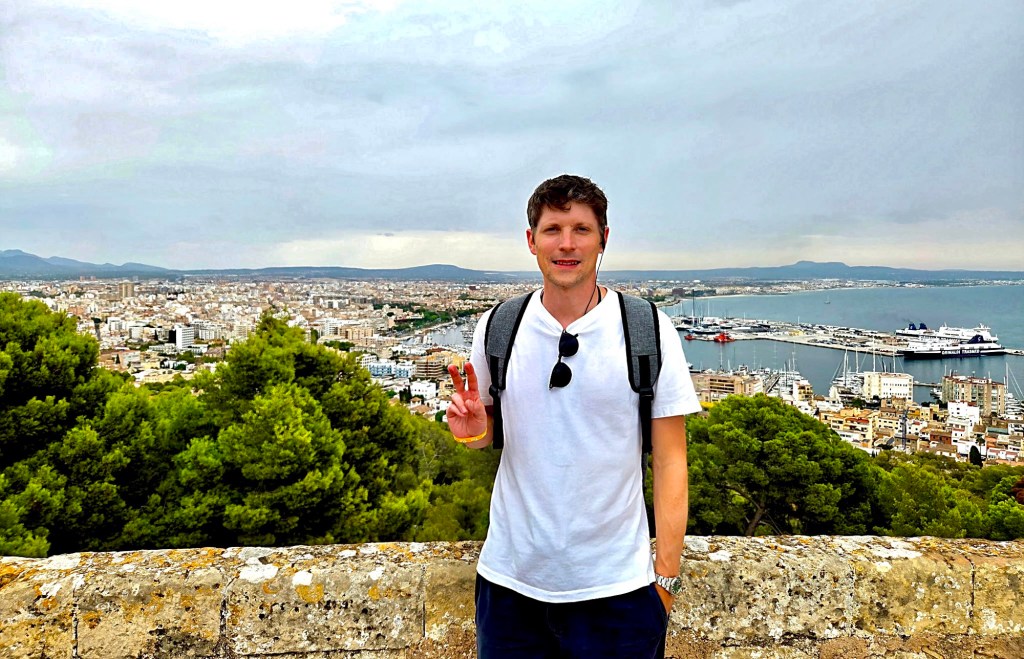
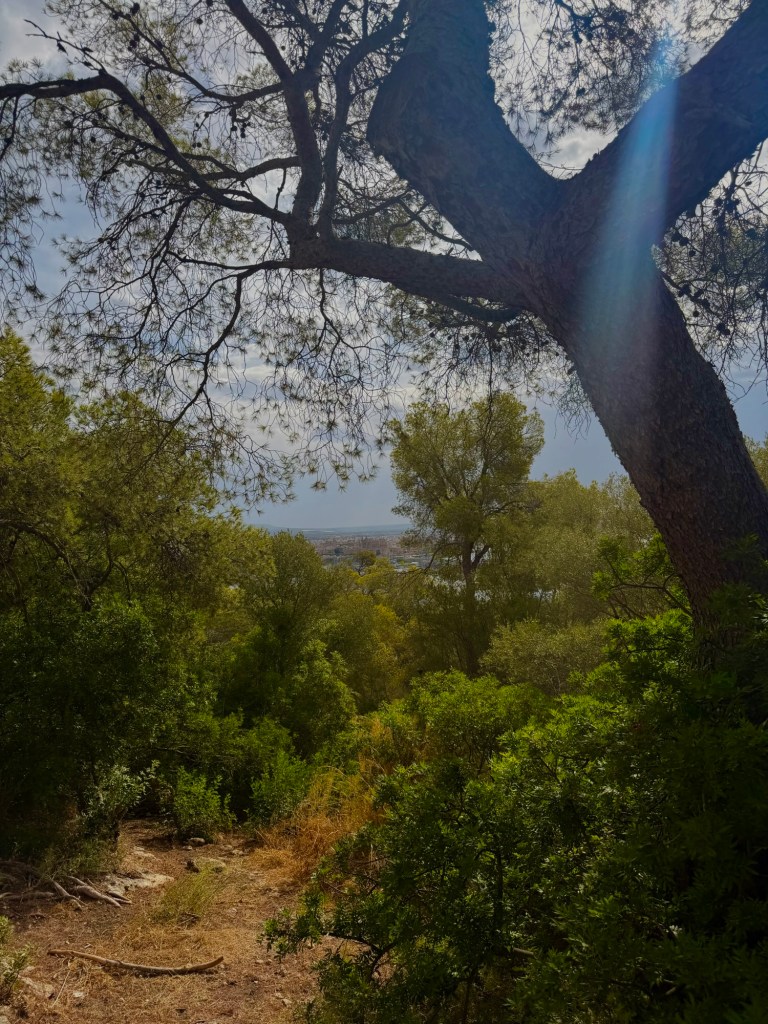
Higher above the city, Bellver Castle offers another perspective altogether. Its great circular towers and thick stone walls have watched over Palma for centuries, while today the reward for climbing up is a panoramic view across the city, marina and Bay of Palma. Seeing the harbour from above really puts the city in context: historic Palma on one side and the Mediterranean stretching away on the other.
But, as usual, some of my favourite moments were found simply wandering.
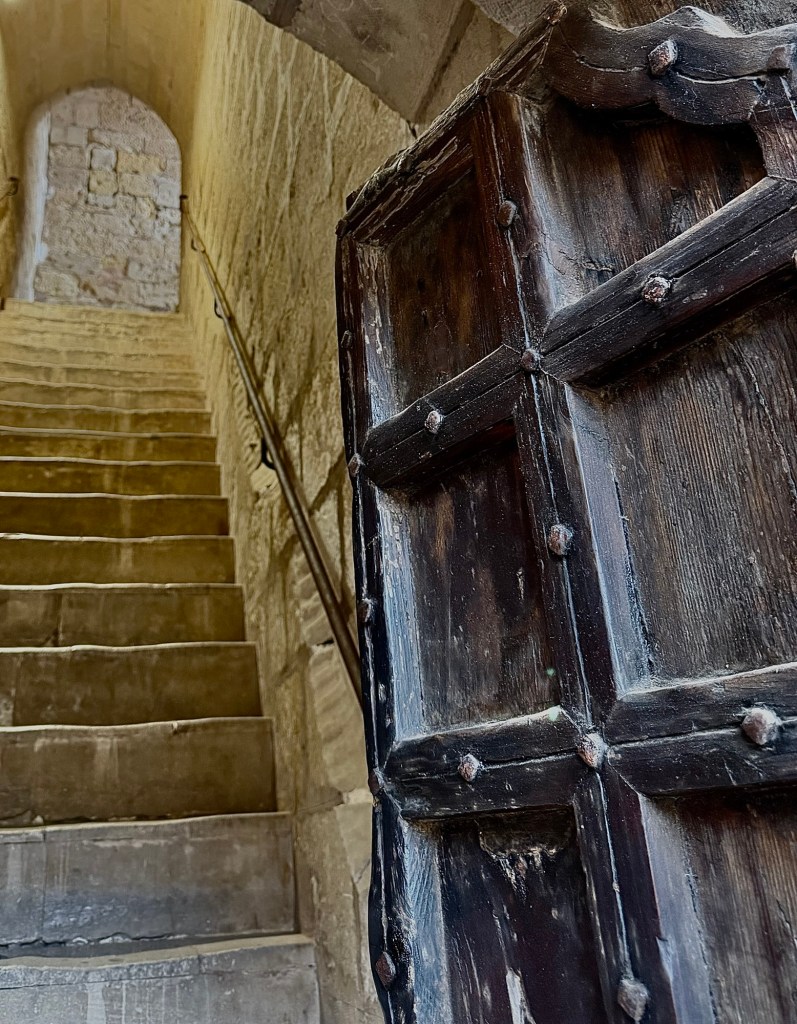
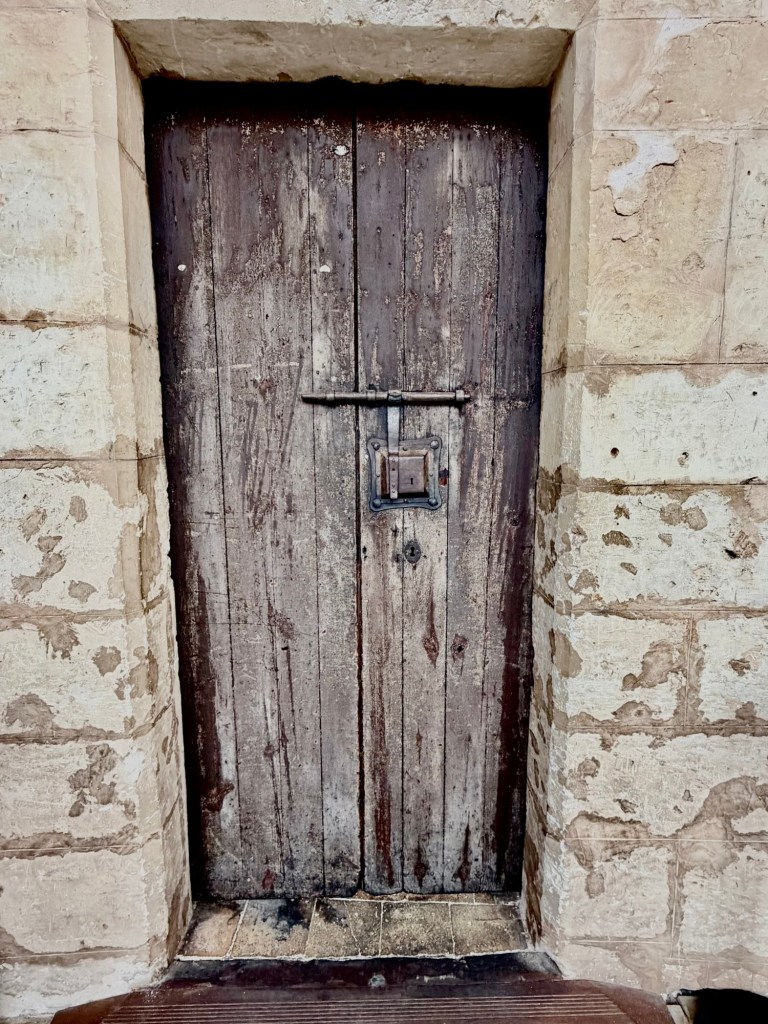
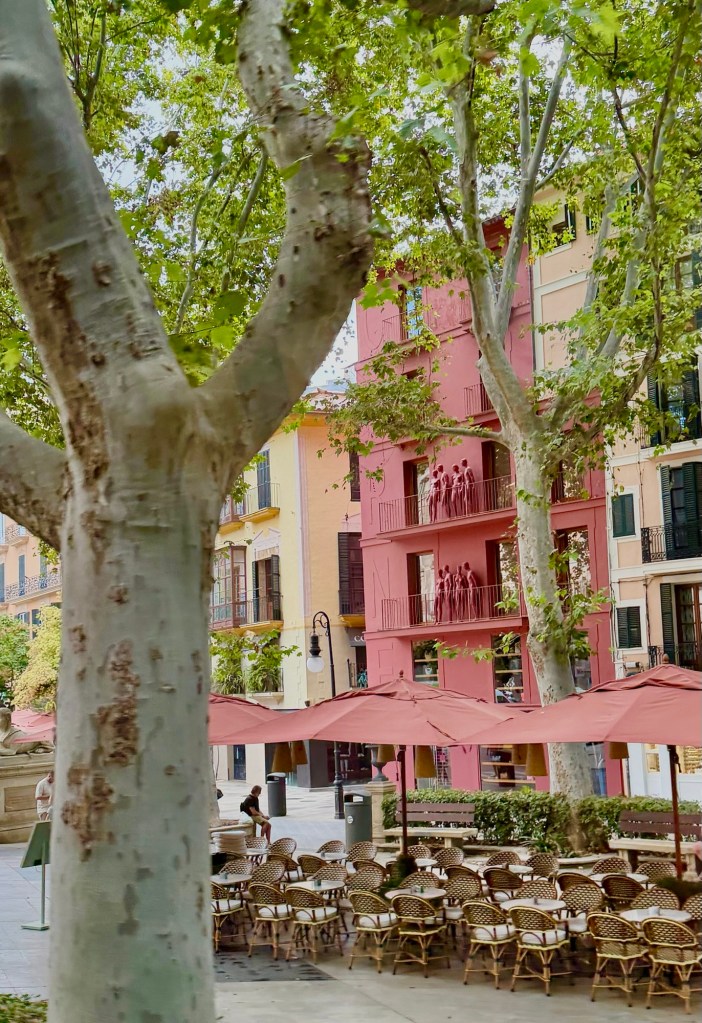
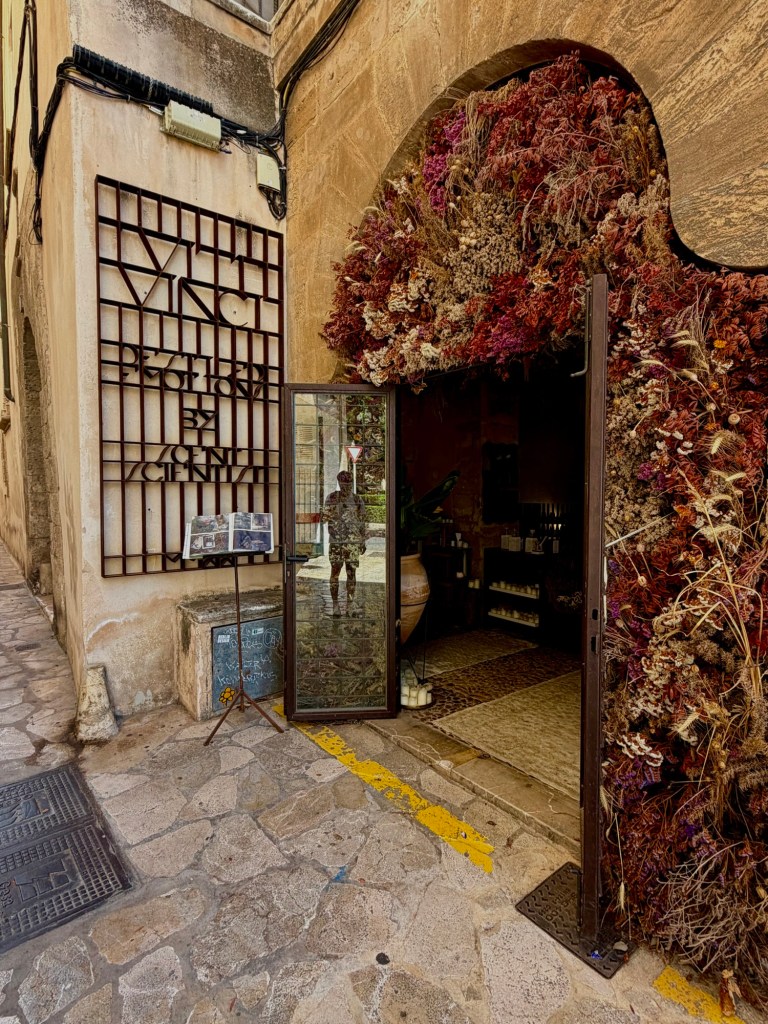
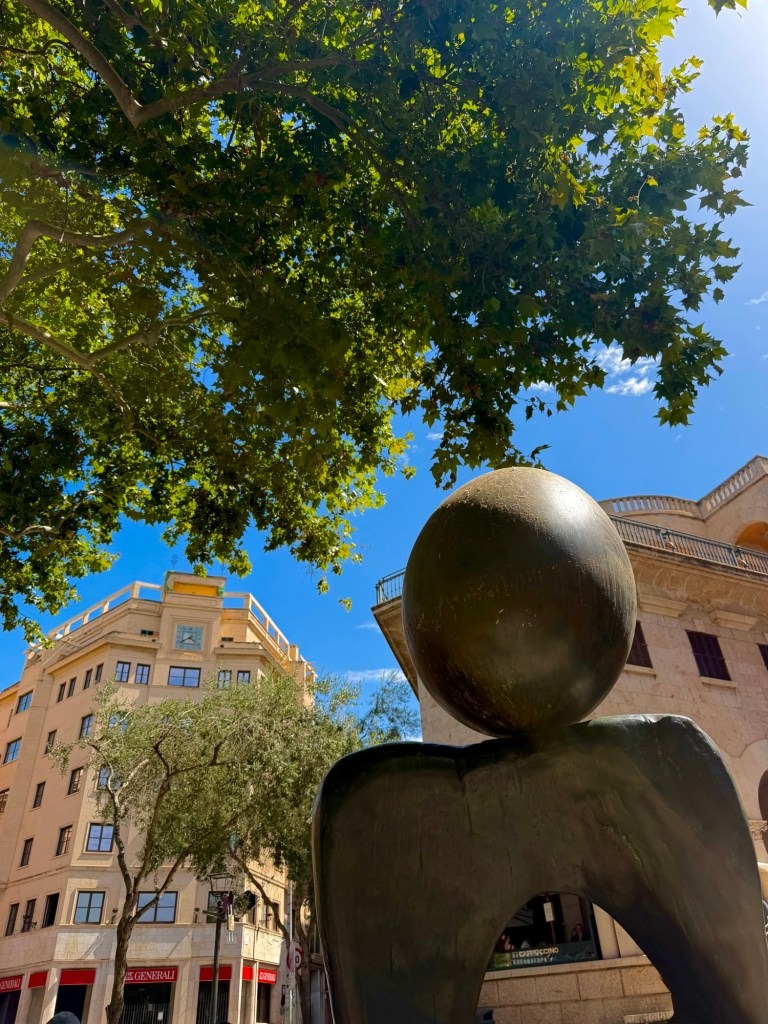
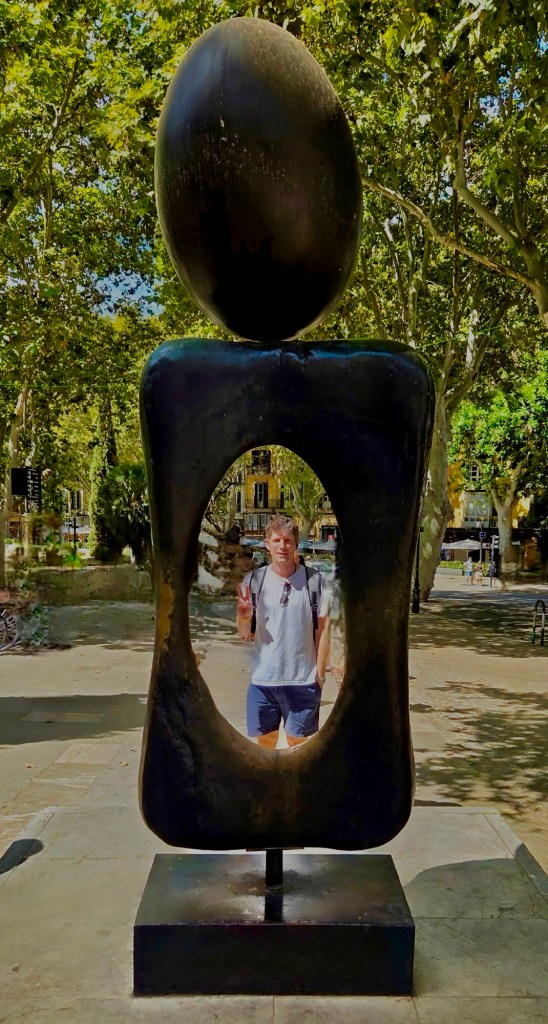
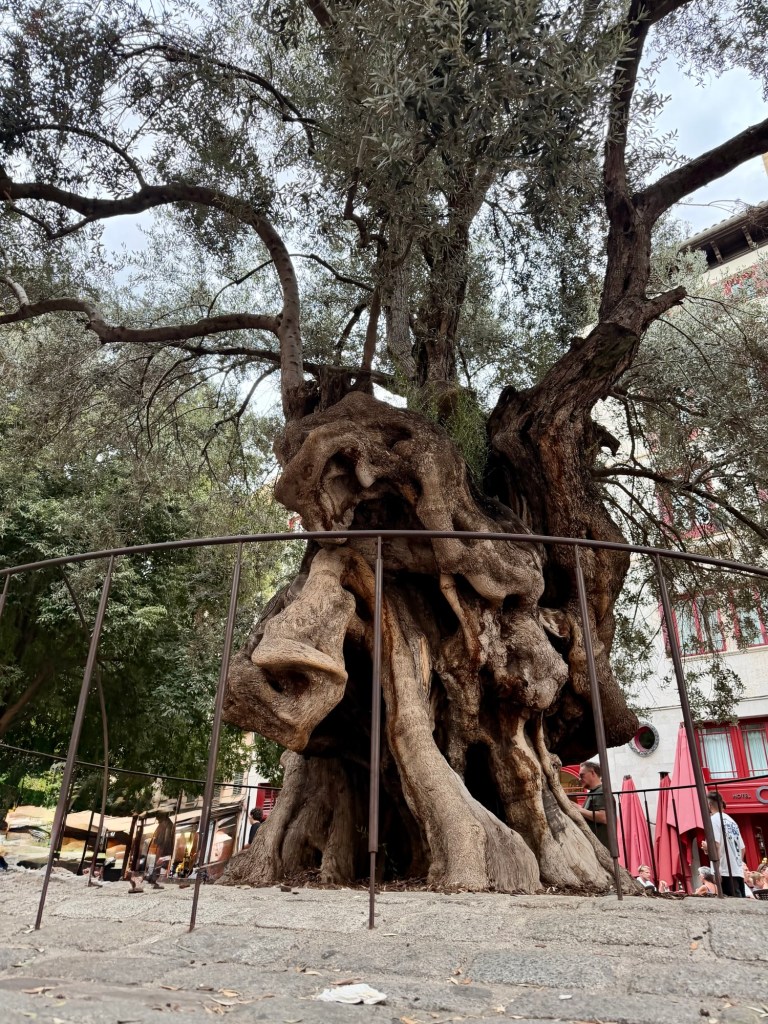
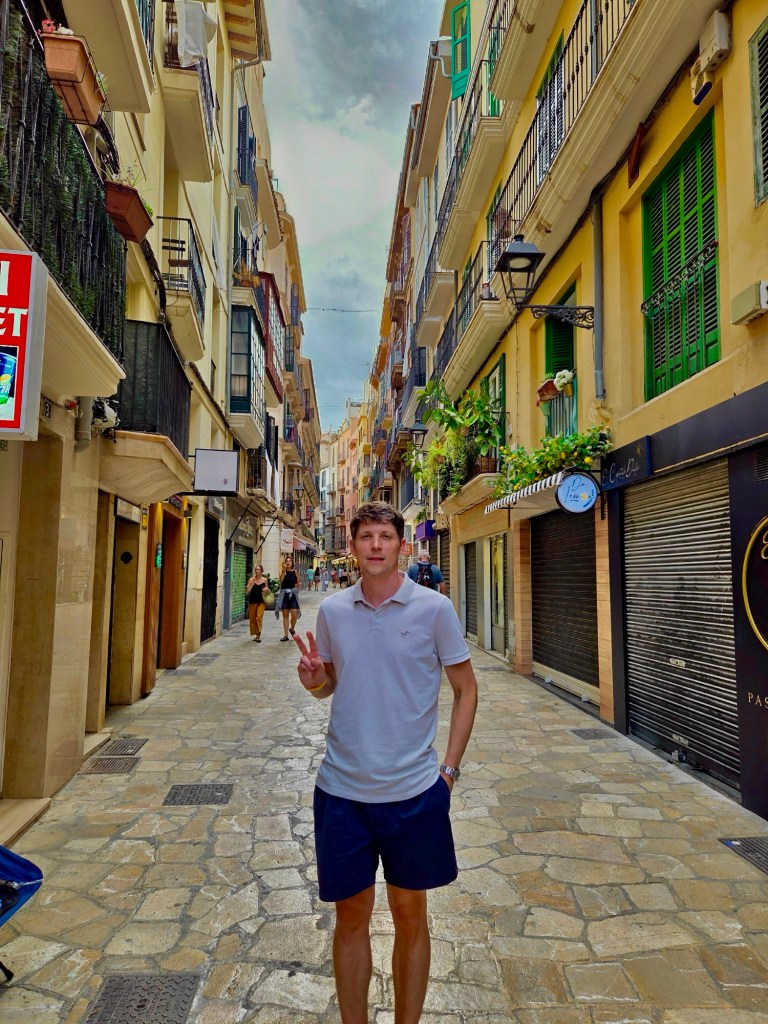
Palma’s old streets are made for getting pleasantly lost. There are shady squares filled with café tables, colourful façades appearing between enormous plane trees, little courtyards and shops tucked behind ancient stone doorways. One particularly beautiful entrance was almost completely surrounded by dried flowers — the sort of detail you would never discover by following a checklist of attractions.
The contrast is what makes Palma so appealing. You can be looking across a marina filled with sleek yachts in the morning, exploring a medieval castle before lunch and standing beneath the vaulted ceiling of a Gothic cathedral in the afternoon. In between are gardens, cafés, narrow lanes and quiet corners where the pace slows down completely.
And everywhere, the Mediterranean seems to be waiting just beyond the next street.
Palma surprised me. It may be the gateway to Mallorca, but it deserves to be much more than somewhere you simply pass through on the way to the beach.
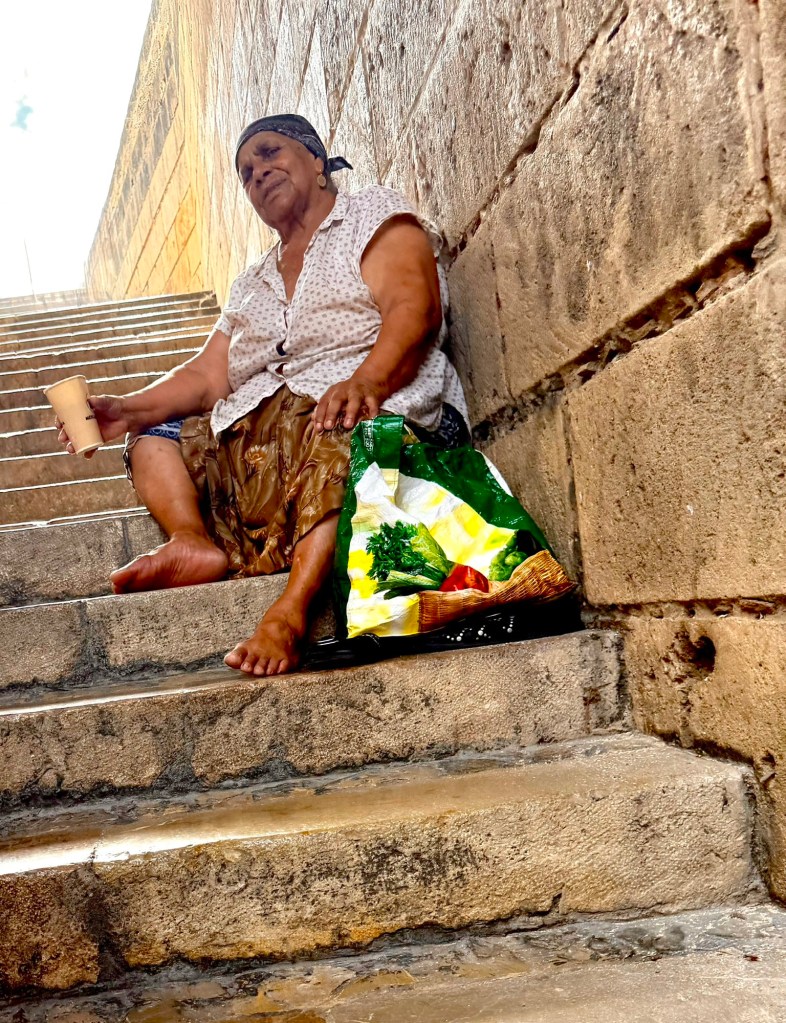
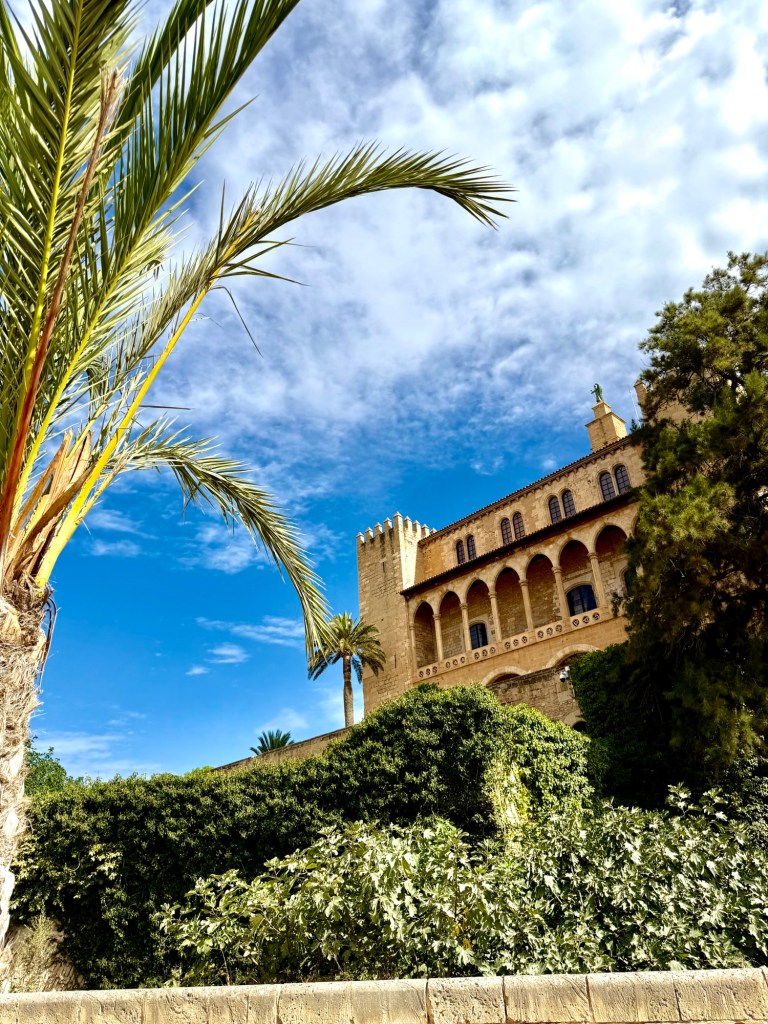
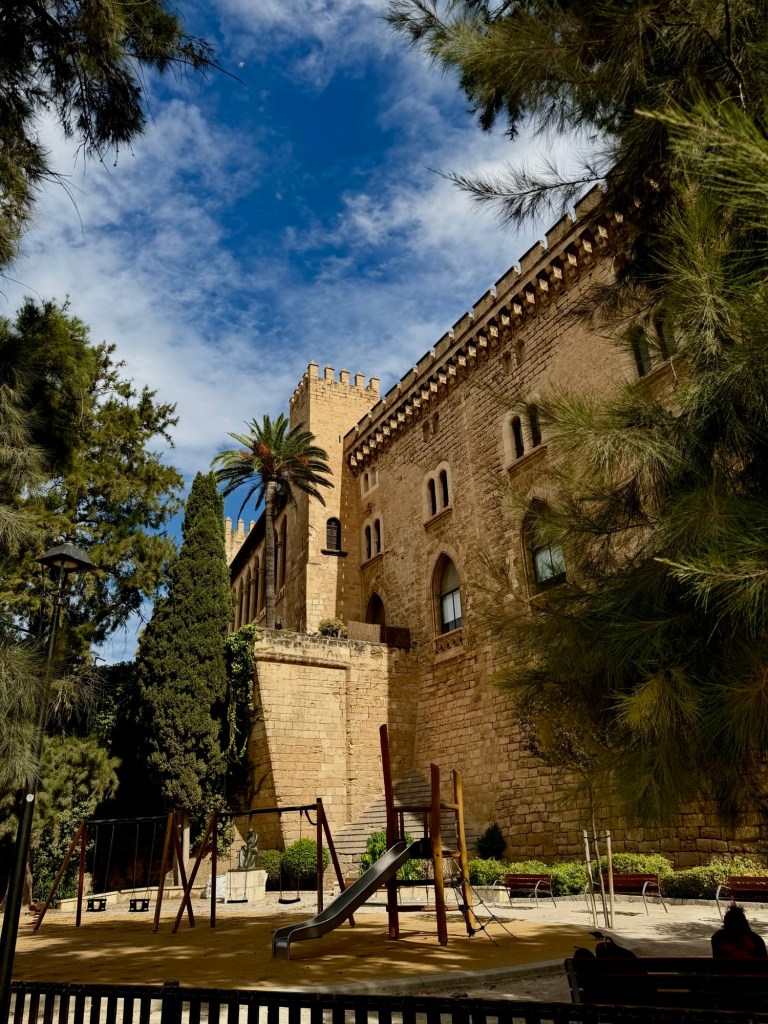
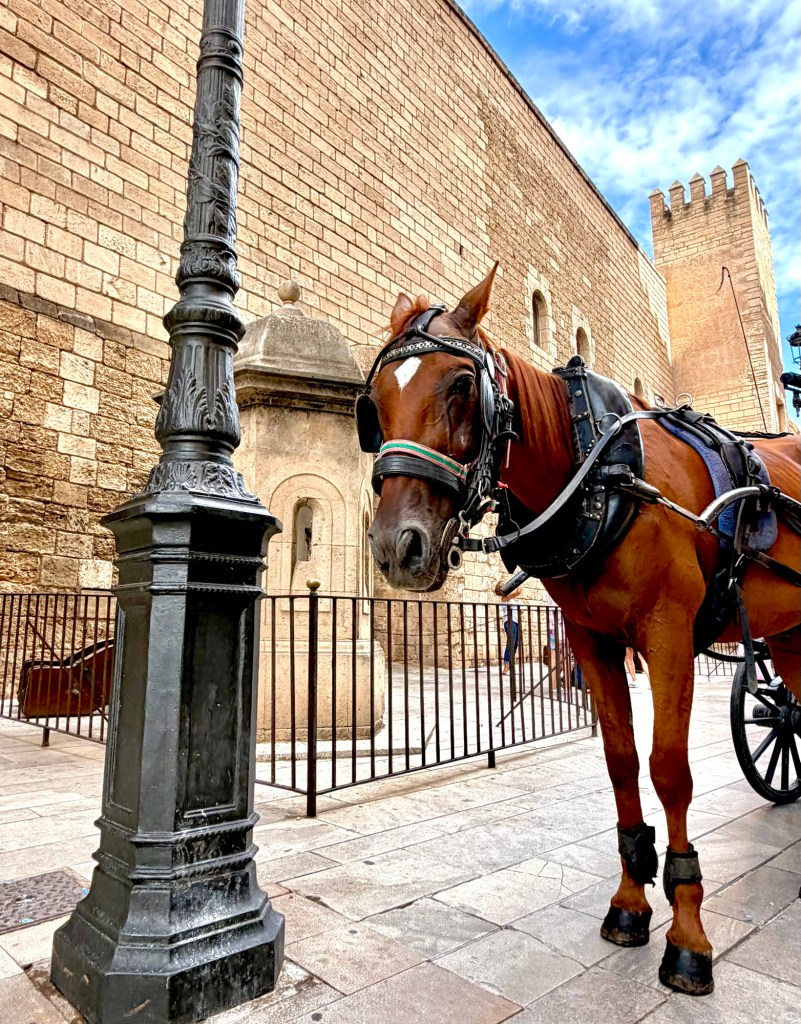
Behind the Doors of Palma: Can Vivot Palace
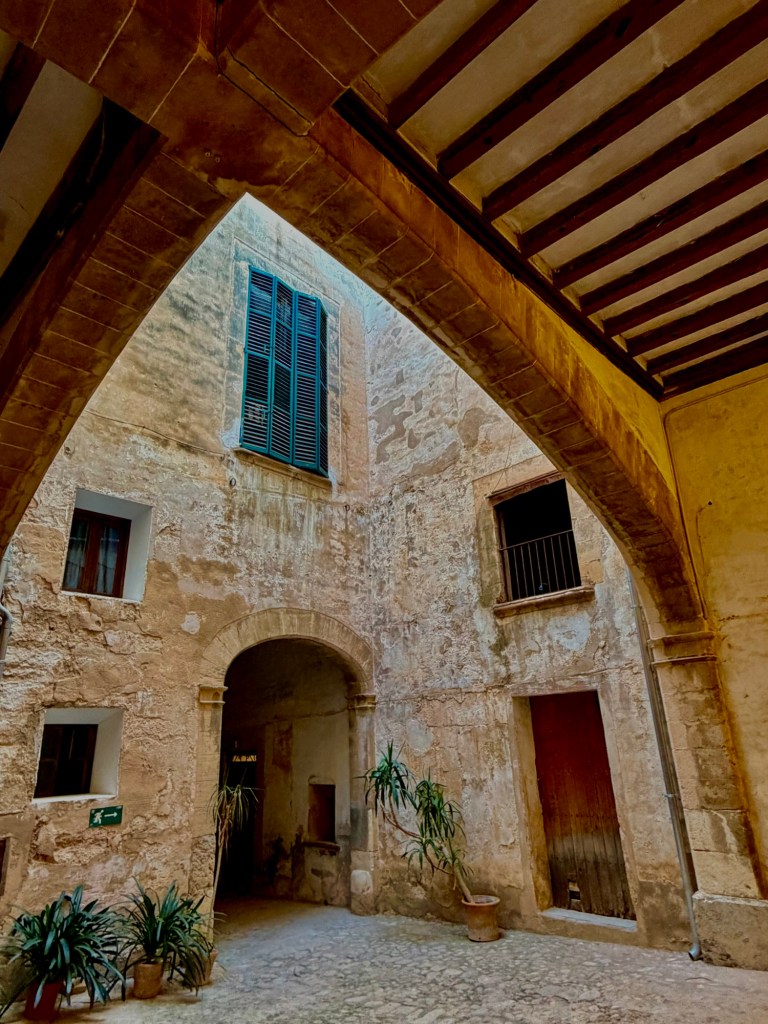
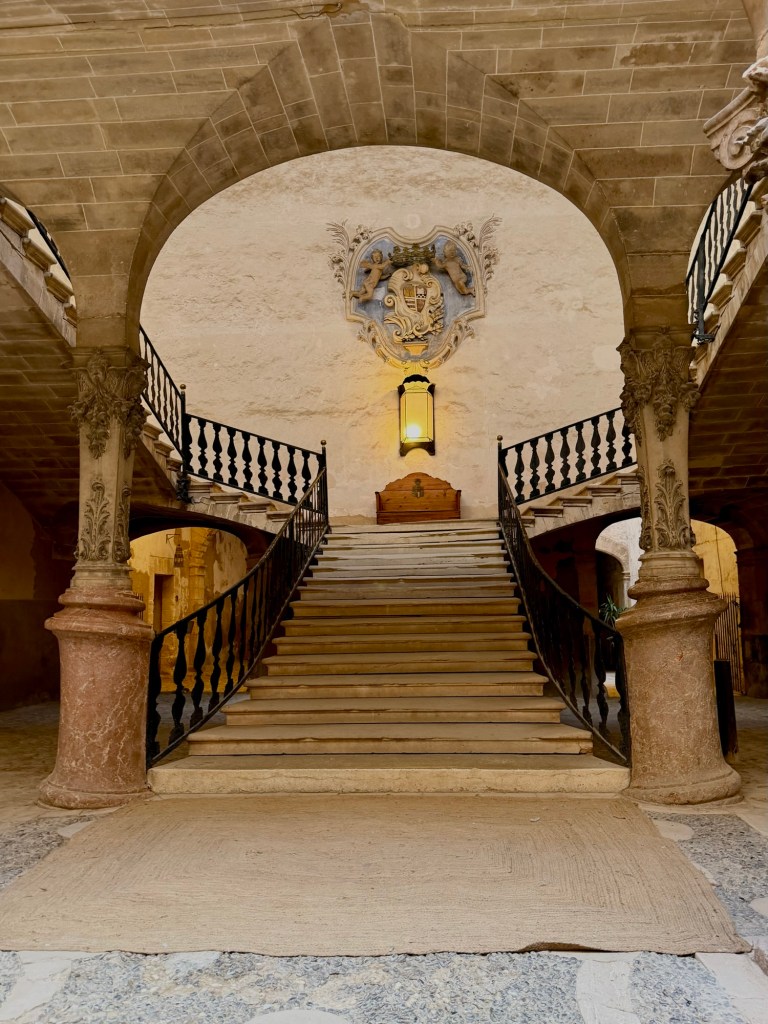
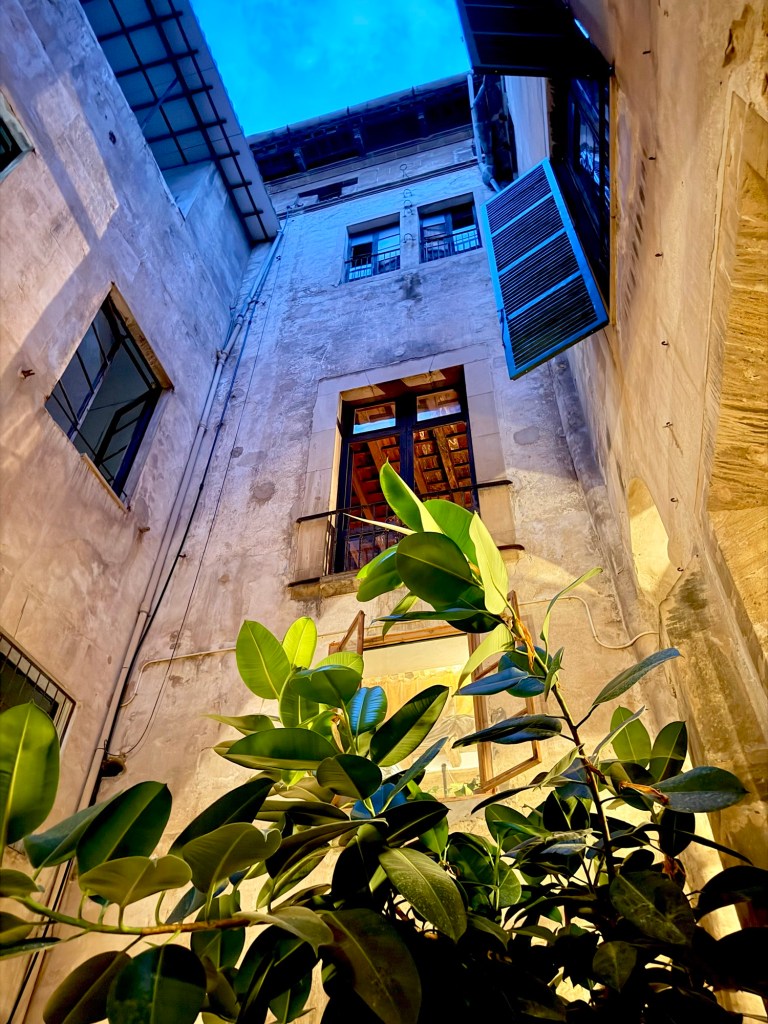
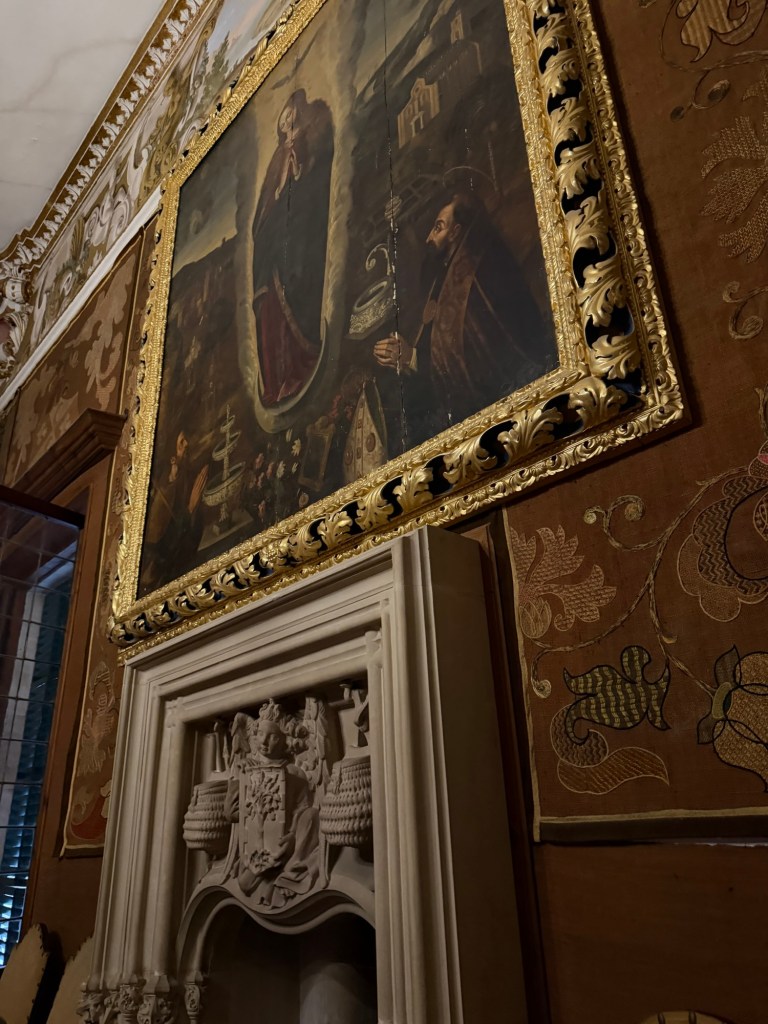
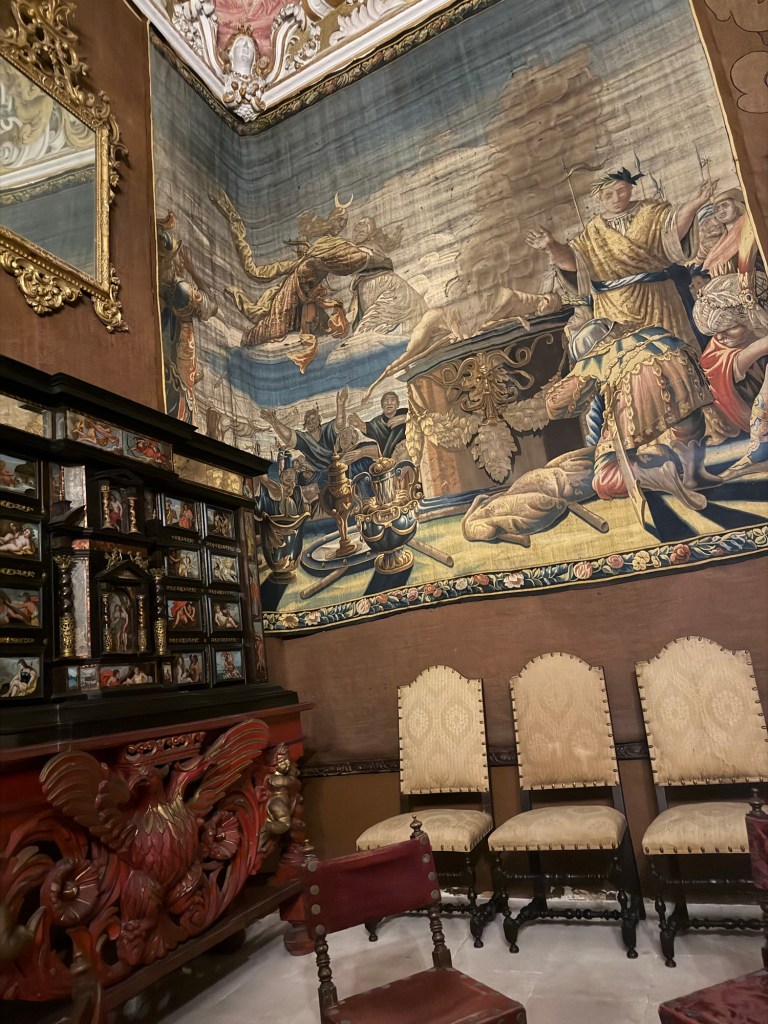
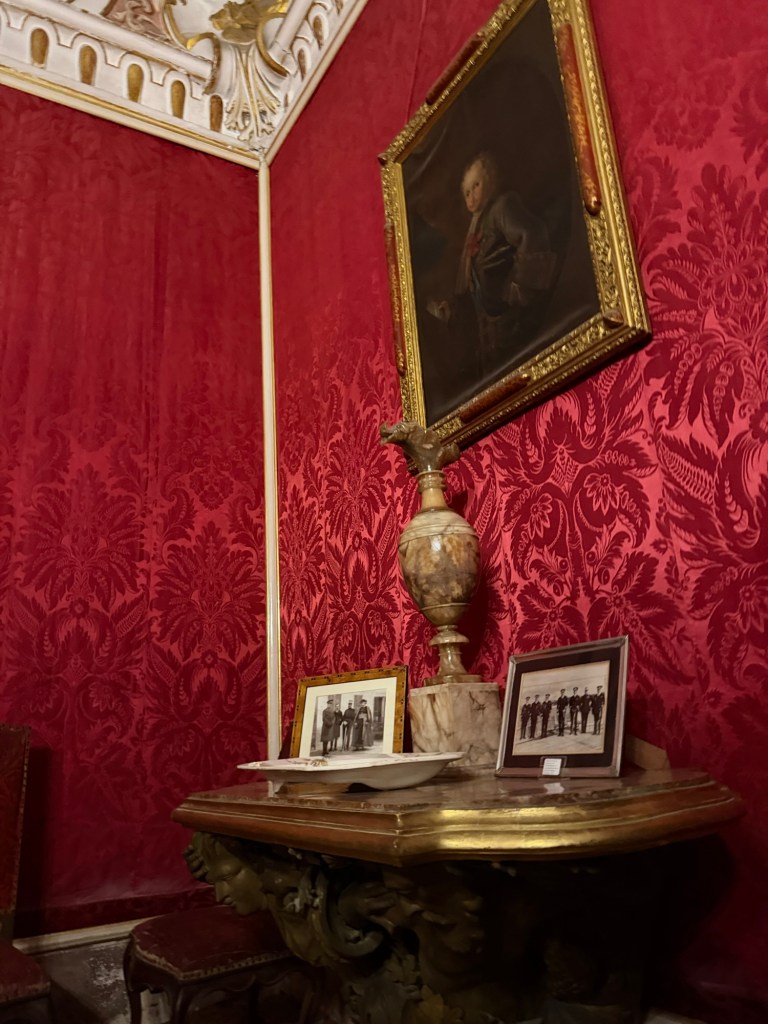
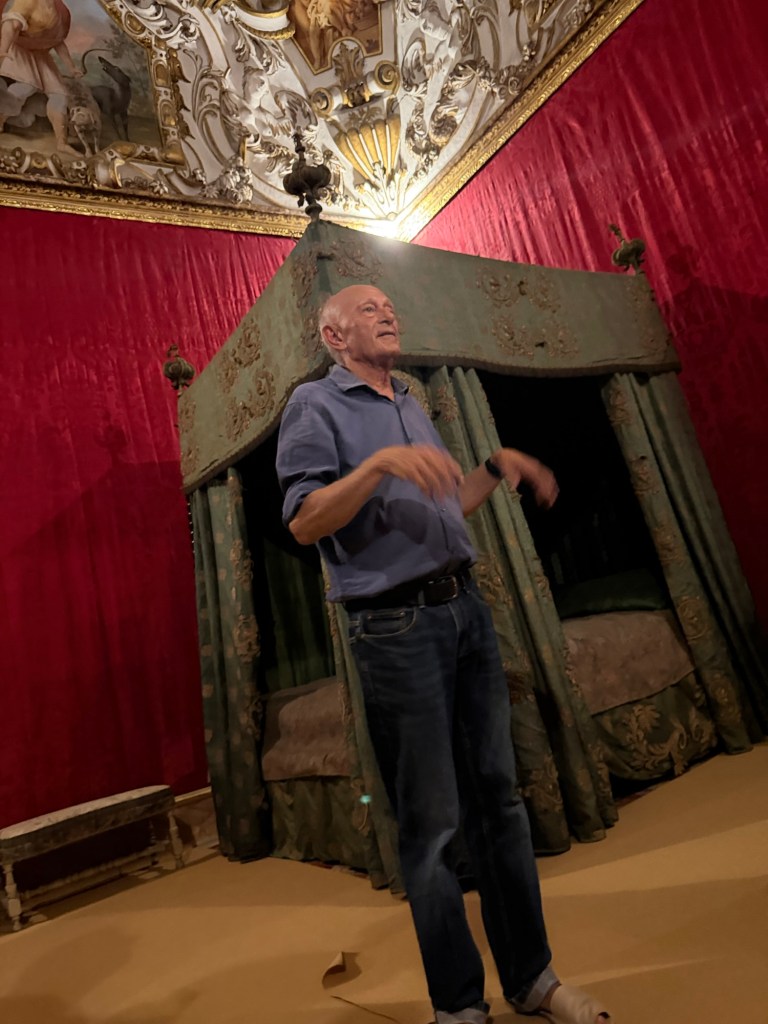
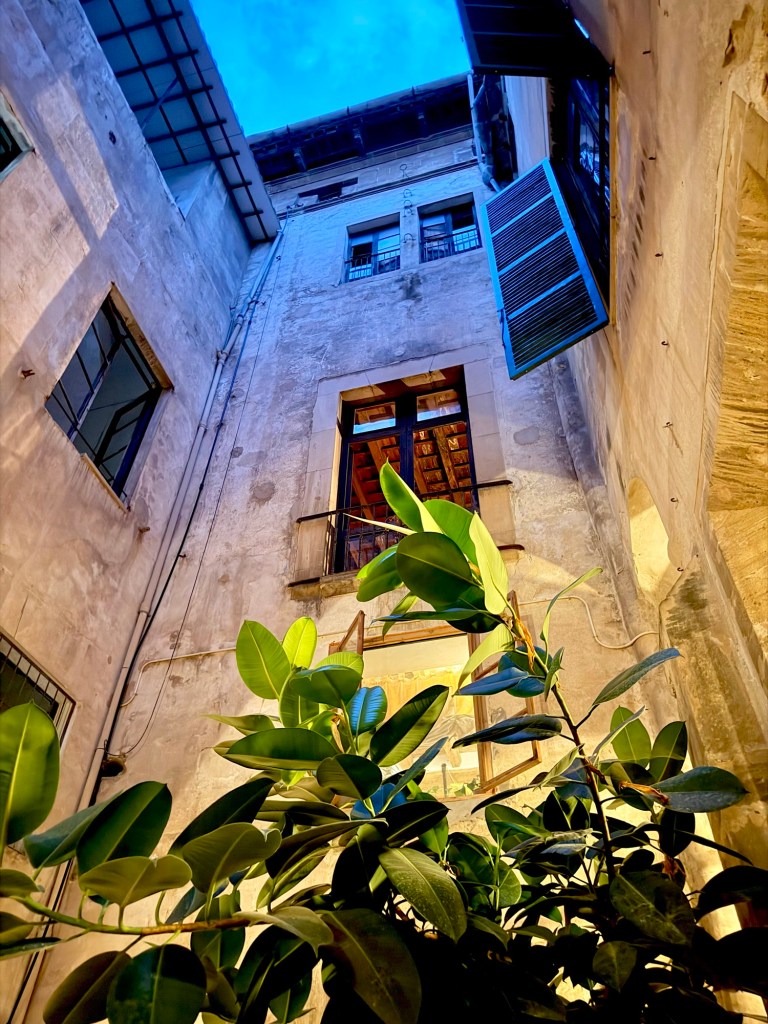
One of the most memorable discoveries in Palma was touring Can Vivot Palace, where the rather discreet exterior gives little indication of what lies beyond its doors.
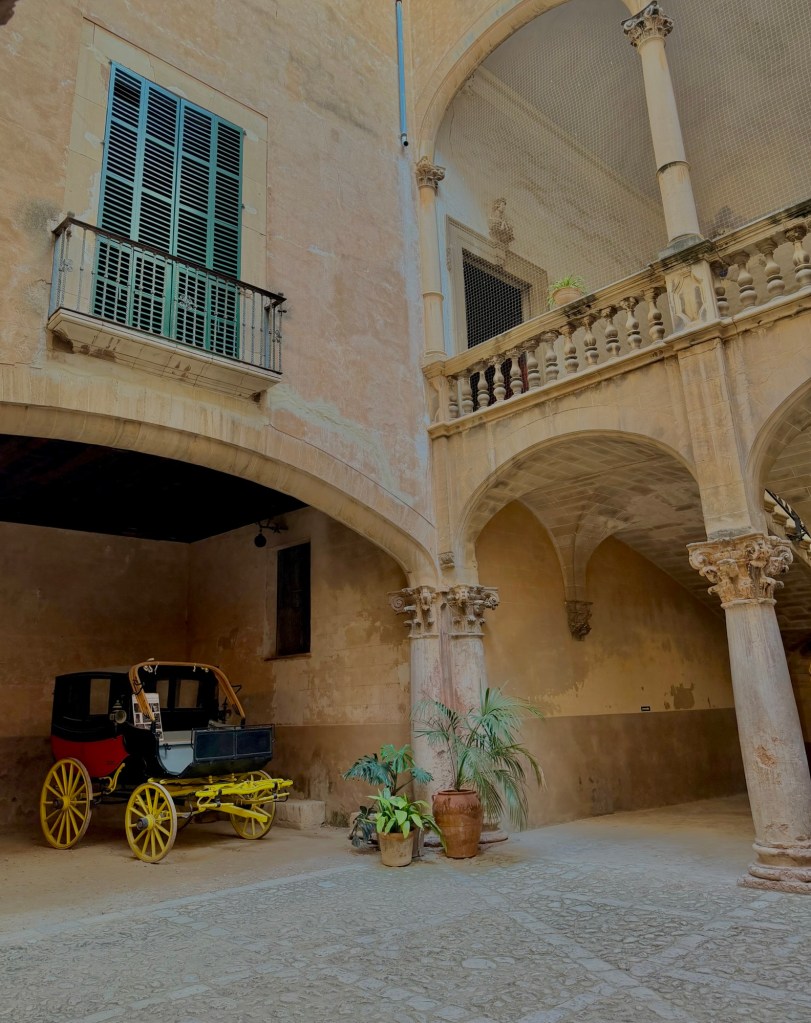
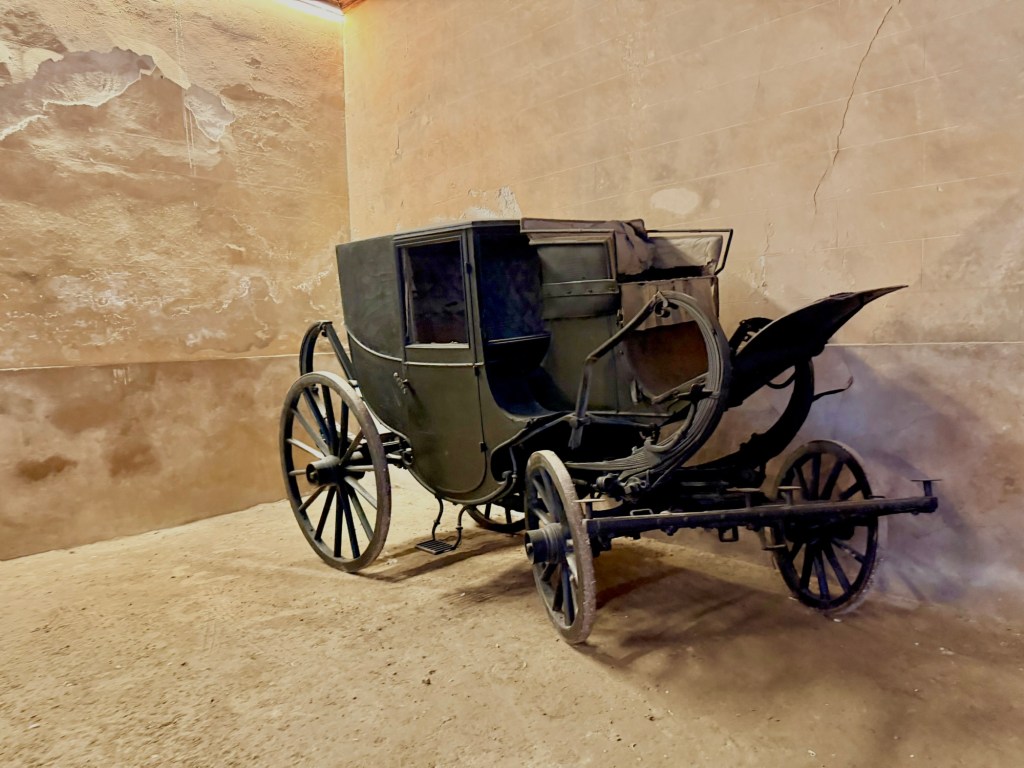
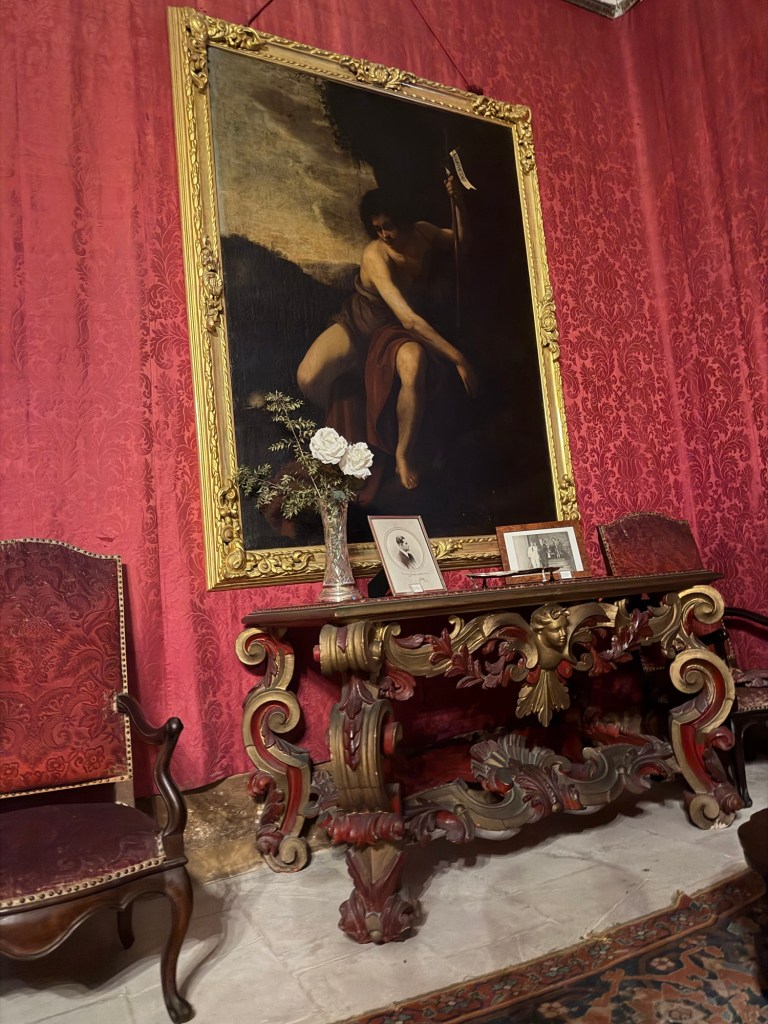
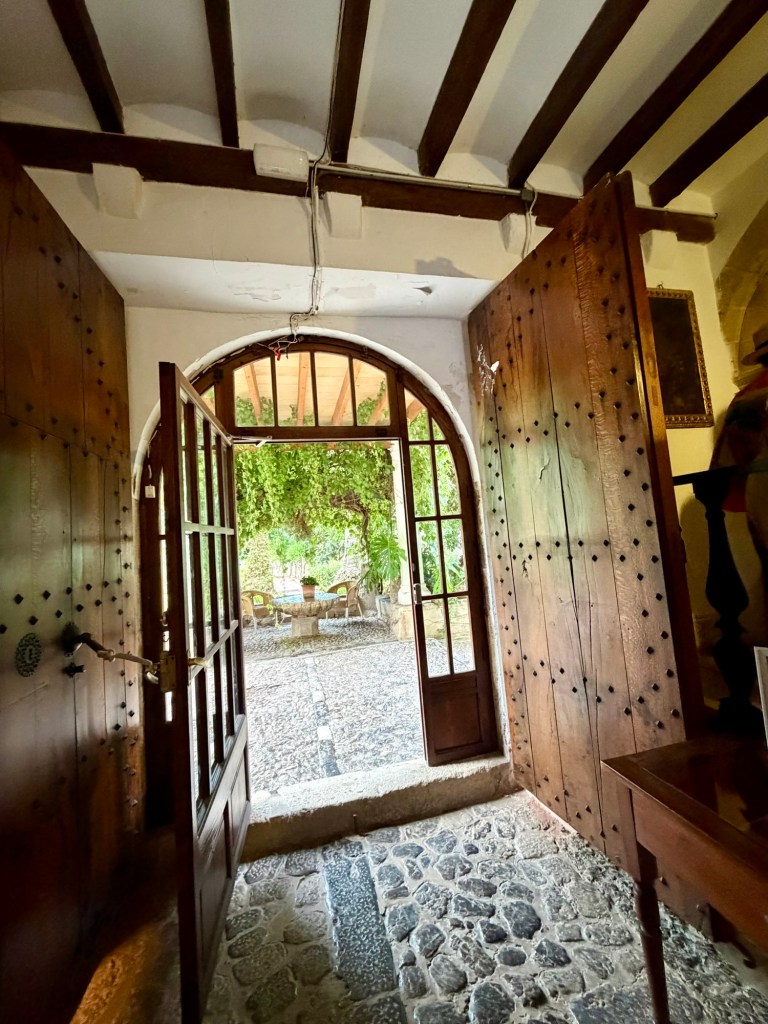
Stepping inside felt like entering another Palma entirely. The grand stone courtyard, elegant arches and sweeping staircase immediately evoke the world of the Mallorcan aristocracy. An old carriage standing beneath the arcades makes it particularly easy to imagine the palace in another era, when these courtyards were designed not just as entrances but as impressive stages for arrivals.
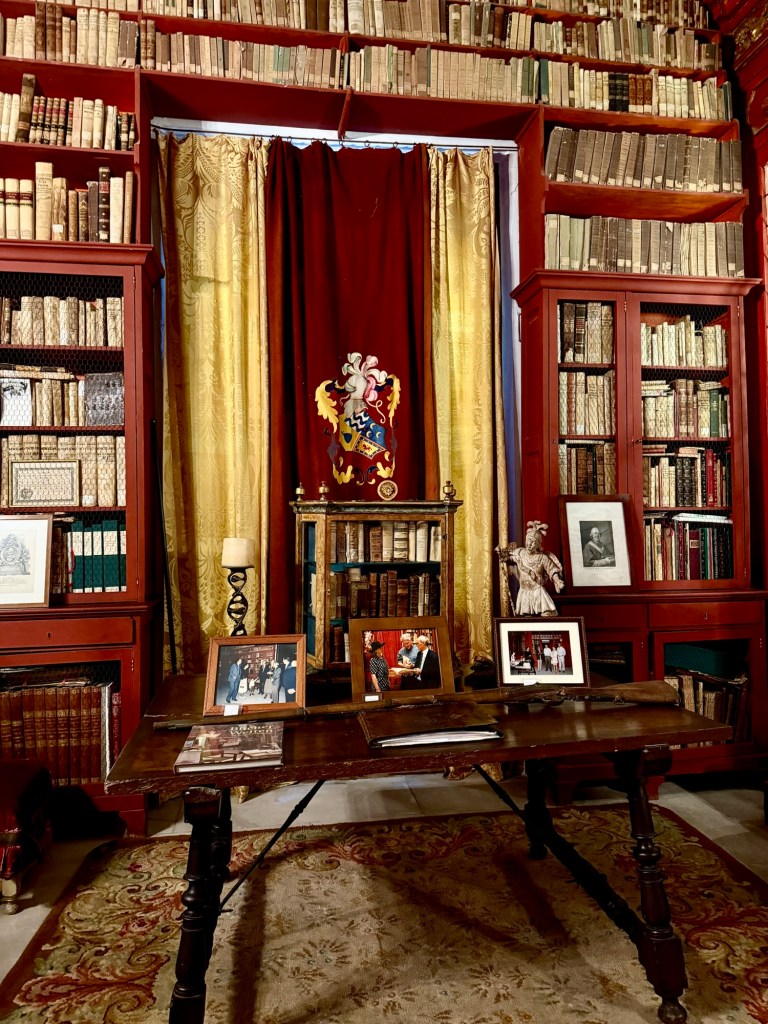
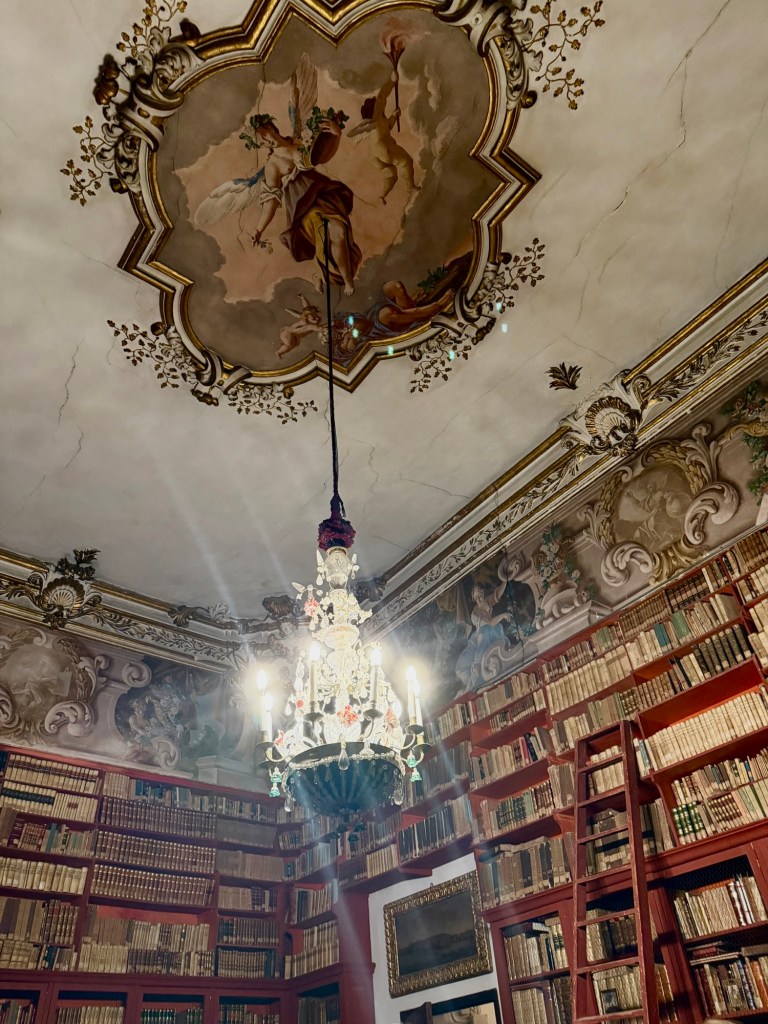
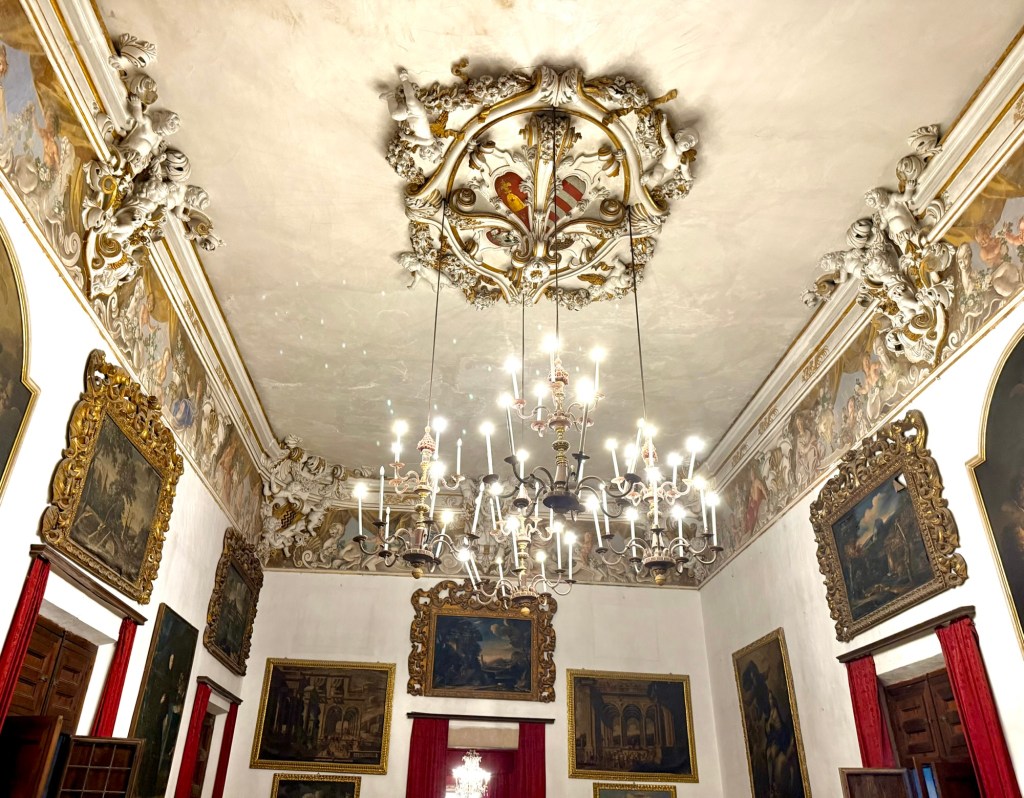
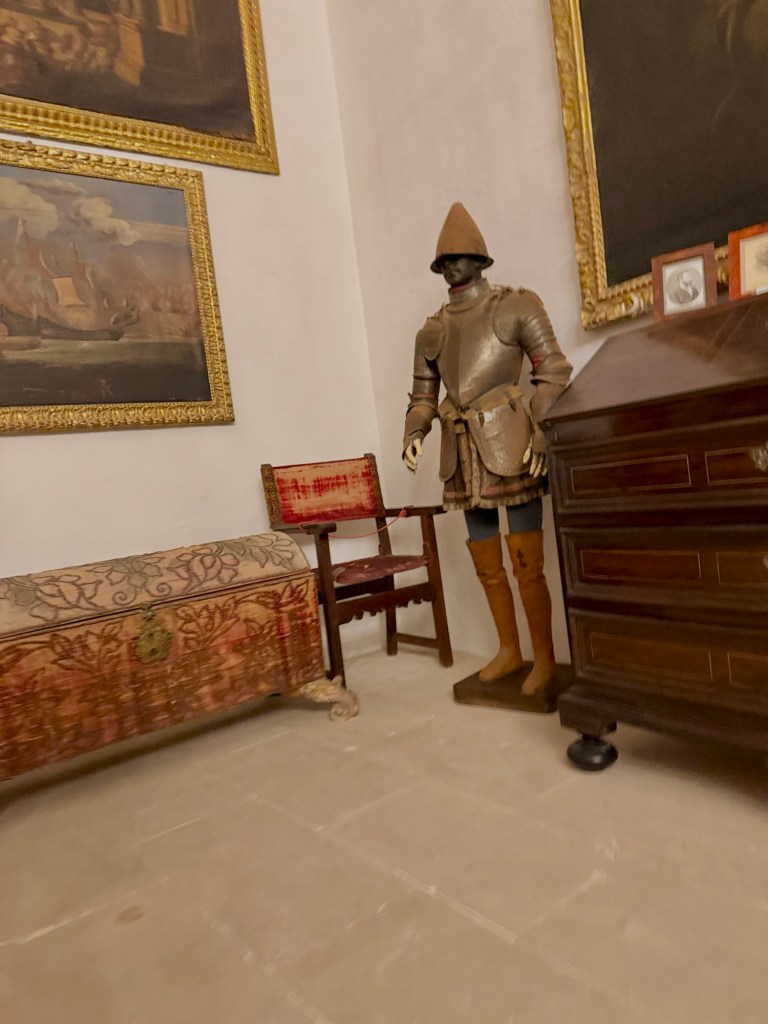
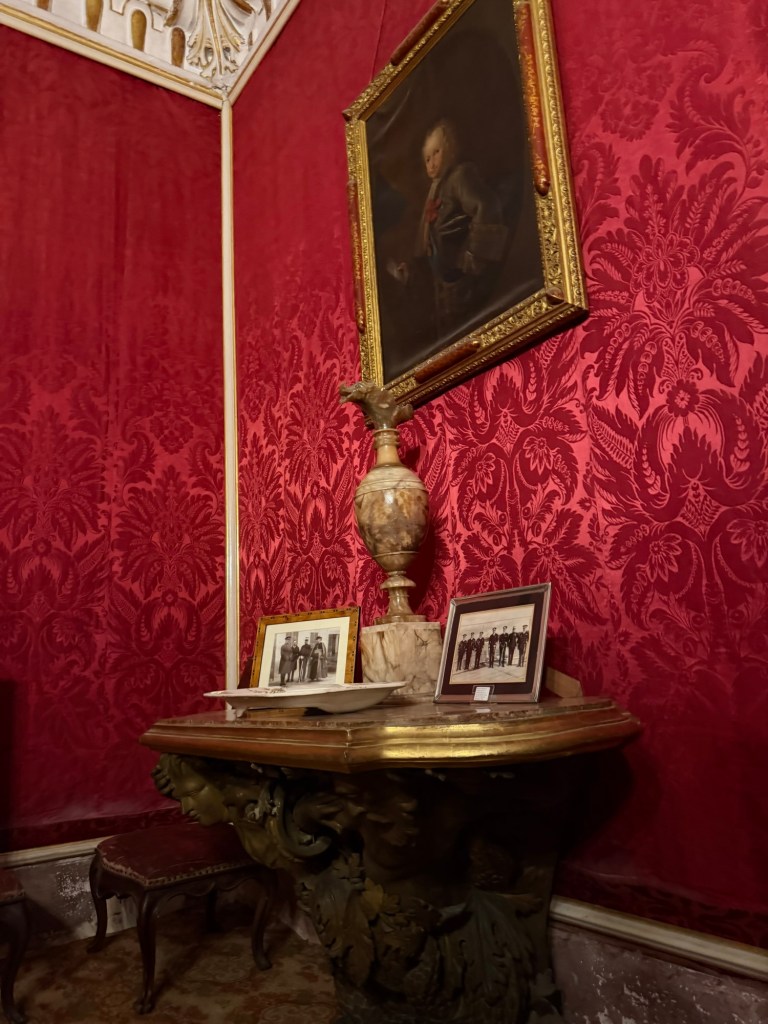
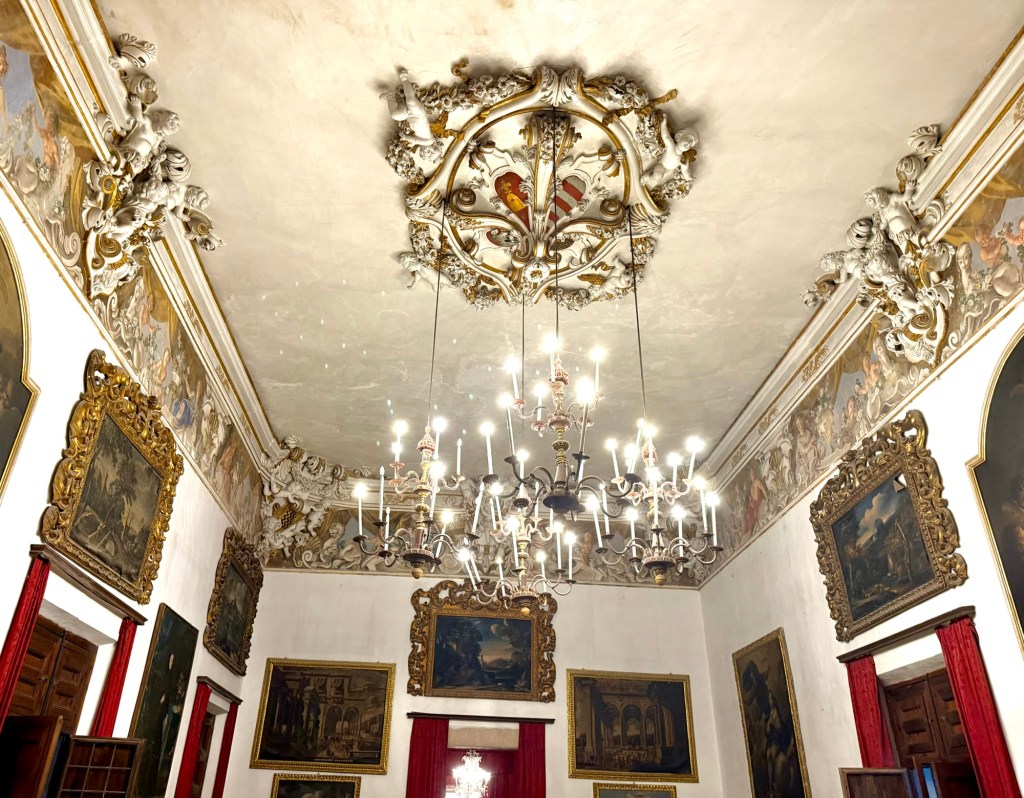
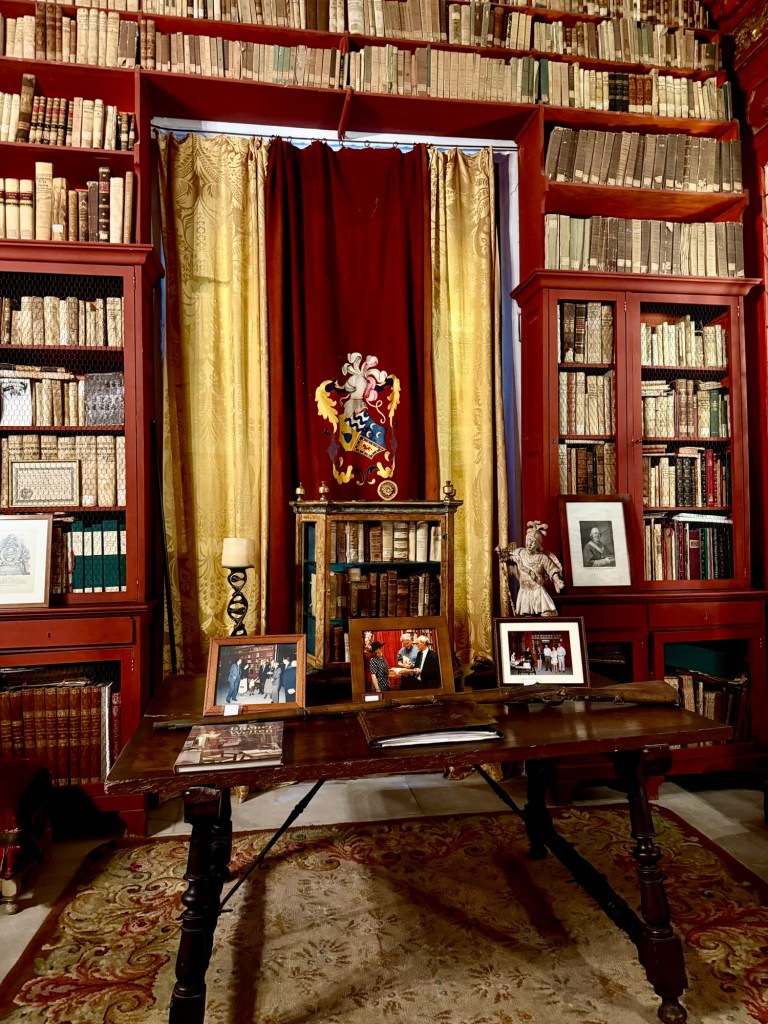
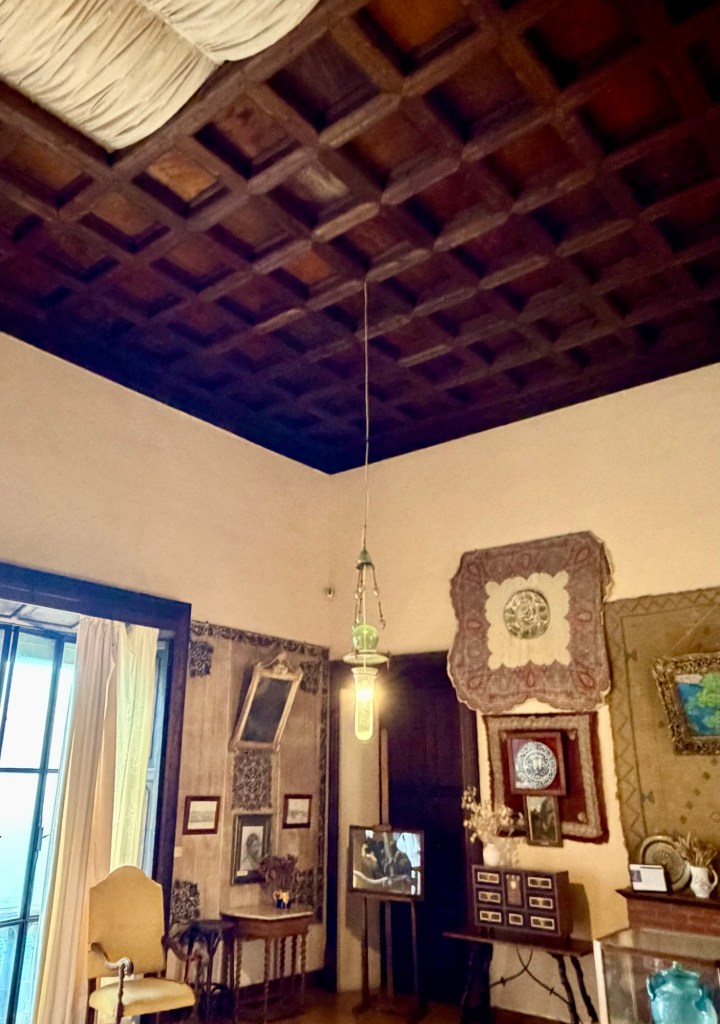
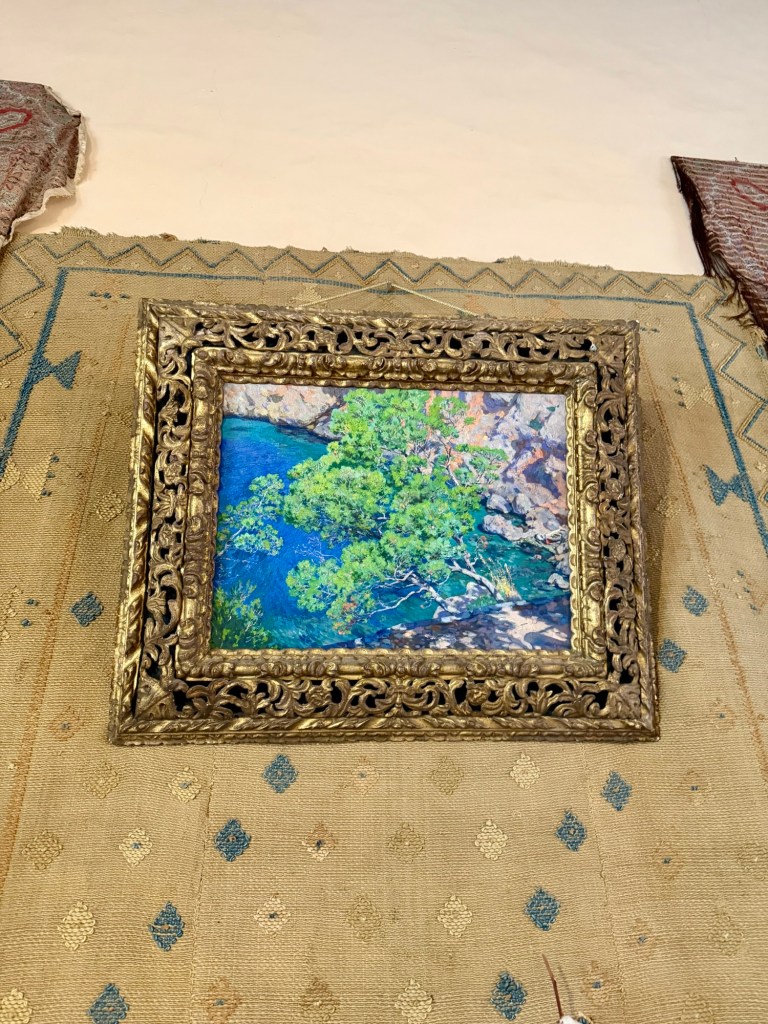
The rooms beyond are wonderfully atmospheric. Walls are covered with enormous tapestries and paintings, elaborate gilded frames compete for attention with decorative plasterwork, and shelves are crowded with beautifully aged books. Rather than feeling like a perfectly polished museum, the palace retains the character of a family home accumulated over generations. That sense of continuity is what makes it fascinating.
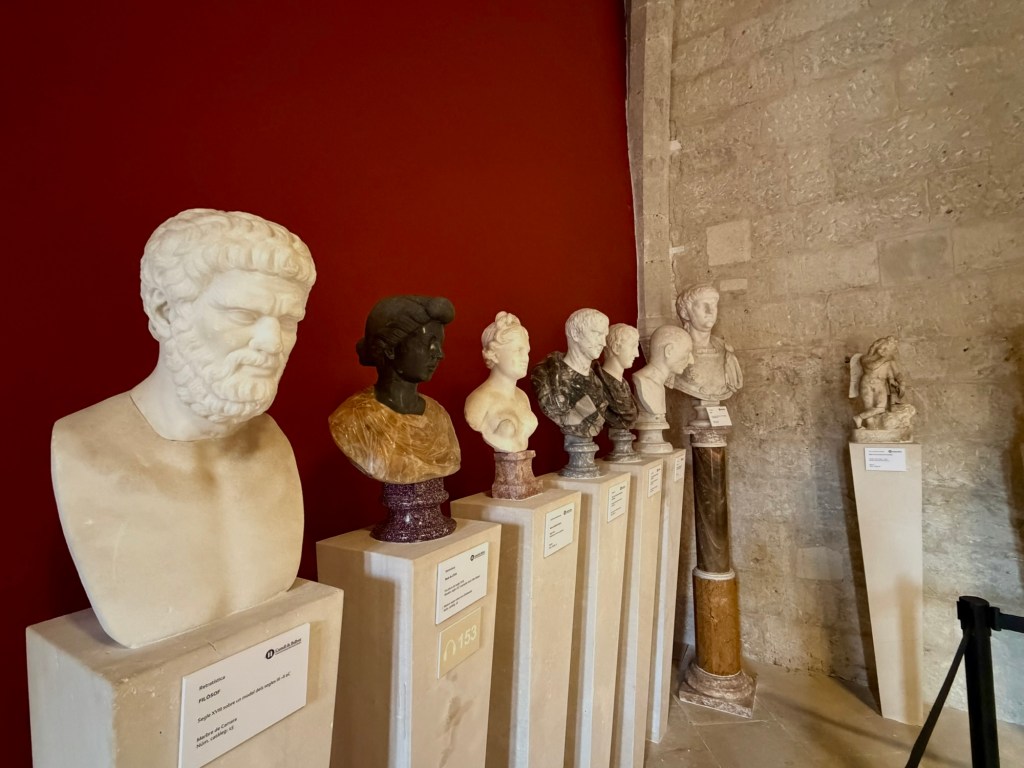
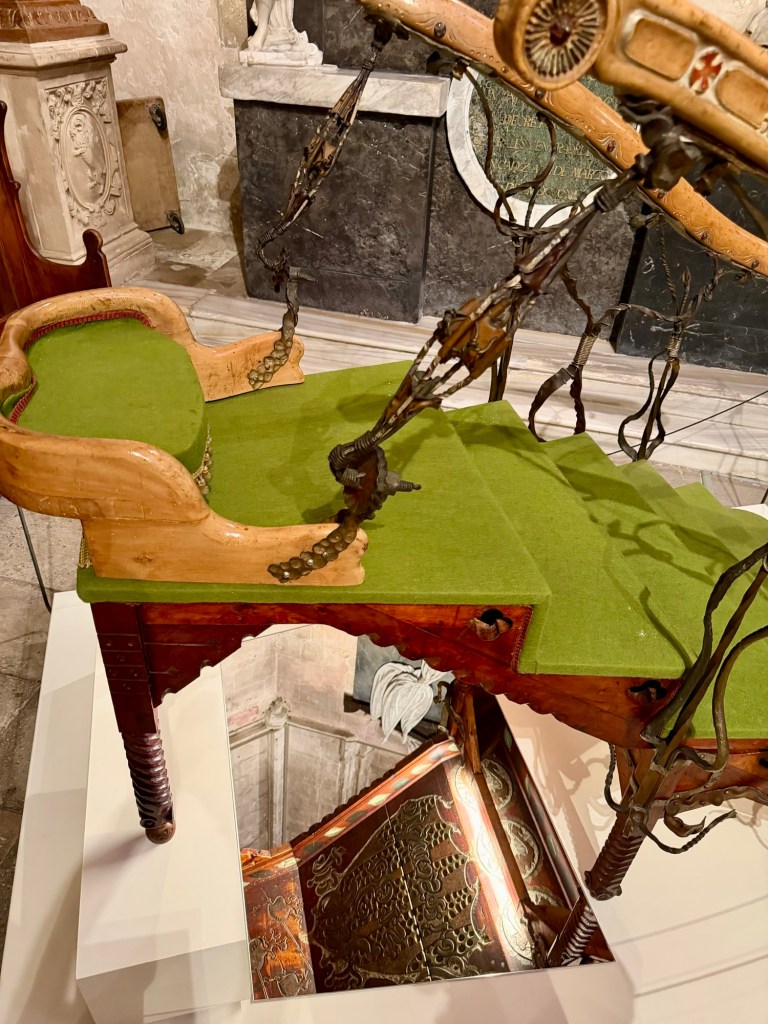
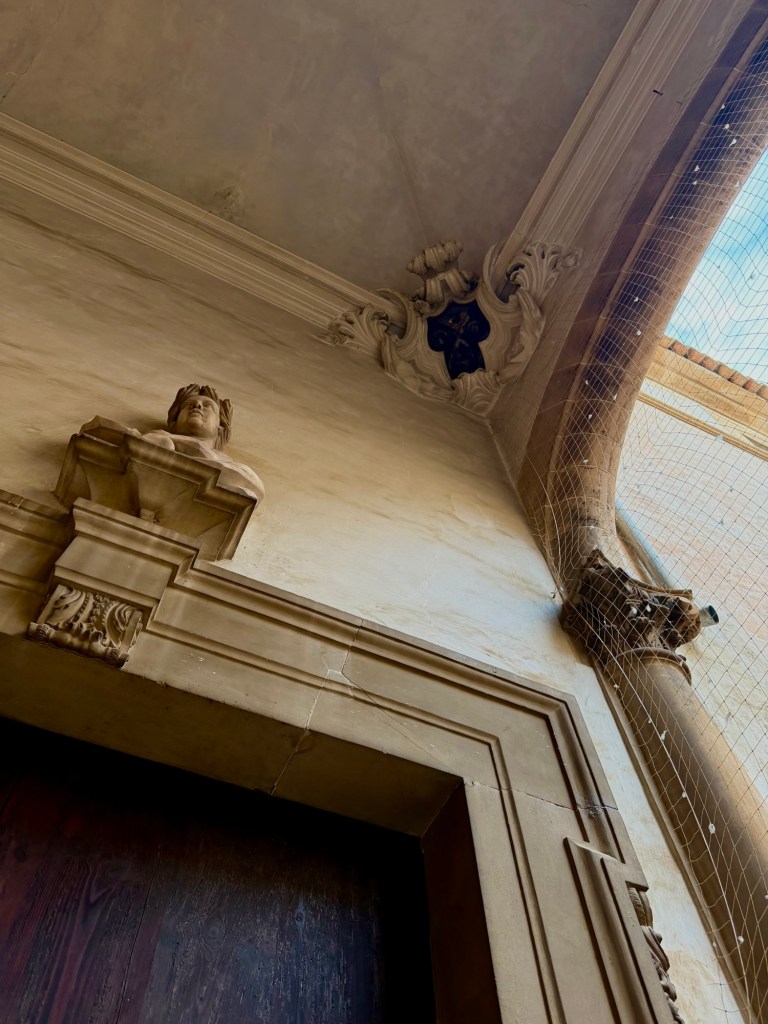
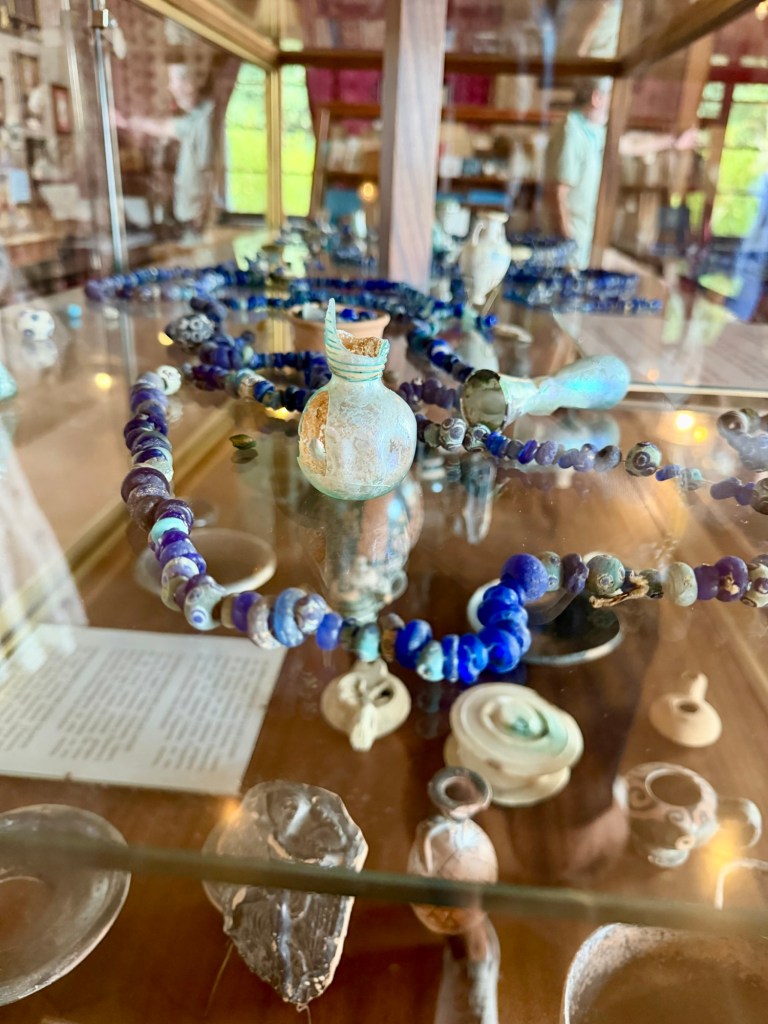
There are details everywhere: coats of arms above doorways, carved stone figures, ornate ceilings, chandeliers and antique furniture. Even the old carriages preserved within the palace add another layer to the story.
But the most unexpected moment of the visit was considerably more lively.
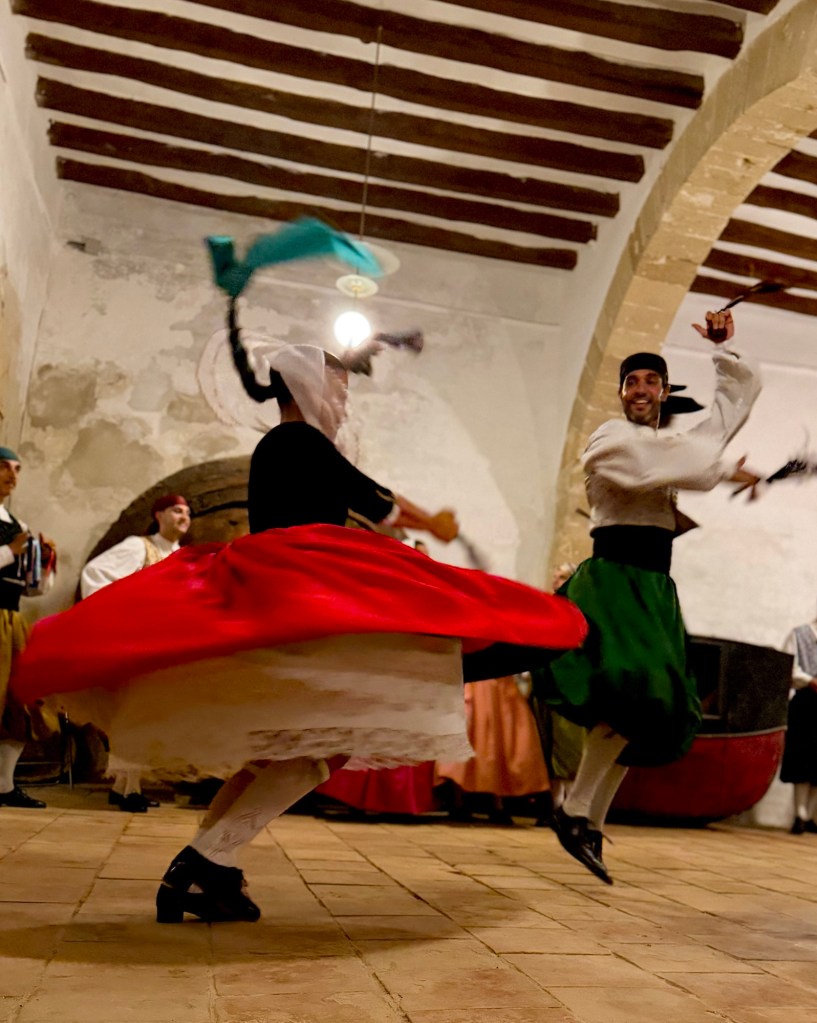
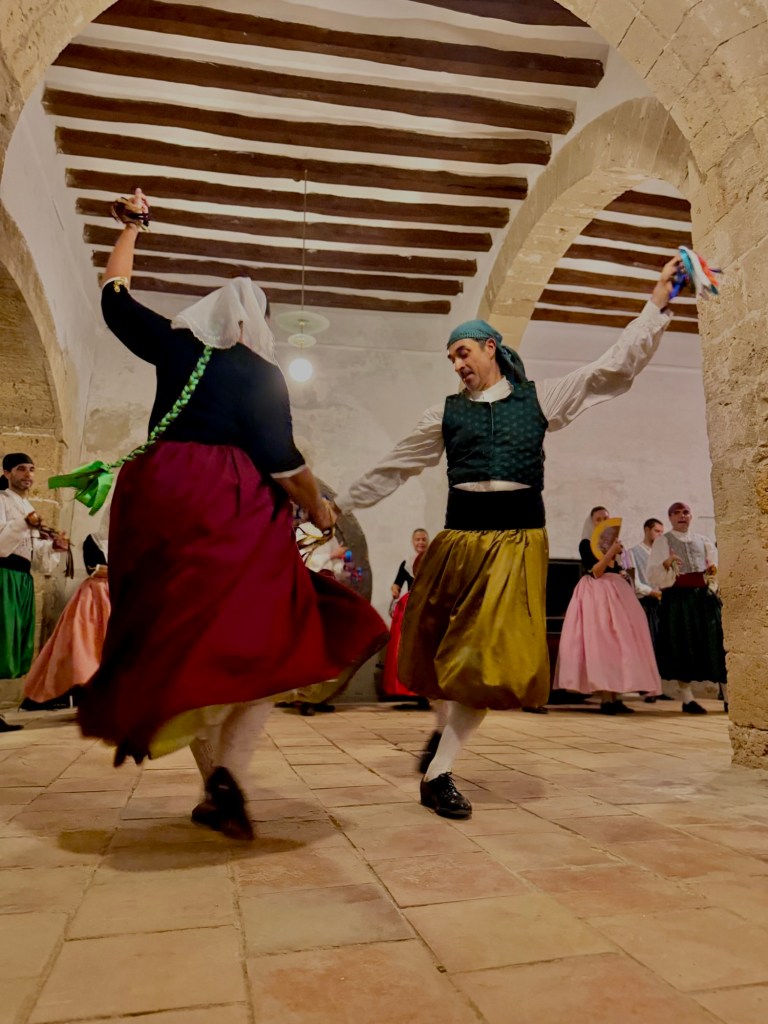
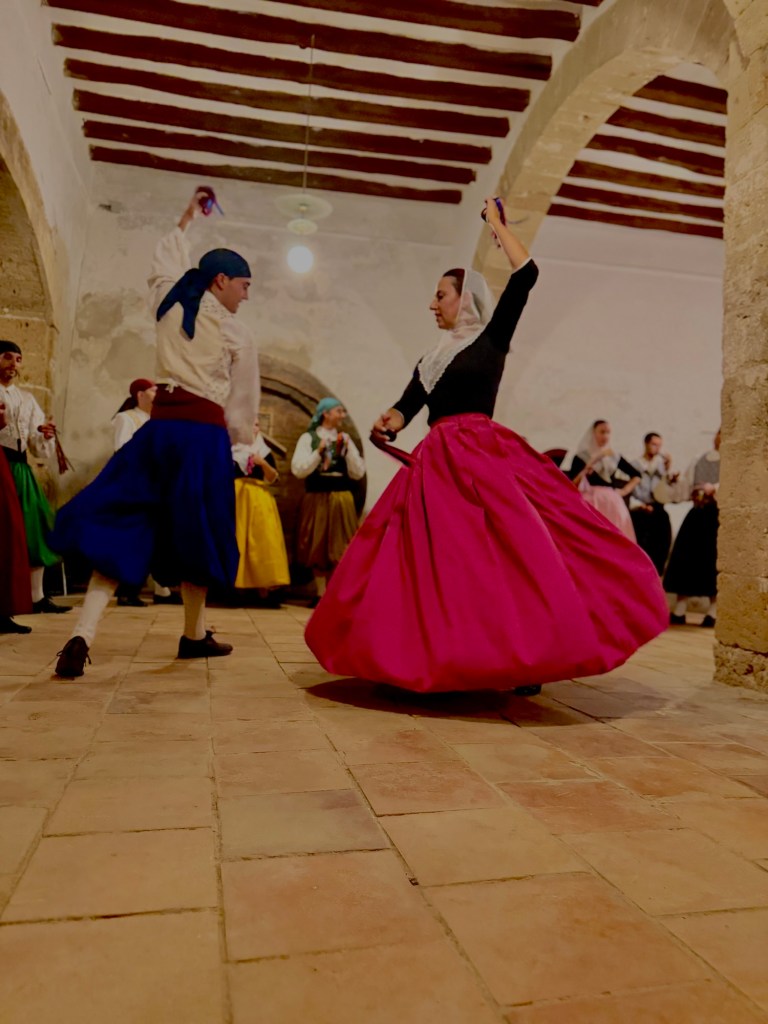
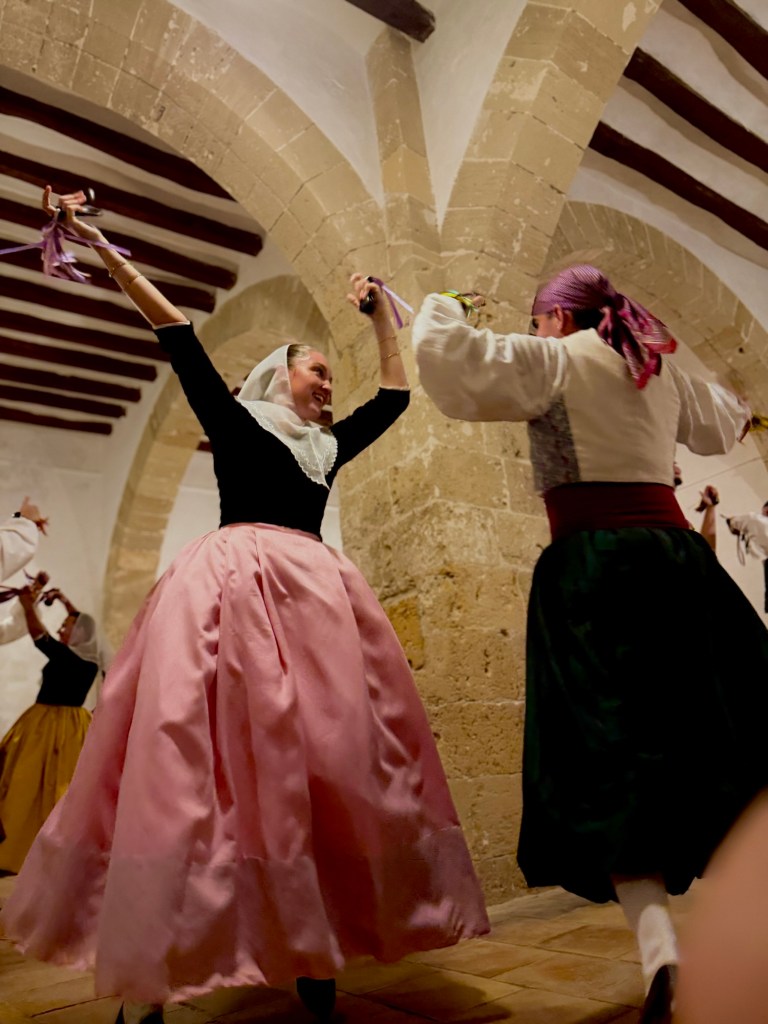
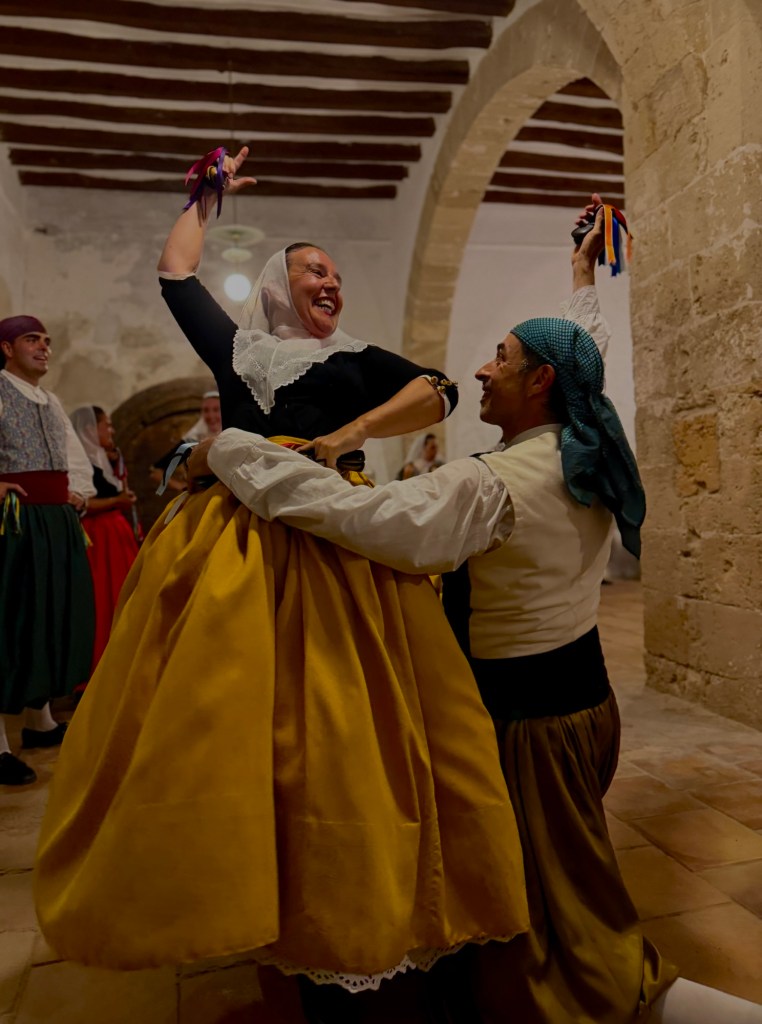
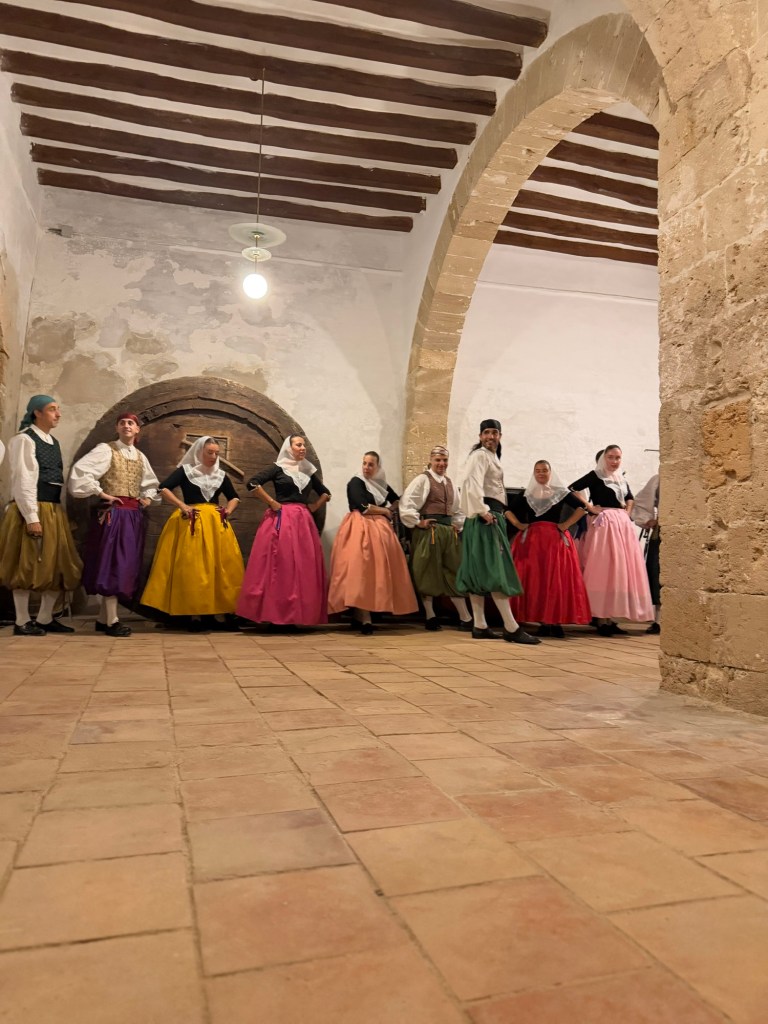
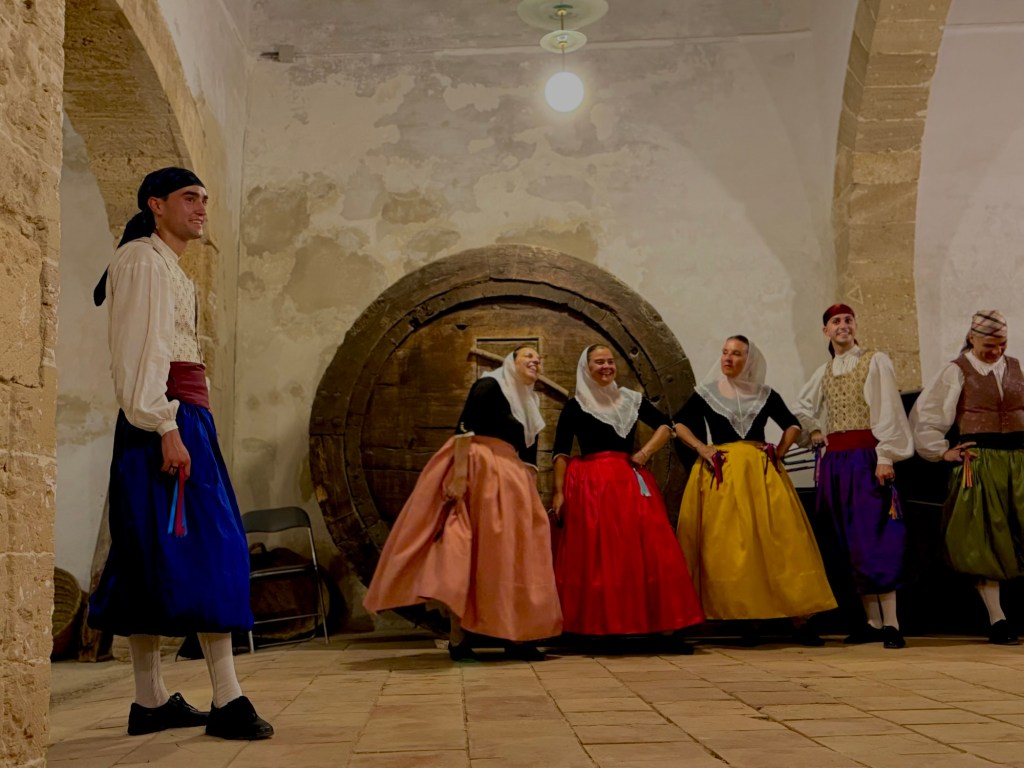
We were treated to a performance of traditional Mallorcan dancing, accompanied by dancers in colourful traditional dress. Against the muted stone walls and timbered ceiling, the swirling skirts — brilliant reds, pinks, greens and blues — seemed to fill the room. It transformed the visit from simply looking at Mallorca’s past into seeing part of its cultural heritage very much alive.
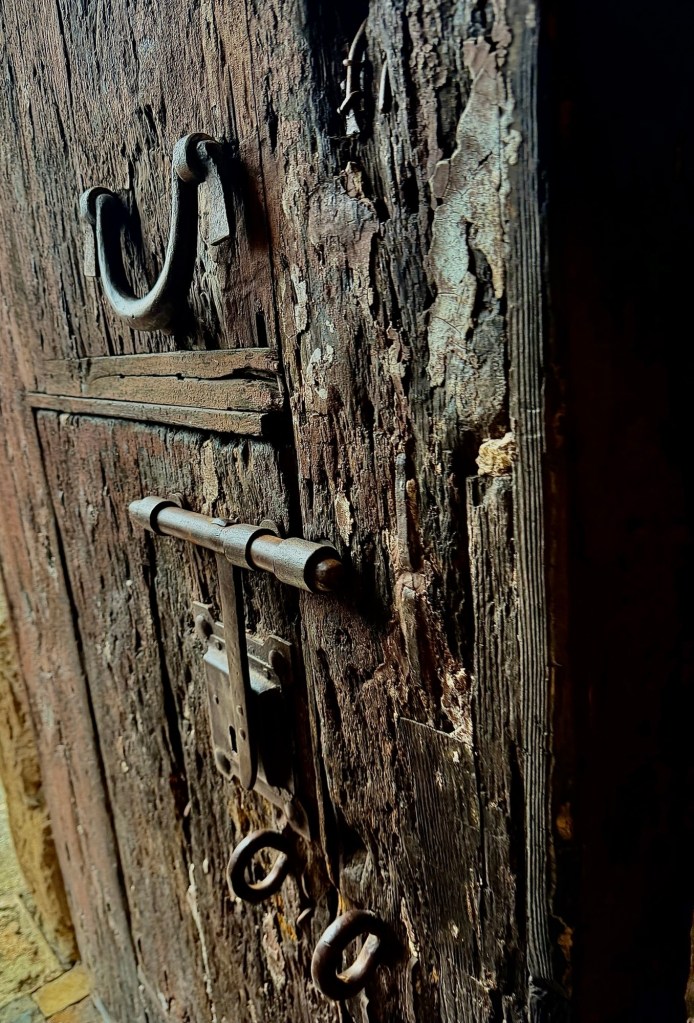
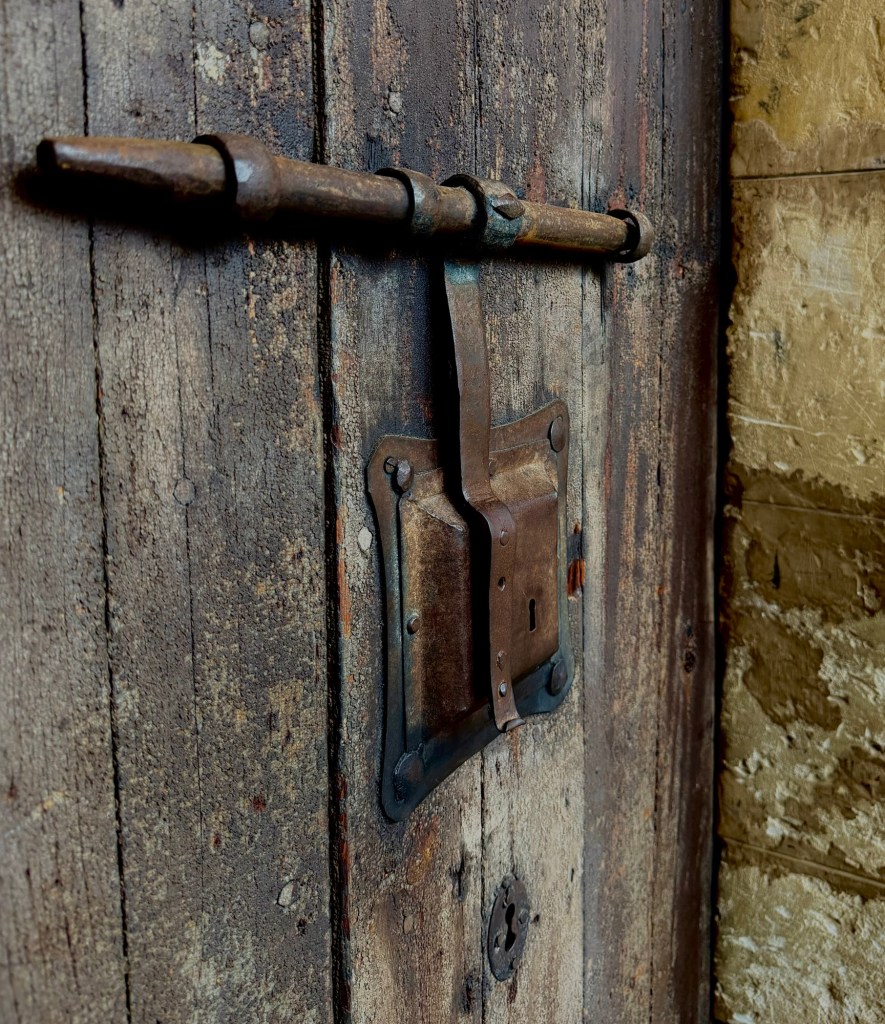
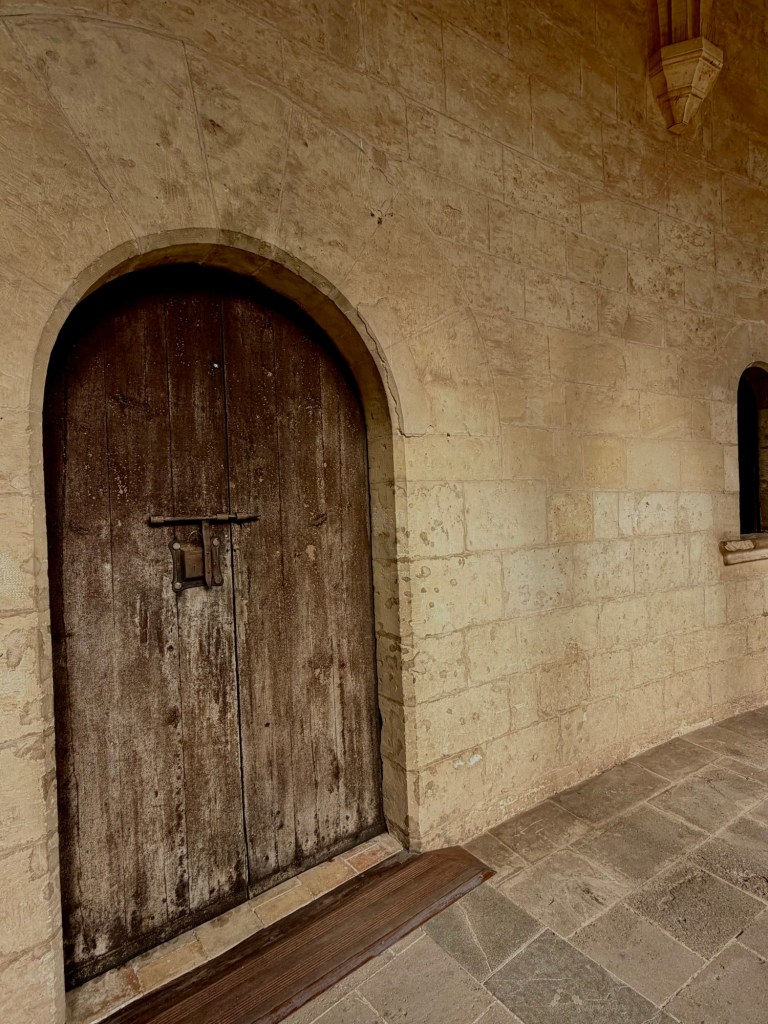
Can Vivot also changed the way I looked at Palma afterwards. Walking through the old quarter, it becomes tempting to wonder what lies behind every heavy wooden doorway and stone façade. Some conceal simple courtyards; others, perhaps, another extraordinary piece of the city’s history.
Palma’s grandest sights may dominate the skyline, but places like Can Vivot reveal the more intimate story hidden behind its walls.
Valldemossa: Stone, Mountains and Chopin
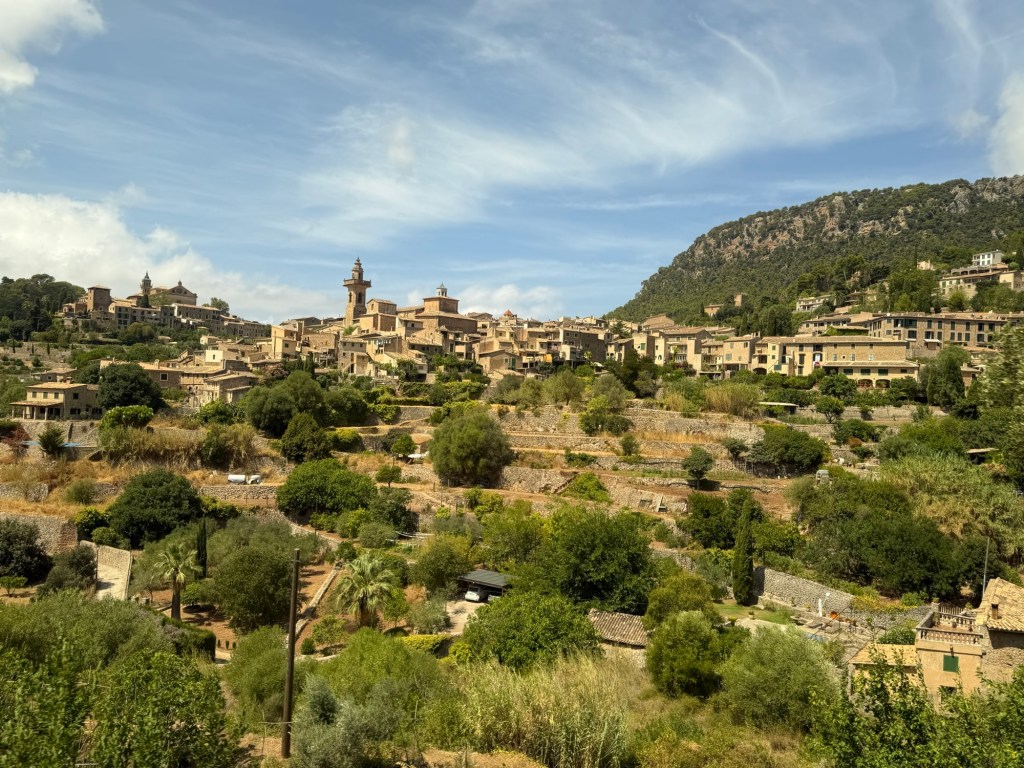
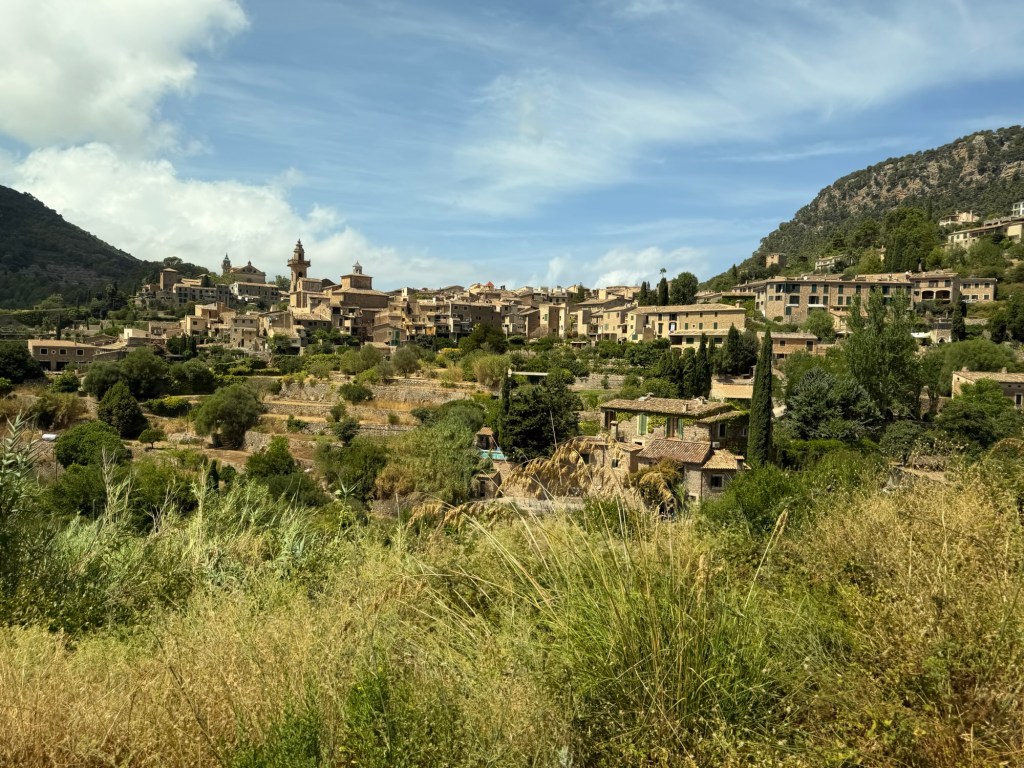
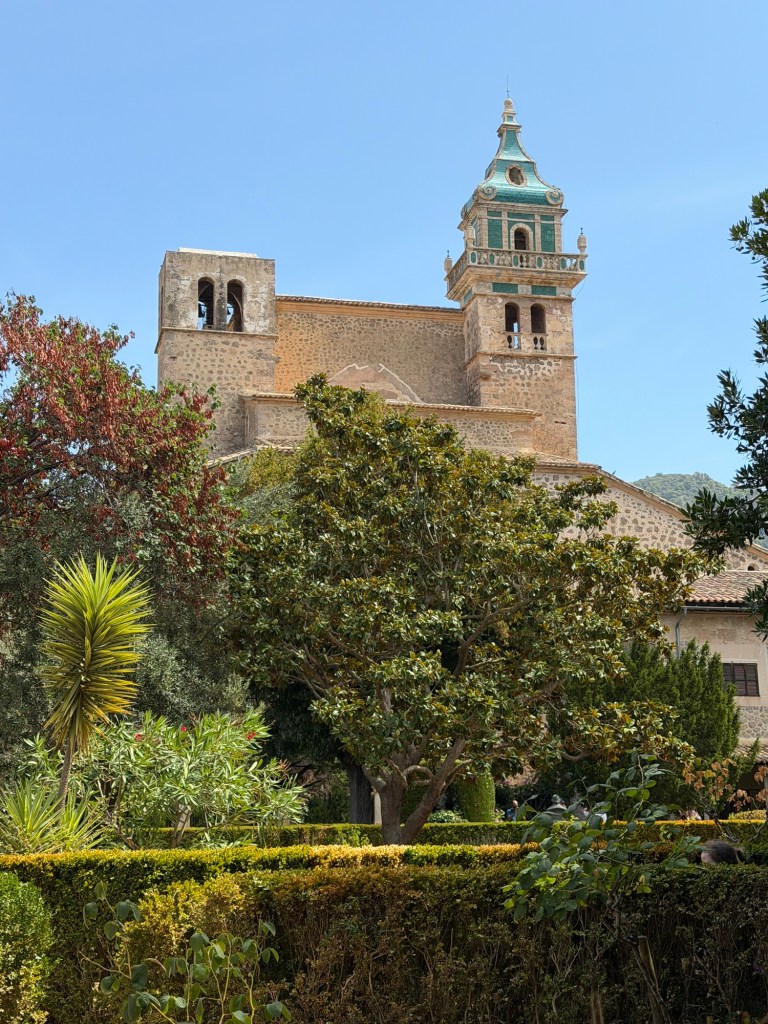
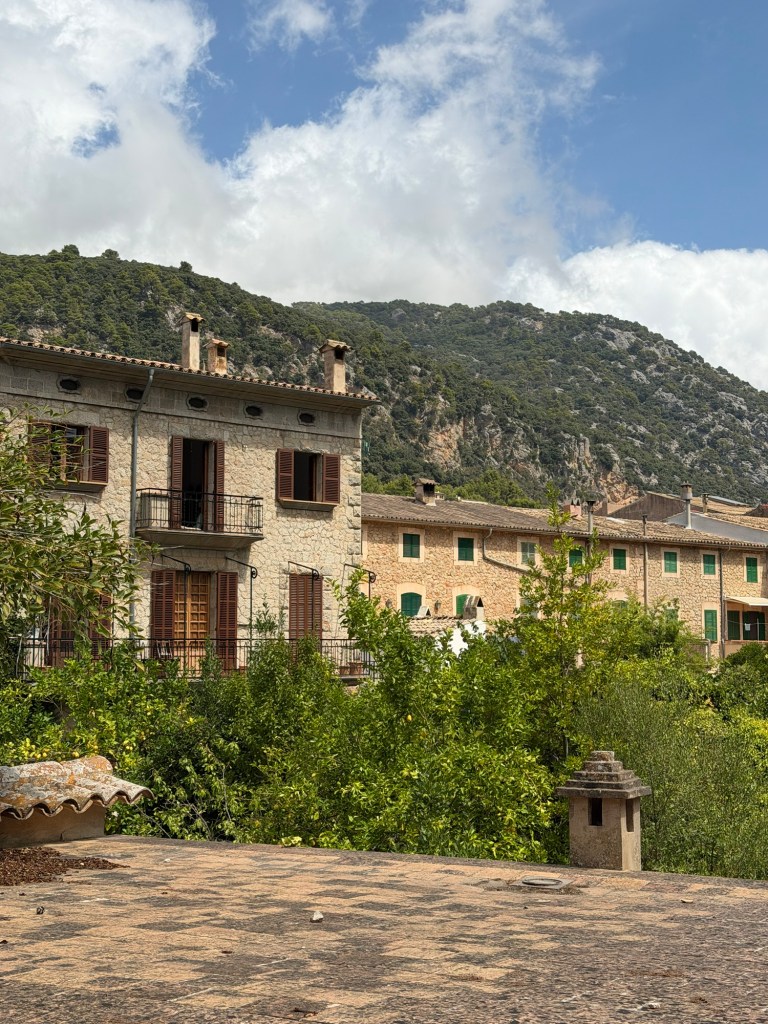
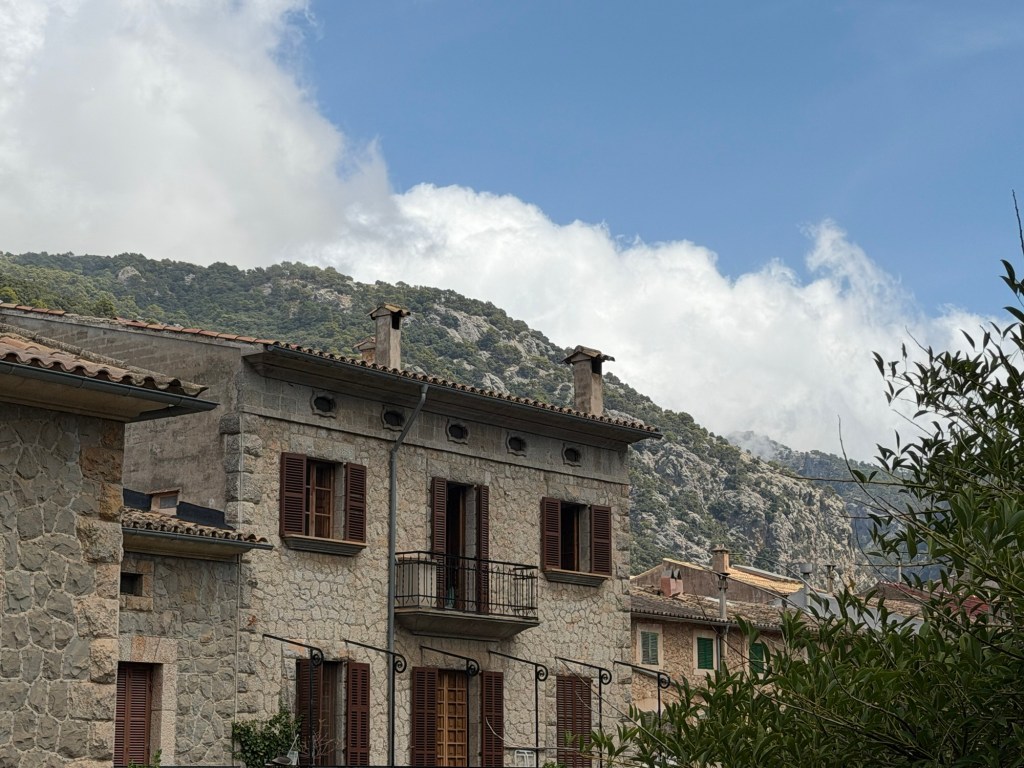
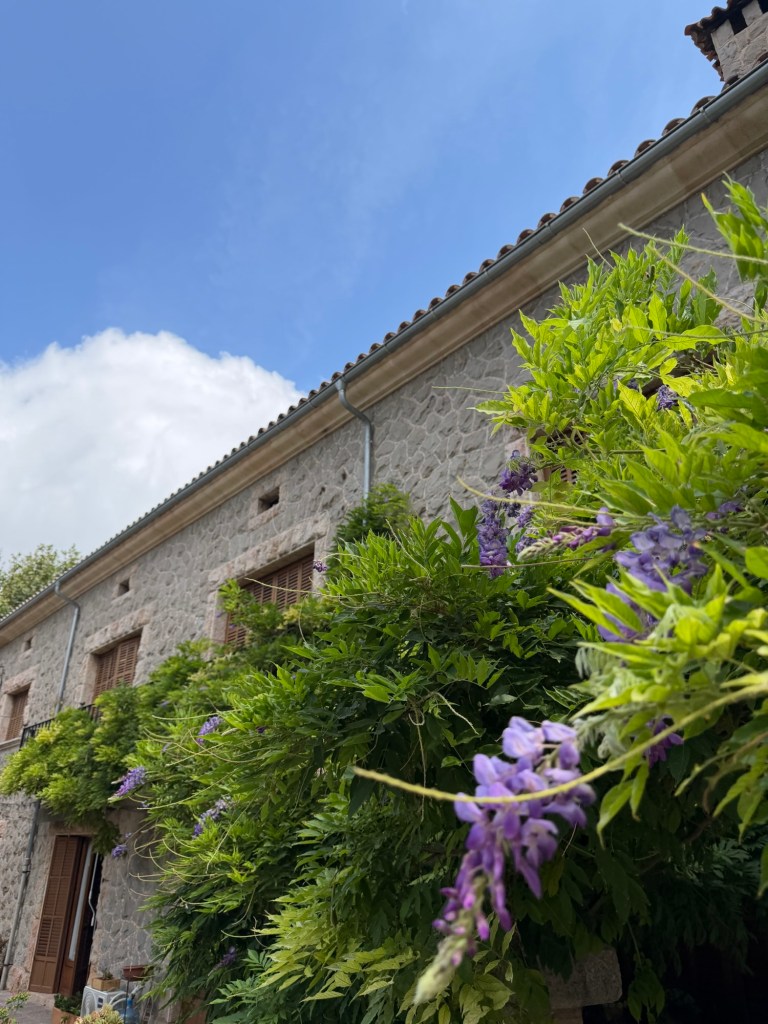
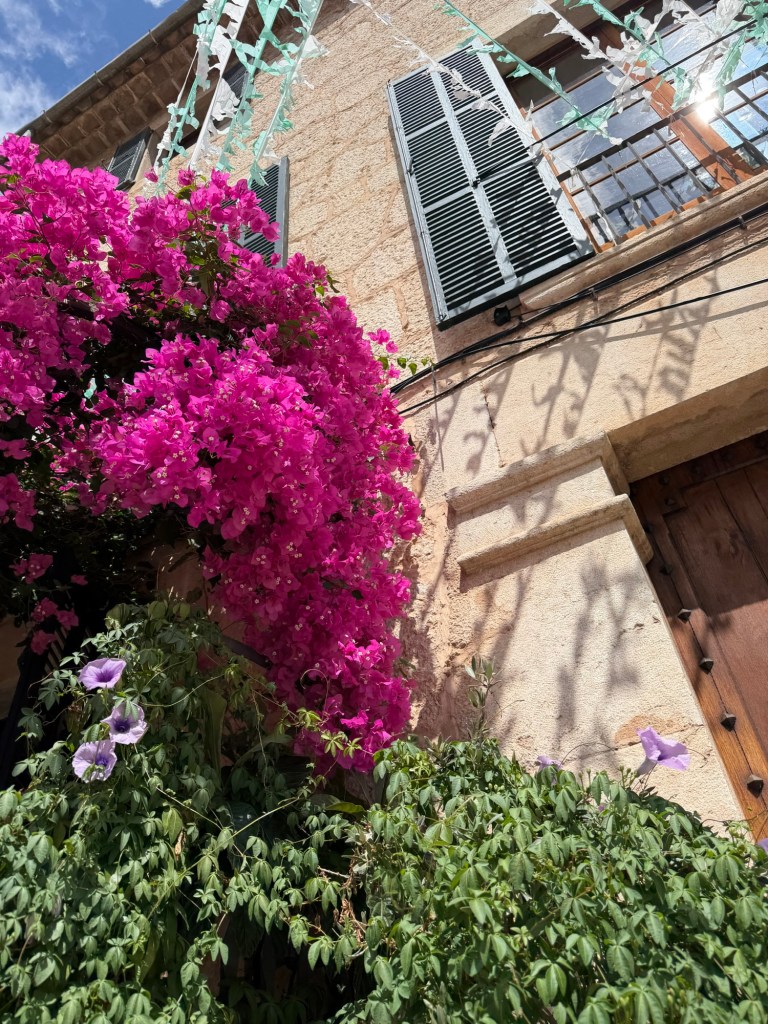
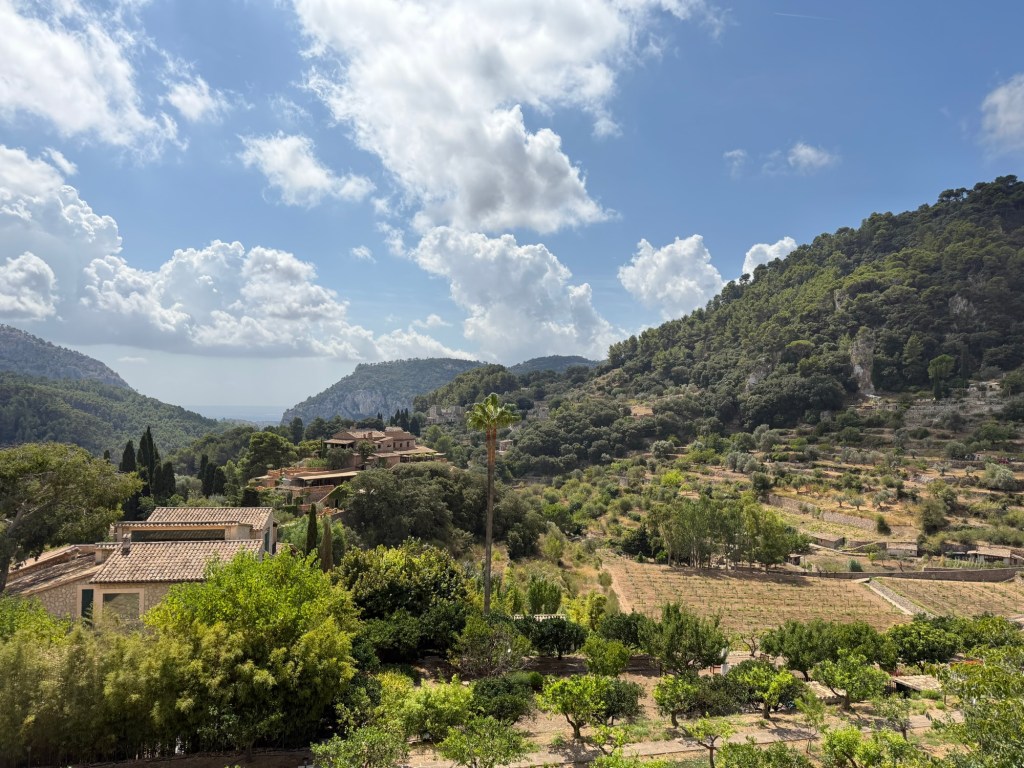
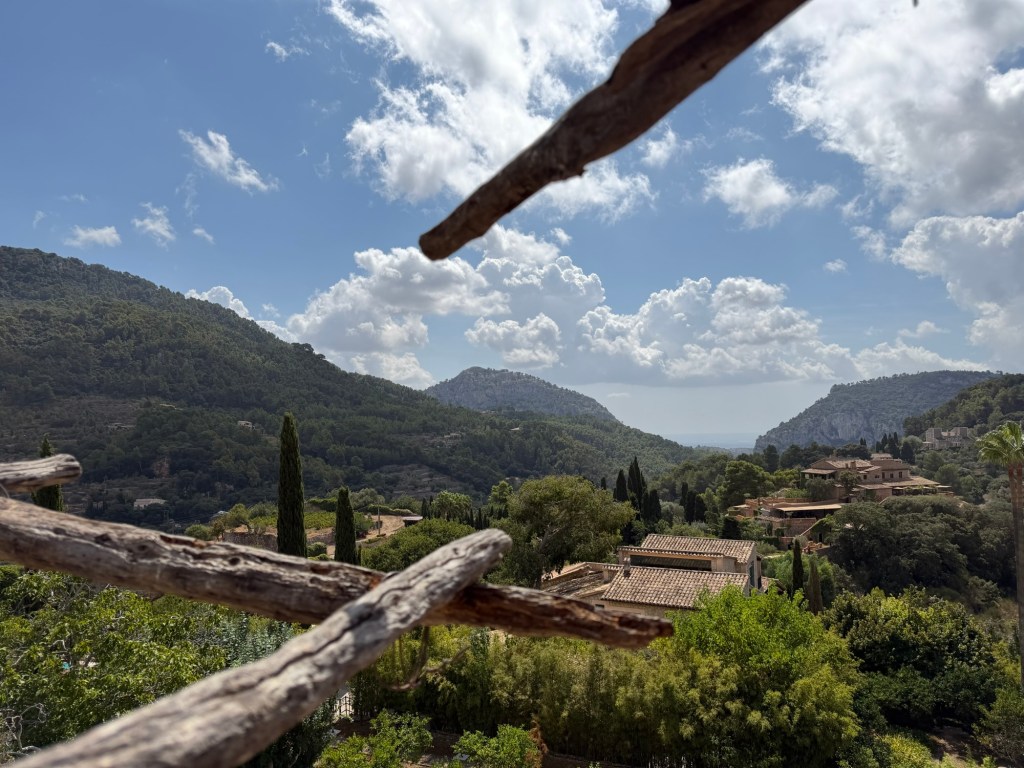
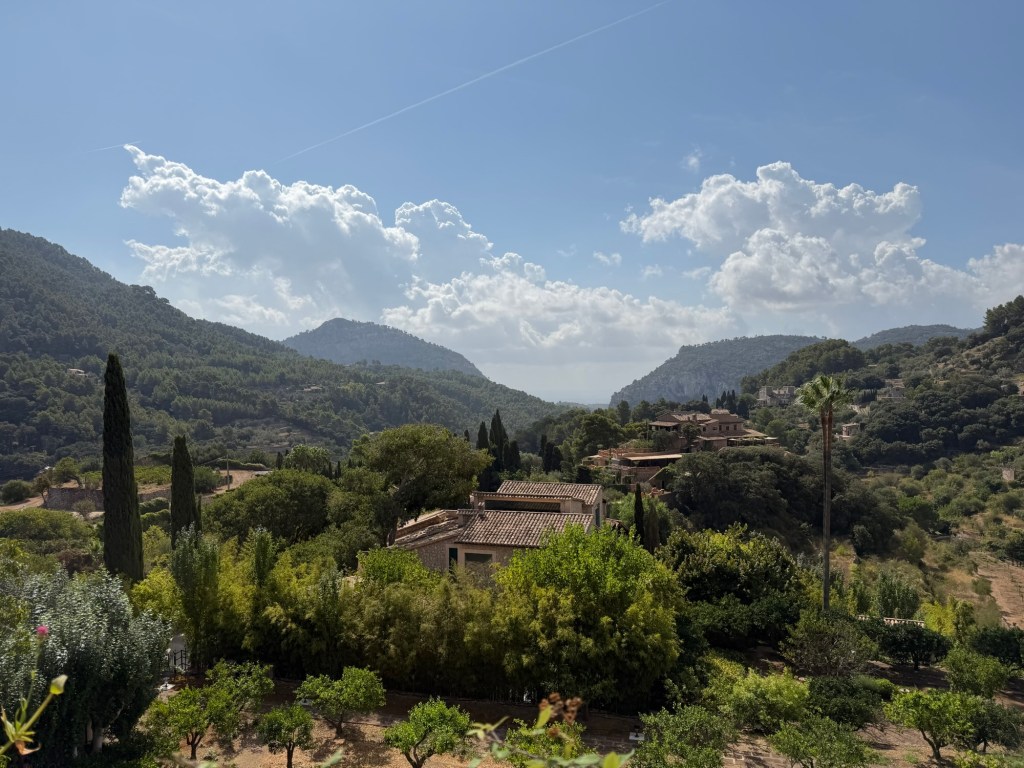
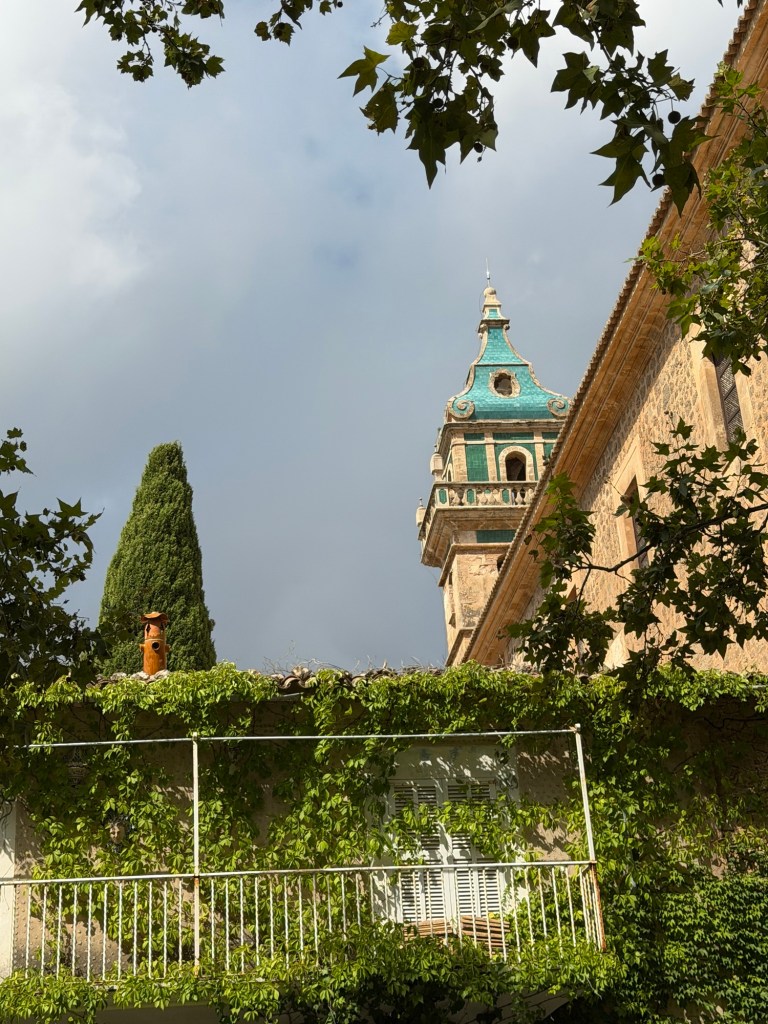
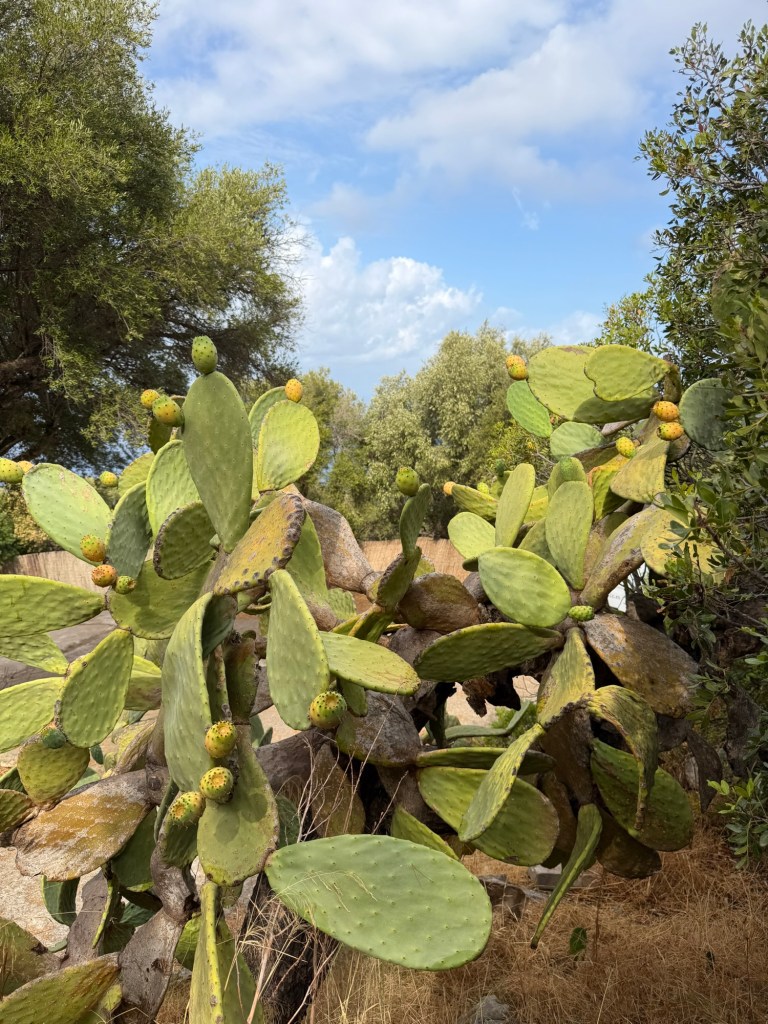
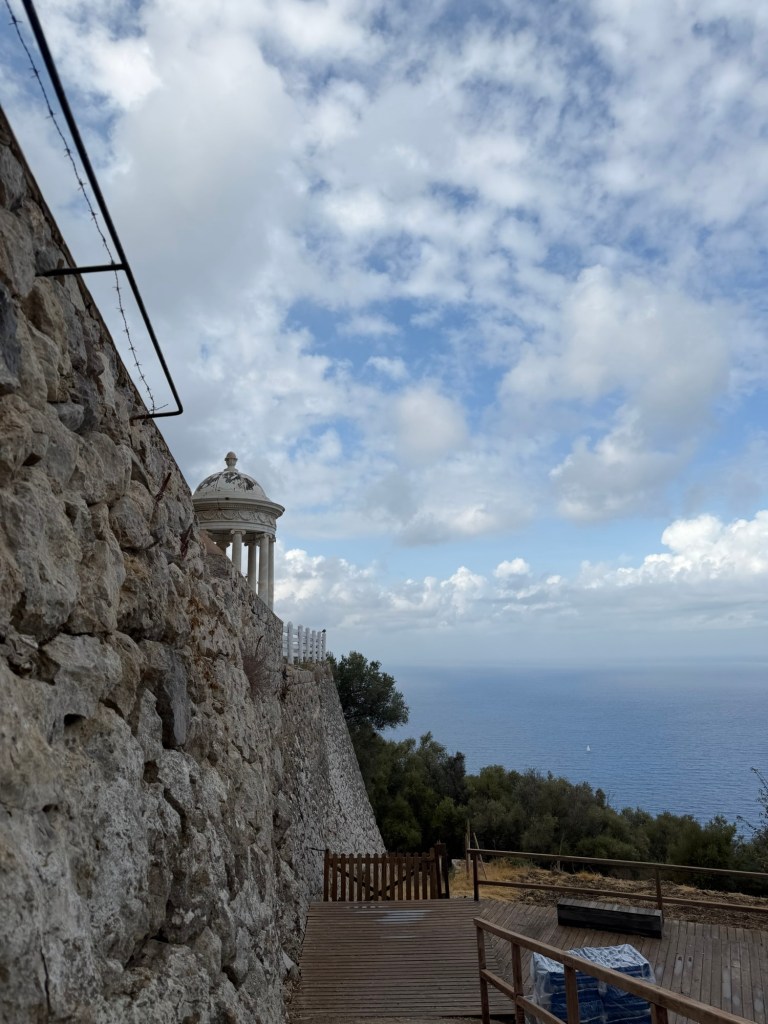
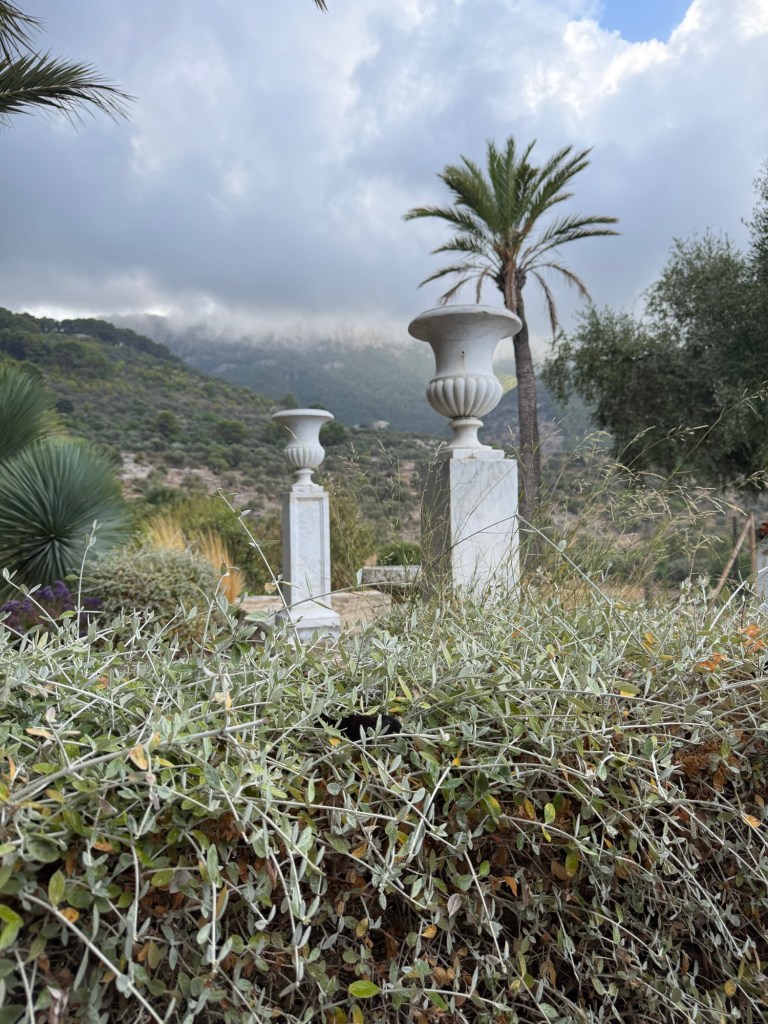
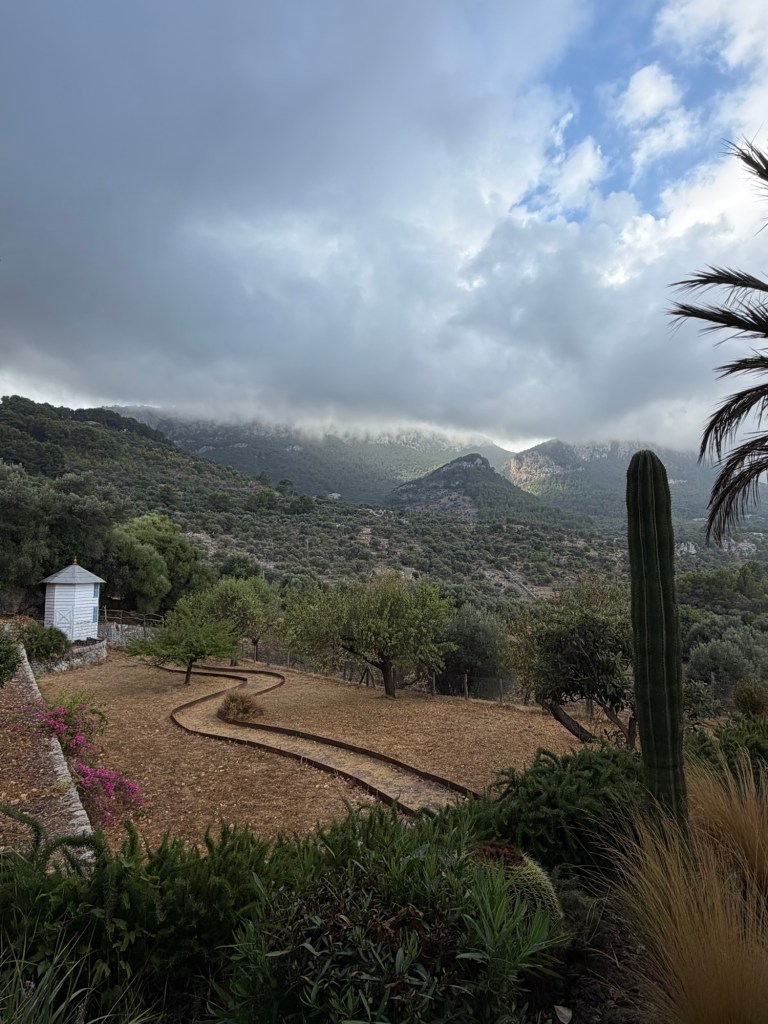
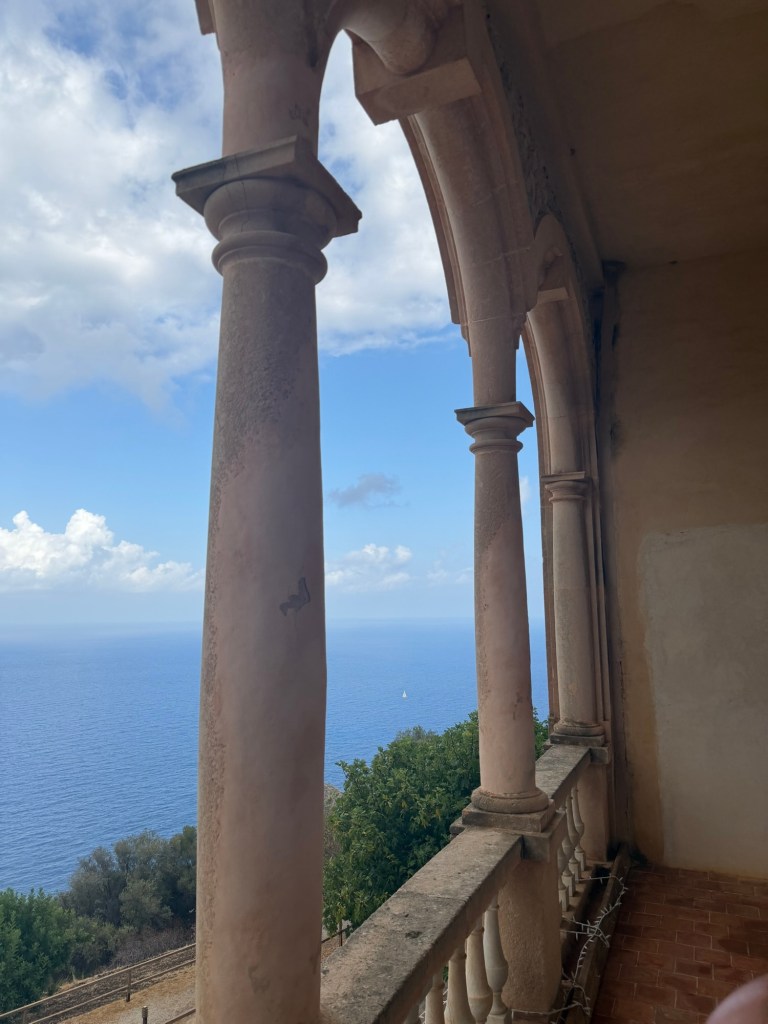
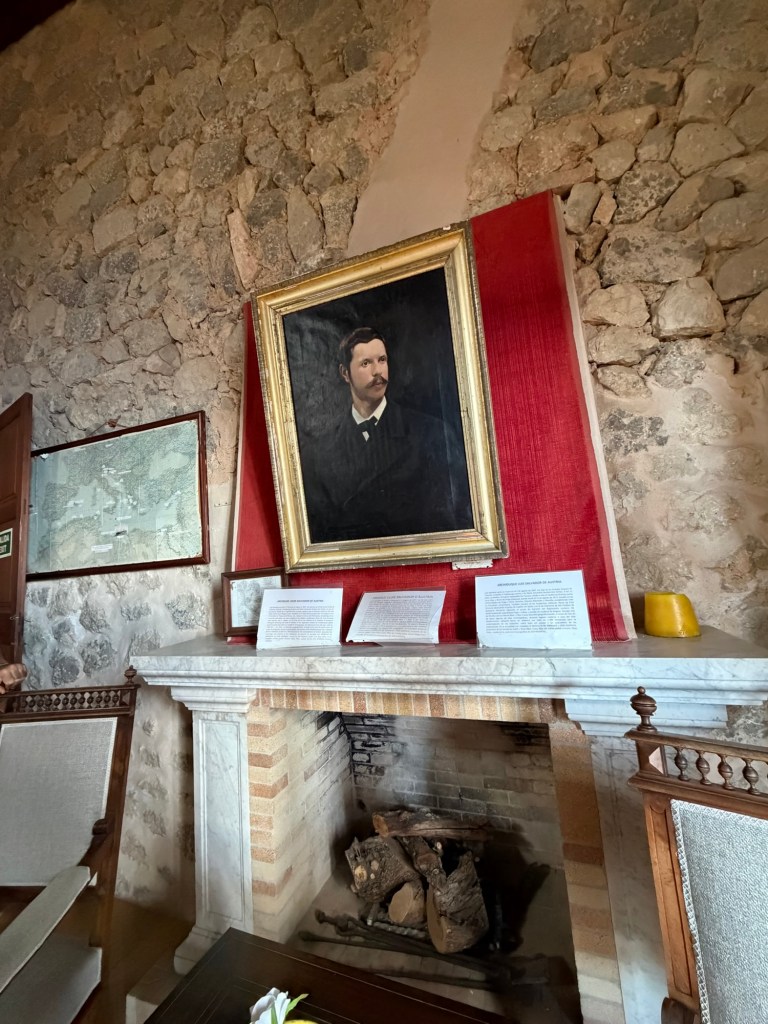
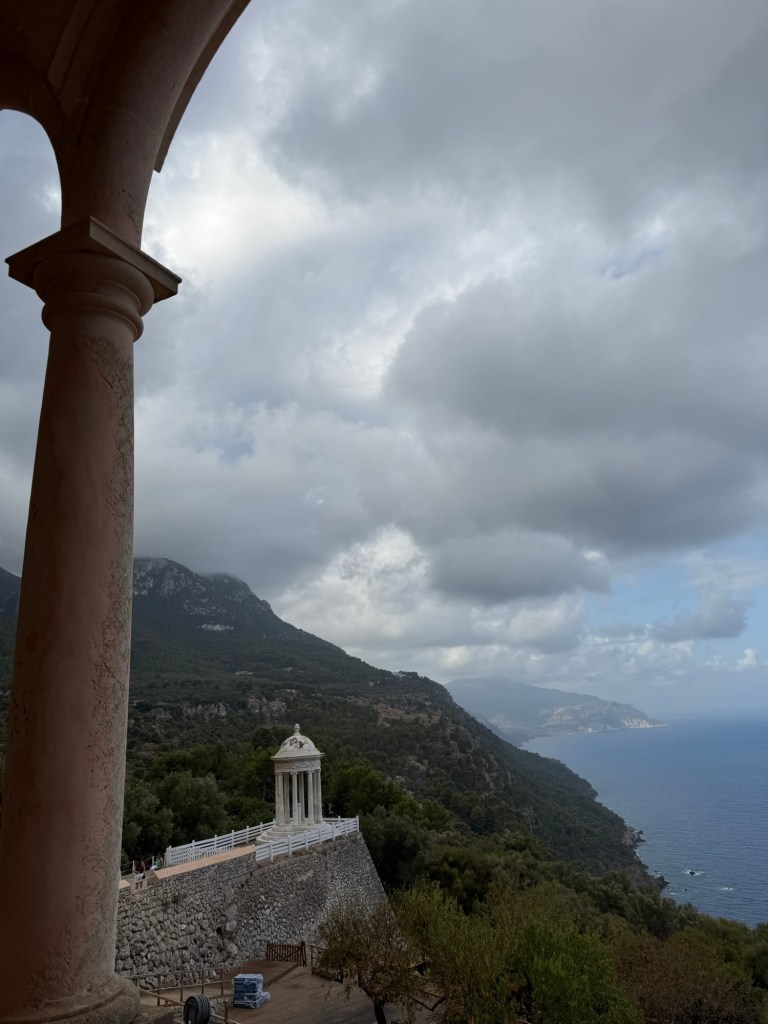
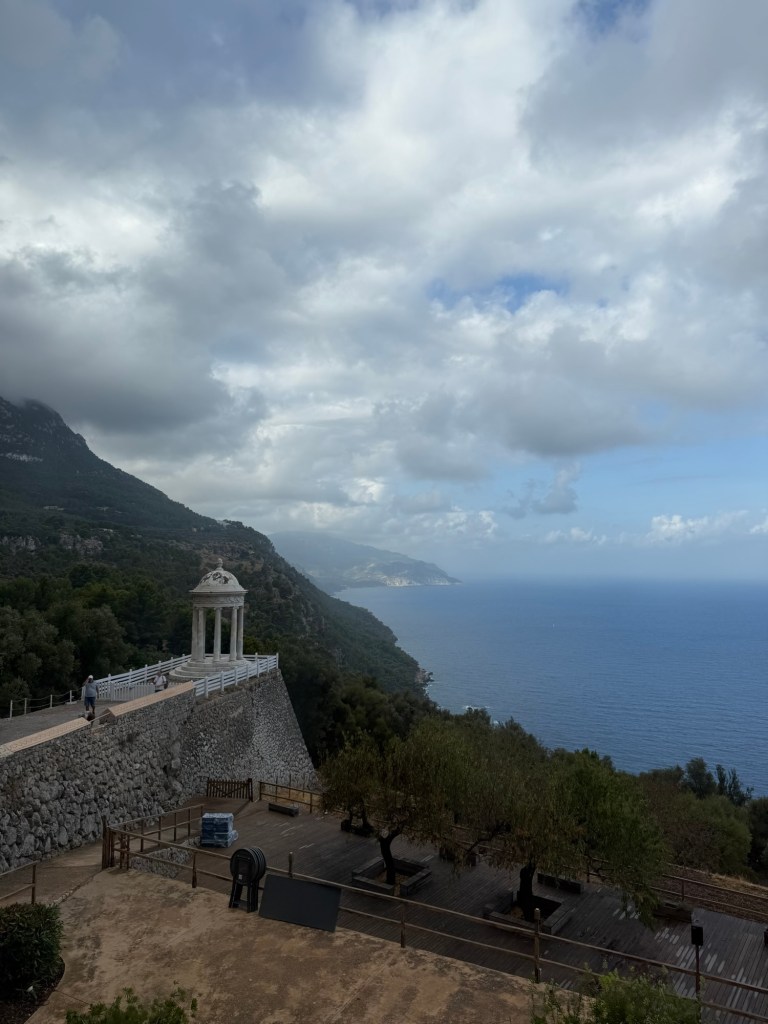
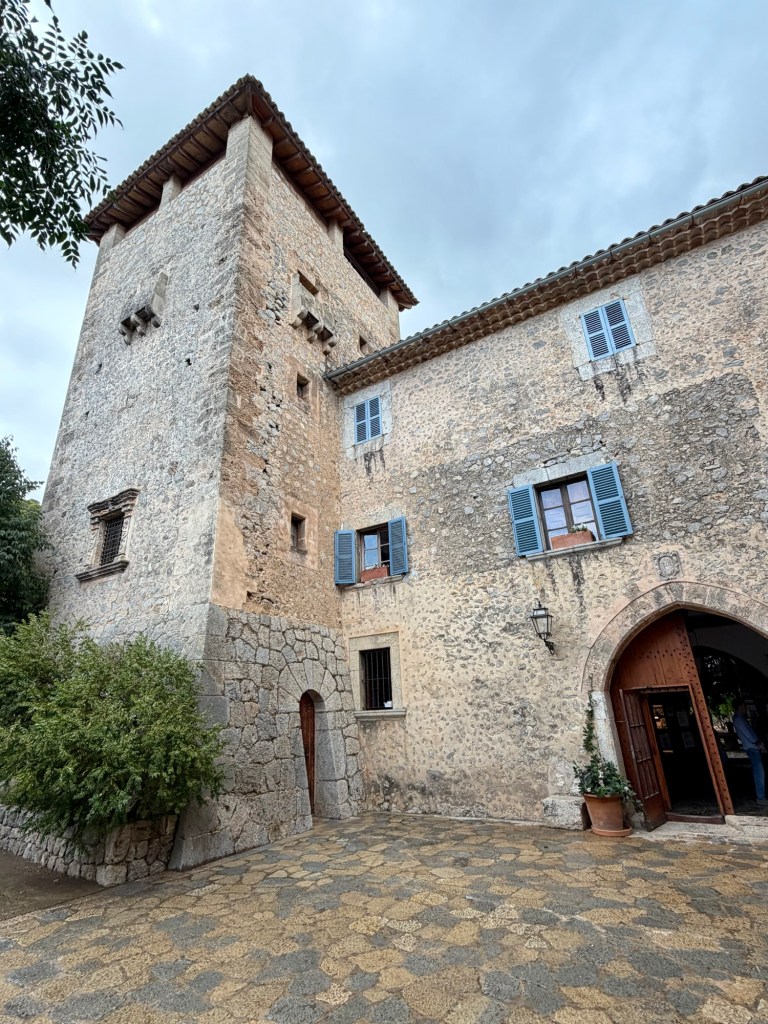
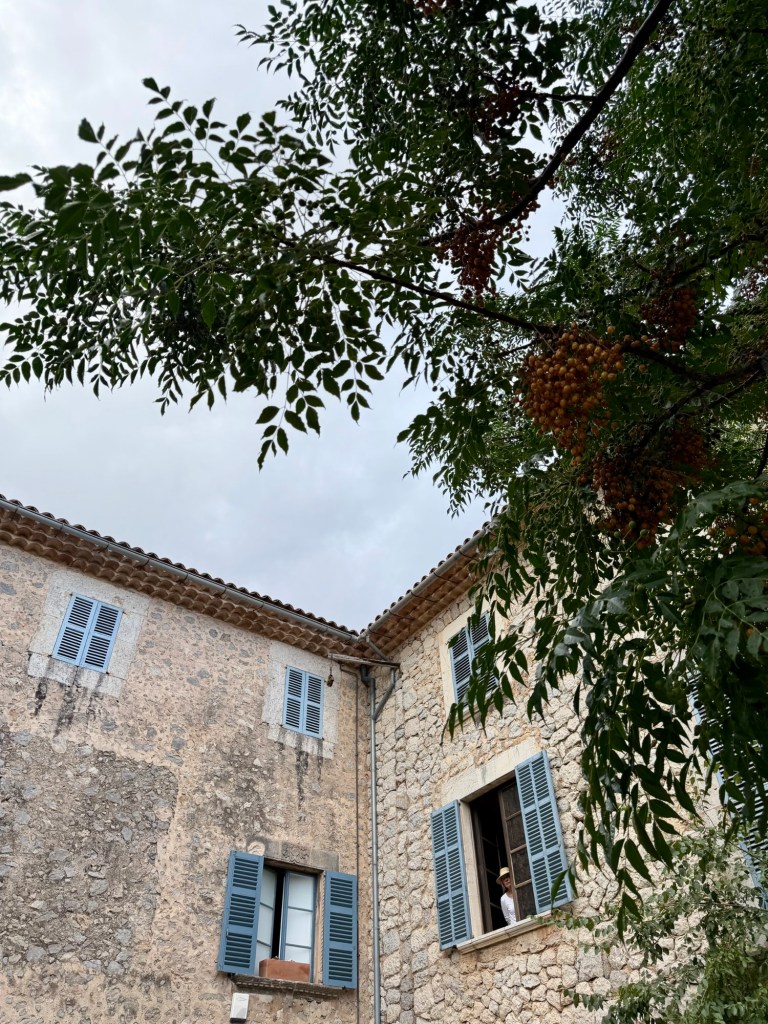
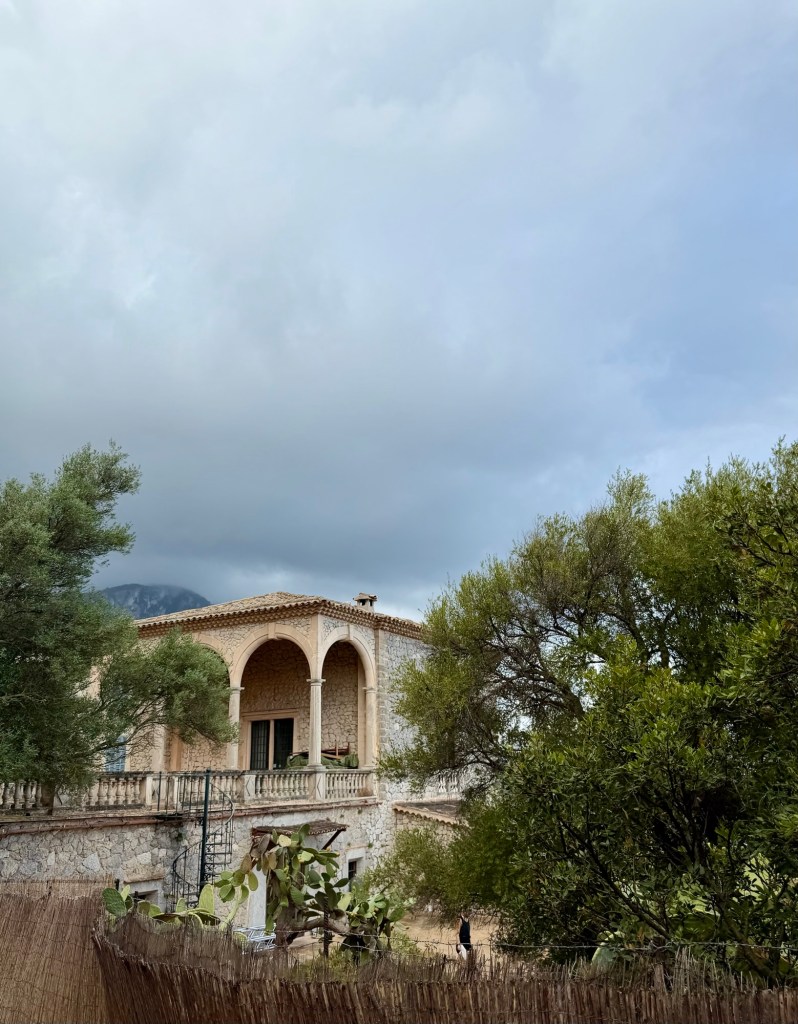
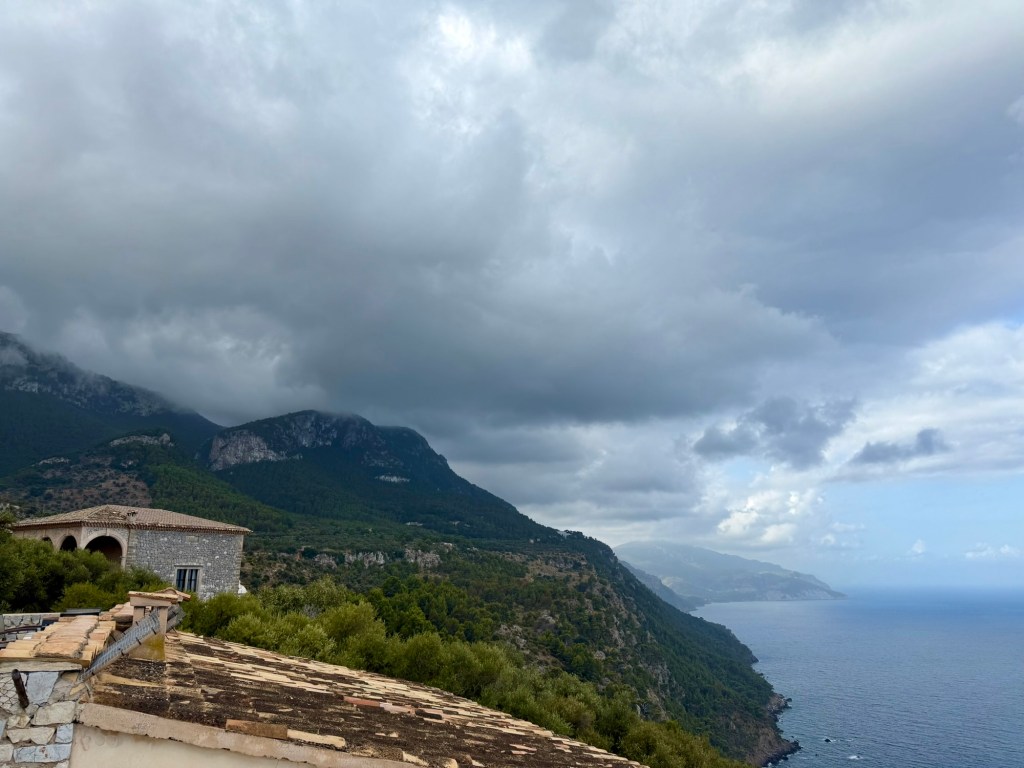
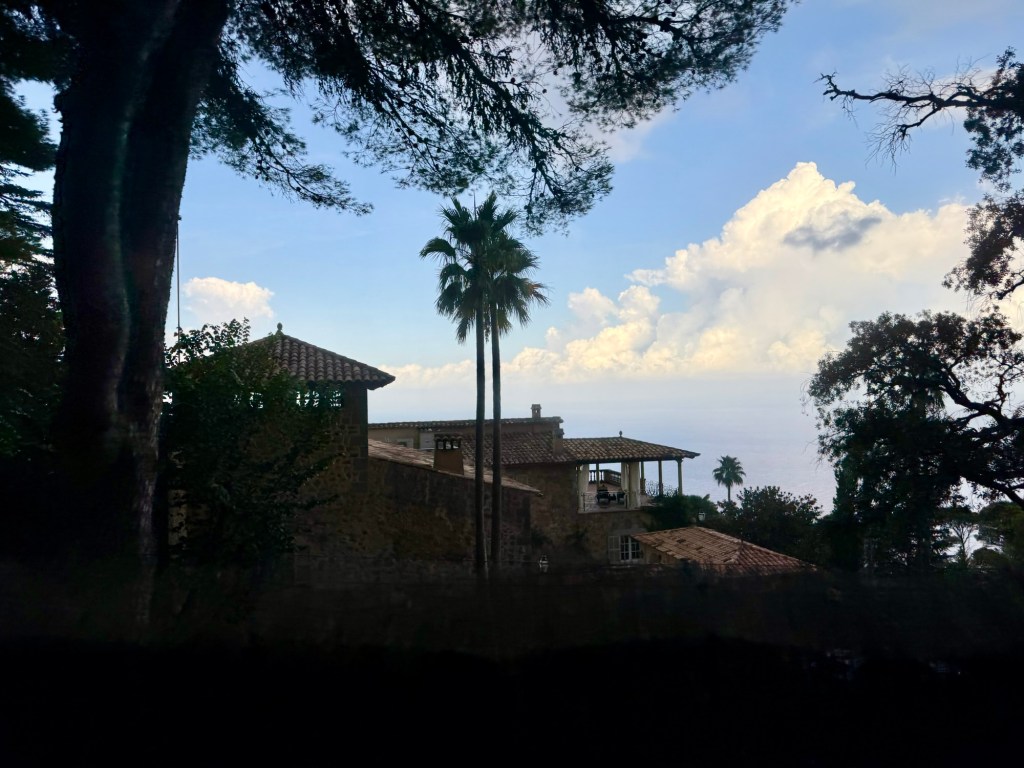
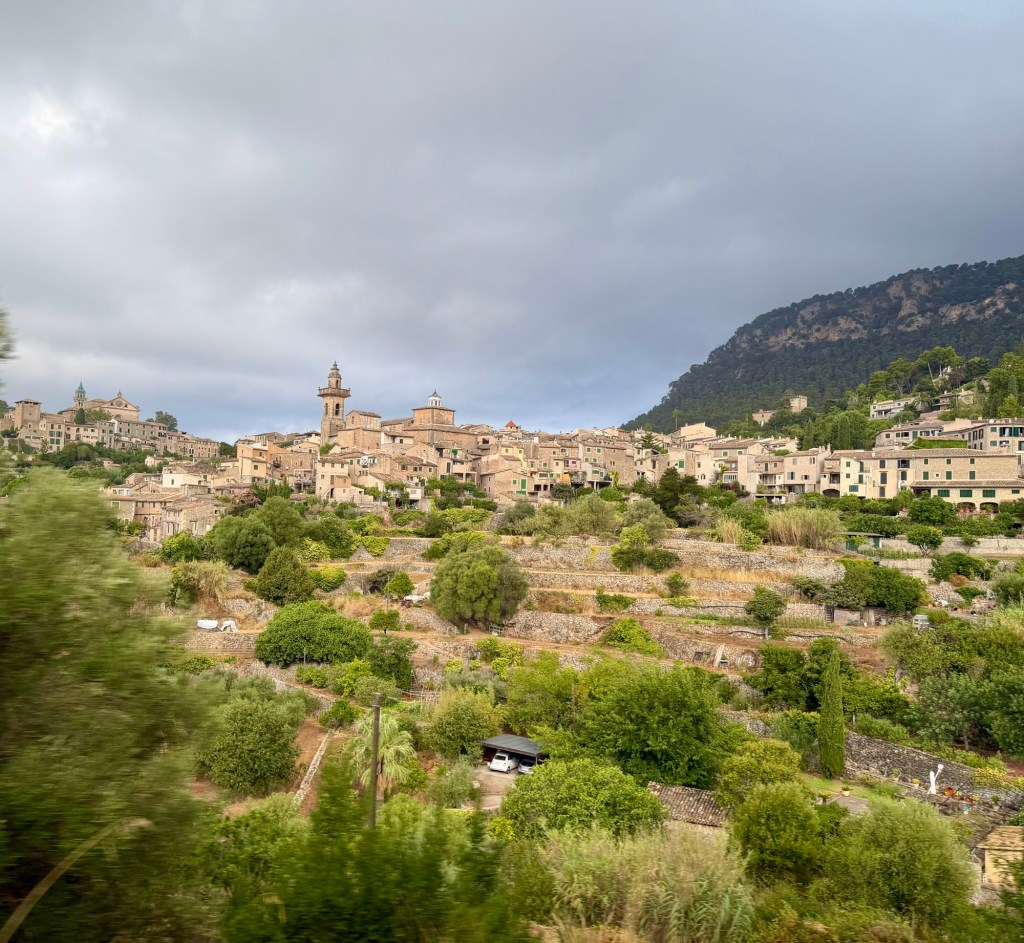
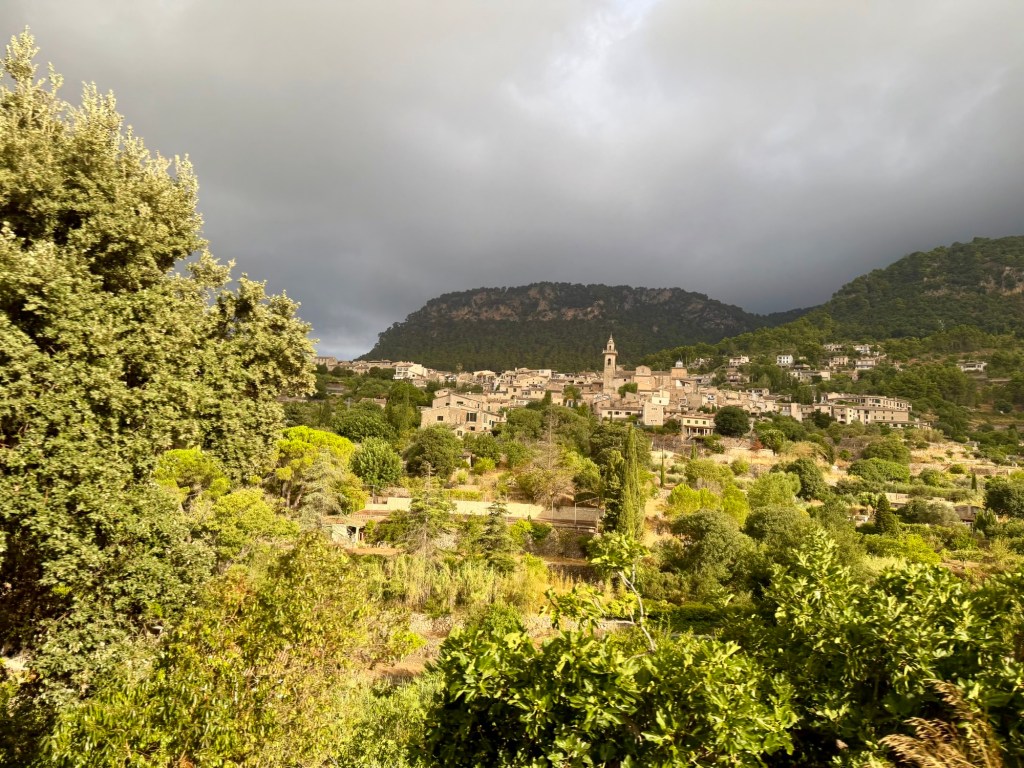
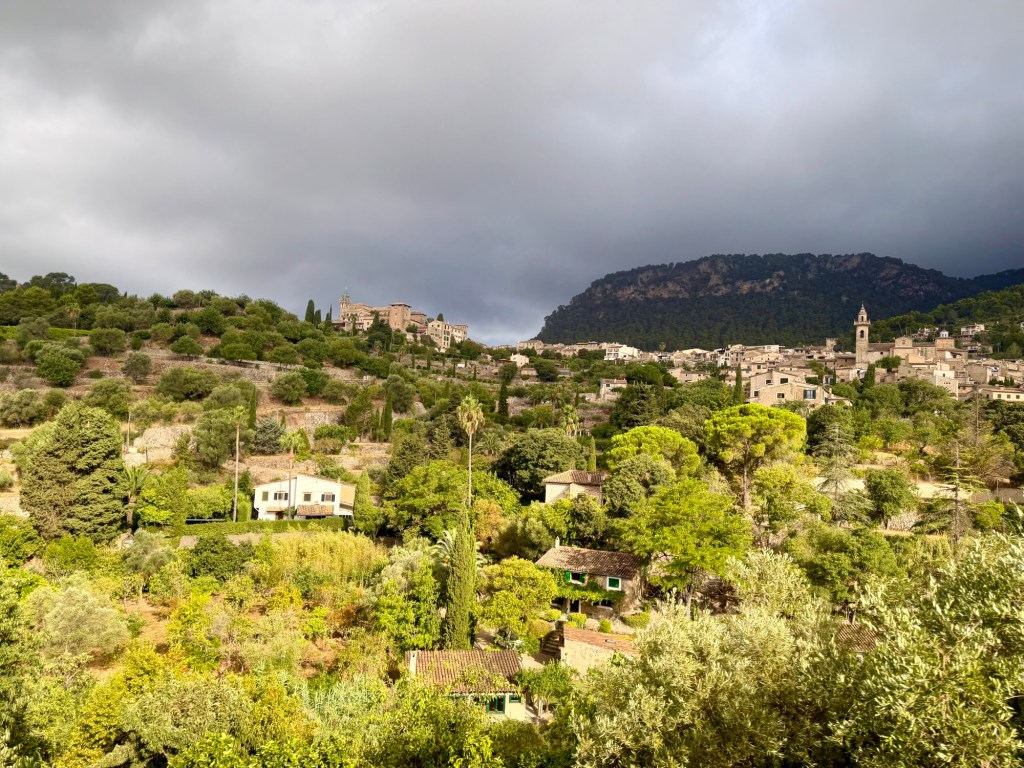
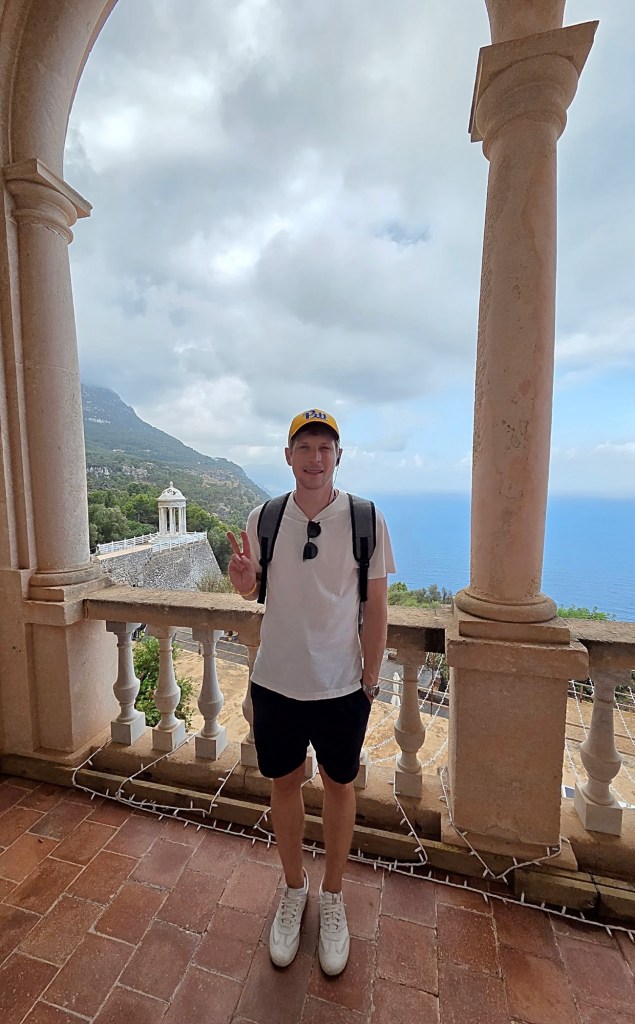
Leaving Palma behind, the landscape changes quickly as the road climbs into the Serra de Tramuntana. Then Valldemossa appears, a beautiful jumble of honey-coloured stone houses surrounded by terraces, olive trees and steep, forested mountains.
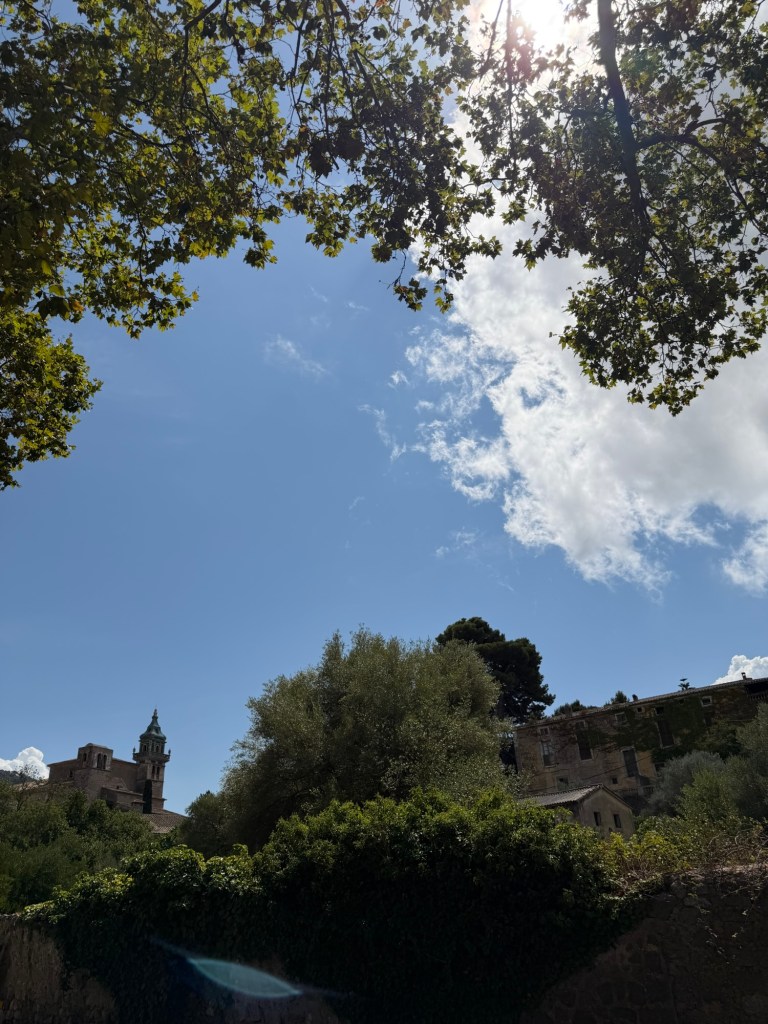
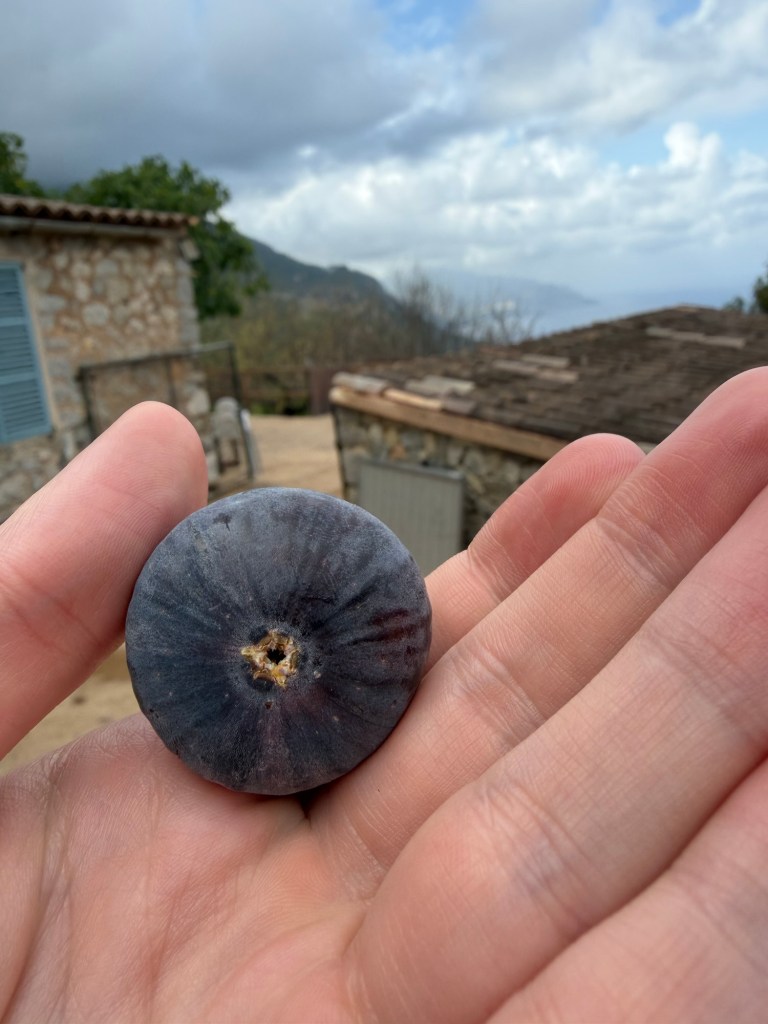
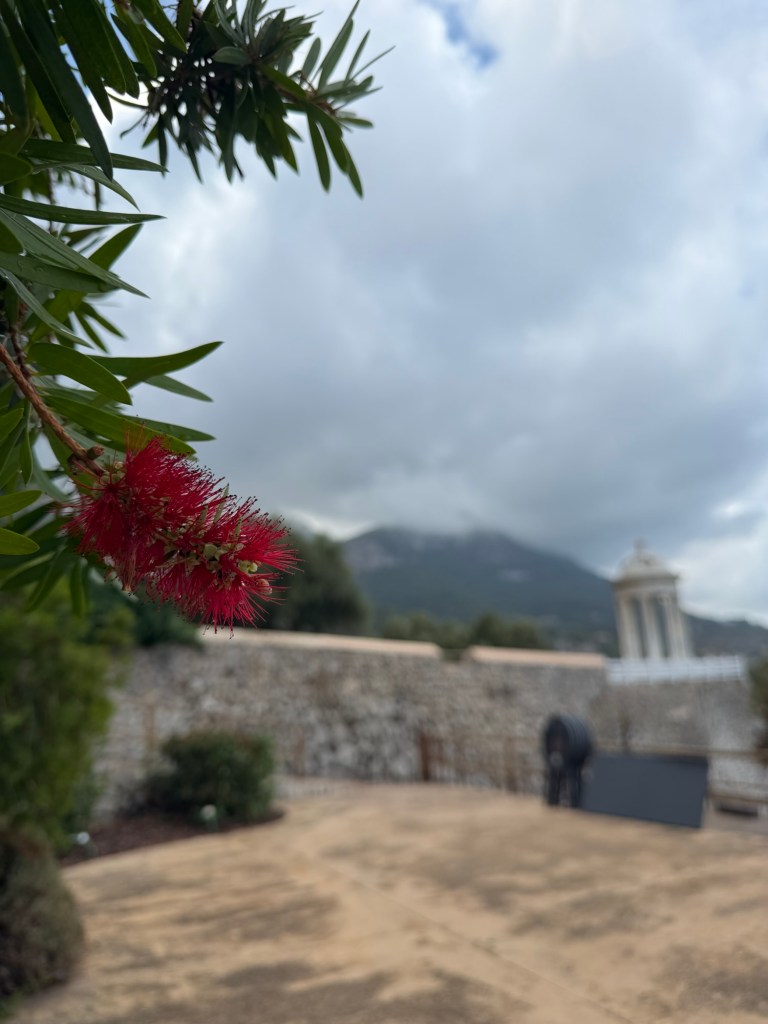
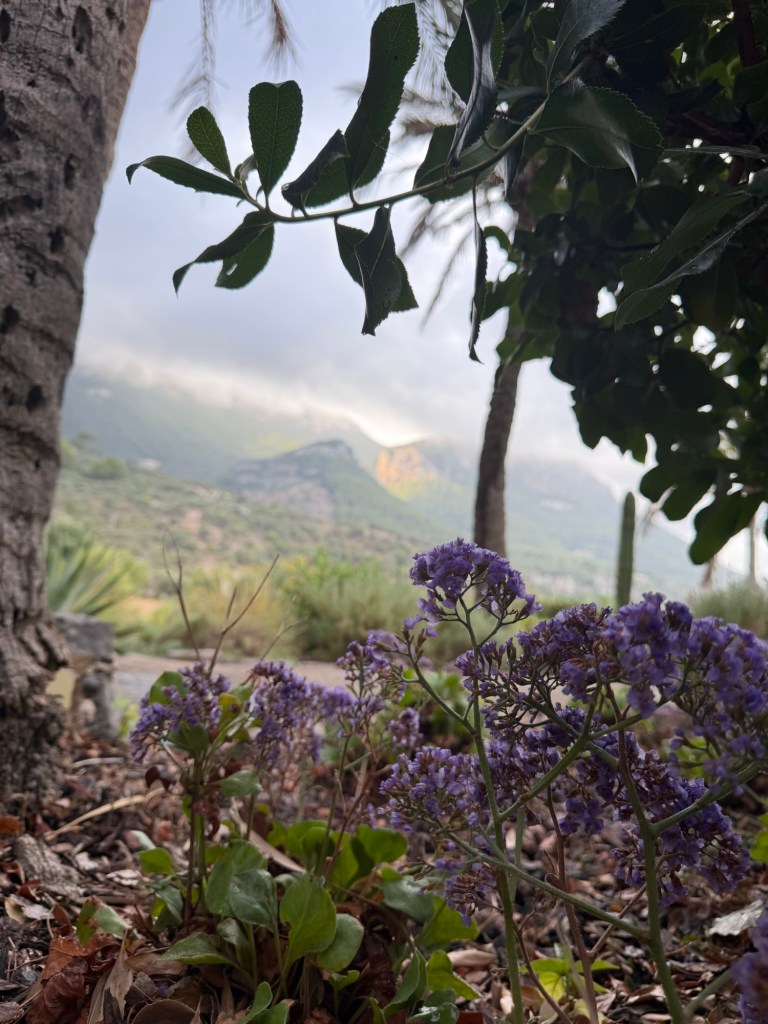
The setting is extraordinary. From a distance the village seems almost to grow out of the hillside, its church towers rising above tiled roofs while cultivated terraces tumble down the valley below. With dark clouds gathering over the mountains and flashes of Mediterranean blue beyond them, the scenery was particularly dramatic.
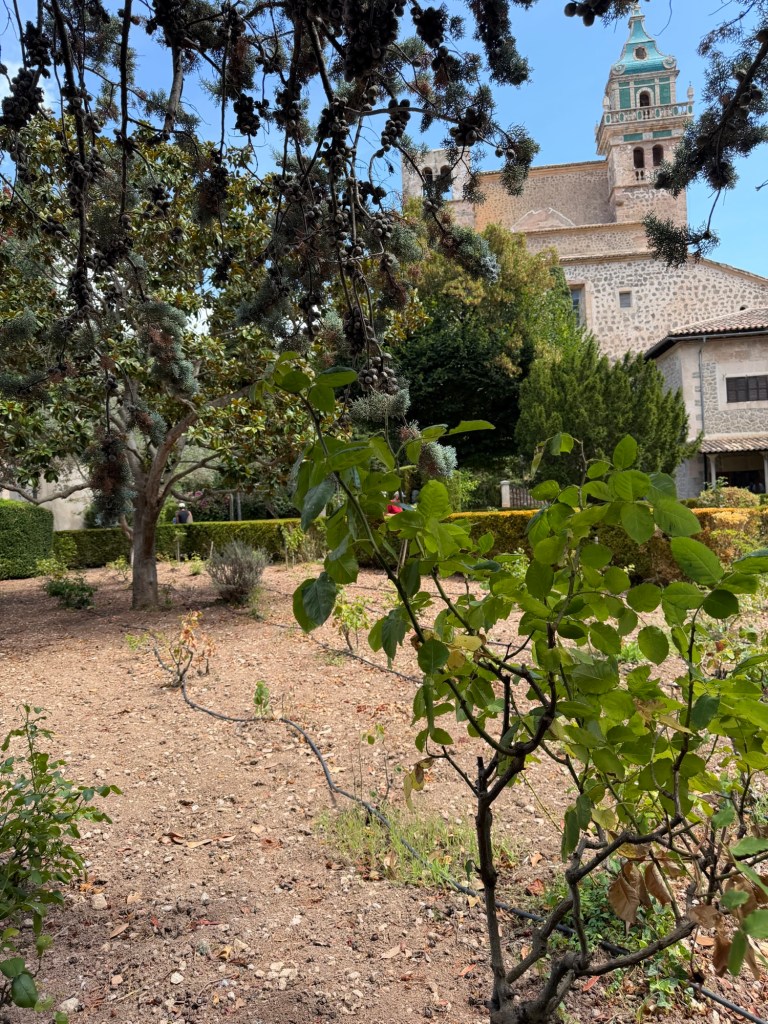
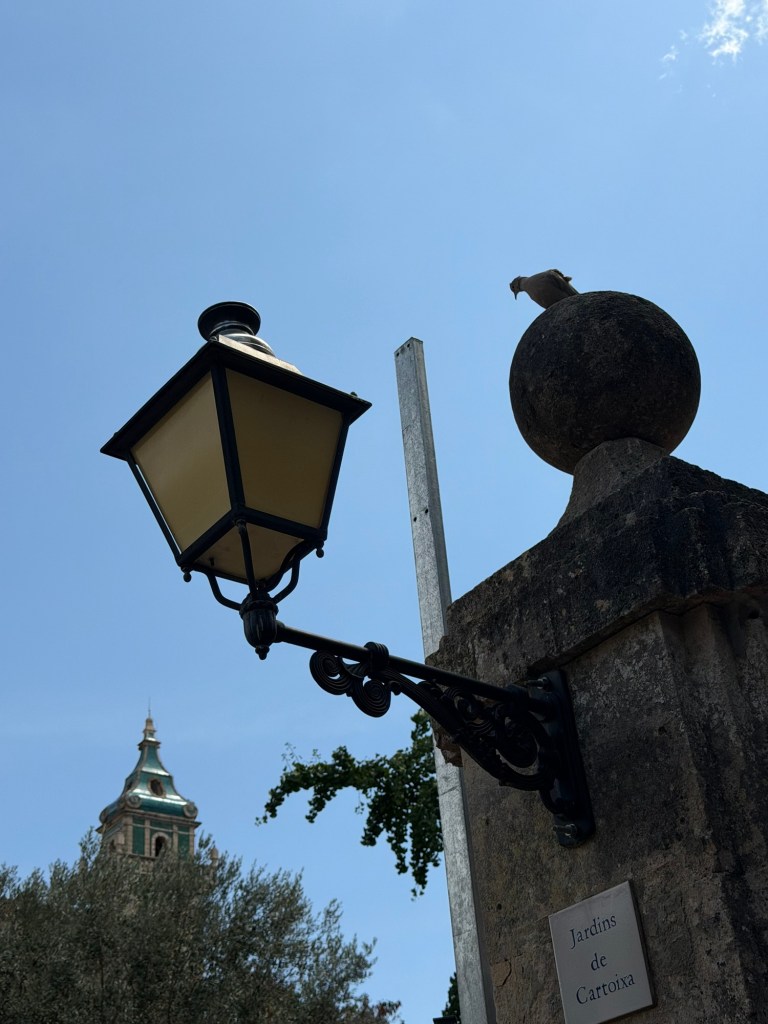
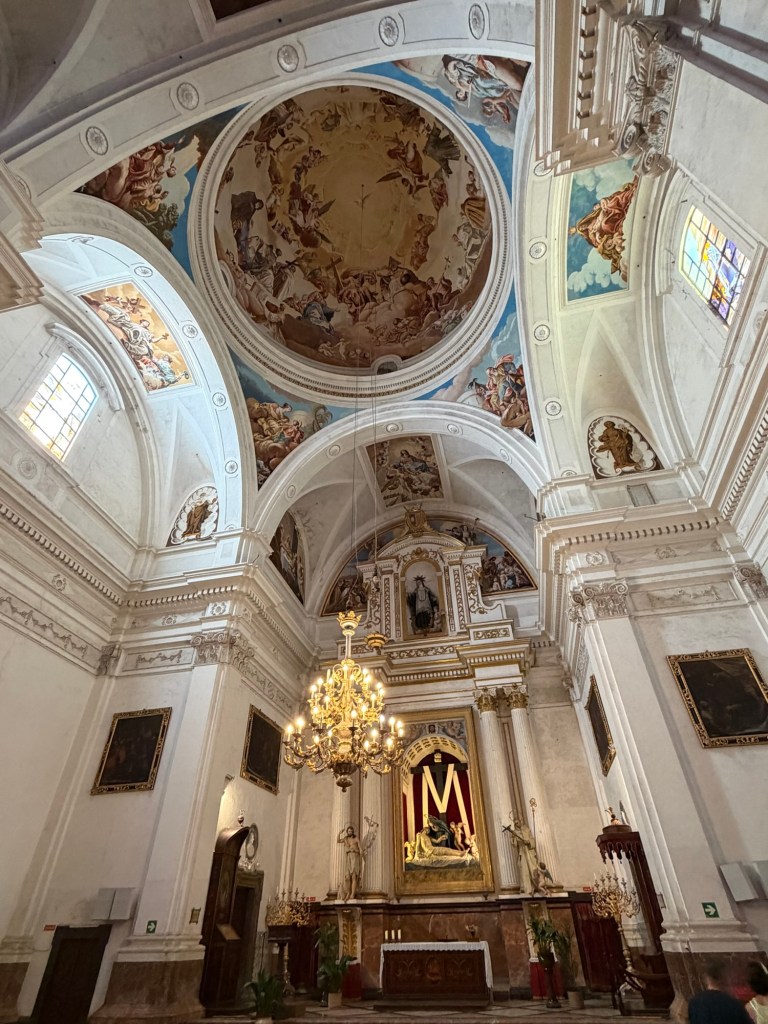
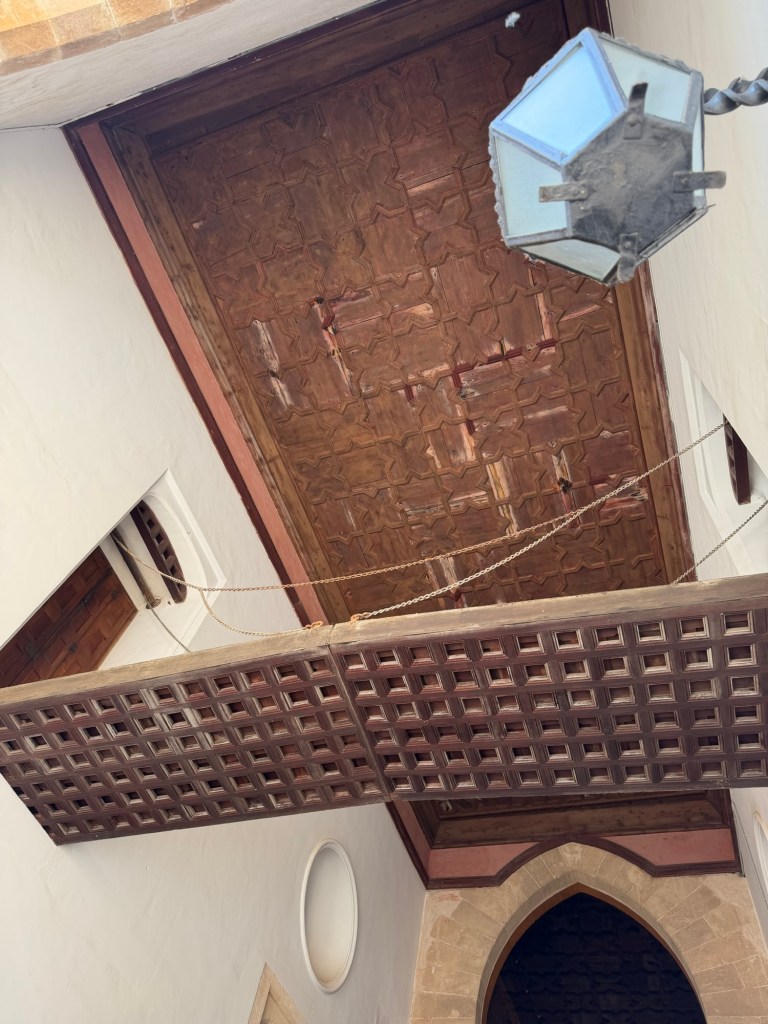
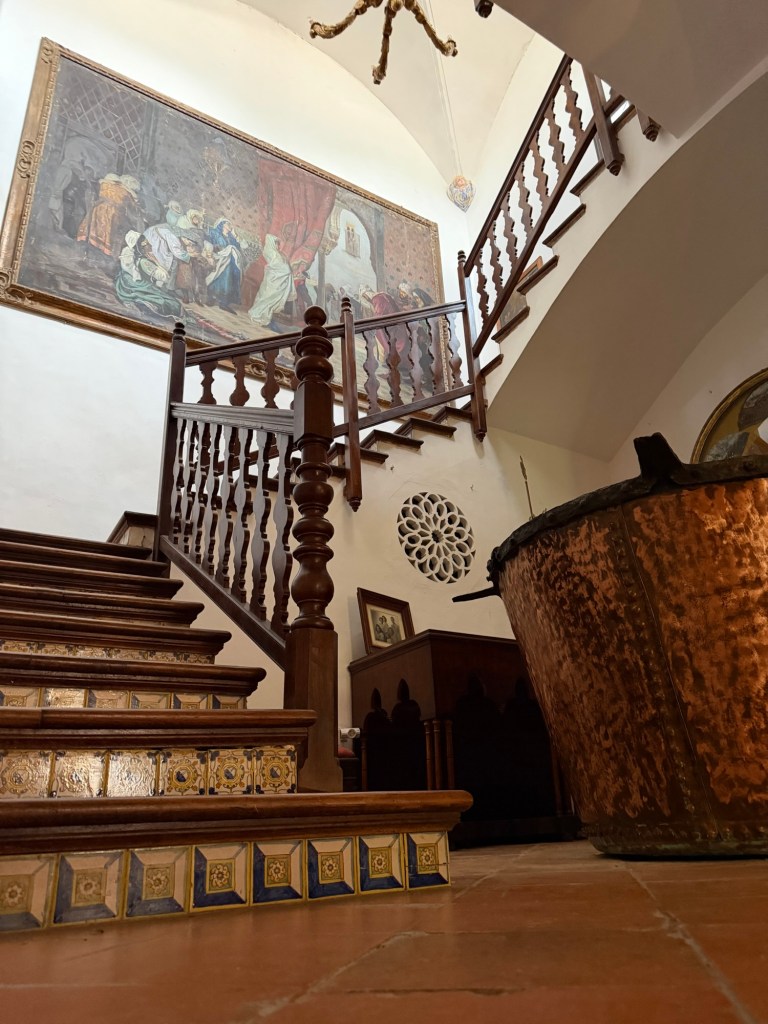
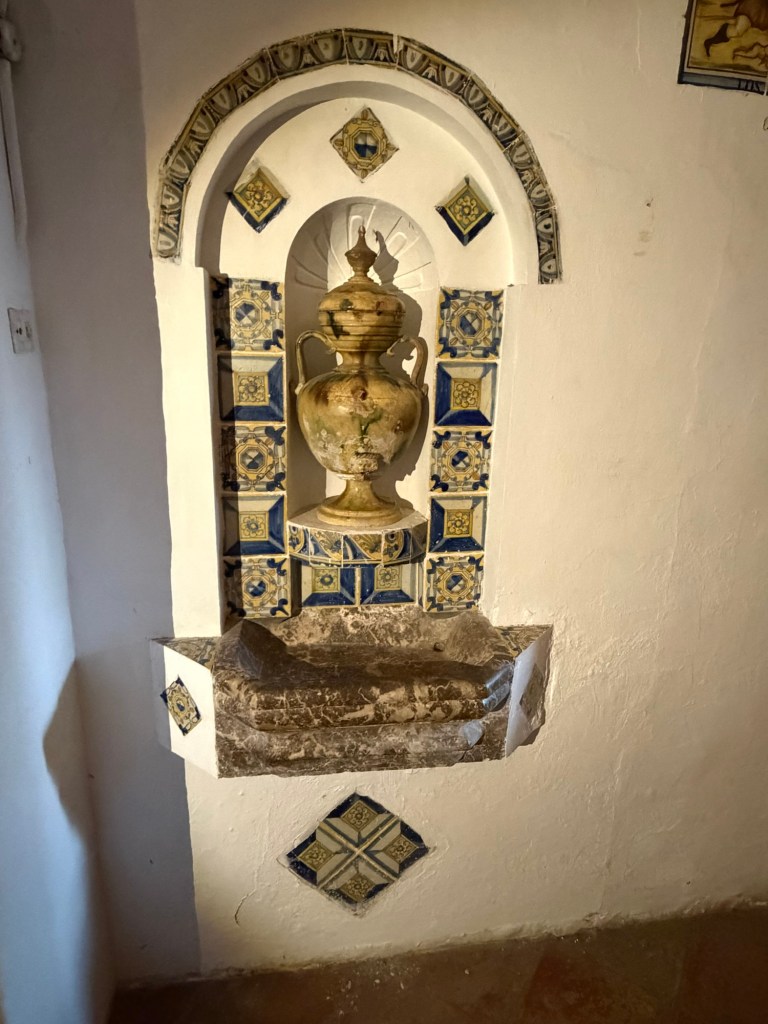
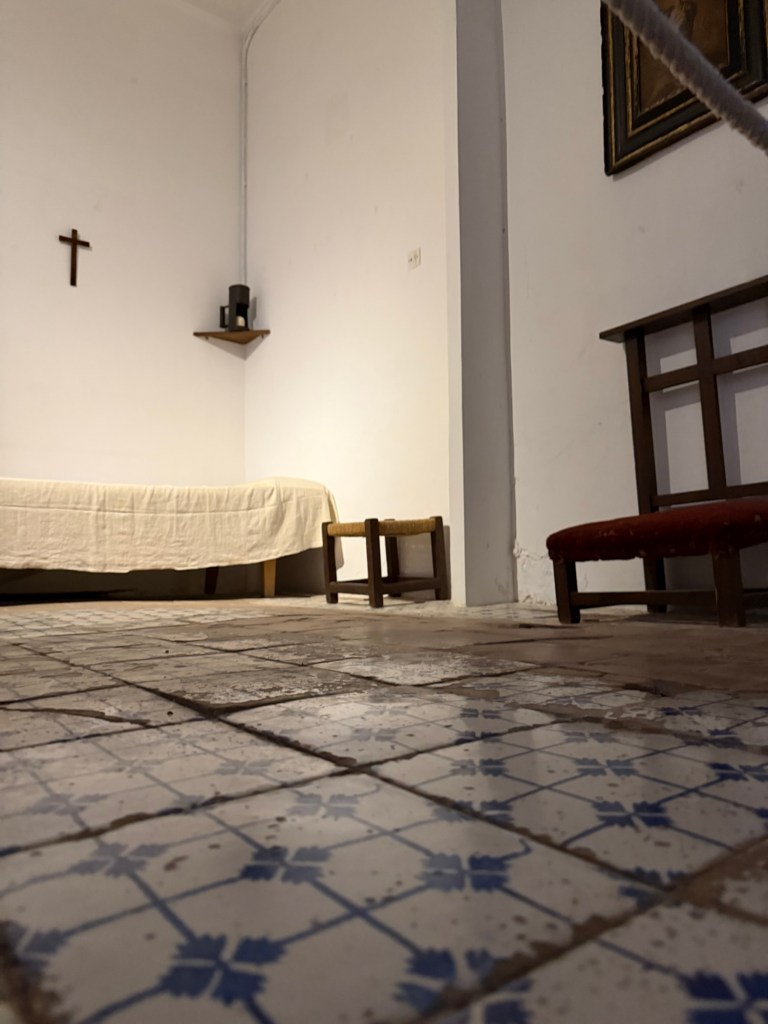
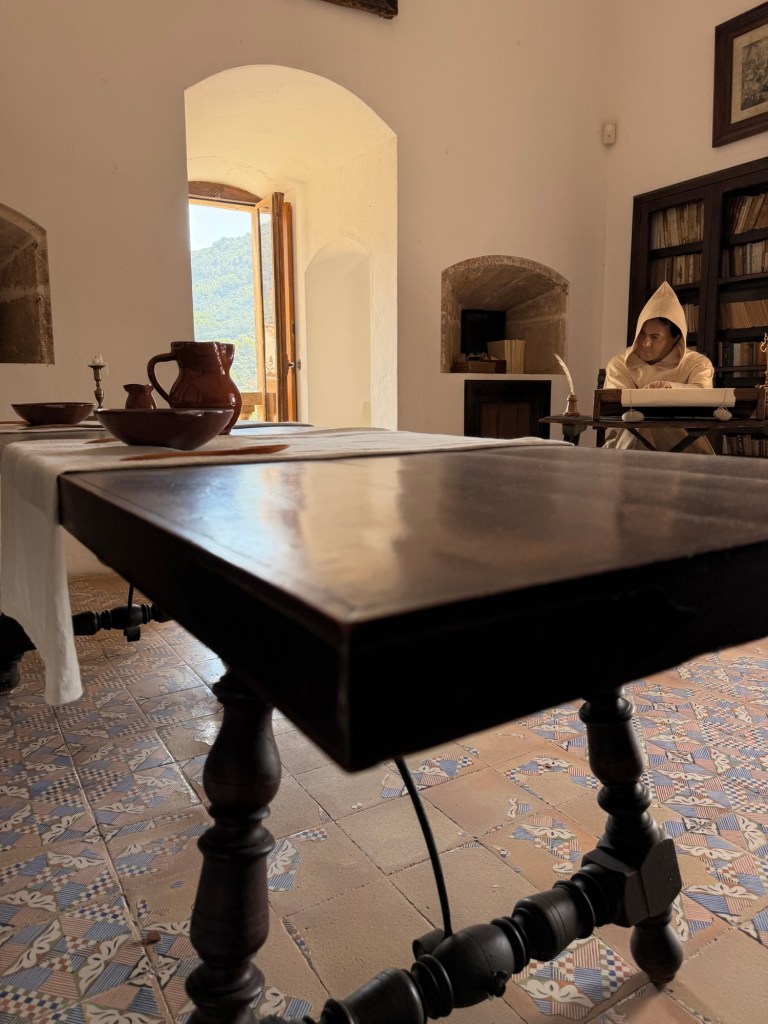
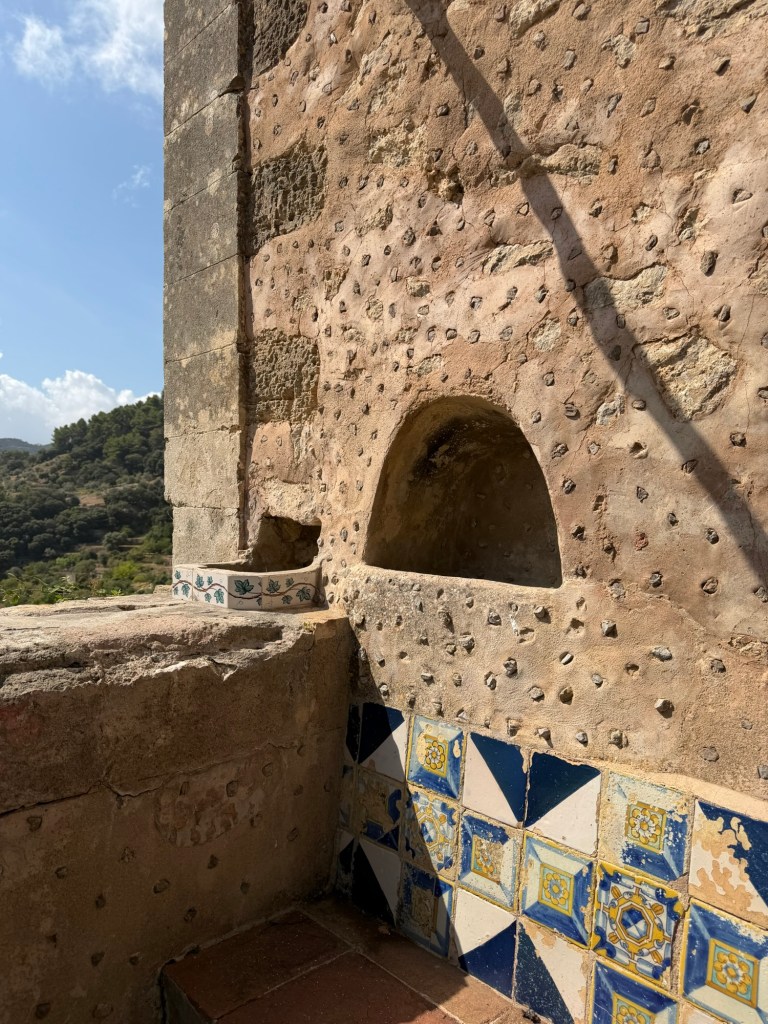
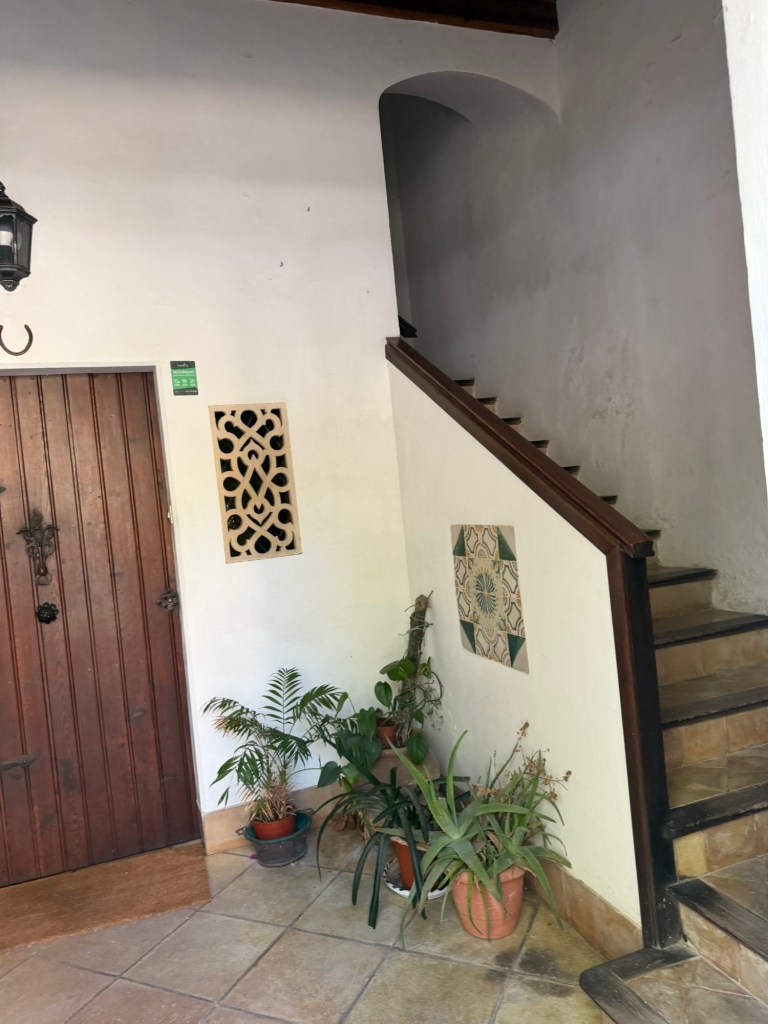
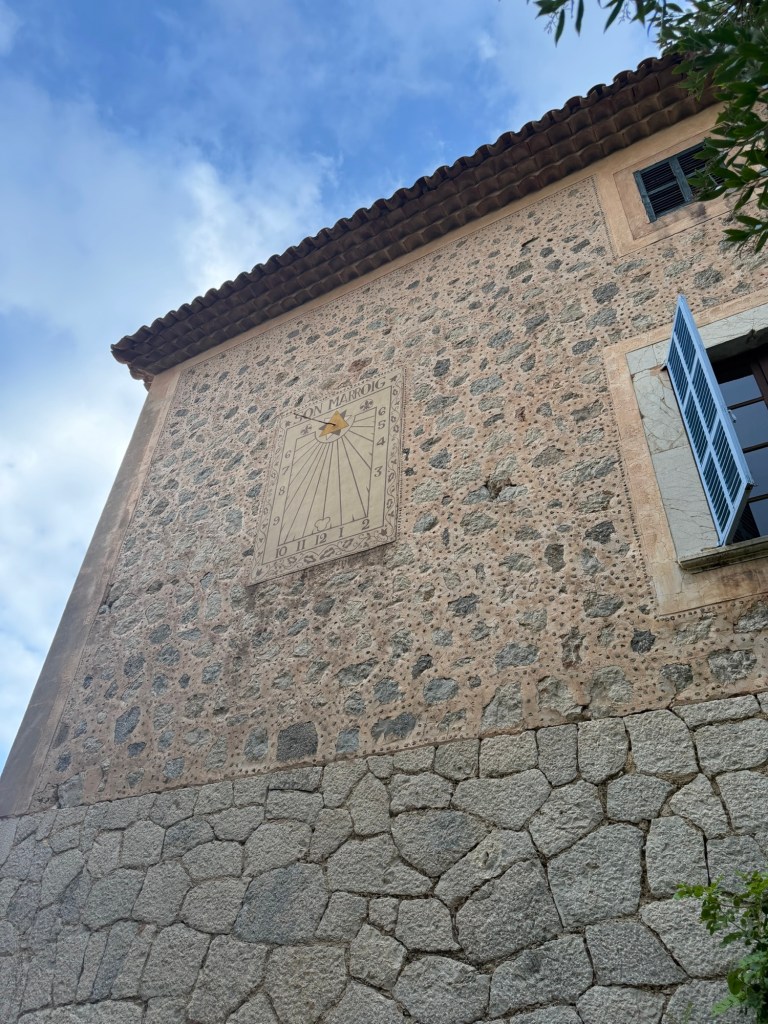
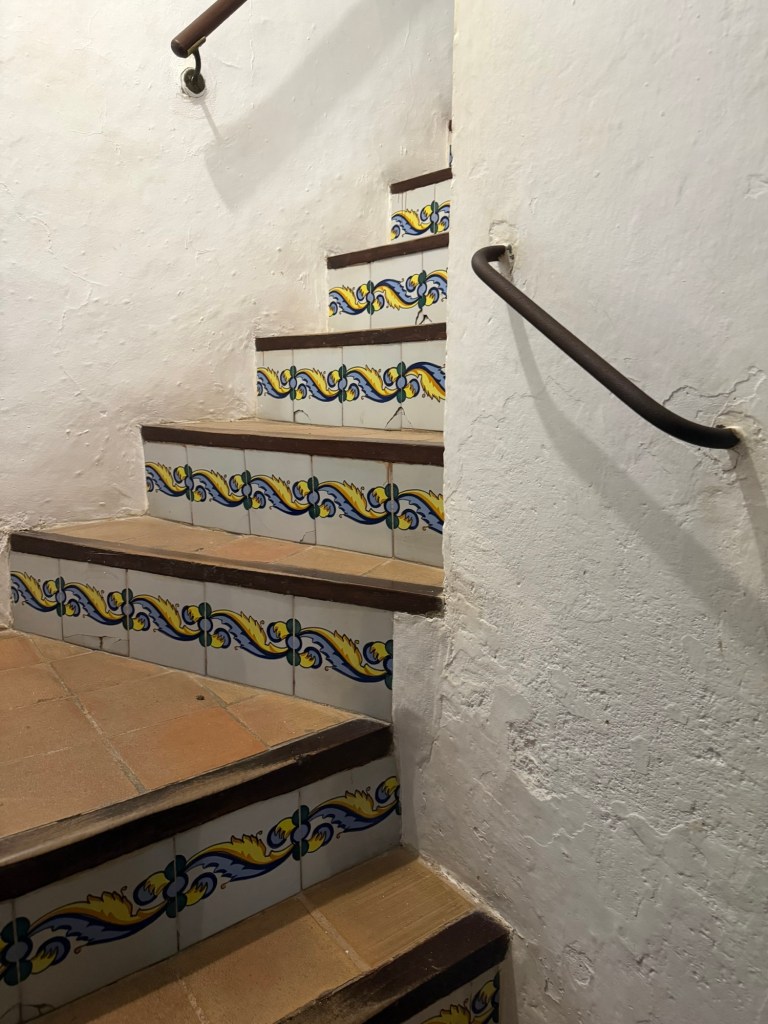
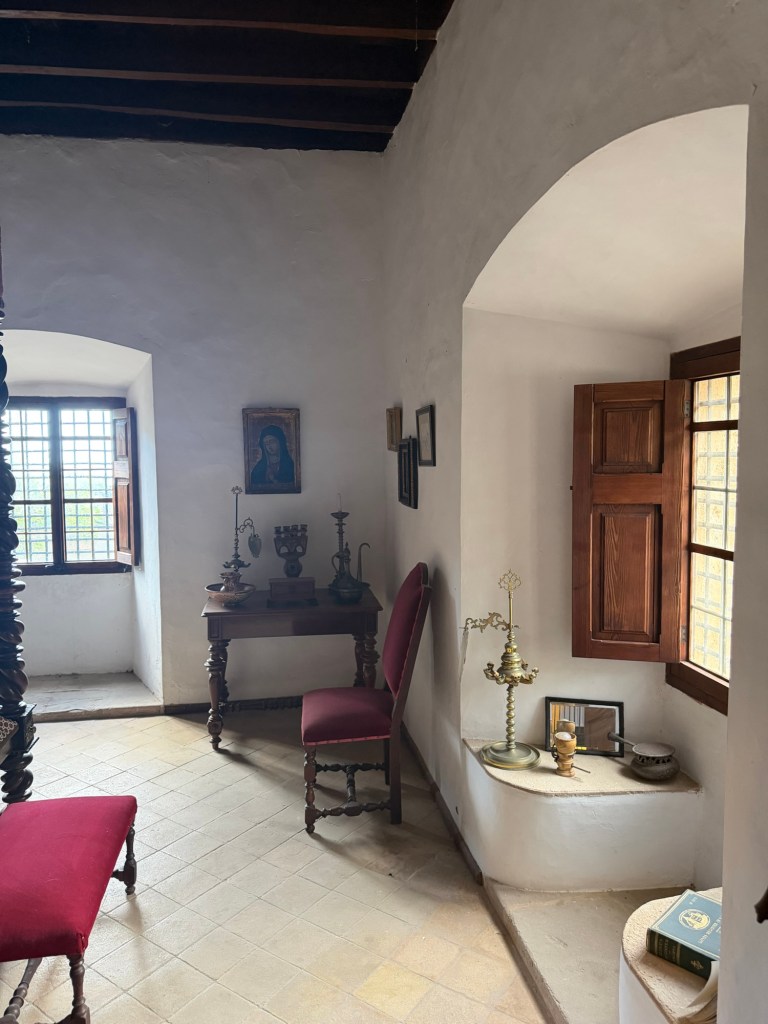
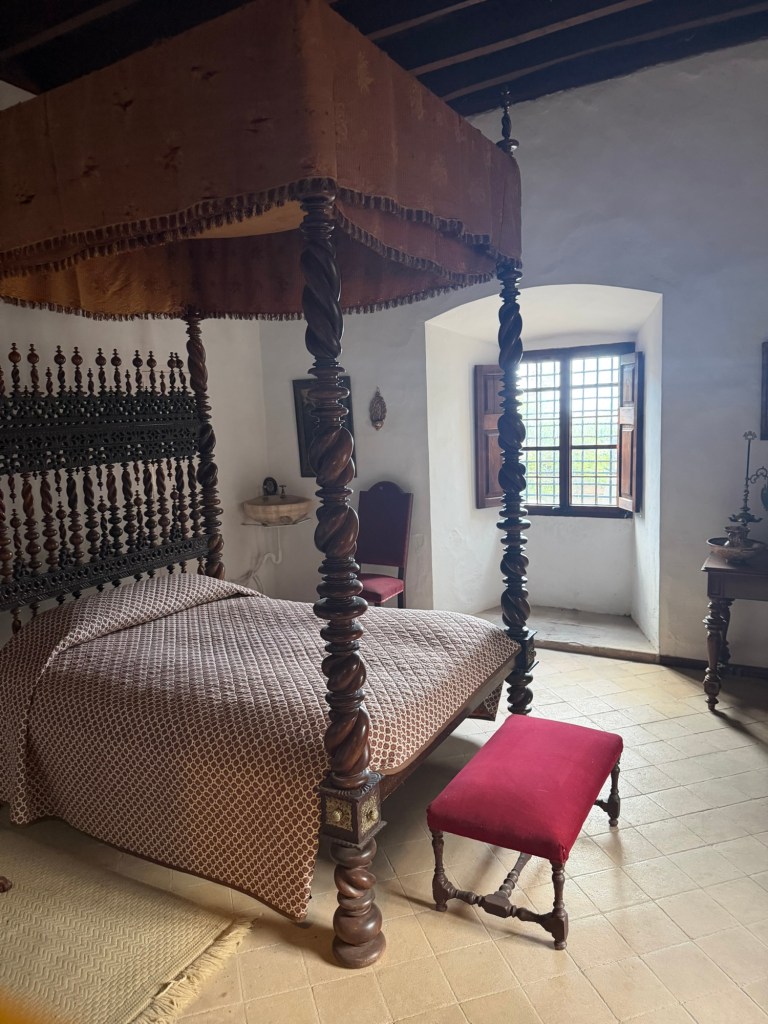
At the heart of Valldemossa is the Royal Charterhouse, originally established as a royal residence before becoming a Carthusian monastery. Its thick stone walls, quiet rooms, tiled staircases and old monastic cells retain an appealing austerity despite the steady stream of visitors.
Valldemossa’s most famous visitors arrived in the winter of 1838–39: Frédéric Chopin and the French writer George Sand. They spent several months here, hoping Mallorca’s climate would improve Chopin’s health. Instead they encountered a cold and unusually wet winter, and Sand subsequently gave a rather unflattering account of their stay in A Winter in Majorca. Chopin nevertheless composed some important music during his time on the island.
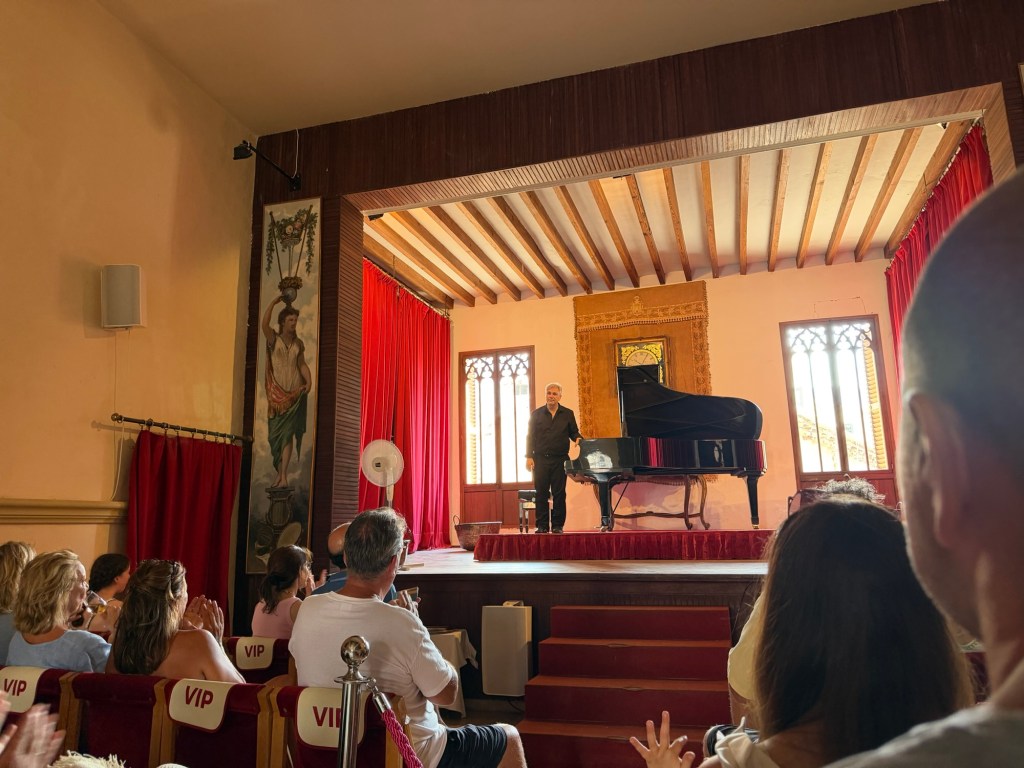
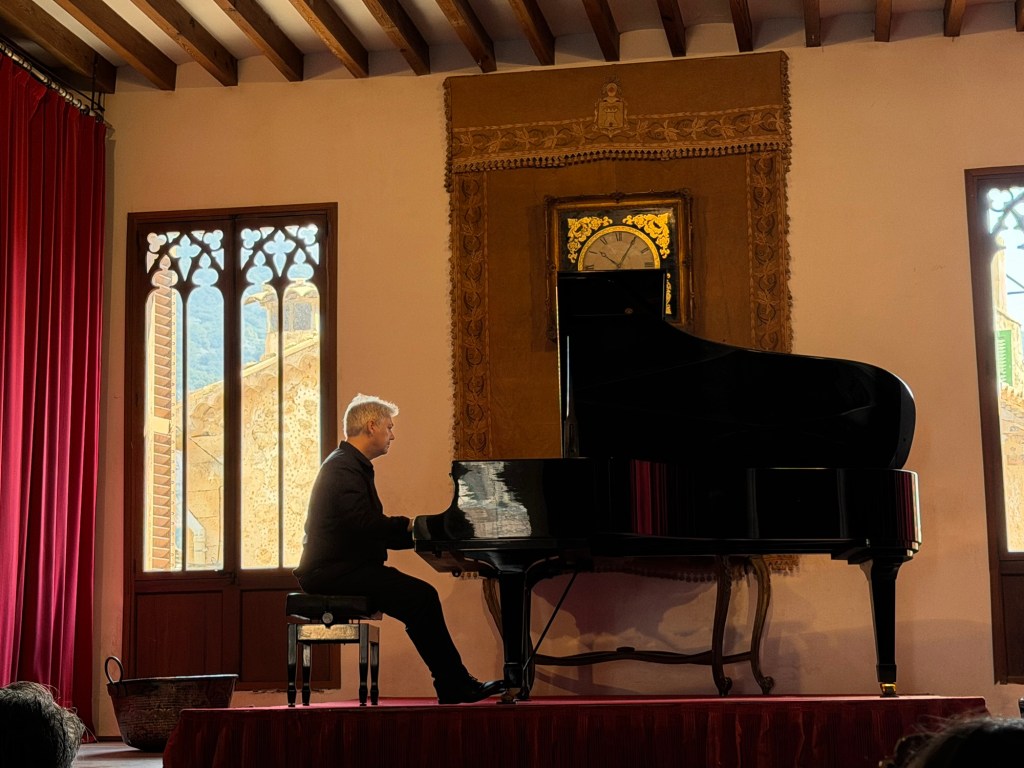
That musical connection is still very much alive. During our visit we heard a piano recital of Chopin’s music inside the Charterhouse. Sitting in an old room beneath timber beams, with a grand piano framed by tall windows and red curtains, gave the music an intimacy that a conventional concert hall could never quite reproduce.
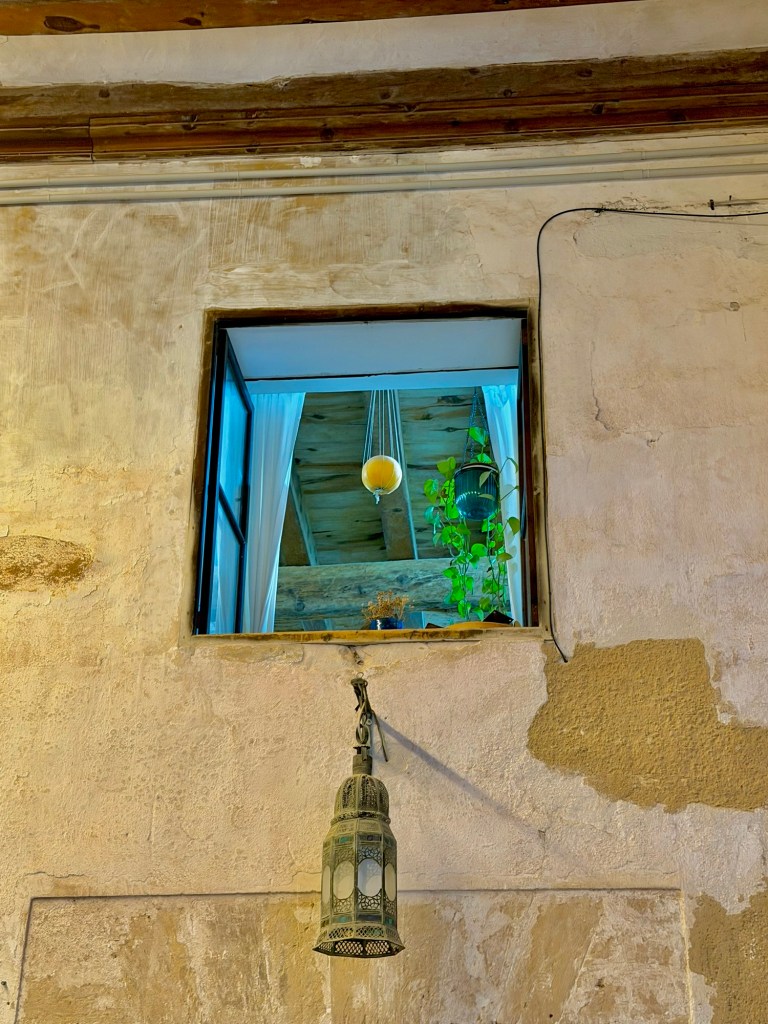
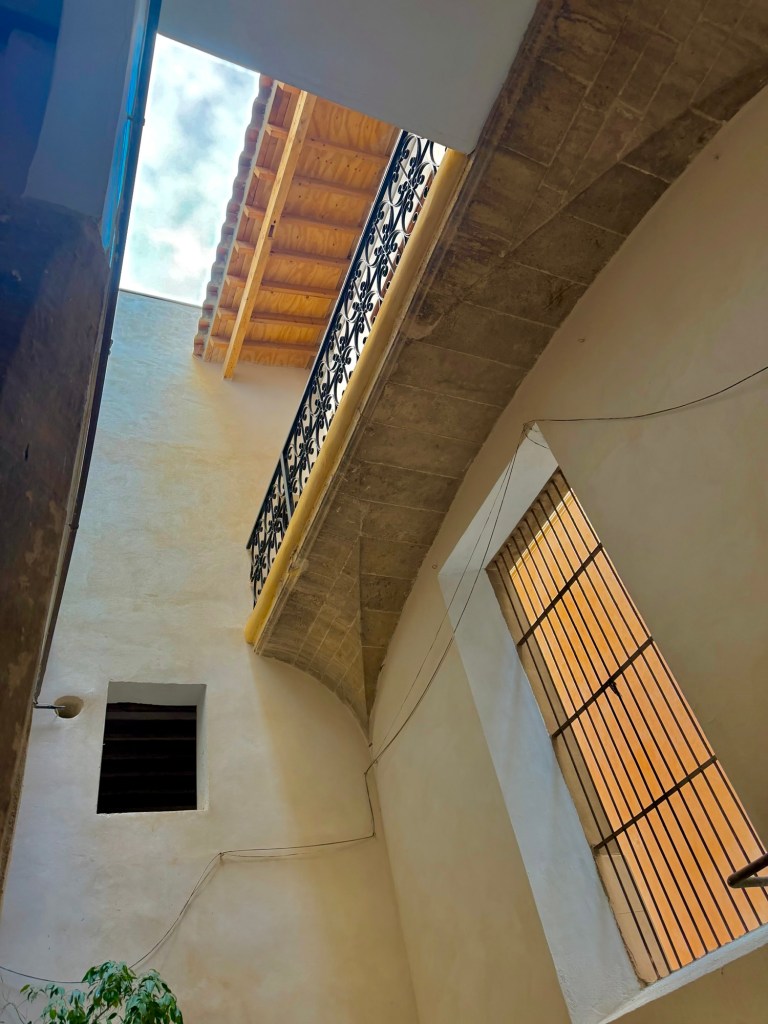
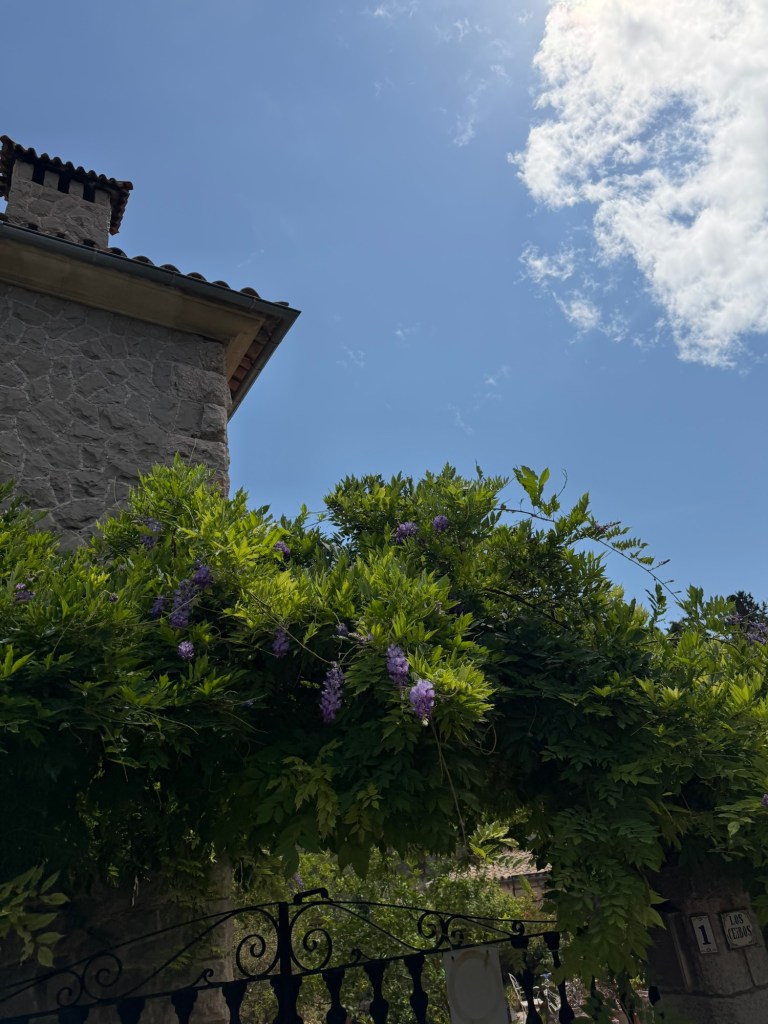
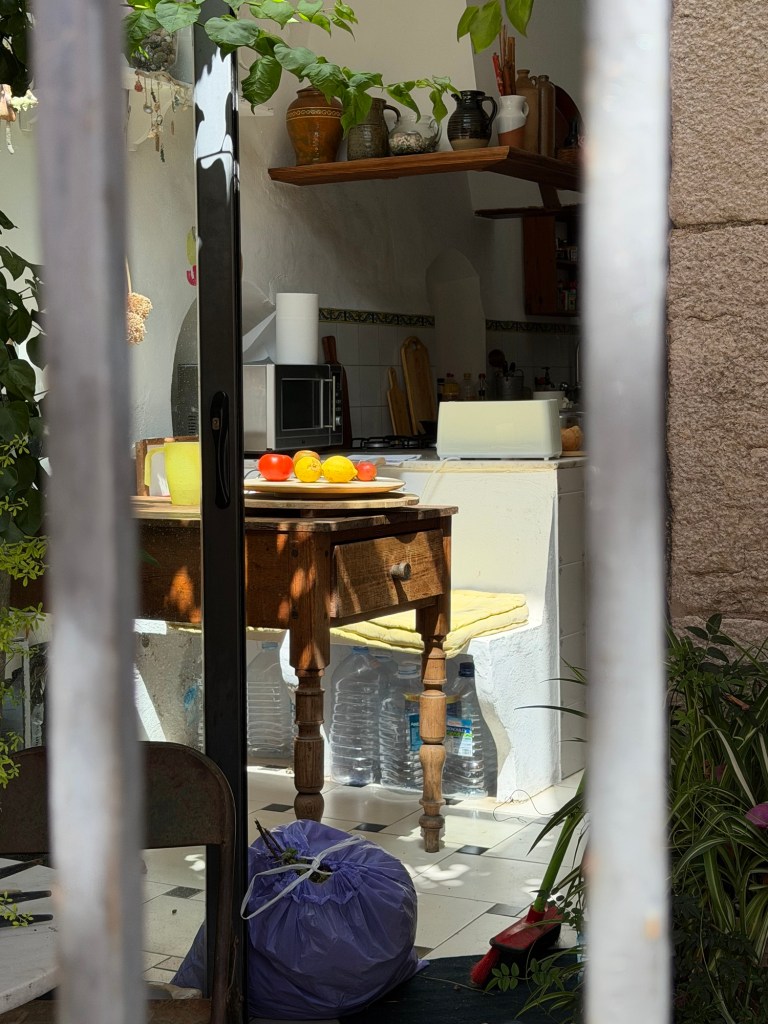
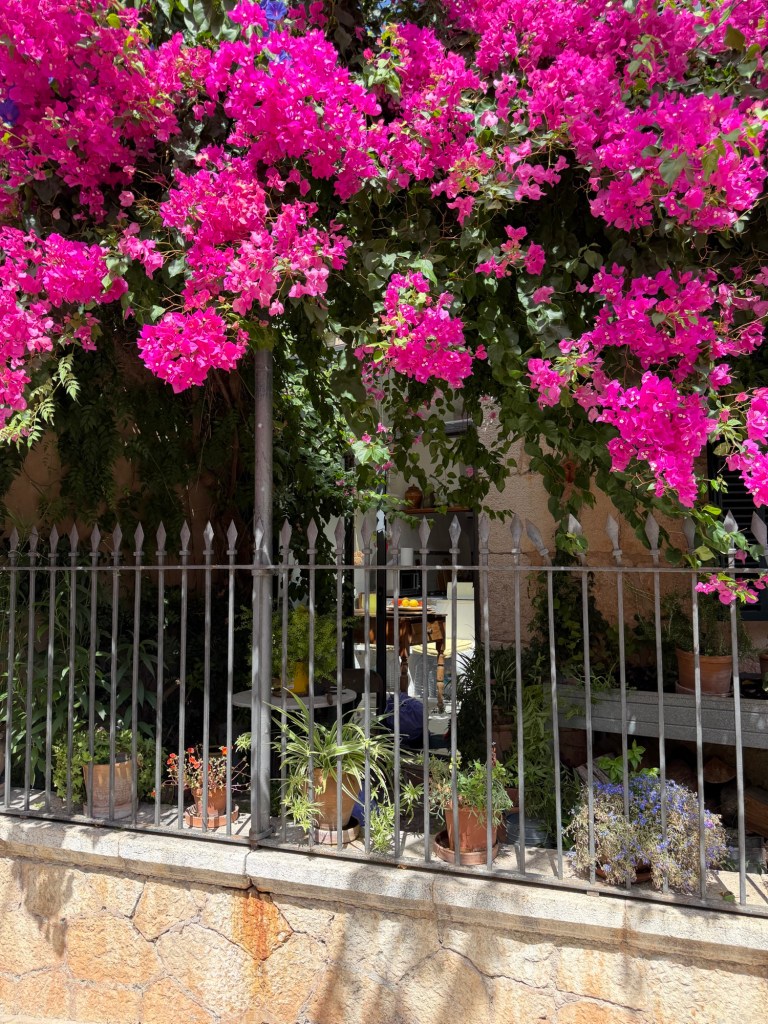
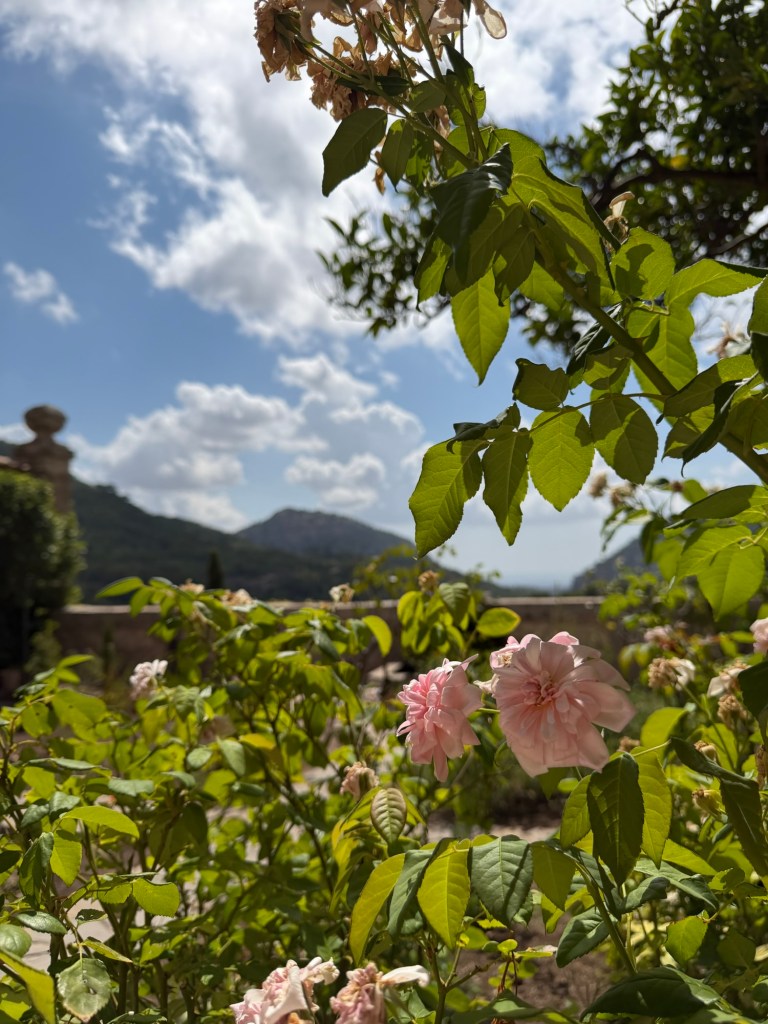
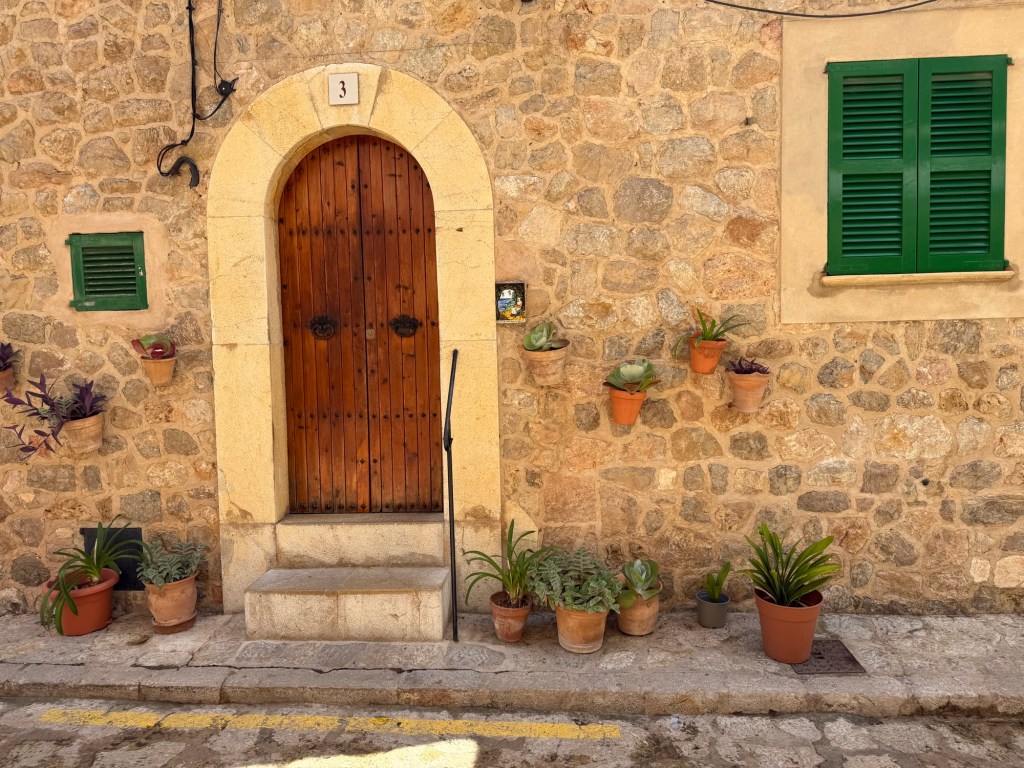
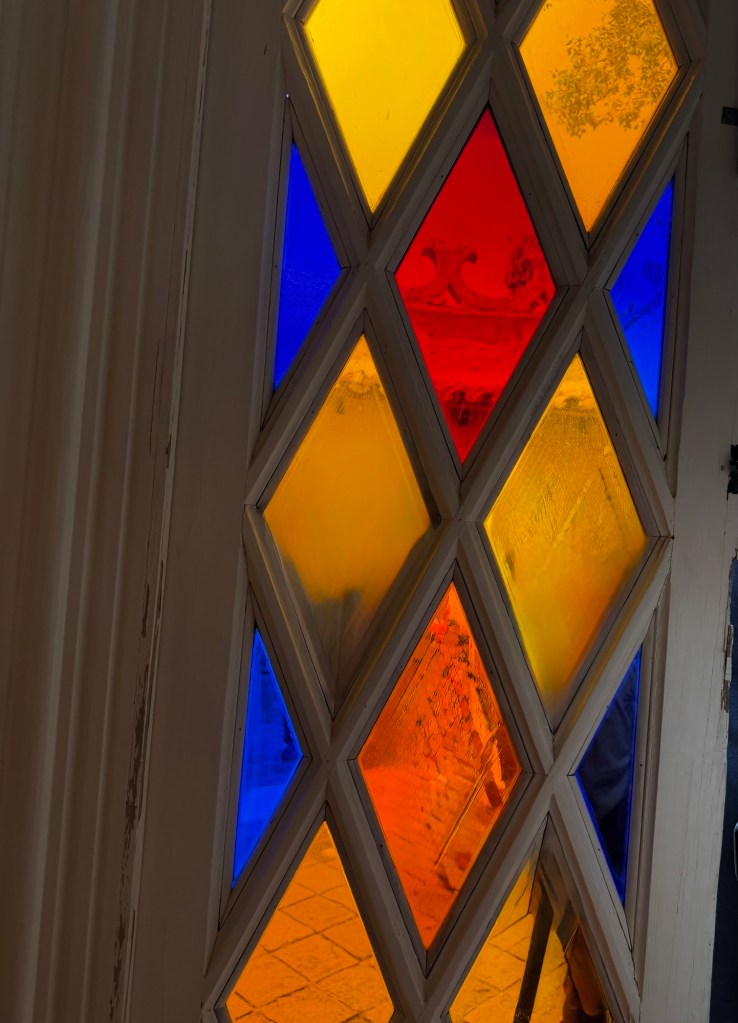
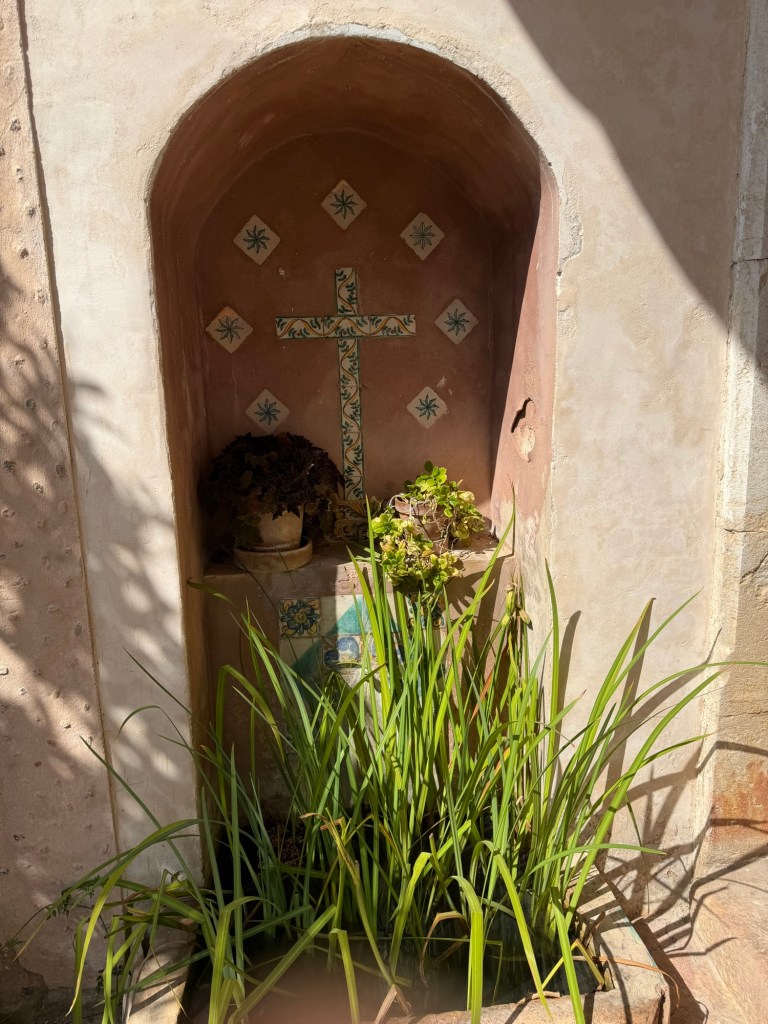
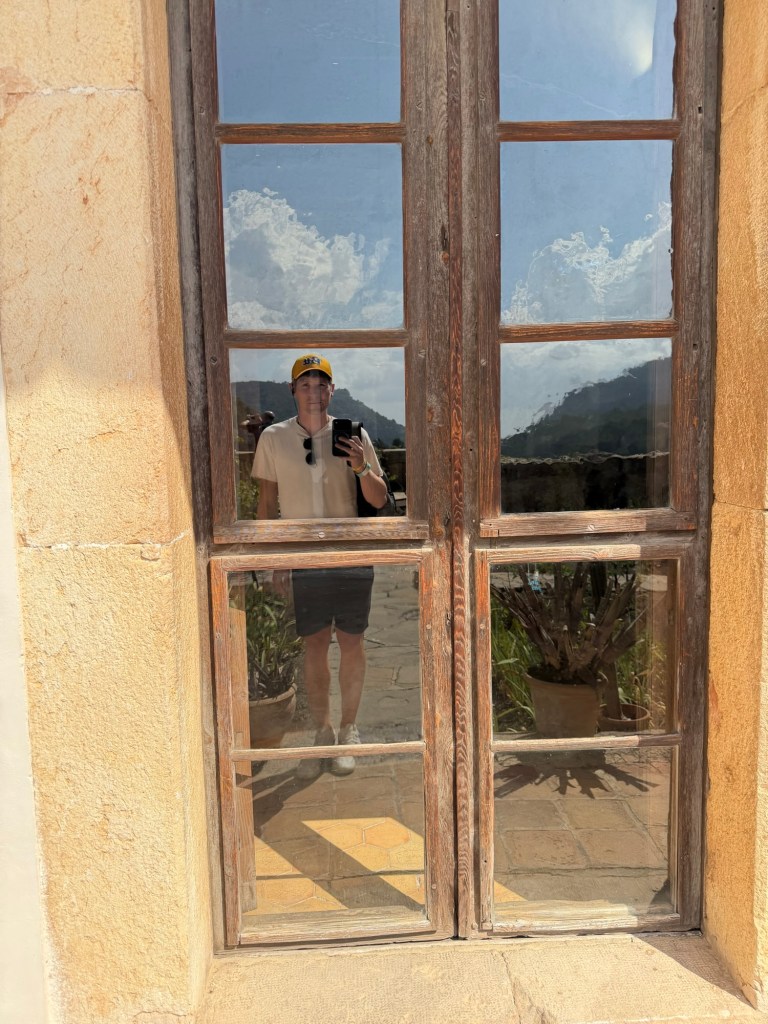
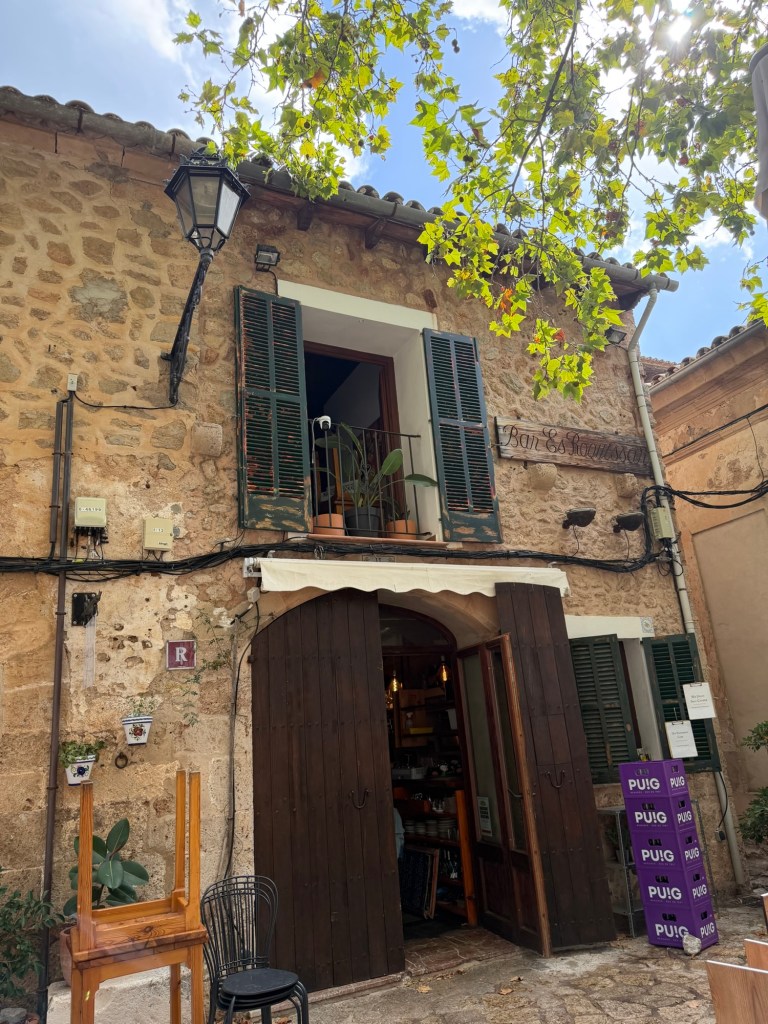
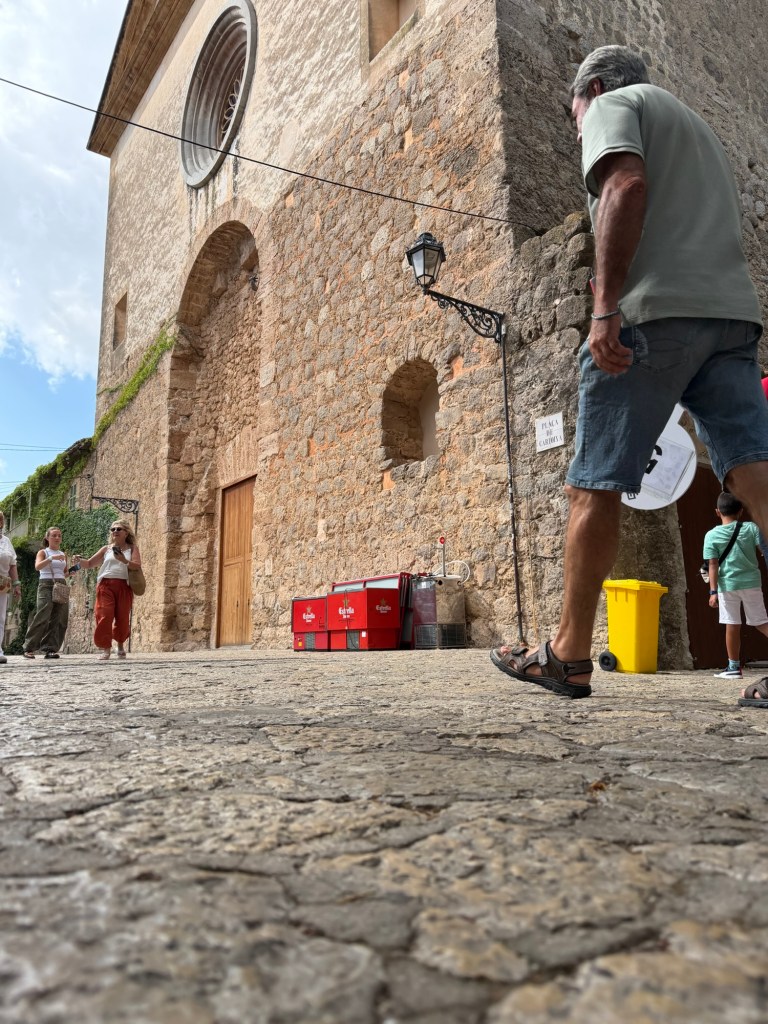
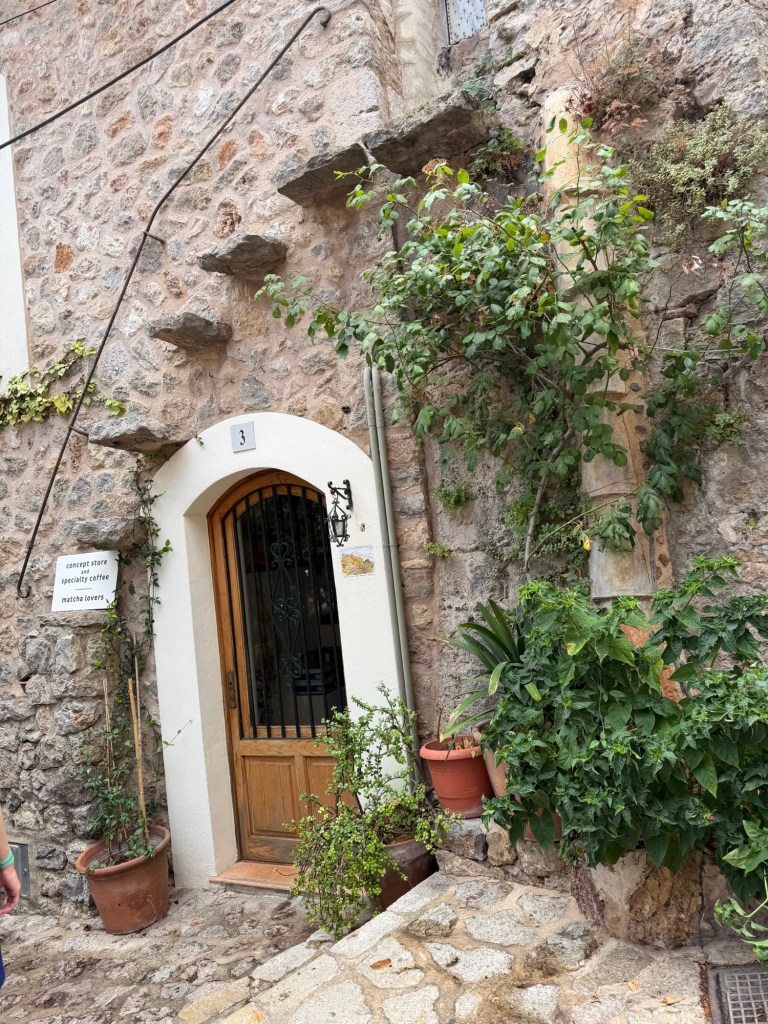
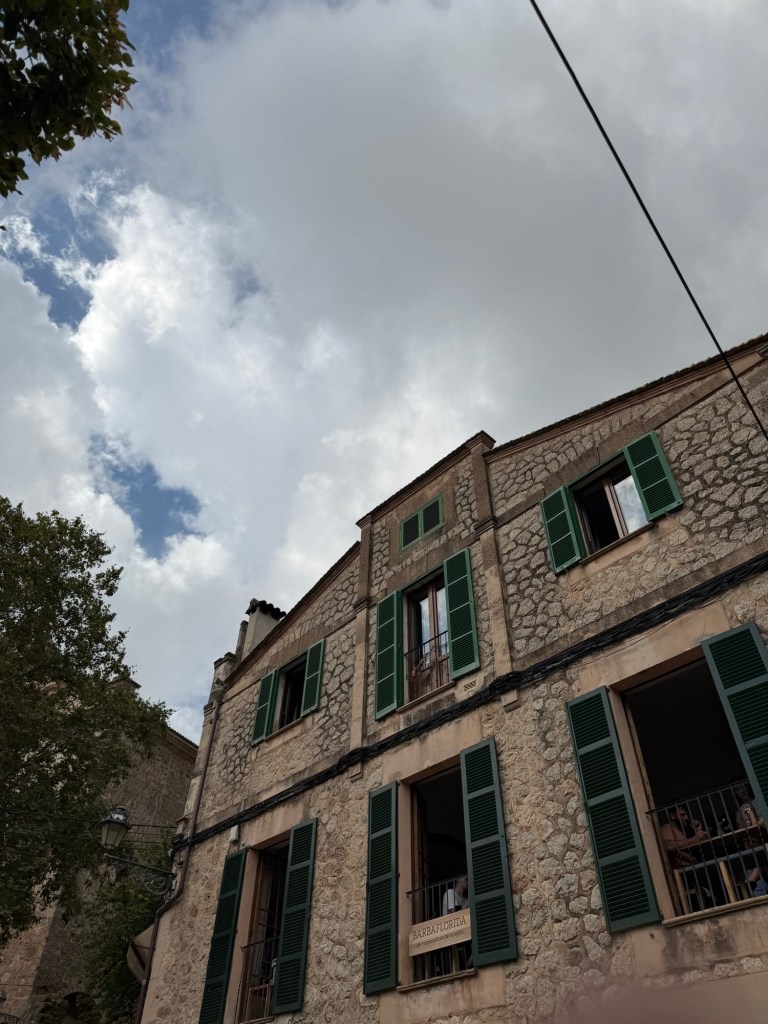
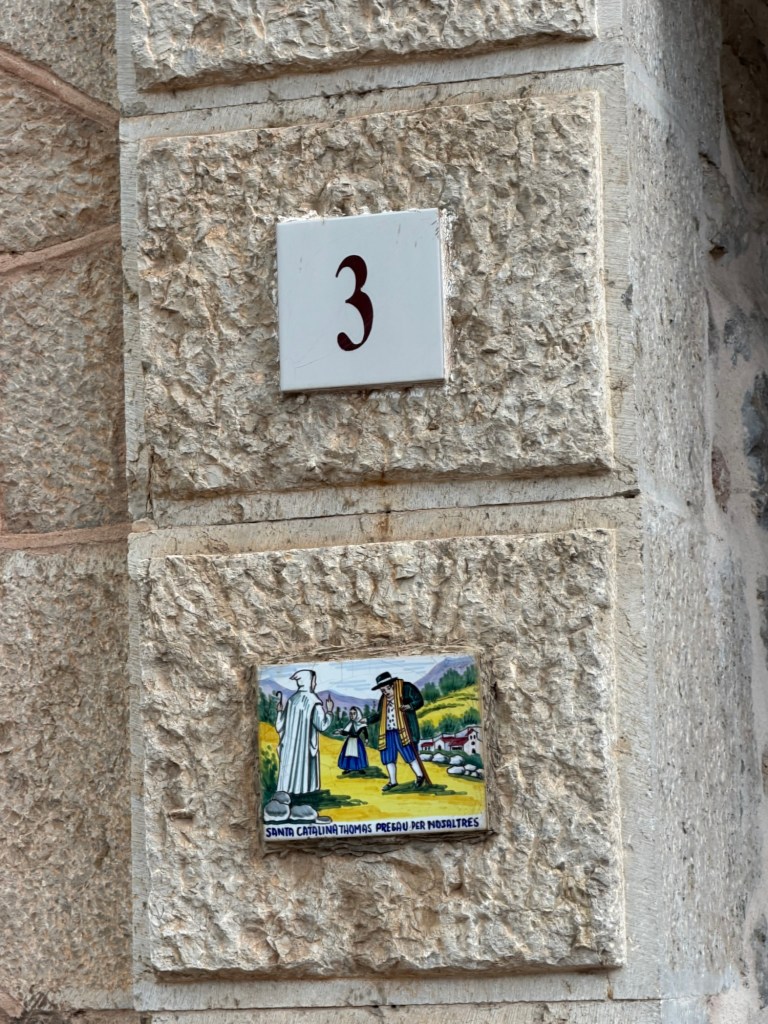
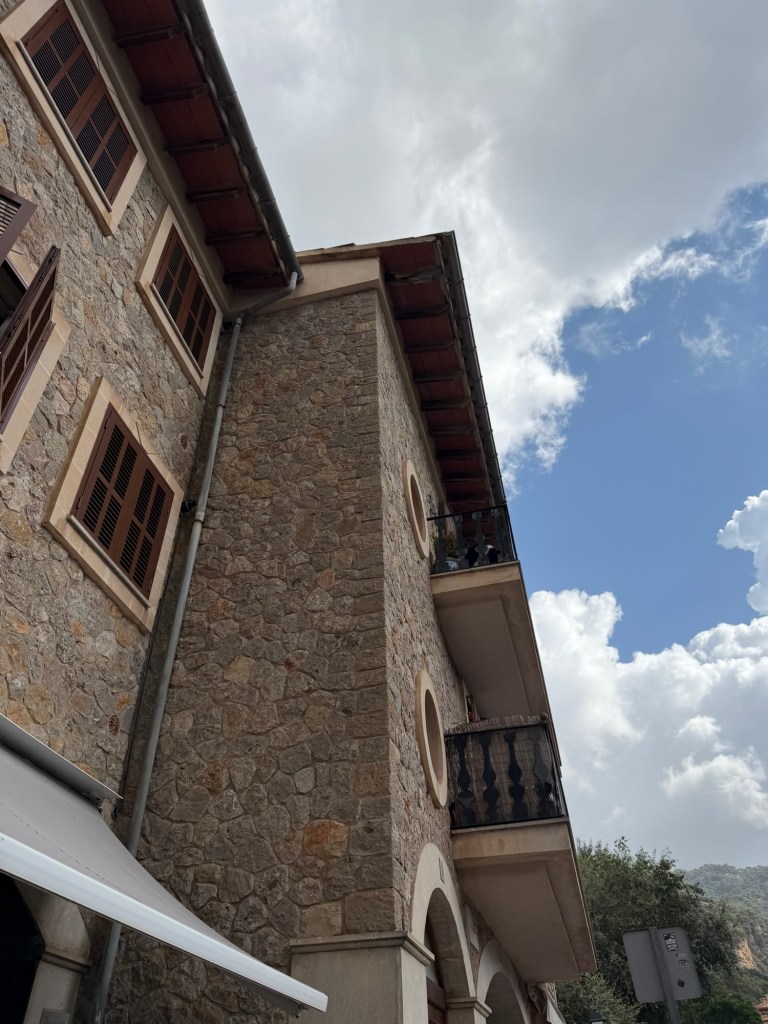
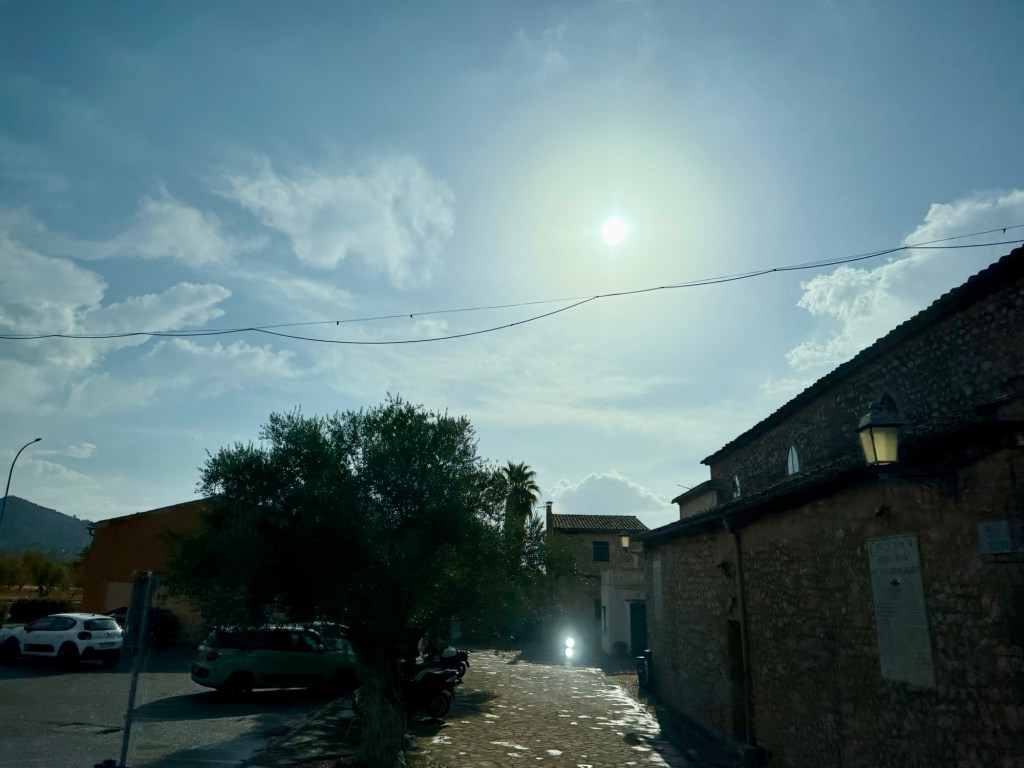
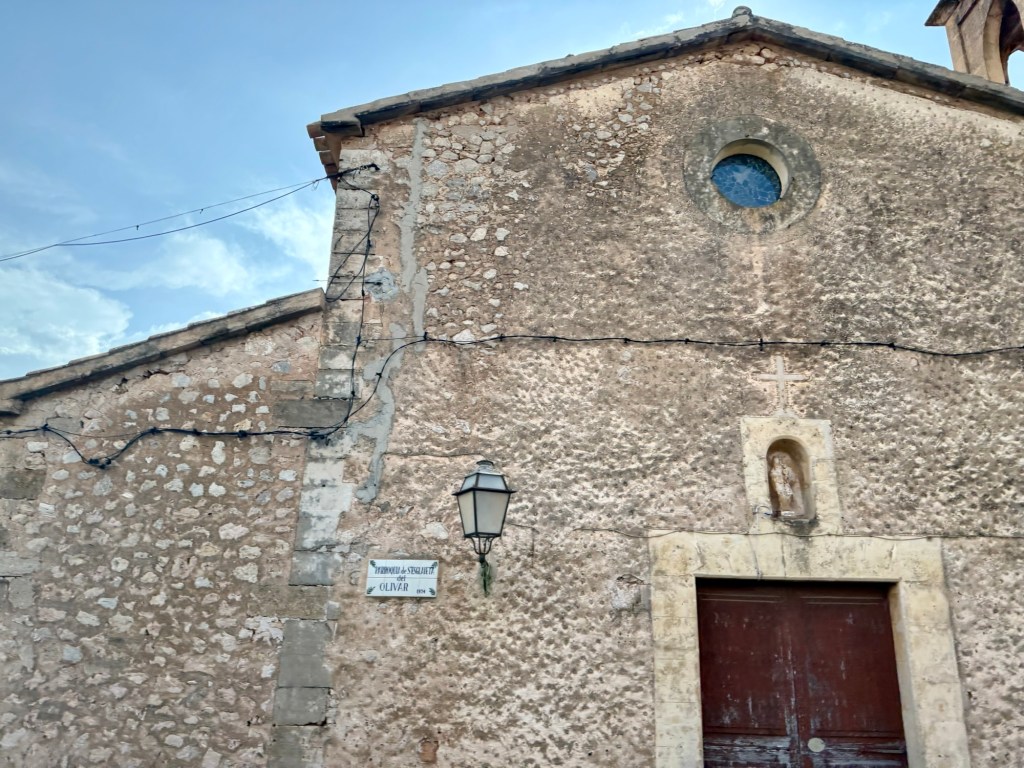
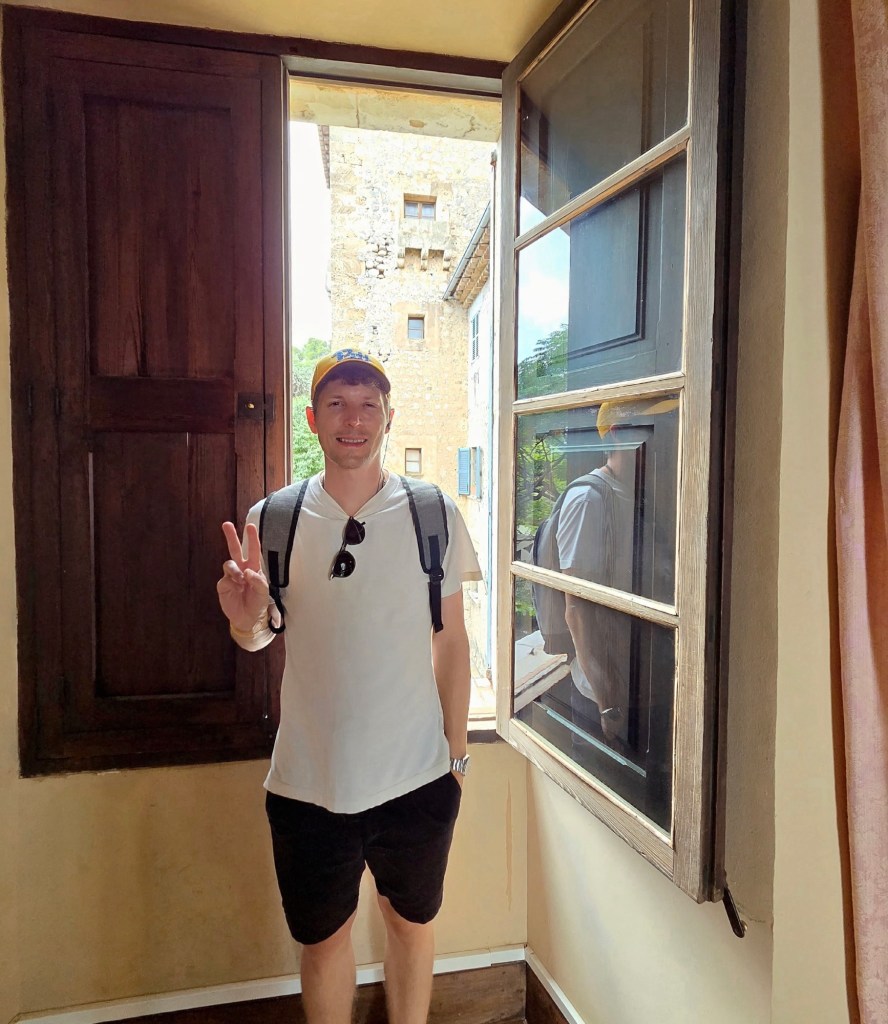
Beyond the Chopin story, the pleasure of Valldemossa lies simply in exploring it: stone façades, shuttered windows, tiny passages, colourful Mallorcan tiles and glimpses through to gardens and mountains. The interiors preserve something of the contemplative atmosphere of the monastery, while outside the views open dramatically towards the Tramuntana slopes and, in places, the Mediterranean.
The weather seemed to suit Valldemossa. Heavy grey clouds rolling across the mountains followed by sudden patches of brilliant blue made the landscape feel constantly changing — sometimes sombre and romantic, moments later intensely Mediterranean.
If Palma revealed Mallorca’s aristocratic and urban past, Valldemossa showed us another side of the island: quieter, greener and shaped as much by mountains and music as by history.
06 — PALAMÓS 🇪🇸
Spain
07 — MARSEILLE 🇫🇷
France
08 — BARCELONA 🇪🇸
Spain

